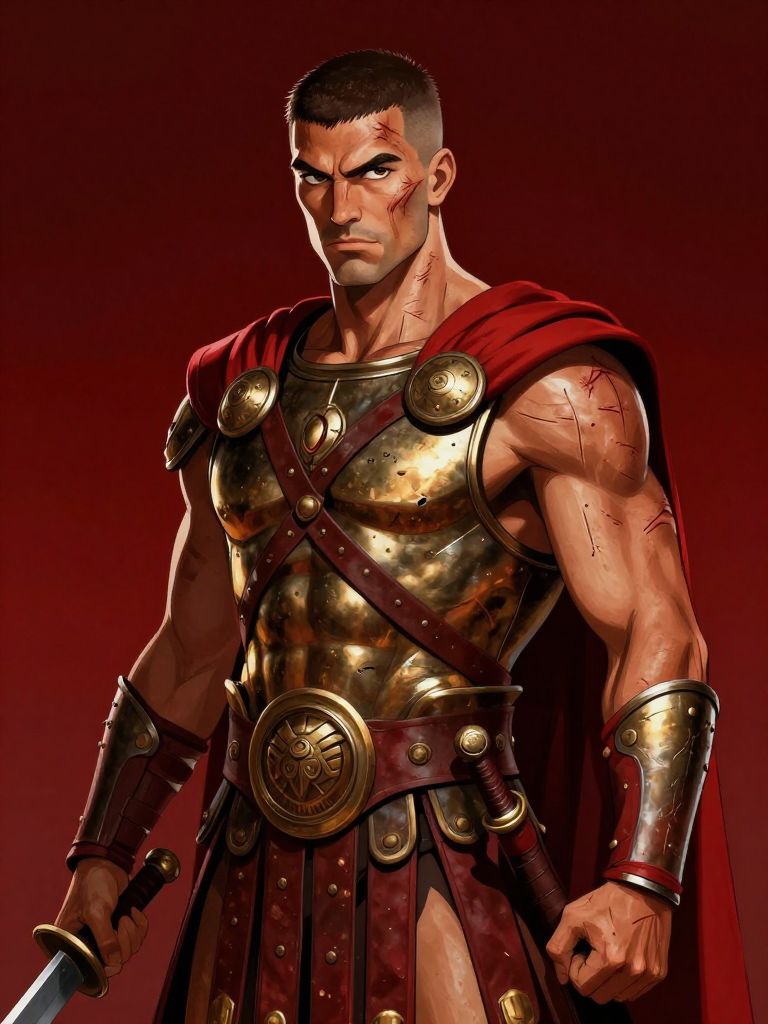
The Man Behind the Legend
We don't know much about who Spartacus was before he became a gladiator. Sources say he was Thracian — from the mountainous region that's now split between Bulgaria, Greece, and Turkey. Some accounts claim he served in the Roman auxiliary forces before being enslaved; others that he was captured in war.
What we know for certain: by 73 BCE, he was property. Locked in a gladiator training school in Capua, trained to kill other men for entertainment. He wasn't expected to survive long. None of them were.
The Escape
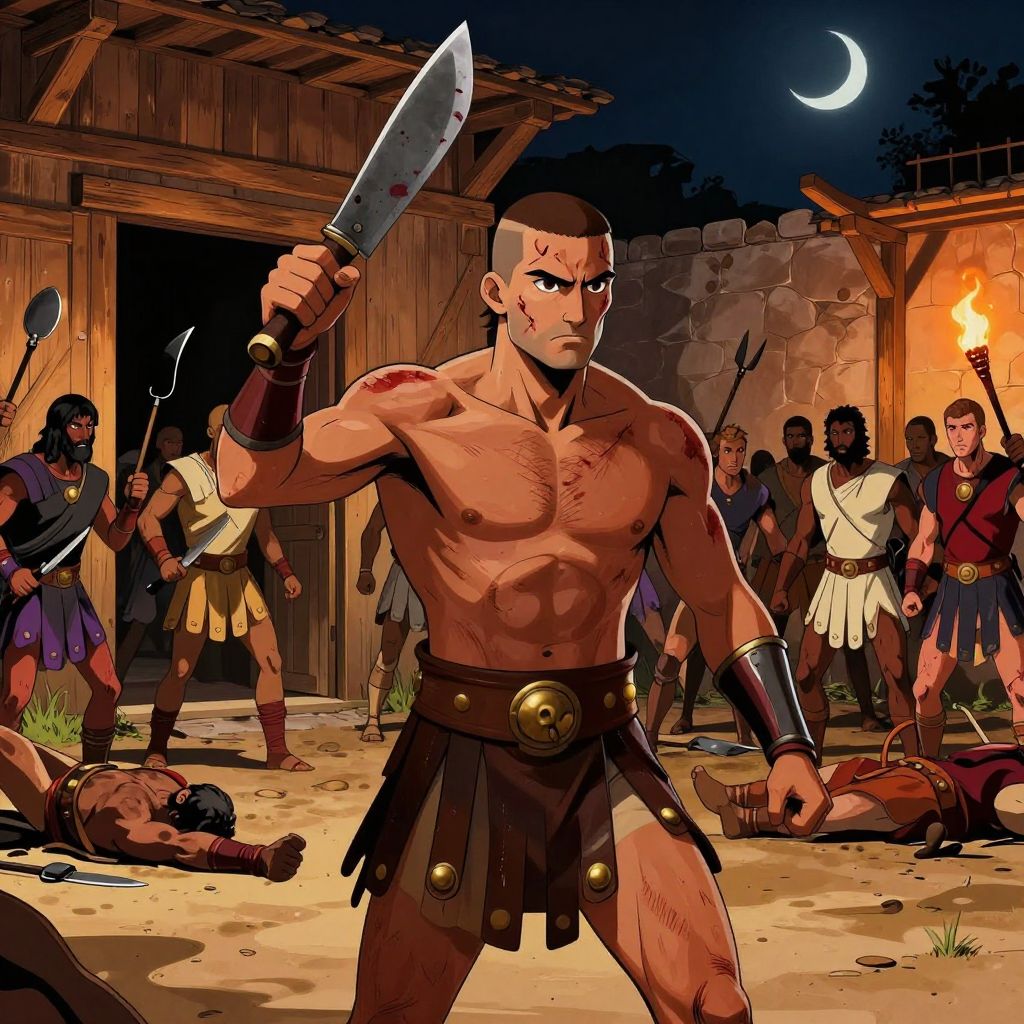
When Spartacus led his escape, he had seventy men and kitchen knives. Meat cleavers. Cooking spits. Whatever they could grab from the training school's kitchen.
That should have been the end of the story. Escaped slaves with improvised weapons? The Romans sent a praetor with a small force to round them up.
Spartacus destroyed them. Then he destroyed the next force Rome sent. And the next.
Within months, his band of seventy had grown to seventy thousand — escaped slaves, field workers, gladiators, anyone who'd been ground under Rome's heel and wanted to fight back.
What Made Him Different
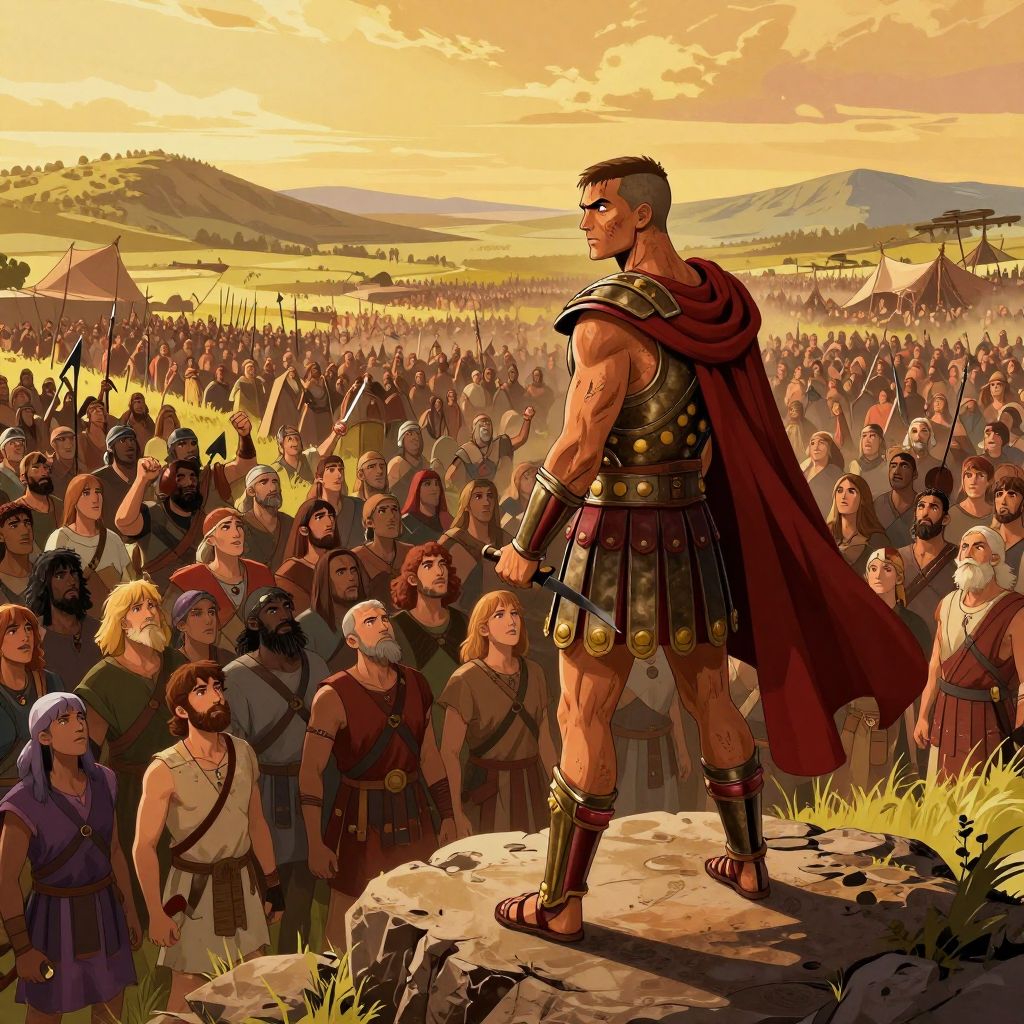
Spartacus wasn't the first slave to rebel. Rome had fought two massive slave wars in Sicily in the previous decades. Both were crushed. Both leaders were killed. The pattern was clear: rebel, lose, die horribly.
What made Spartacus different was simple: he kept winning.
The Romans sent praetors. He defeated them. They sent consuls with full legions. He defeated them too.
Spartacus was a trained fighter — gladiators learned tactics, strategy, how to read opponents. But more than that, he understood something the Romans didn't expect: his army had nothing to lose.
Roman soldiers fought for pay, for land grants after service, for glory. Spartacus's followers fought because capture meant crucifixion. Every battle was life or death. No surrender. No quarter.
That makes for dangerous soldiers.
The March North
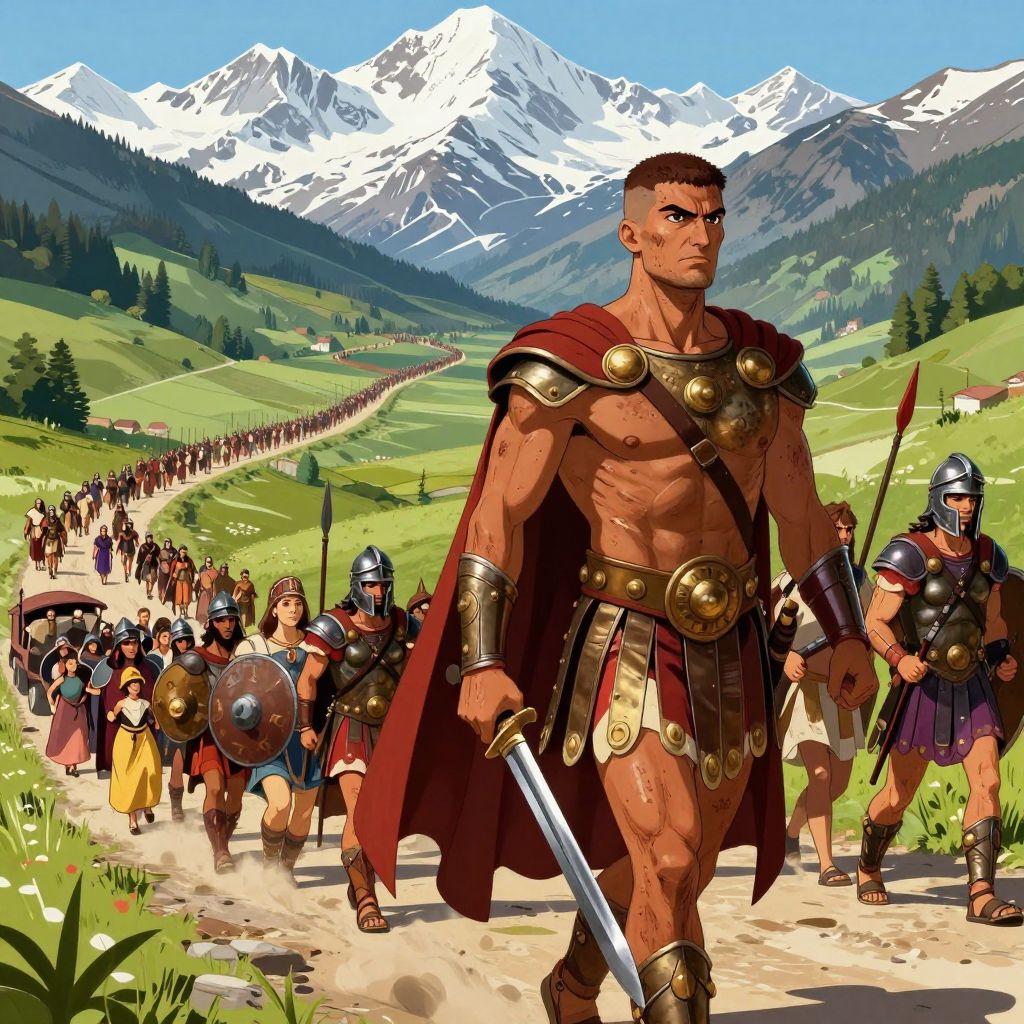
72 BCE. Spartacus marched his army north, defeating every Roman force sent to stop them. By the time they reached the Alps, they'd beaten multiple legions.
Freedom was right there. Cross the mountains into the wilderness beyond Rome's reach. Disappear into Gaul or Germania. Live free.
He turned around.
Why He Turned Back
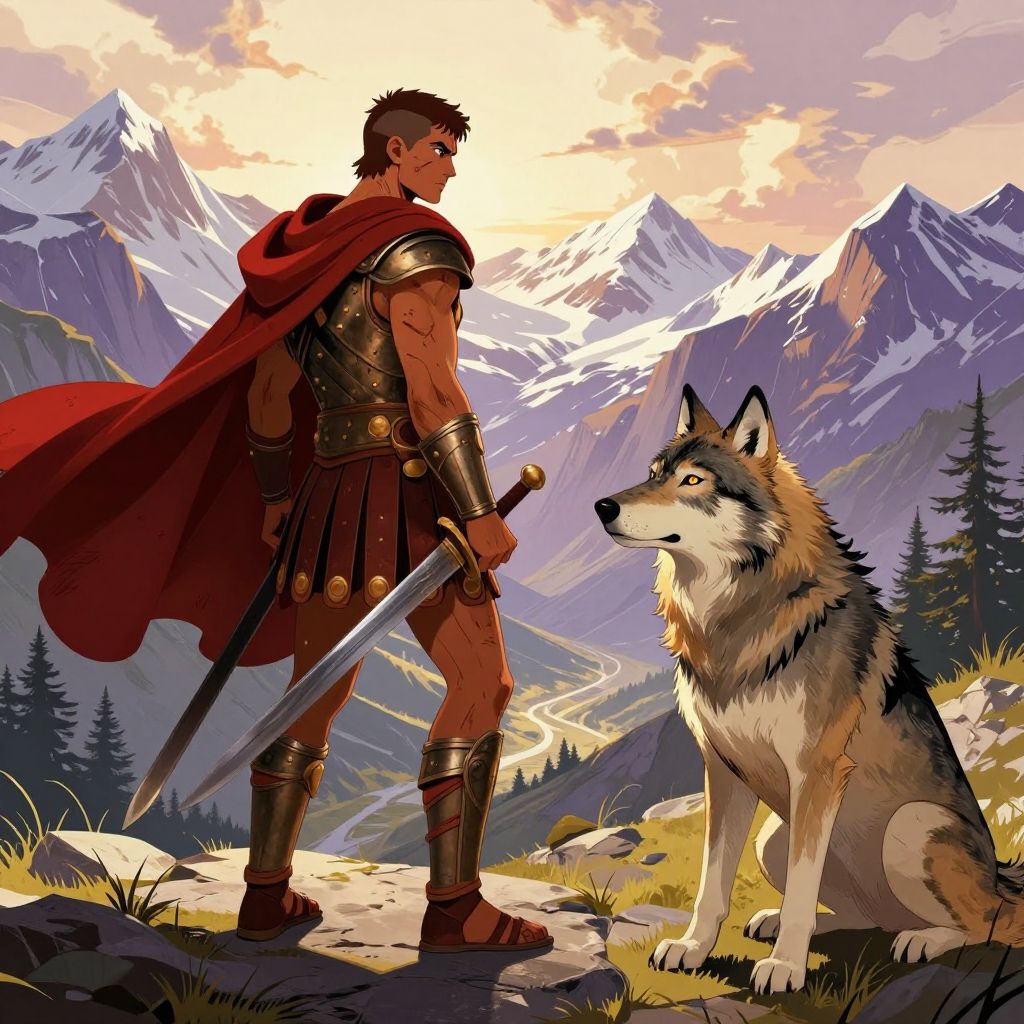
This is the part that sticks with me. Spartacus could have walked out of Italy. He could have vanished and never looked back.
He walked back into Italy, toward the legions, toward certain death.
Why?
Because seventy thousand escaped slaves would be hunted forever. There would never be peace, never be safety, never be freedom that actually lasted. Rome's reach was too long. Its memory too bitter.
Better to die fighting than spend your life running.
Or maybe he realized something darker: his army wouldn't follow him north. Many were Italian-born slaves who wanted to fight Rome, not escape it. Maybe he lost control of the very rebellion he'd started.
We don't know. What we know is he turned back.
Crassus Takes Command
71 BCE. The Senate finally took the rebellion seriously. They gave command to Marcus Crassus — the richest man in Rome.
Crassus had his own debts to settle. His father and brother had been killed during the political purges a generation earlier. He'd spent his life accumulating wealth, but wealth doesn't buy respect in Rome. Military glory does.
He saw Spartacus as his chance.
Decimation
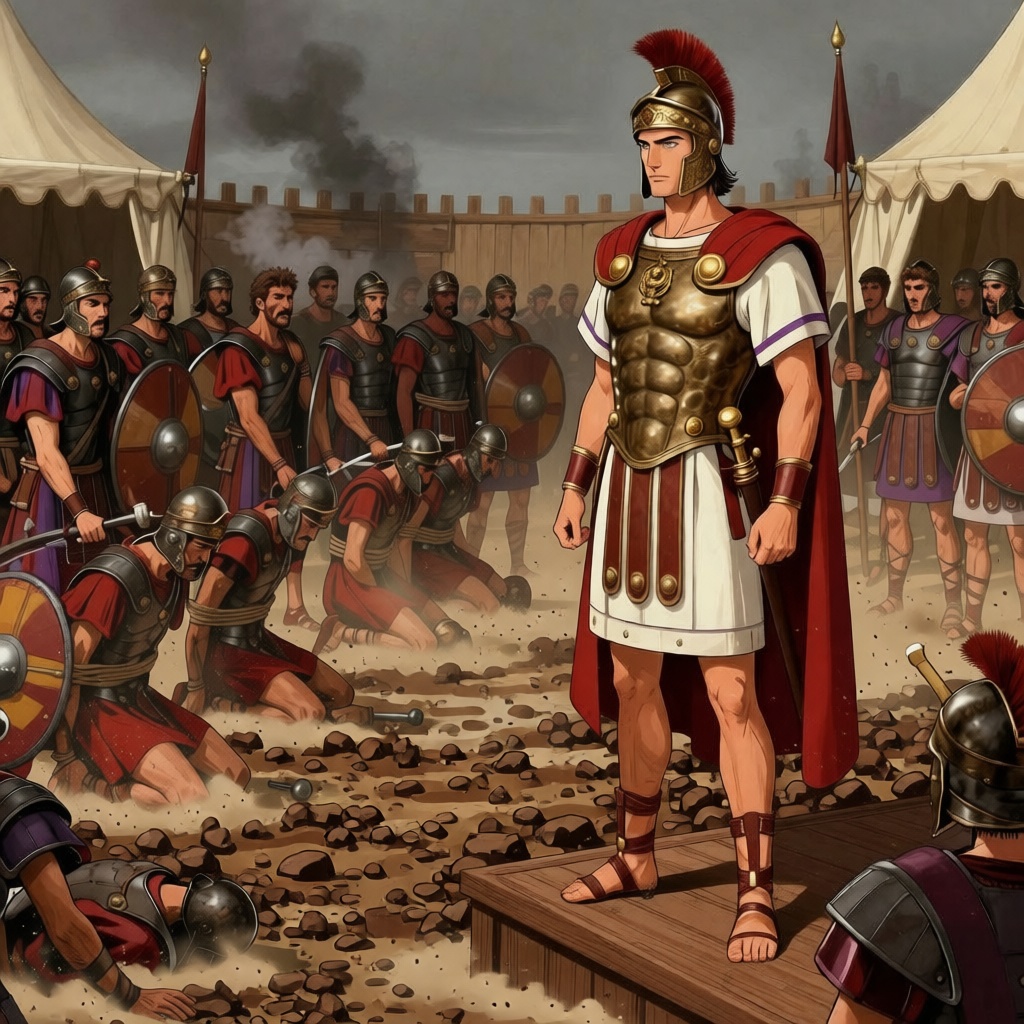
Crassus revived an ancient punishment: decimation.
When a unit ran from battle, you kill every tenth man. Not enemies — your own soldiers. The unit draws lots. One in ten gets beaten to death by their comrades. With clubs.
It's called decimation because it reduces the unit by one-tenth. The Latin word for ten is "decem."
Crassus wasn't teaching his soldiers to fight better. He was teaching them to fear him more than they feared Spartacus.
It worked.
The Final Battle
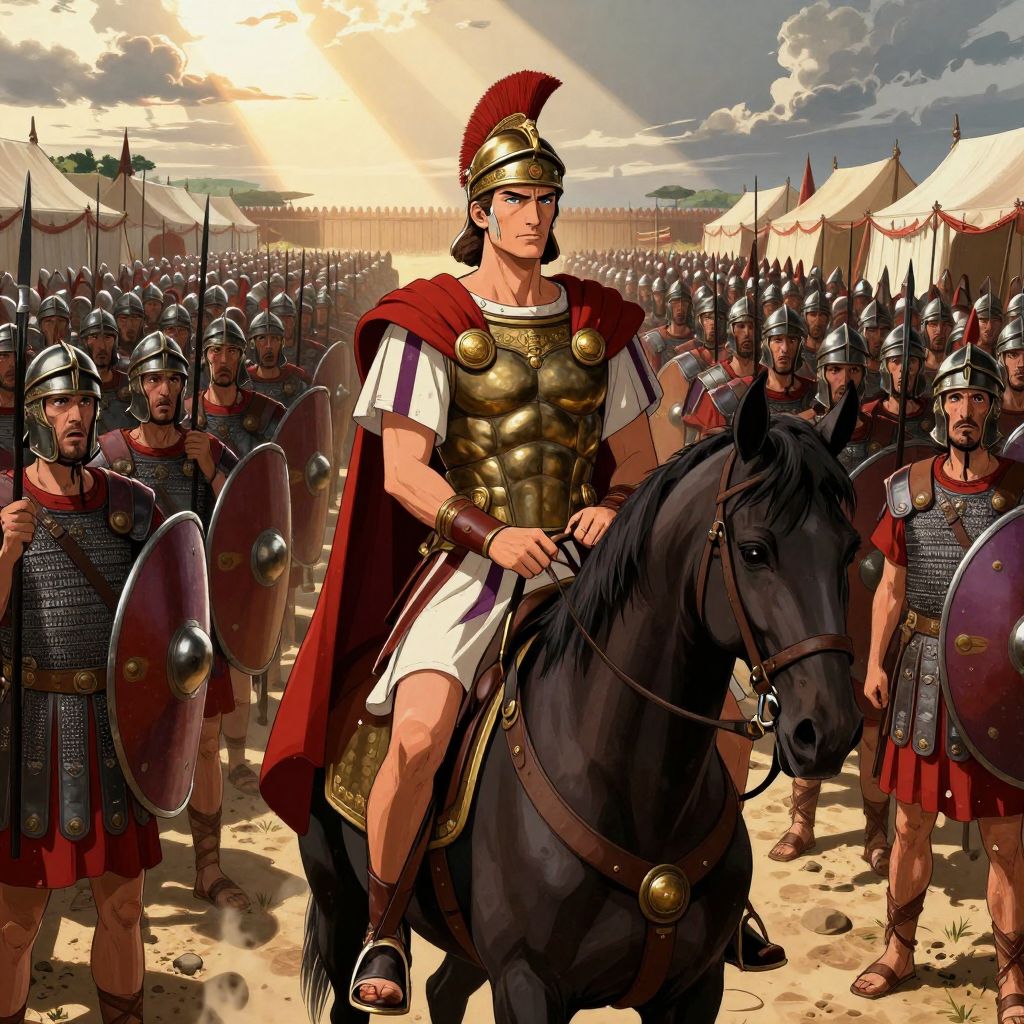
71 BCE, southern Italy. Spartacus tried to break through Crassus's lines. He wanted to reach Sicily, where previous slave revolts had found support.
Crassus built a wall — ditches, palisades, fortifications — cutting off the rebels from the south. Spartacus was trapped.
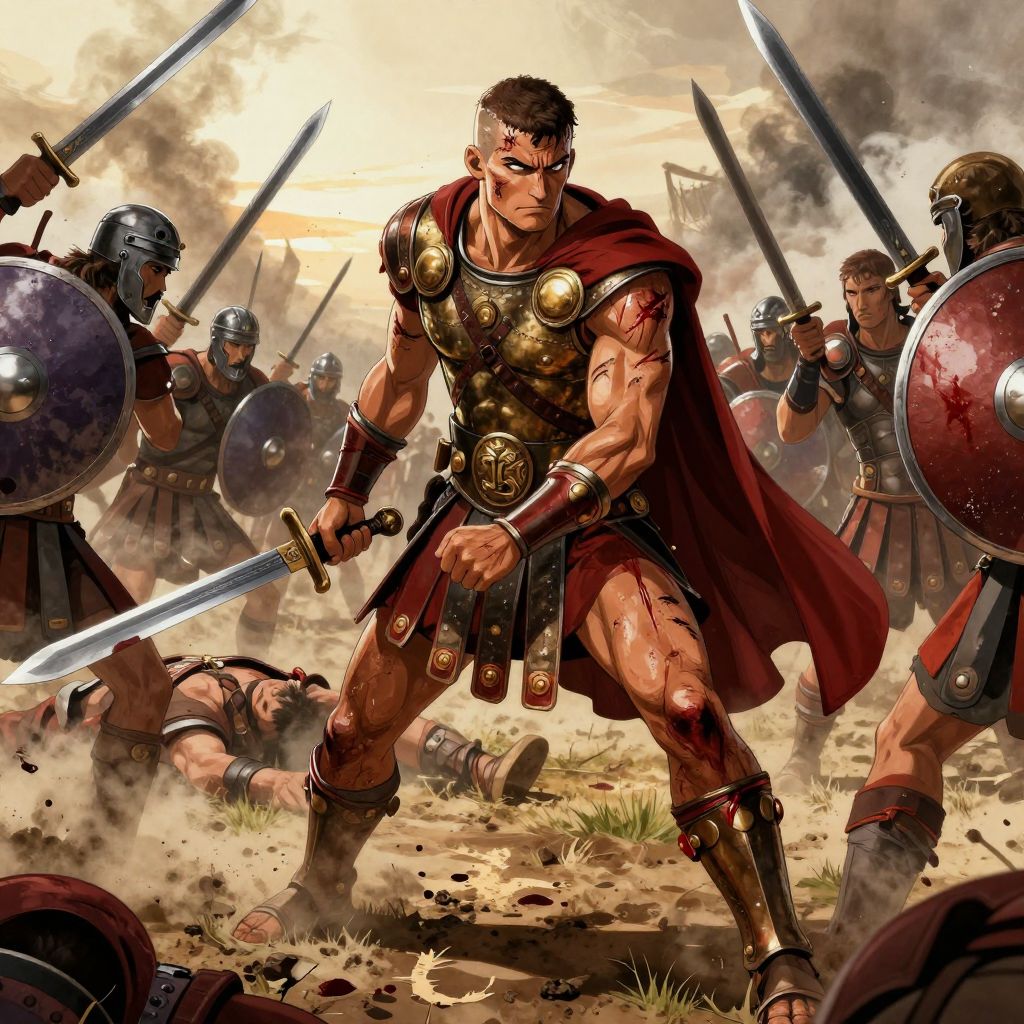
In the final battle, Spartacus fought his way toward Crassus himself. Ancient sources describe him cutting through the Roman lines, trying to reach the general.
He never made it.
Spartacus died in the chaos. His body was never found. Whether he fell surrounded by enemies or managed to die elsewhere, we'll never know.
But 6,000 of his followers were captured alive.
The Appian Way
Crassus crucified them along the Appian Way — Rome's main road south — for 120 miles, from Rome all the way to Capua where it started.
One cross roughly every 30 meters. For 120 miles.
The bodies were left to rot. For years, every traveler heading south passed through that forest of crosses.
Rome's message was clear: this is what rebellion costs.
What It Meant
The Third Servile War (that's what historians call it — the third major slave rebellion) wasn't just about slavery. It was about violence becoming normal.
This was the era when Roman politics turned bloody. The Gracchi brothers tried reform and were murdered. Marius and Sulla fought civil wars and posted death lists. Political disputes were settled with knives, not votes.
Spartacus was a symptom of a Republic that had lost the ability to solve problems without killing people.
His rebellion didn't change slavery in Rome. If anything, it made slave-owners more paranoid, more brutal. The message wasn't "treat slaves better." It was "watch them more carefully."
Legacy
Spartacus became a symbol, though what he symbolized changed depending on who was doing the talking.
To revolutionaries across history, he was the enslaved man who fought back. Marx wrote about him. Soviet propagandists used him. Hollywood made him a hero.
To Rome's enemies, he was proof that the Republic could be wounded.
To Roman historians, he was a cautionary tale about what happens when you let problems fester until they explode.
But the reality might be simpler and darker. He was a man who saw his choices clearly: run forever or fight until they killed him. He chose to fight.
What We Actually Know
Strip away the legend, the movies, the political symbolism. What do we actually know about Spartacus?
- He was Thracian
- He was a gladiator in Capua
- He led a rebellion that lasted two years
- He defeated multiple Roman armies
- He died fighting in 71 BCE
- His body was never found
That's it. Everything else — his motivations, his plans, what he believed — is speculation based on ancient sources written by his enemies.
We don't know if he wanted to end slavery or just escape it. We don't know if turning back at the Alps was strategic genius or a fatal mistake. We don't know if he died hoping his rebellion would inspire others or regretting he ever started.
What we know is this: for two years, seventy gladiators with kitchen knives made Rome afraid.
The Broader Context
Spartacus's rebellion happened in the middle of Rome's slow collapse. Three men — Crassus with his money, Pompey with his army, Caesar with his ambition — would soon carve up the Republic between them.
Crassus used the victory over Spartacus to boost his political career. But military glory wasn't enough. He died eighteen years later in Parthia, chasing the one thing his wealth couldn't buy.
Pompey took credit for finishing off the rebellion (he mopped up stragglers fleeing north). He used that to leverage more power.
Caesar watched it all. He learned that Rome respected strength more than law.
The Republic wasn't dying. It was already dead. Spartacus's rebellion was just one more symptom.
Why the Story Survived
Spartacus died over 2,000 years ago. His name outlasted the Republic, outlasted the Empire, outlasted Rome itself.
He became whatever people needed him to be. Revolutionary hero. Freedom fighter. Tragic victim. Cautionary tale.
The real Spartacus was probably none of those things. He was a Thracian gladiator who refused to die for entertainment and chose to die fighting instead.
In the end, Rome won. Rome always won back then.
But for two years, seventy gladiators with kitchen knives made them afraid.
That's worth remembering.
Frequently Asked Questions
1Was Spartacus really a gladiator?
Yes. Spartacus was enslaved and trained as a gladiator at a school in Capua. The gladiator schools were essentially prisons where enslaved men were trained to fight to the death for public entertainment. His experience as a trained fighter made him an effective military leader.
2How did Spartacus die?
Spartacus died in the final battle against Crassus's legions in 71 BCE. Ancient sources describe him fighting his way toward Crassus himself before being overwhelmed. His body was never recovered — whether lost in the chaos of battle or deliberately hidden by survivors is unknown.
3Why is Spartacus famous?
Spartacus led the most successful slave rebellion in Roman history. For two years, he defeated every Roman force sent against him and grew his army from 70 escaped gladiators to approximately 70,000 rebels. The rebellion (the Third Servile War) terrified Rome and required their most capable commanders to suppress.
4Did the rebellion accomplish anything?
The rebellion didn't end slavery or change Roman attitudes toward enslaved people. If anything, it made slave-owners more brutal and paranoid. But it demonstrated that Rome was vulnerable, that even the lowest members of society could threaten the Republic if they organized and fought back. The rebellion became a symbol used by later revolutionary movements.
Experience Spartacus's Story
From the escape with kitchen knives to the final stand, hear the full story of the rebellion that shook Rome.


Hear Their Story
Seventy
4 minSeventy gladiators. Kitchen knives. And an army that would terrify Rome for two years.

Related Articles
Experience Spartacus's Story
Go beyond the biography. Hear Spartacus's story told by Lumo, your immortal wolf guide who witnessed these events firsthand.