Learn History
Explore the stories, battles, and figures that shaped our world. From the rise and fall of empires to the lives of legendary leaders.
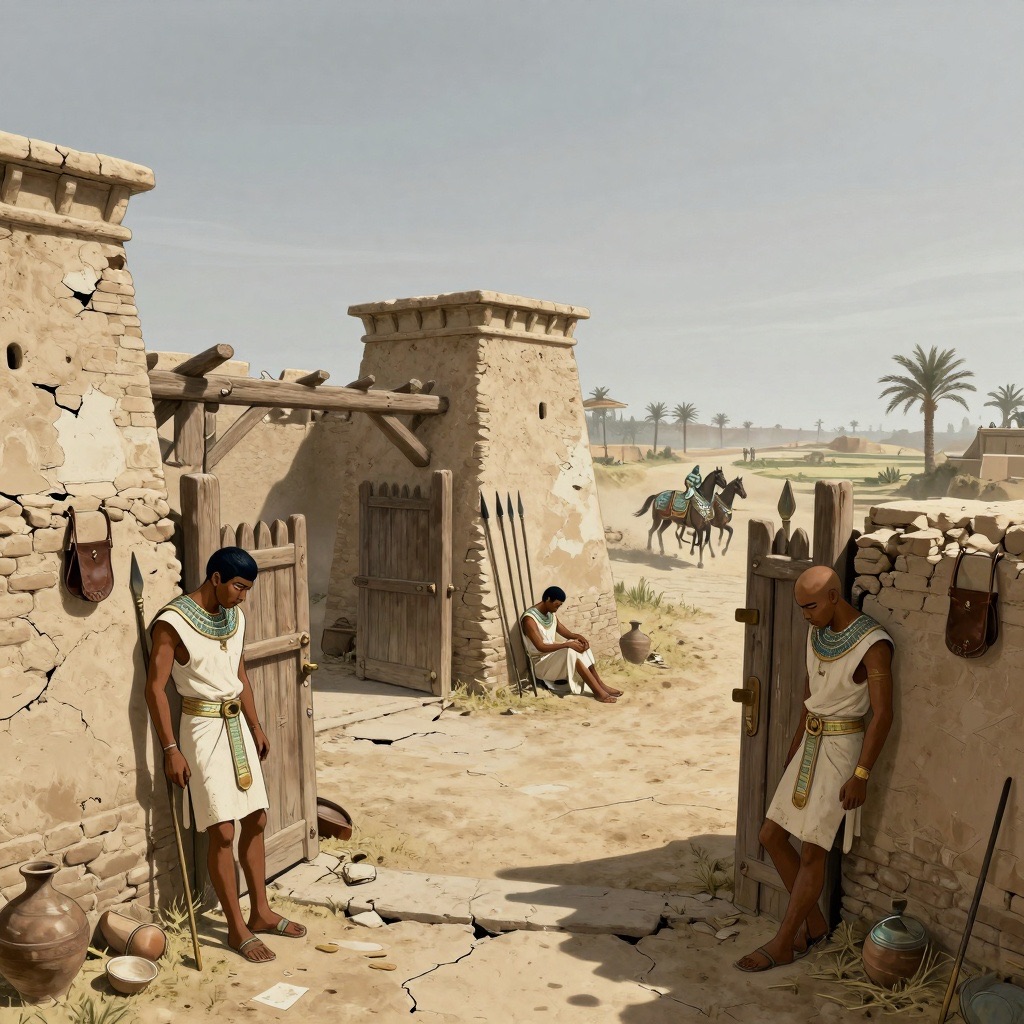
The Hyksos Invasion: When Foreign Kings Ruled Egypt
For over a century, foreign rulers called the Hyksos controlled northern Egypt from their fortress capital at Avaris. They brought horses, chariots, and bronze weapons that changed warfare forever. Driving them out took three generations of Egyptian pharaohs.
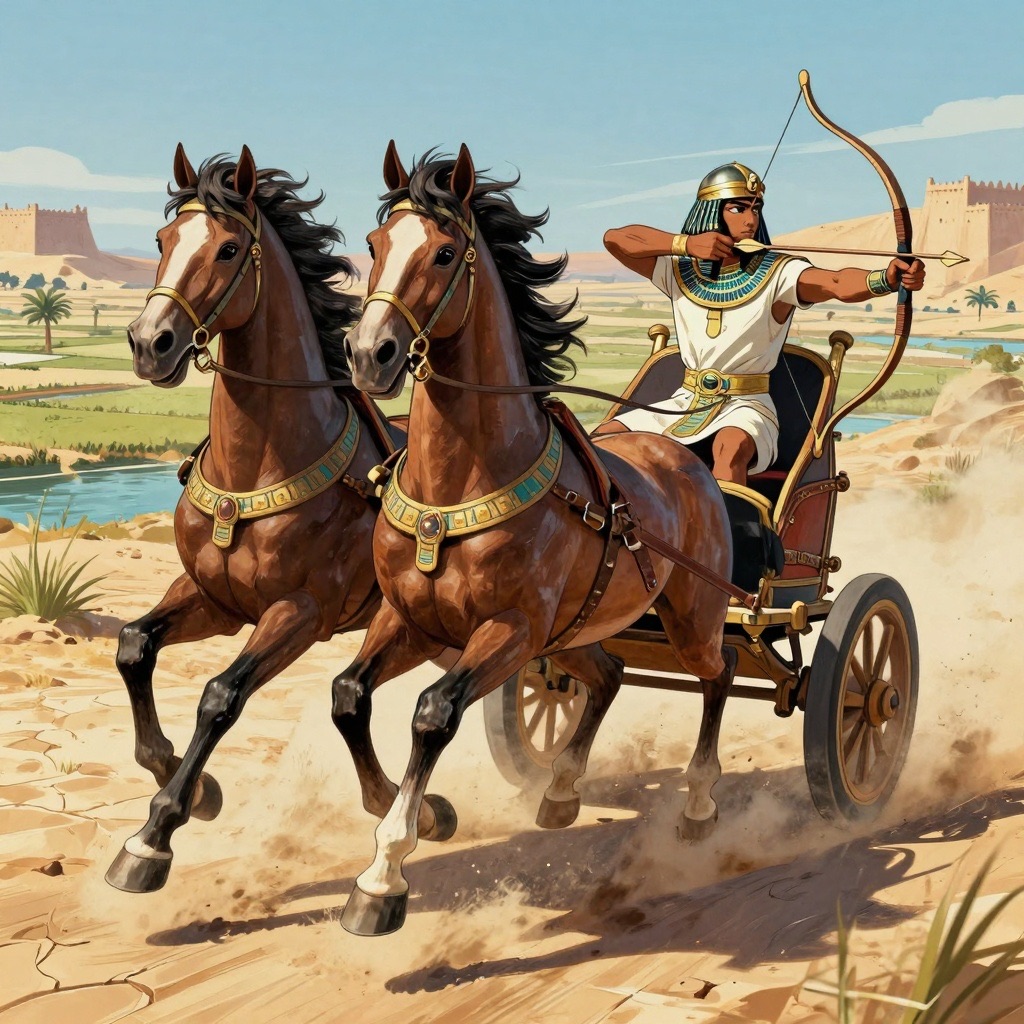
Ahmose I: The Pharaoh Who Drove Out the Hyksos and Founded Egypt's Golden Age
Around 1550 BCE, a young pharaoh named Ahmose I completed what his father and brother died trying to achieve. He expelled the Hyksos invaders, reunified Egypt, and founded the 18th Dynasty. The New Kingdom had begun.
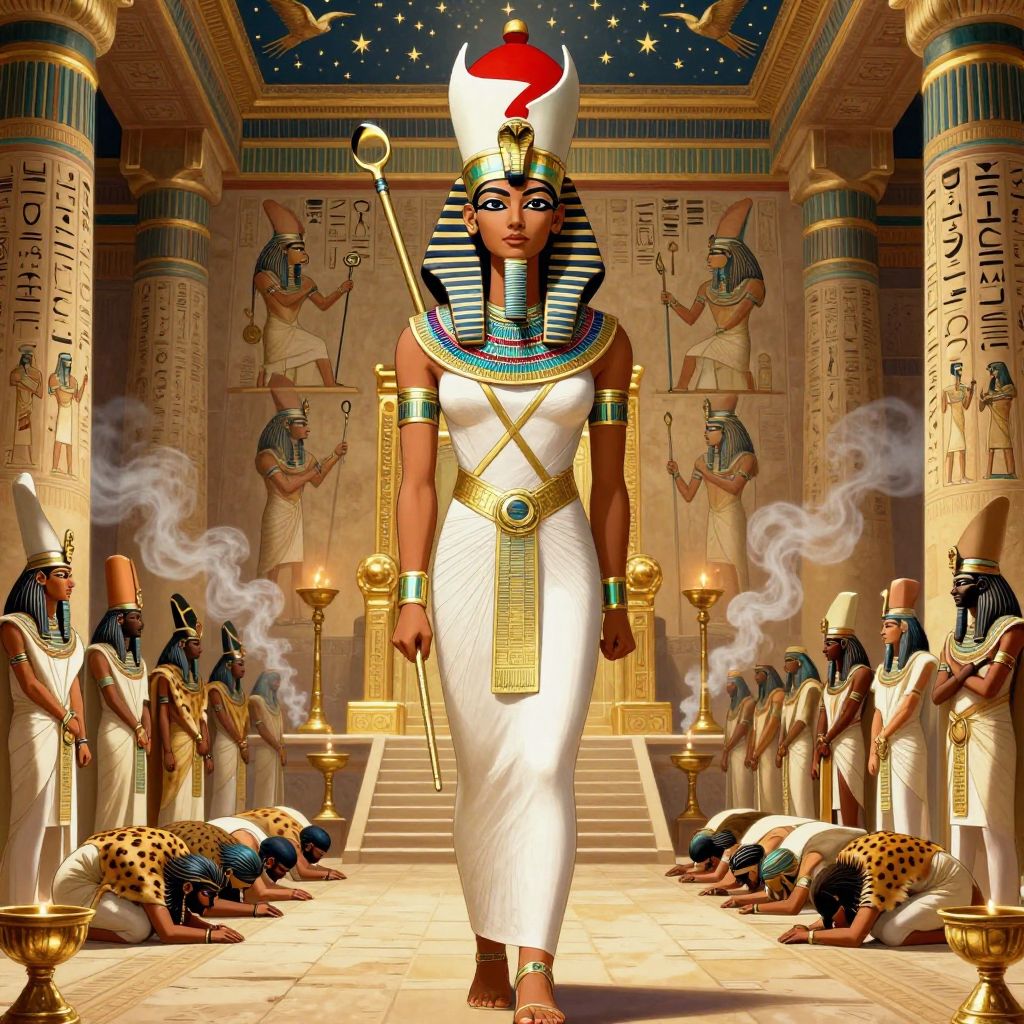
Hatshepsut: The Woman Who Became King
For 22 years, Hatshepsut ruled Egypt as pharaoh—not queen. She wore the false beard, took the throne name Maatkare, and built monuments that still stand. Twenty years after her death, someone tried to erase her from history entirely.
Hatshepsut's Rise to Power: How a Regent Became Pharaoh
In 1479 BCE, Hatshepsut was supposed to keep the throne warm for a child king. Seven years later, she wore the double crown herself. Here's how a royal widow rewrote the rules of Egyptian kingship.
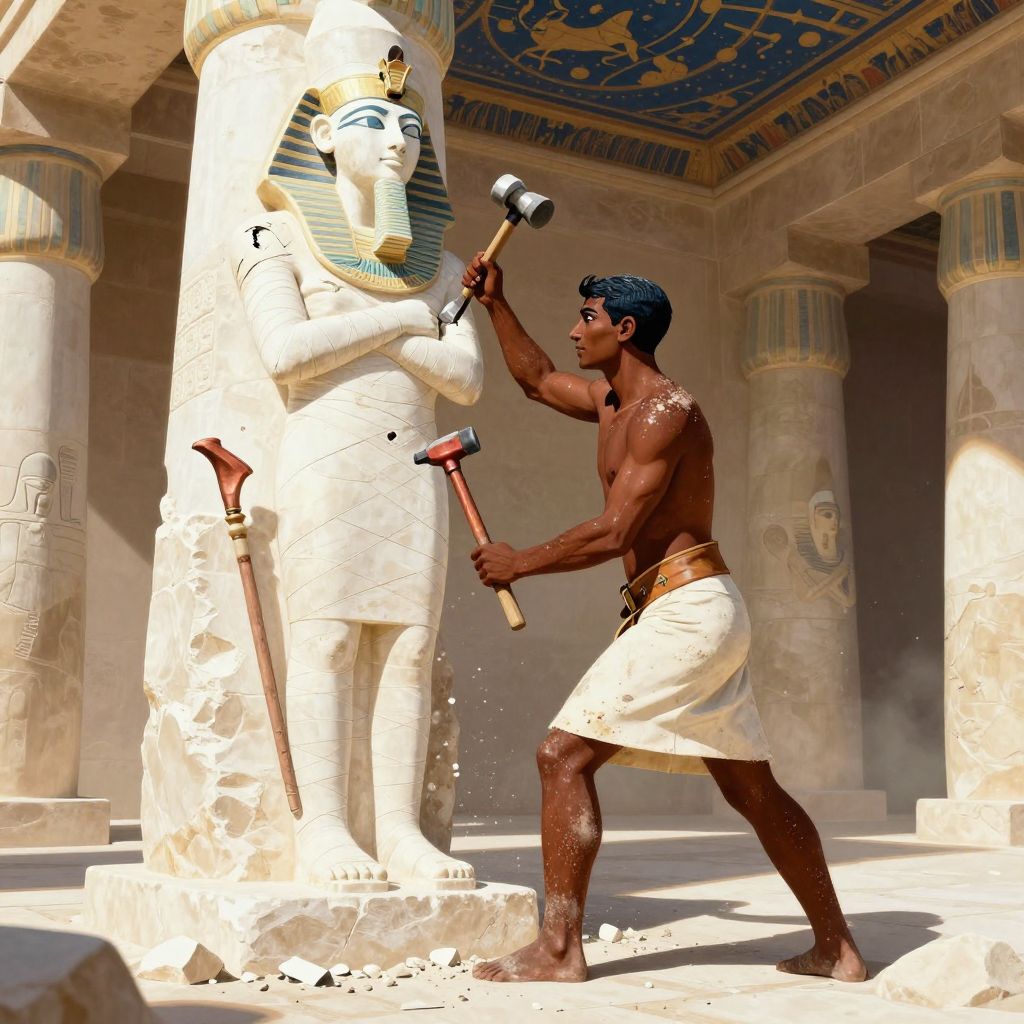
The Erasure of Hatshepsut: When Egypt Tried to Kill a Soul
Twenty years after Hatshepsut died, workers arrived at her monuments with chisels. They weren't just removing her name from history — in Egyptian belief, they were destroying her chance at eternal life.
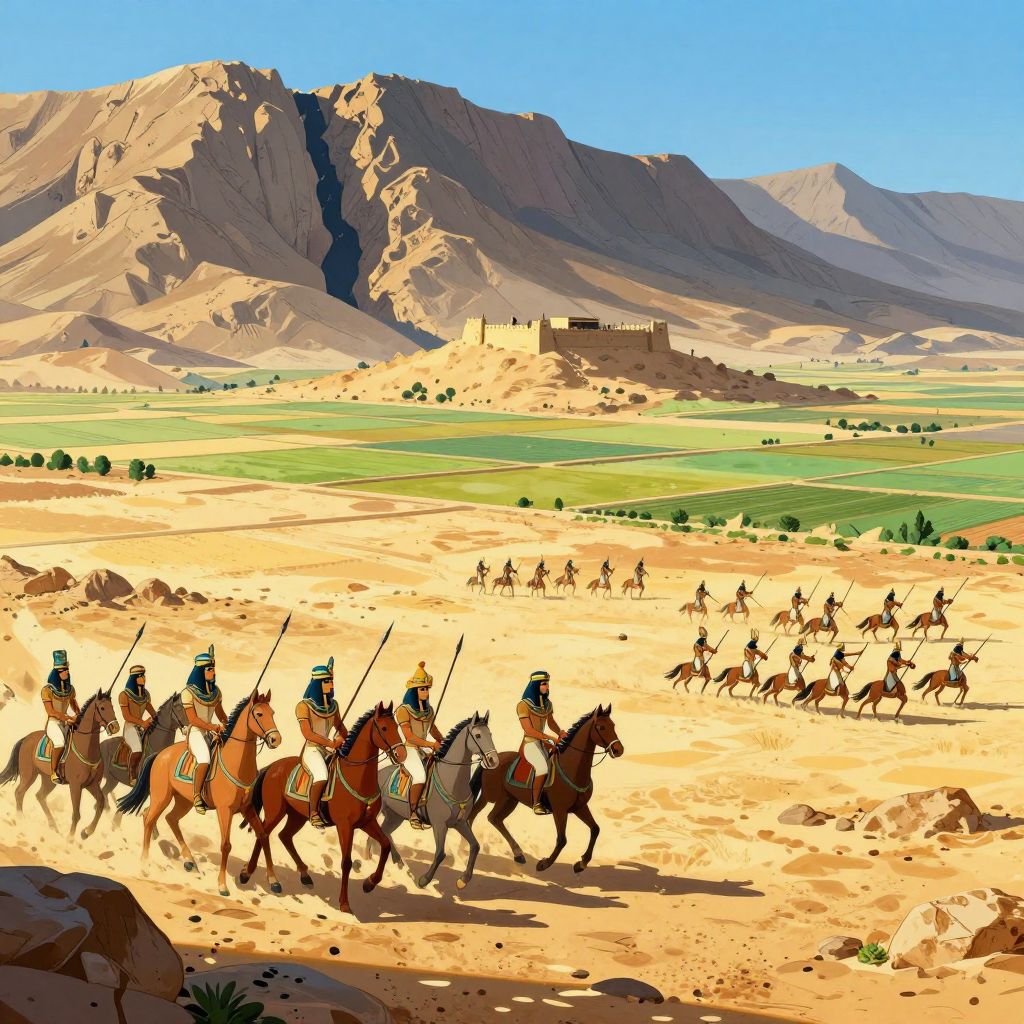
Battle of Megiddo (1457 BCE): History's First Documented Battle
Thutmose III's decisive victory at Megiddo established Egyptian dominance in the Near East and gave us history's first detailed battle records. Learn about the daring mountain pass gamble that caught the Canaanite coalition off guard.

Romulus and Remus: The Founding of Rome
The legendary tale of twin brothers raised by a wolf who founded the city of Rome. Discover the myth, the murder, and the birth of the world's greatest empire.
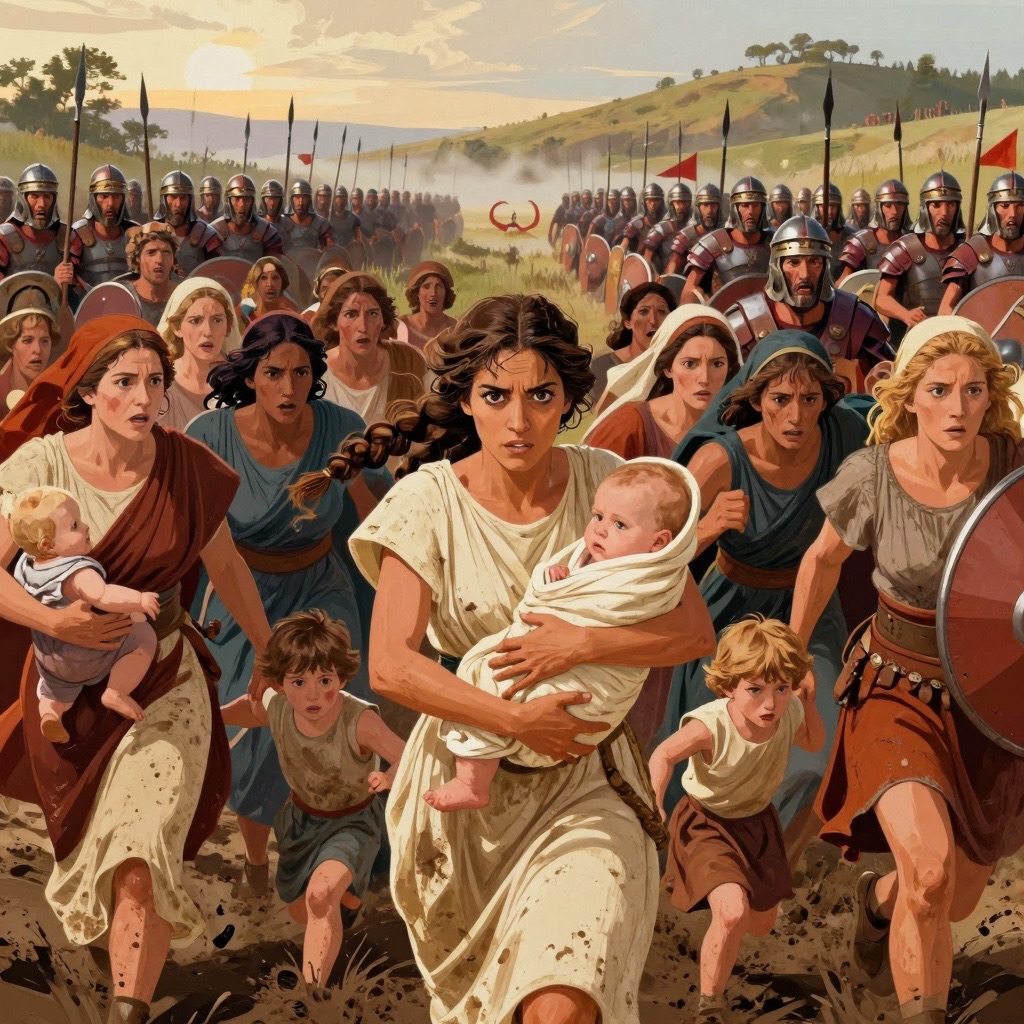
The Rape of the Sabine Women: Rome's Foundational Crime
In 753 BCE, Romulus orchestrated the mass abduction of women from the neighboring Sabine tribe. The event sparked a war, a betrayal, and a peace that merged two peoples into one city.
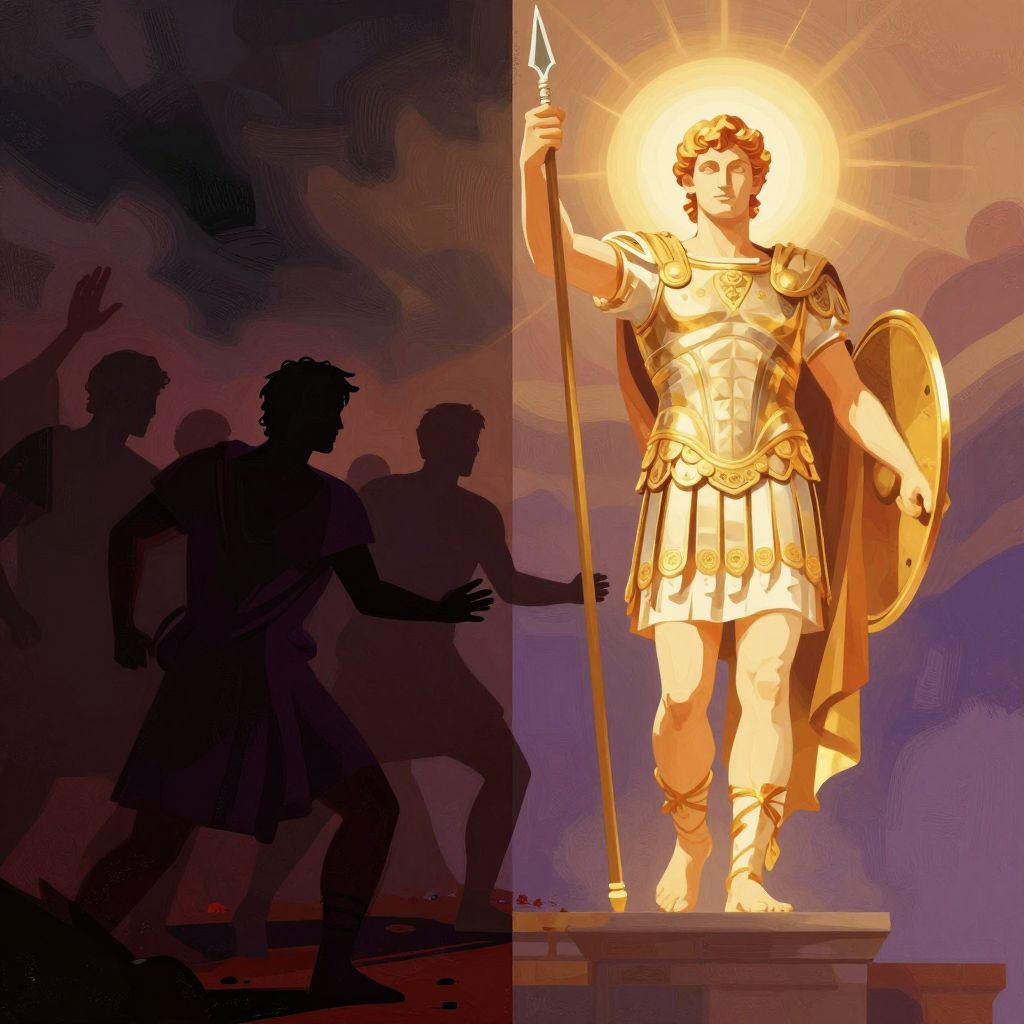
The Death of Romulus: Murder, Storm, and Divine Transformation
In 717 BCE, Rome's founder vanished during a violent storm. Ancient sources tell conflicting stories: divine ascension or brutal assassination? The truth reveals Rome's dangerous power dynamics.
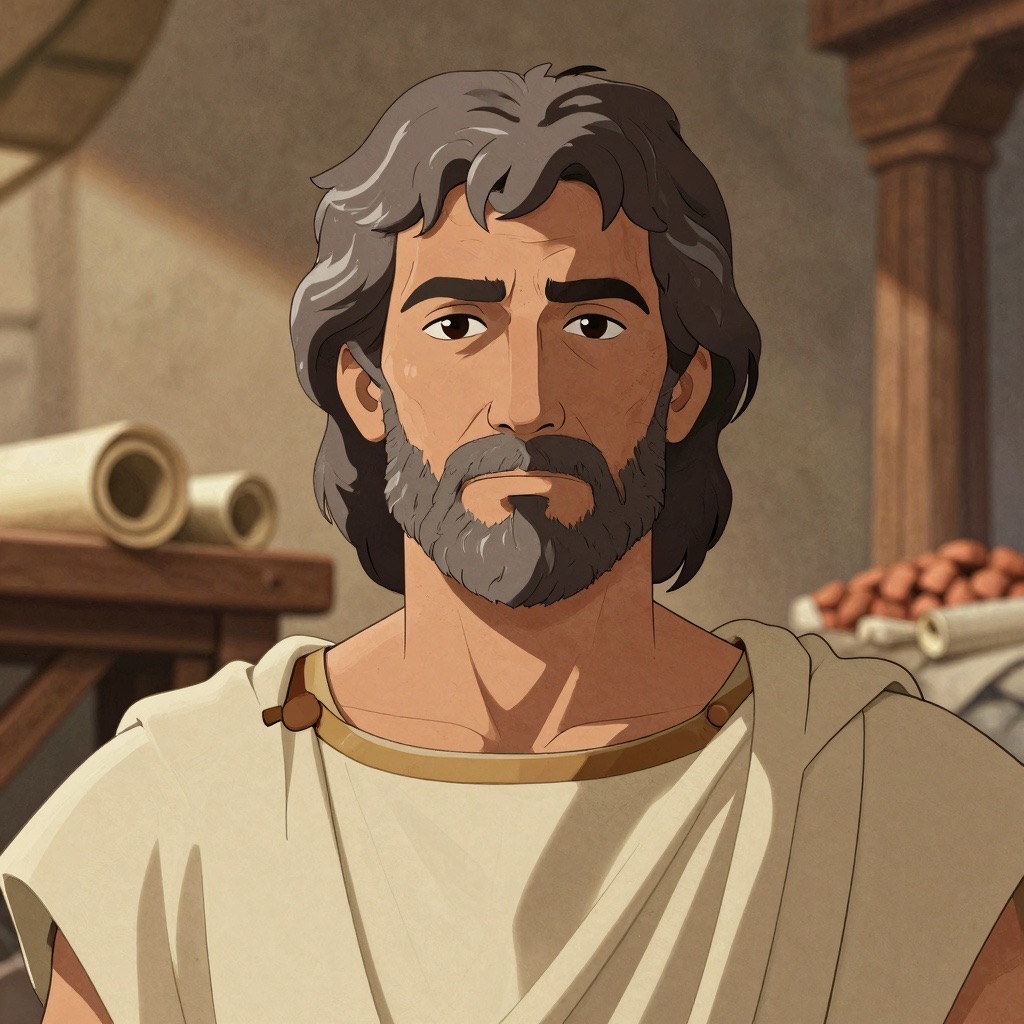
Numa Pompilius: The Philosopher-King Who Gave Rome Its Soul
When Rome's warlike founder vanished, the Senate chose a man who didn't want the job. Numa Pompilius ruled for 43 years without a single war, building the religious foundations that would define Roman civilization for a millennium.
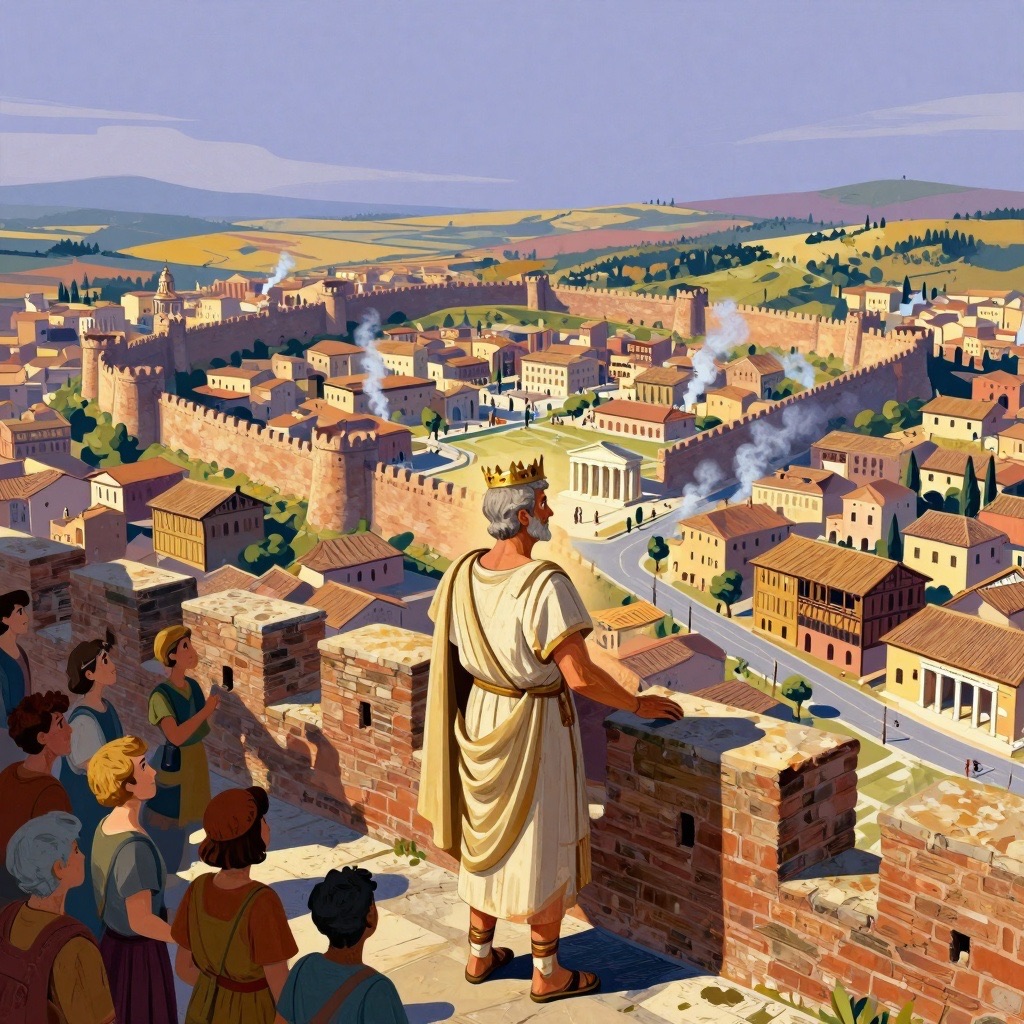
Servius Tullius: The Slave Who Became King and Transformed Rome
How a servant's son rose to become Rome's sixth king, revolutionized Roman society through constitutional reforms, and met a brutal end at the hands of his own family. The tragic story of Rome's greatest reformer.
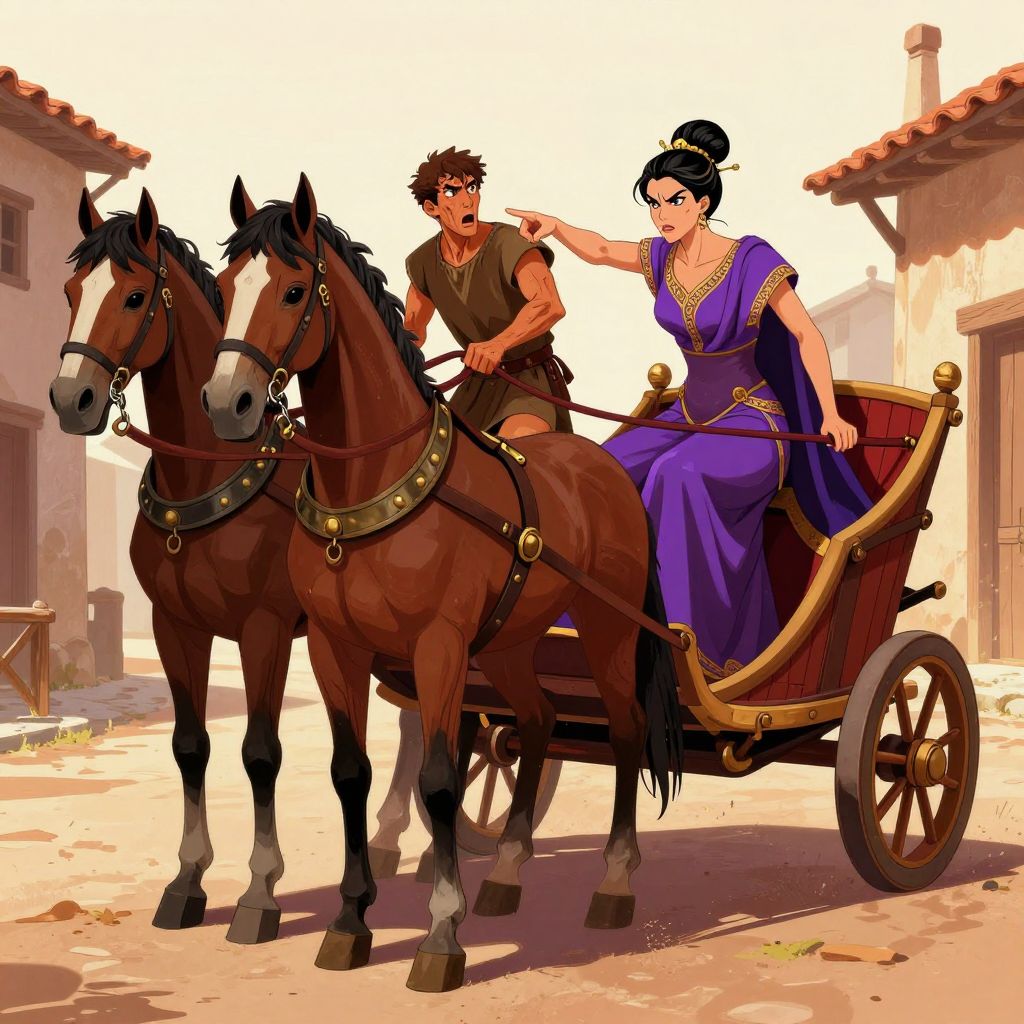
Tarquinius Superbus: Rome's Last King and the Birth of the Republic
How Lucius Tarquinius Superbus seized power through murder, ruled as a tyrant for 25 years, and lost everything when his son assaulted a noblewoman. The fall of Rome's monarchy.
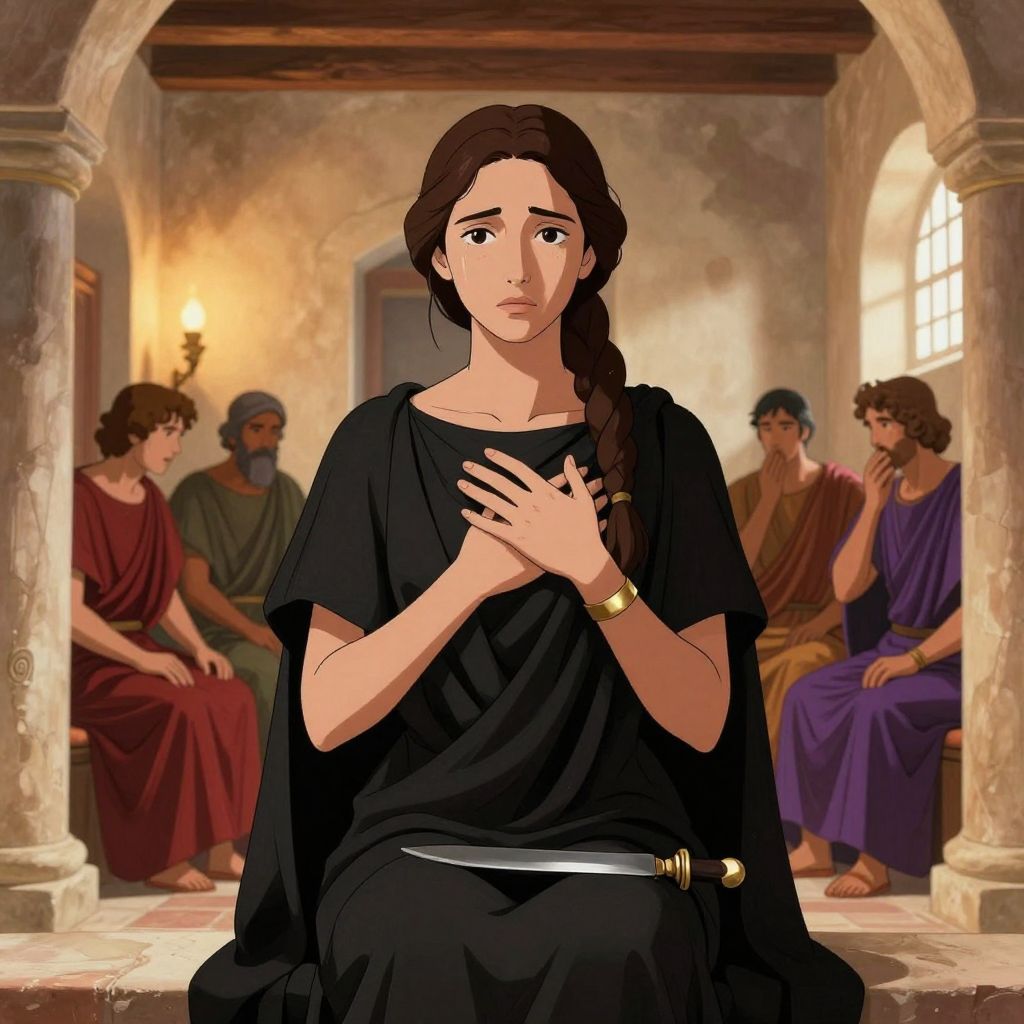
The Story of Lucretia: The Rape That Ended Rome's Monarchy
How Lucretia's death in 509 BCE triggered a revolution that abolished the Roman kings. The calculated martyrdom that launched the Roman Republic.
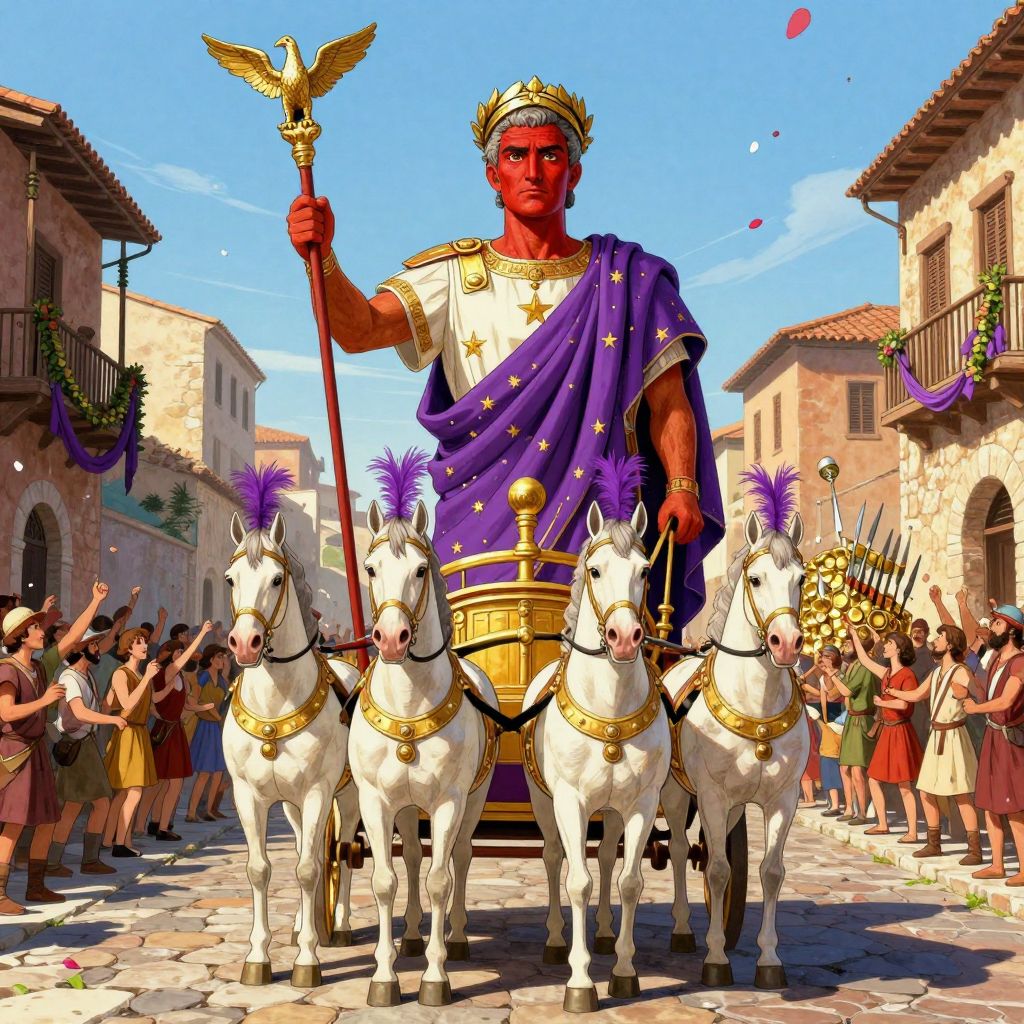
The Roman Triumph: Glory, Humiliation, and the Price of Victory
For one day, a Roman general could become a god. Face painted red, dressed in Jupiter's regalia, he rode through Rome in a golden chariot. But behind the glory lurked a darker truth about what victory cost.
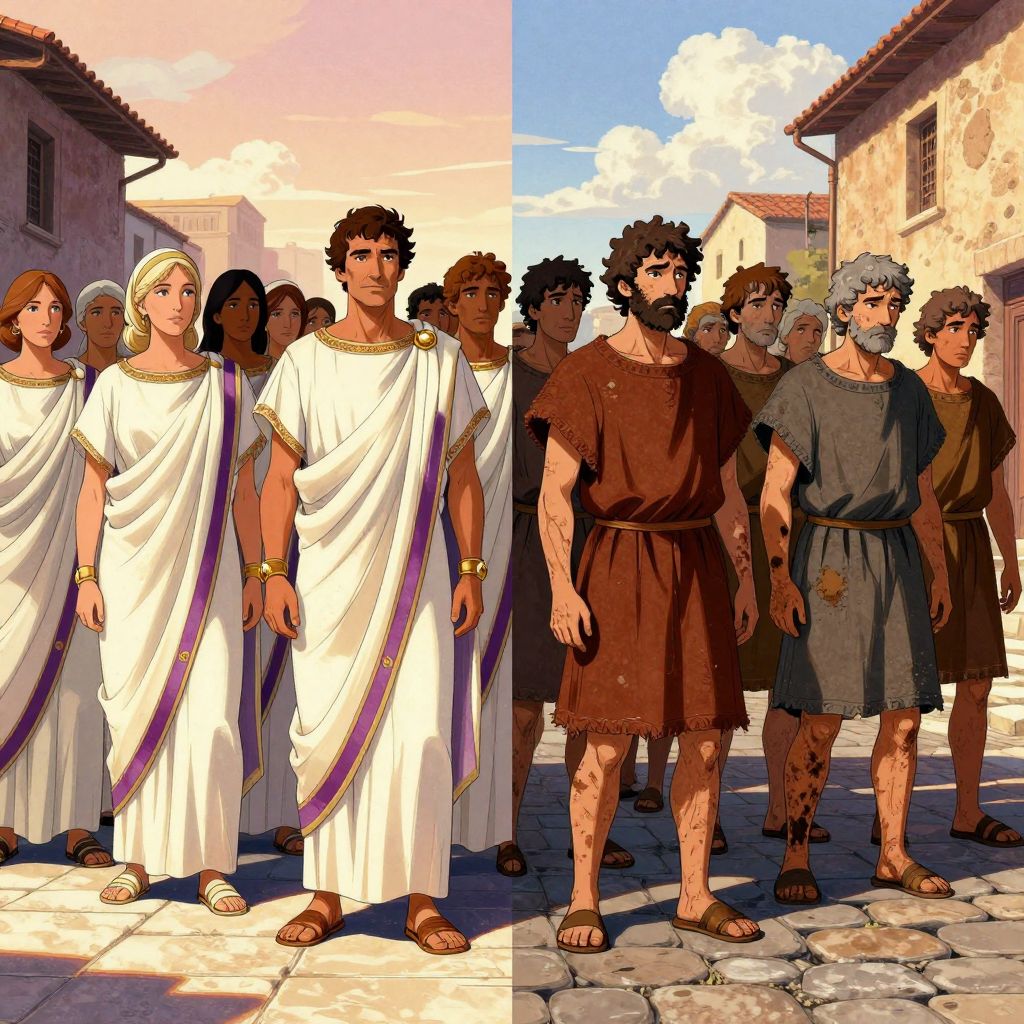
The First Secession of the Plebs: Rome's Original General Strike
In 494 BCE, every baker, farmer, and soldier walked out of Rome overnight. The city's elite woke to empty streets and a terrifying silence. This is how Rome's common people invented the general strike and won political power through sheer refusal.
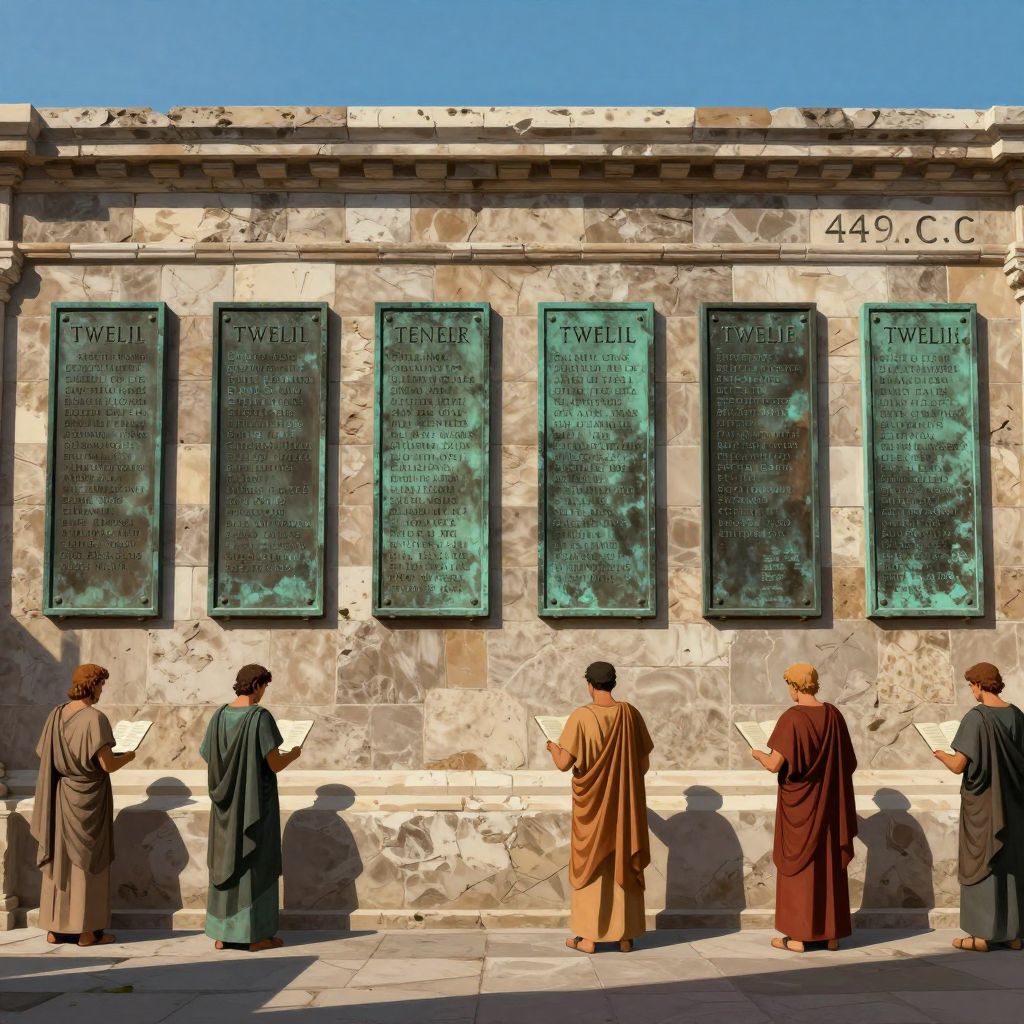
The Twelve Tables: Rome's First Written Law Code
In 451-450 BCE, Rome carved its laws into bronze for the first time. The Twelve Tables ended centuries of patrician legal manipulation and became the foundation of Western law.
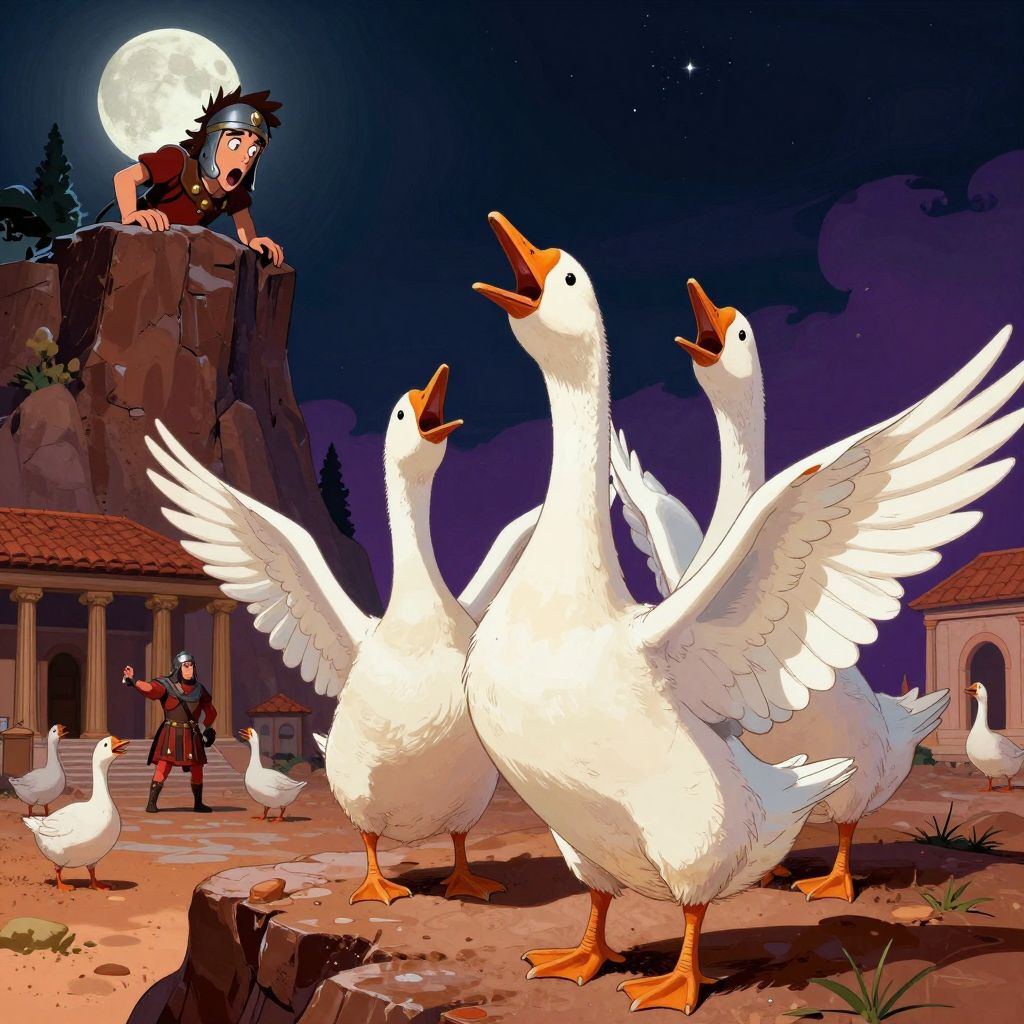
The Sack of Rome (390 BCE): Vae Victis
In 390 BCE, Gallic warriors burned Rome to the ground and demanded gold for ransom. When Romans complained about rigged scales, Brennus threw his sword on the weights: 'Woe to the vanquished.'
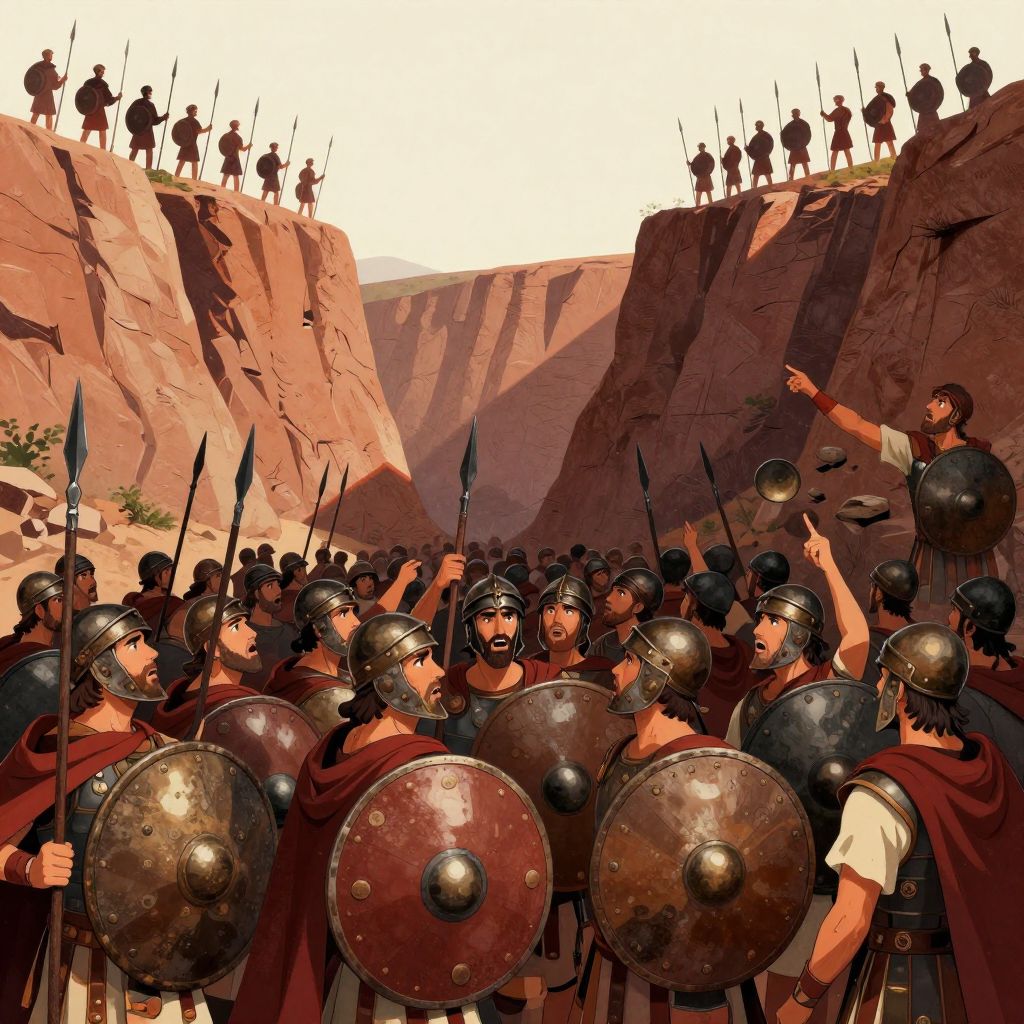
The Battle of Caudine Forks: Rome's Greatest Humiliation
In 321 BCE, an entire Roman army surrendered without a fight, forced to crawl beneath the yoke while Samnite warriors watched and laughed. This humiliation shaped Rome's character for centuries.
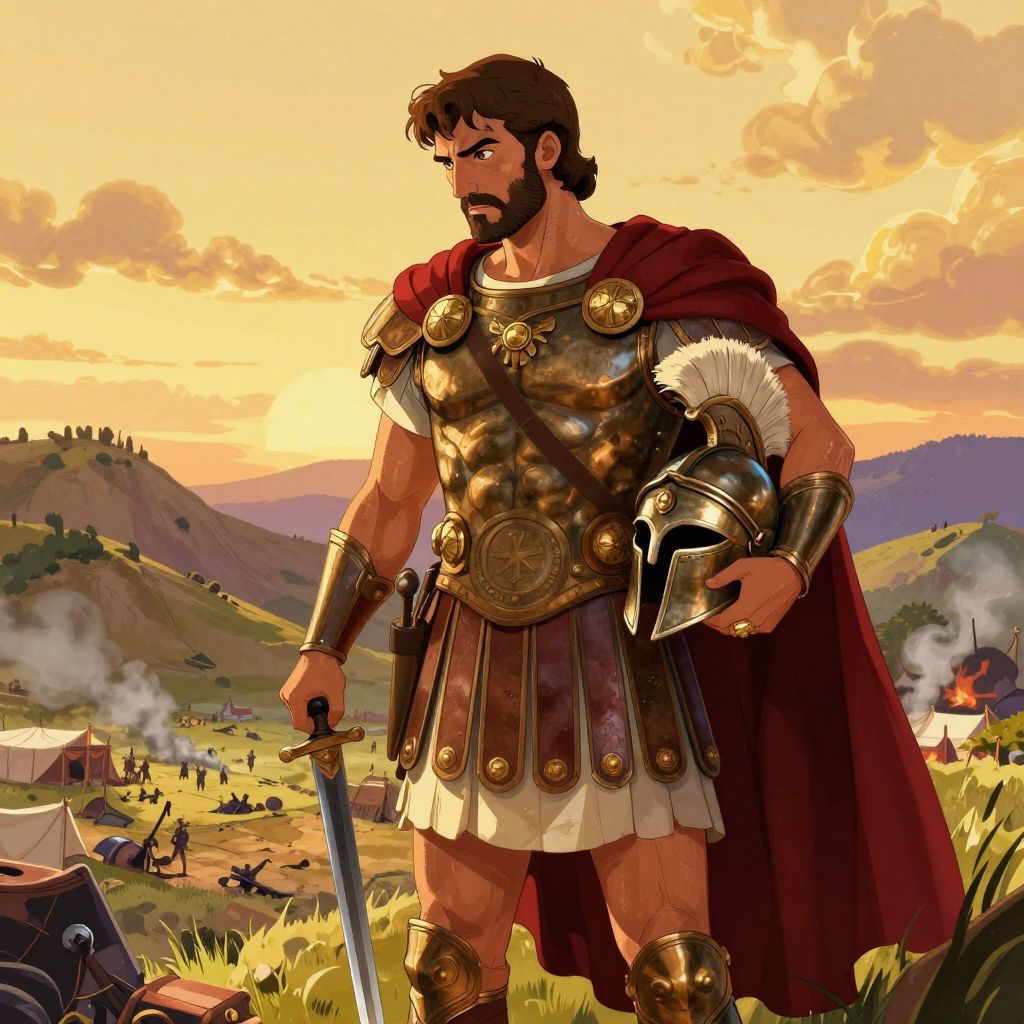
Pyrrhic Victory: The King Who Won Himself to Death
280 BCE. King Pyrrhus of Epirus crushed Rome at Heraclea and Asculum. He won both battles. Rome sent more legions. 'One more such victory,' he said, 'and I am undone.' The phrase that outlasted his empire.
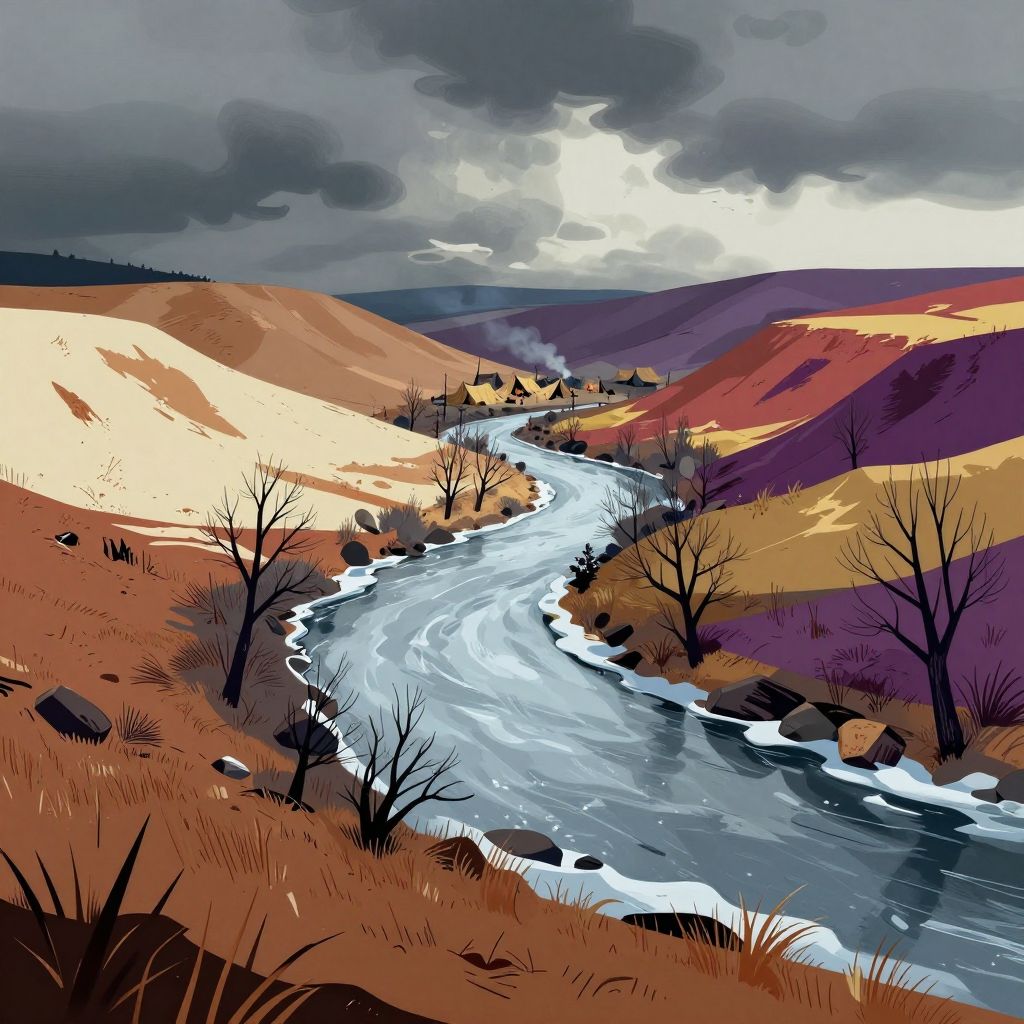
Battle of Trebia: Hannibal's First Victory in Italy
In December 218 BCE, Hannibal Barca destroyed a Roman army of 40,000 men at the Trebia River. Cold, hunger, and tactical genius combined to deliver Rome's first major defeat in the Second Punic War.
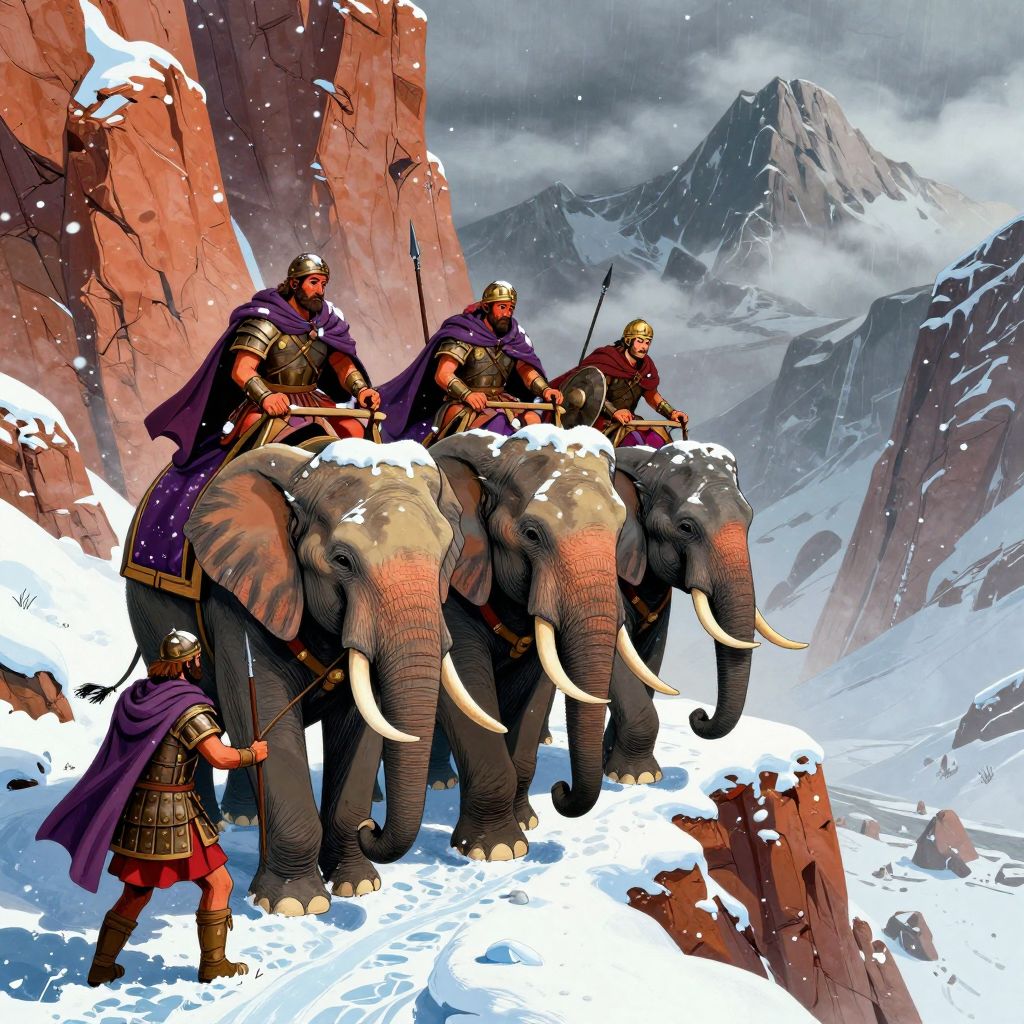
Hannibal Crossing the Alps: The March That Changed History
In 218 BCE, Hannibal Barca led 50,000 soldiers and 37 elephants across the Alps into Italy. He lost half his army to the mountains. Then he started winning.

The Battle of Lake Trasimene: The Largest Ambush in Military History
On June 21st, 217 BCE, Hannibal Barca lured an entire Roman army into a fog-shrouded deathtrap. 15,000 Romans died in three hours. The consul never saw the attack coming.
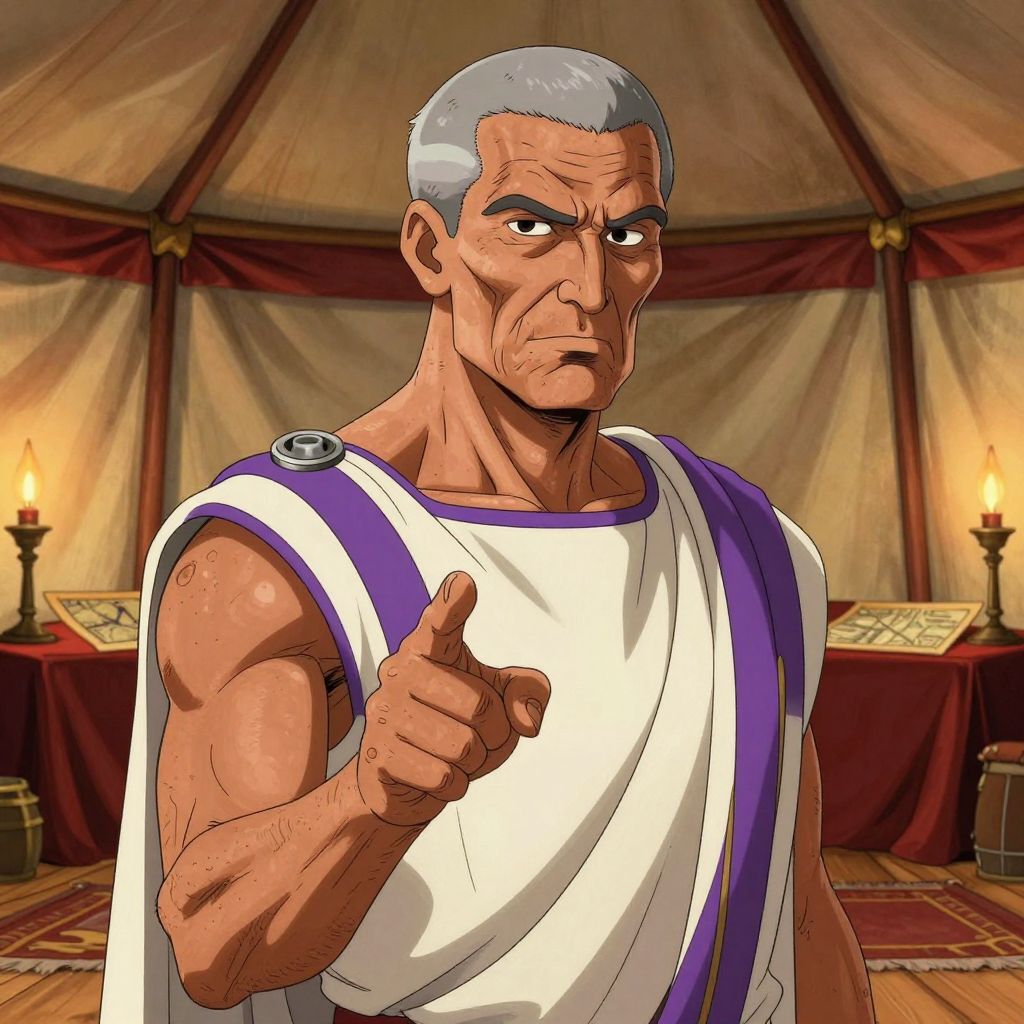
The Fabian Strategy: How Doing Nothing Saved Rome
After Hannibal slaughtered 70,000 Romans at Cannae, one old man's 'cowardly' strategy of refusing to fight became Rome's only hope. Quintus Fabius Maximus was called a disgrace. History proved him right.
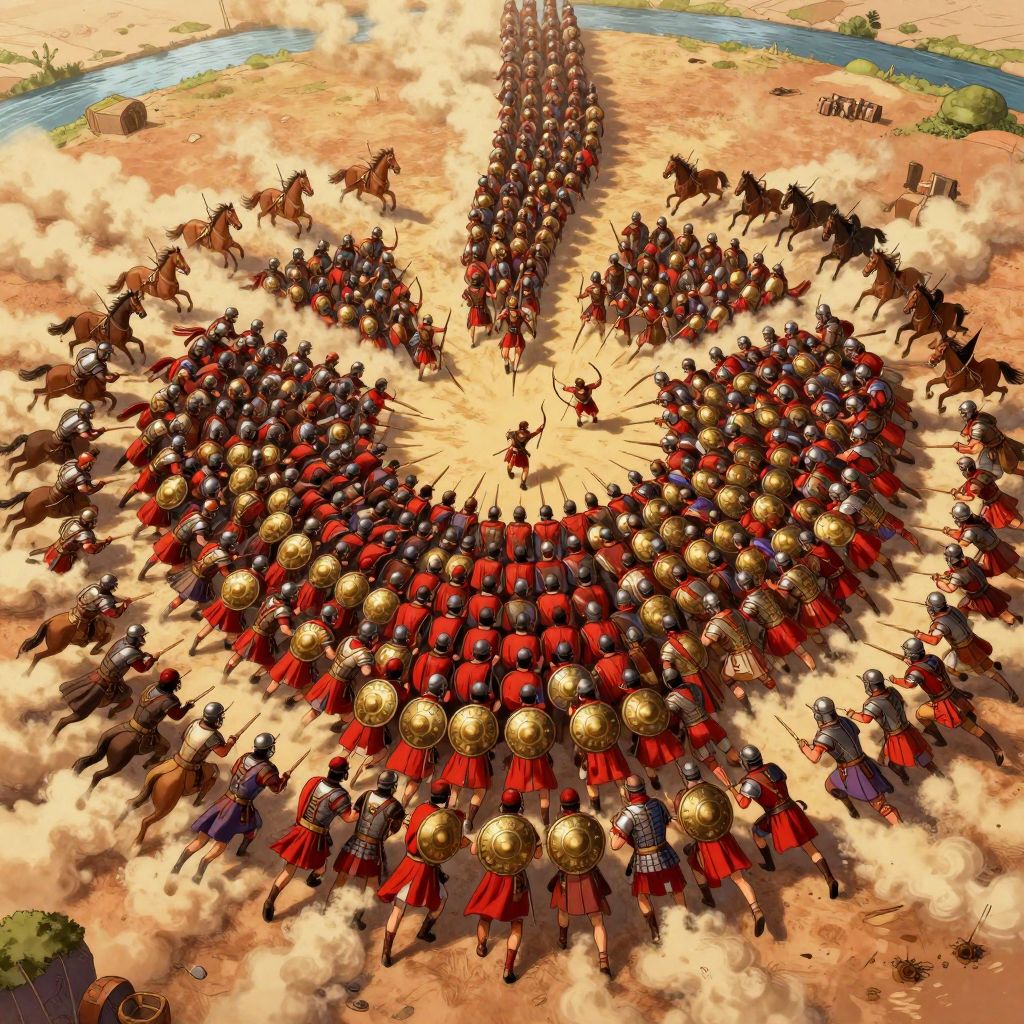
Battle of Cannae: Rome's Worst Defeat
Learn how Hannibal Barca destroyed the largest Roman army ever assembled in a single day. The Battle of Cannae (216 BCE) remains one of history's most studied military disasters.
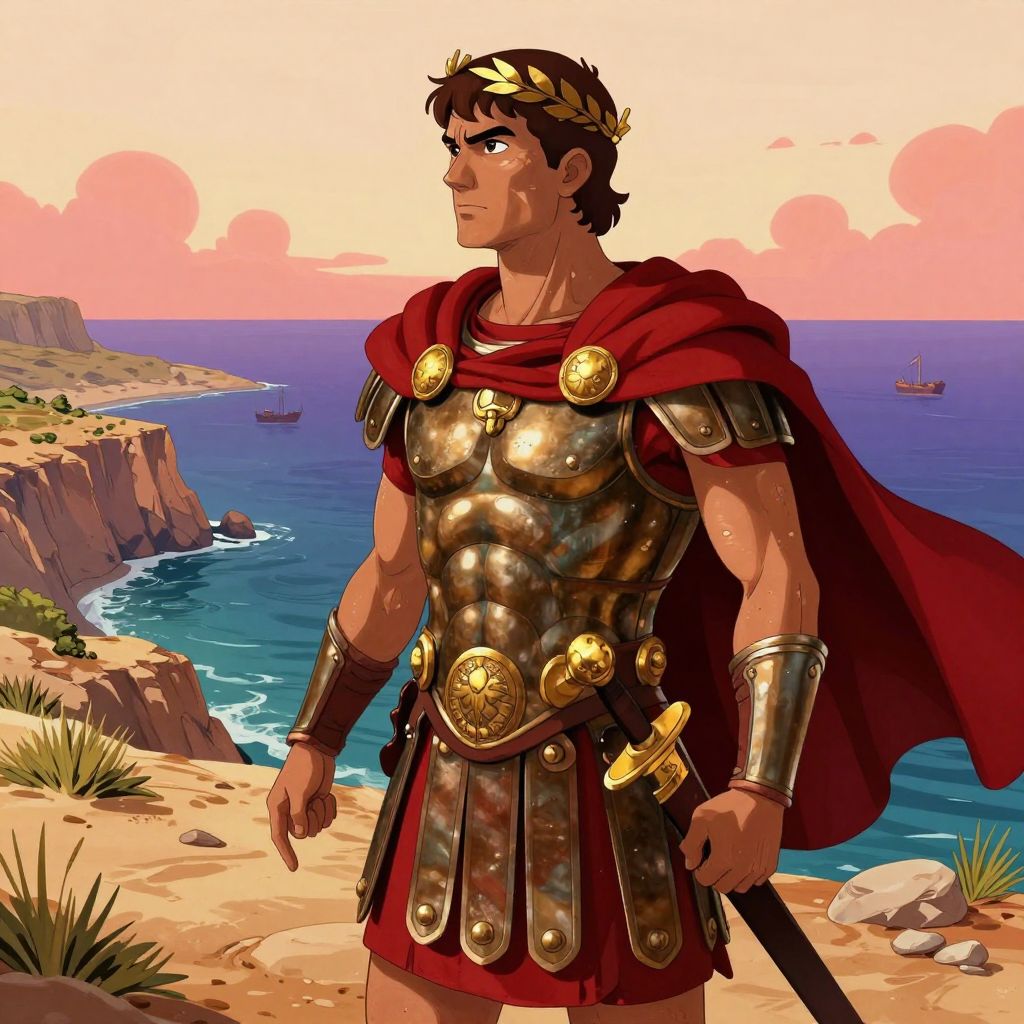
The Battle of Zama: How Rome Finally Defeated Hannibal
In October 202 BCE, Scipio Africanus used Hannibal's own tactics against him at the Battle of Zama, ending the seventeen-year Second Punic War and establishing Roman dominance over the Mediterranean.
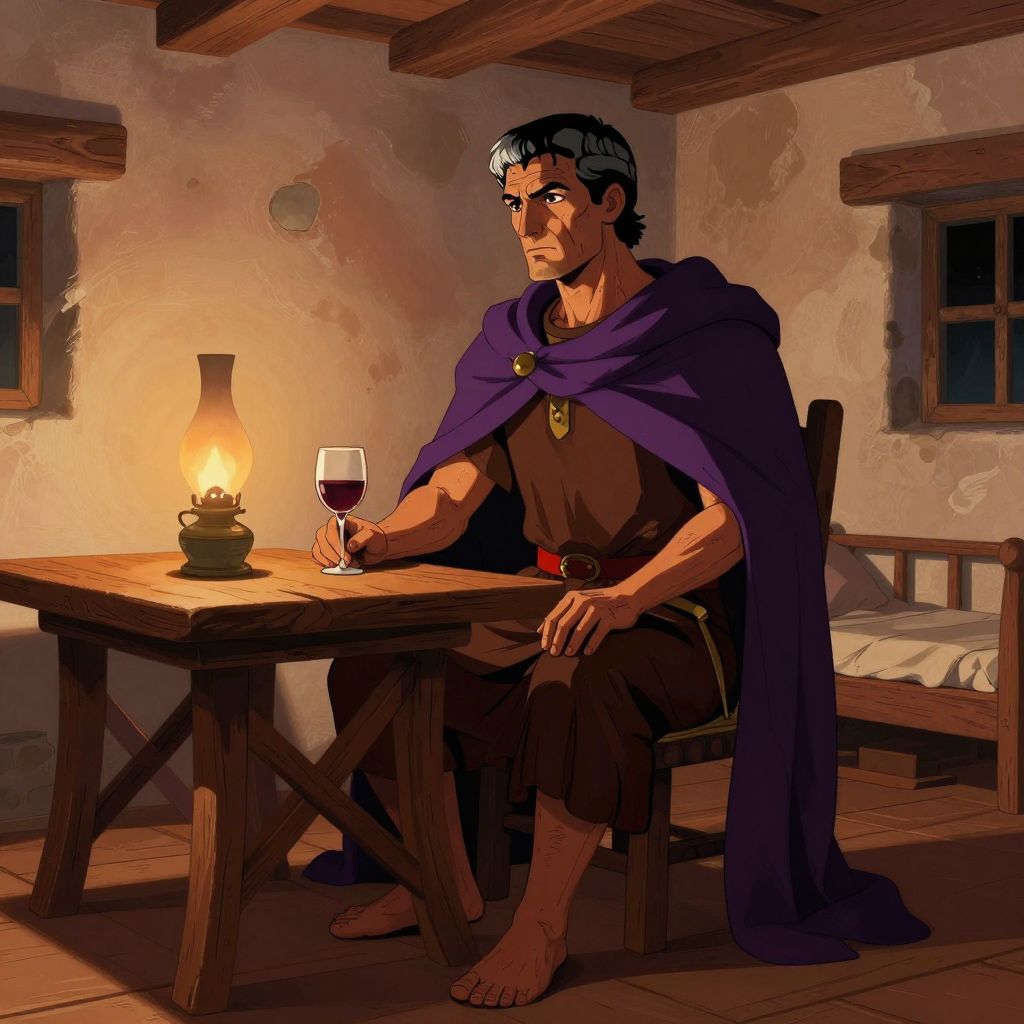
The Death of Hannibal Barca: Rome's Longest Hunt Ends
In 183 BCE, after 12 years of exile and running from Roman agents, Hannibal Barca took poison rather than be captured. He was 64 years old. Rome's nightmare ended by his own hand.
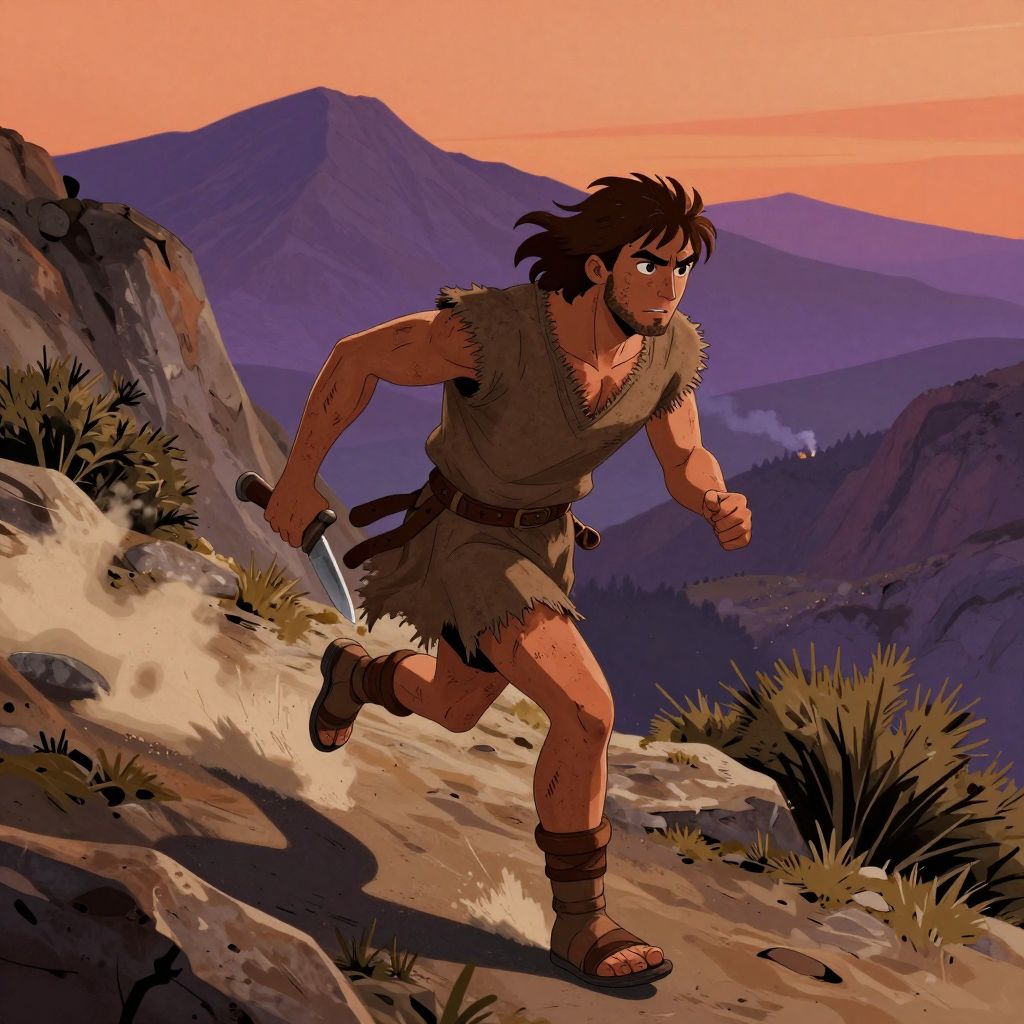
Viriathus: The Shepherd Who Made Rome Pay
In 150 BCE, a Roman governor promised peace to the Lusitanians. Then he slaughtered them. One survivor escaped with a knife. Eight years later, Rome needed three traitors and a dark tent to stop him.
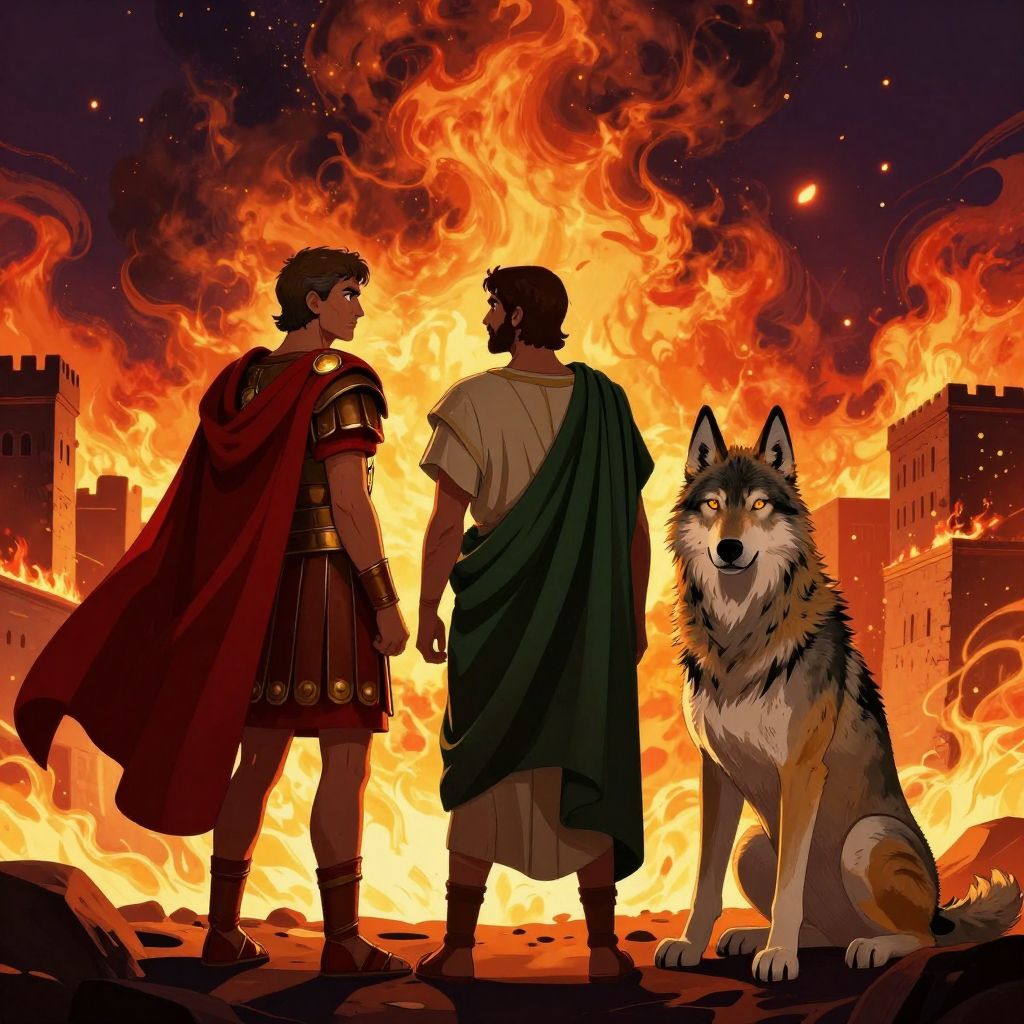
Destruction of Carthage: The End of Rome's Greatest Enemy
In 146 BCE, Rome erased Carthage from existence. After a brutal three-year siege, Scipio Aemilianus burned the city and sold its survivors into slavery. The Third Punic War ended not with surrender, but with annihilation.
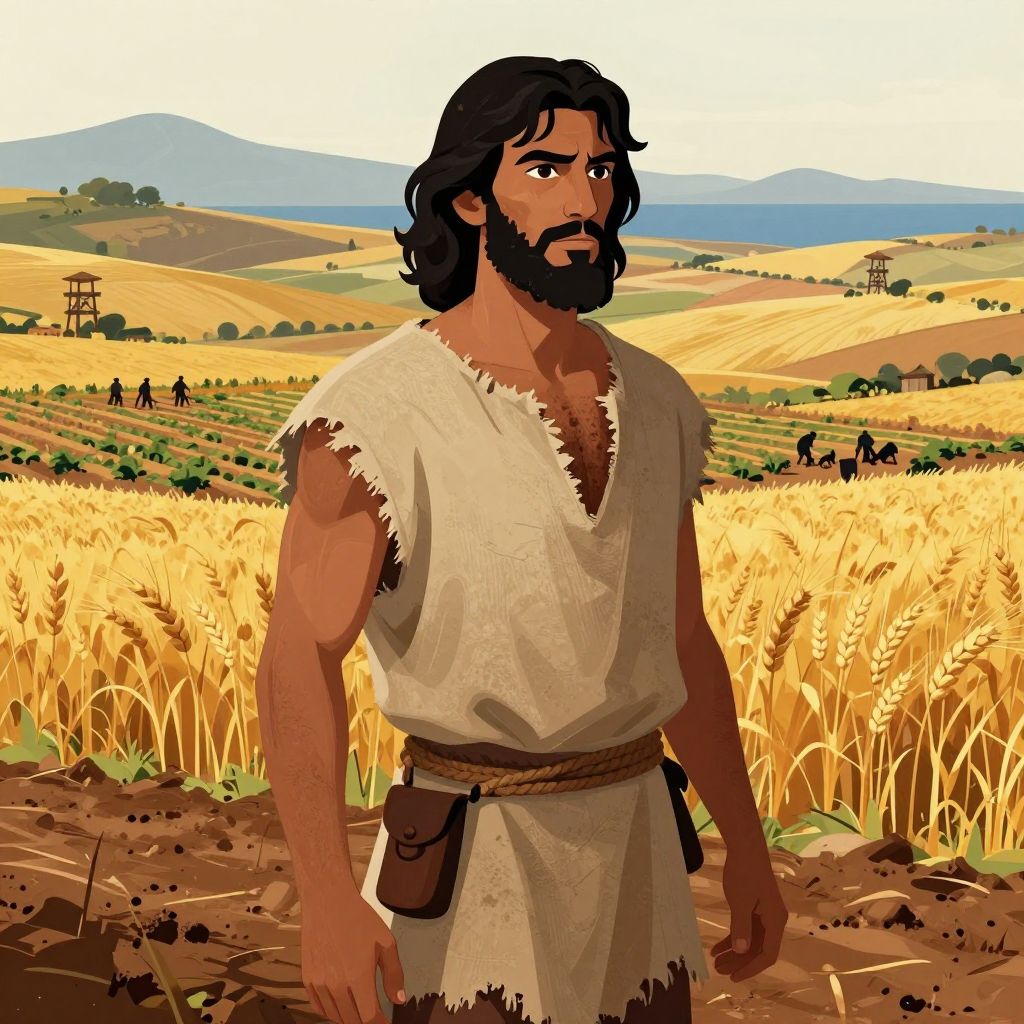
The First Servile War: Eunus and the Slave Kingdom of Sicily
In 135 BCE, a Syrian slave named Eunus convinced 400 men he could breathe fire. Within months, 70,000 slaves followed him. For three years, they held Sicily against Rome's legions. Twenty thousand would die on crosses.
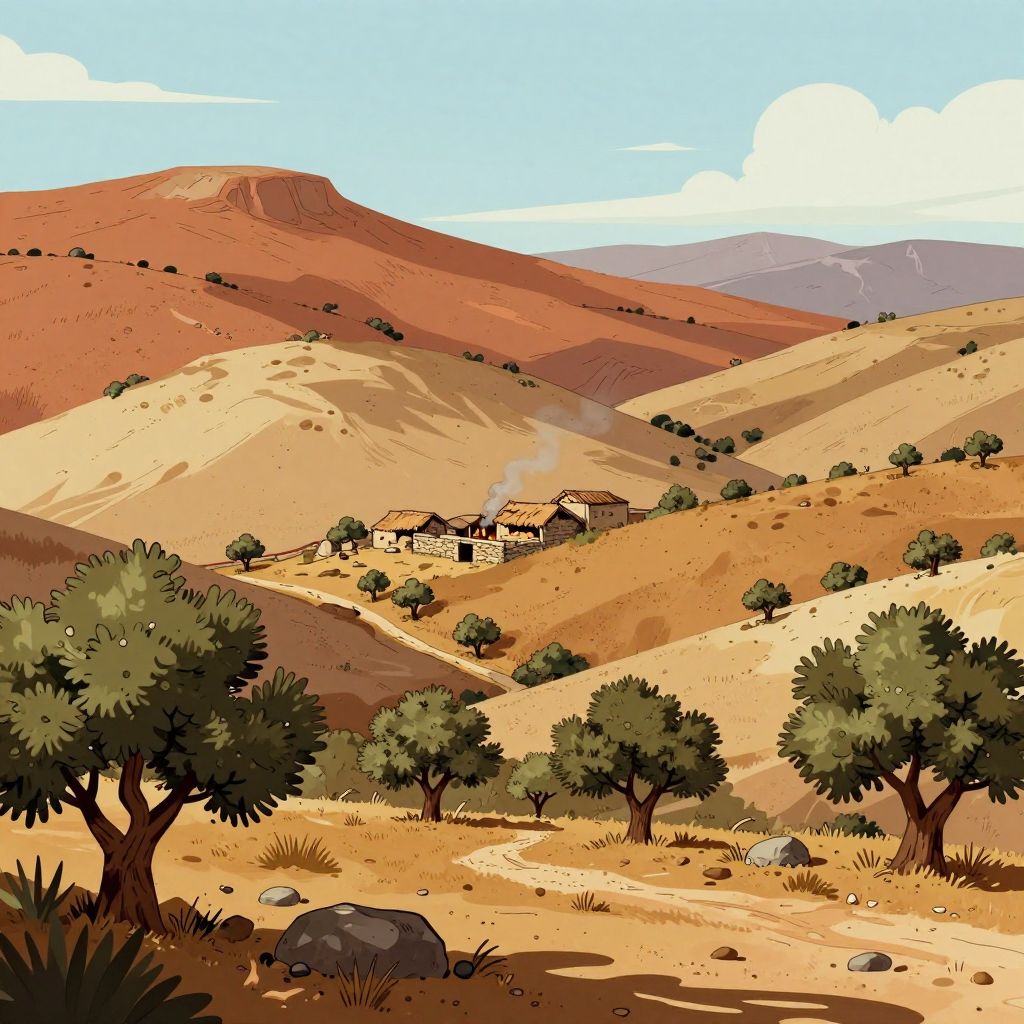
The Siege of Numantia: The City That Chose Death Over Surrender (134-133 BCE)
For twenty years, a small Celtiberian hill-fort of 4,000 people humiliated Rome's legions. In 133 BCE, when Scipio Aemilianus finally broke them, the survivors burned their city and killed themselves rather than march in chains. Numantia became Spain's Masada.
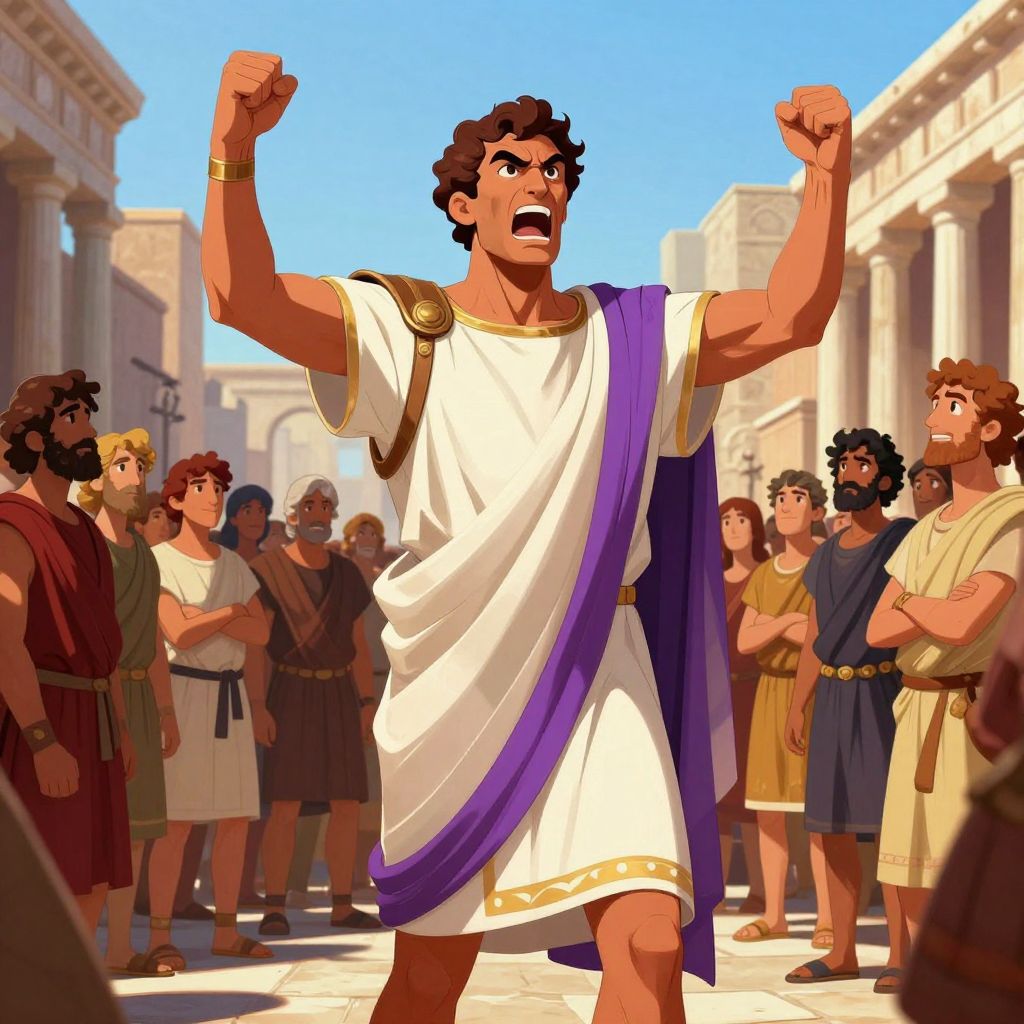
Tiberius Gracchus: The Reformer Who Broke the Republic's Peace
In 133 BCE, three hundred senators beat a tribune to death with chair legs on sacred ground. Tiberius Gracchus had tried to give land to Roman soldiers. The Senate taught him that reform was a death sentence.
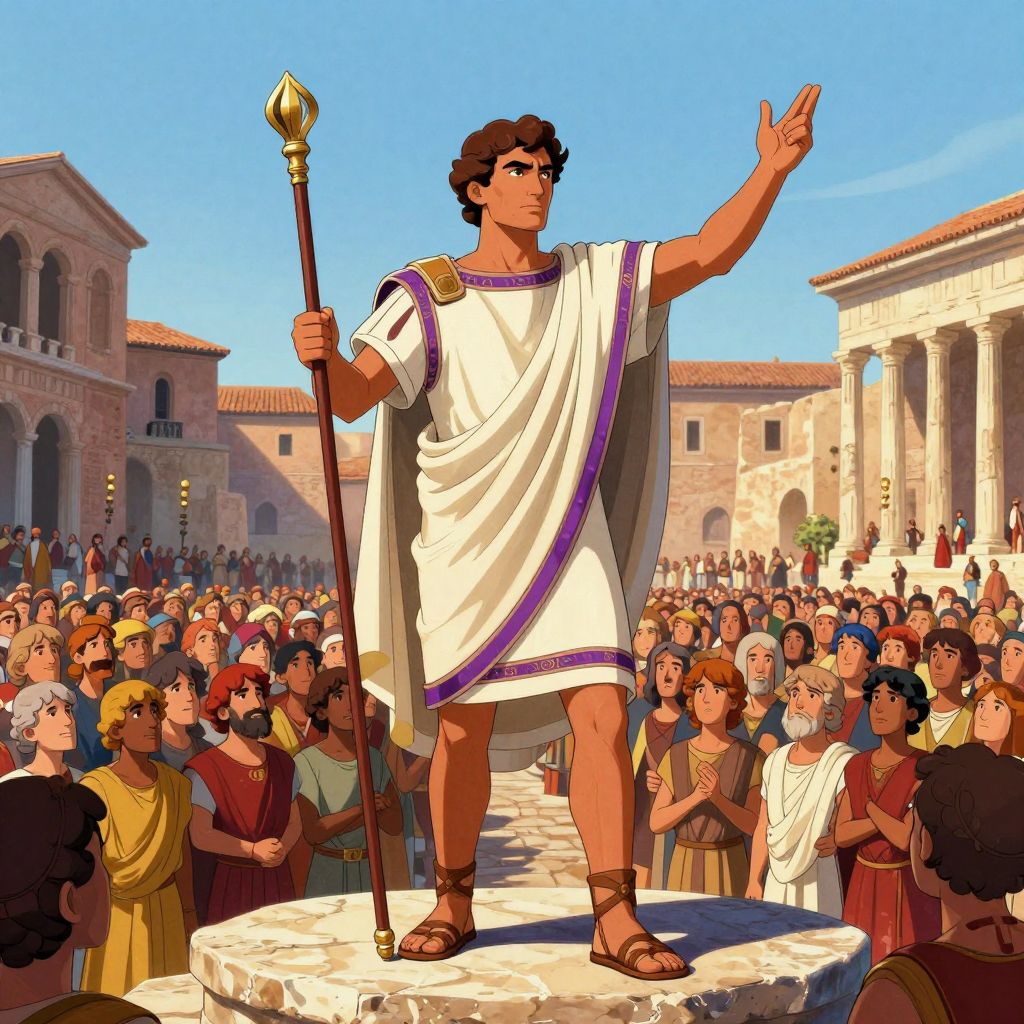
Gaius Gracchus: The Brother Who Chose Revenge Over Survival
Ten years after Rome murdered his brother, Gaius Gracchus returned with something worse than grief: a plan. His reforms would feed the poor and break the Senate. The Senate invented a new weapon to stop him.
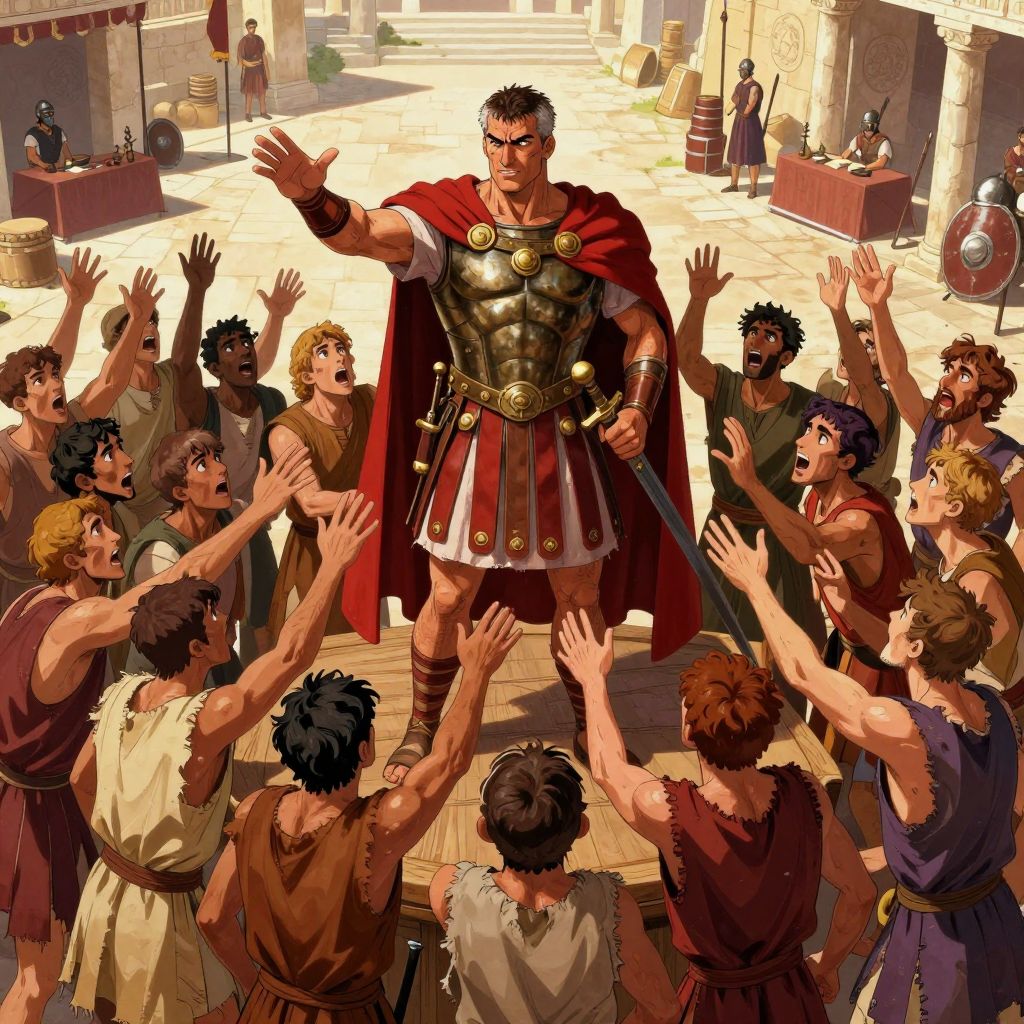
The Marian Reforms: How One General's Desperation Destroyed the Roman Republic
In 107 BCE, Gaius Marius transformed Rome's citizen militia into a professional army. His solution to a military crisis planted the seeds that would eventually bring down the Republic itself.
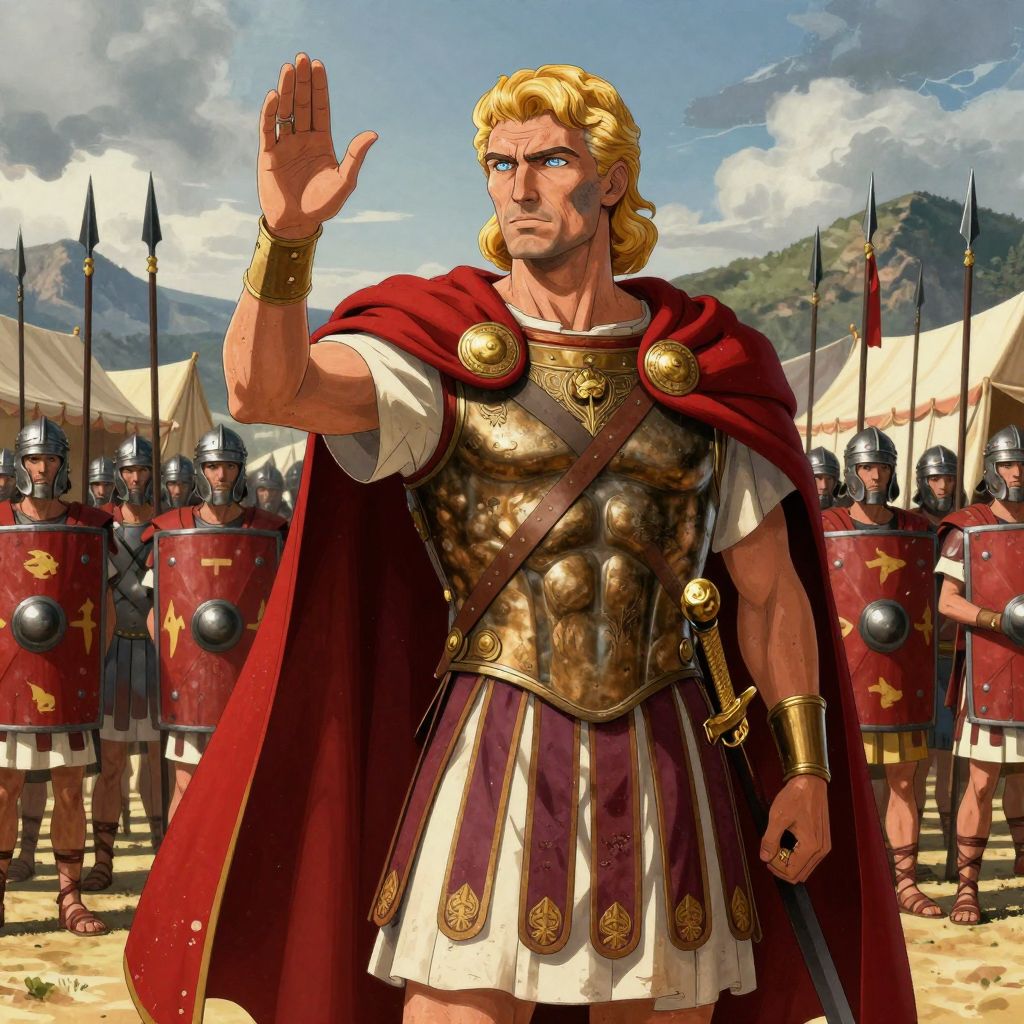
Sulla's March on Rome: The Day the Republic Died
In 88 BCE, Lucius Cornelius Sulla did something no Roman had done in 400 years: he marched his legions against Rome itself. The taboo was broken. The precedent was set. The Republic would never recover.
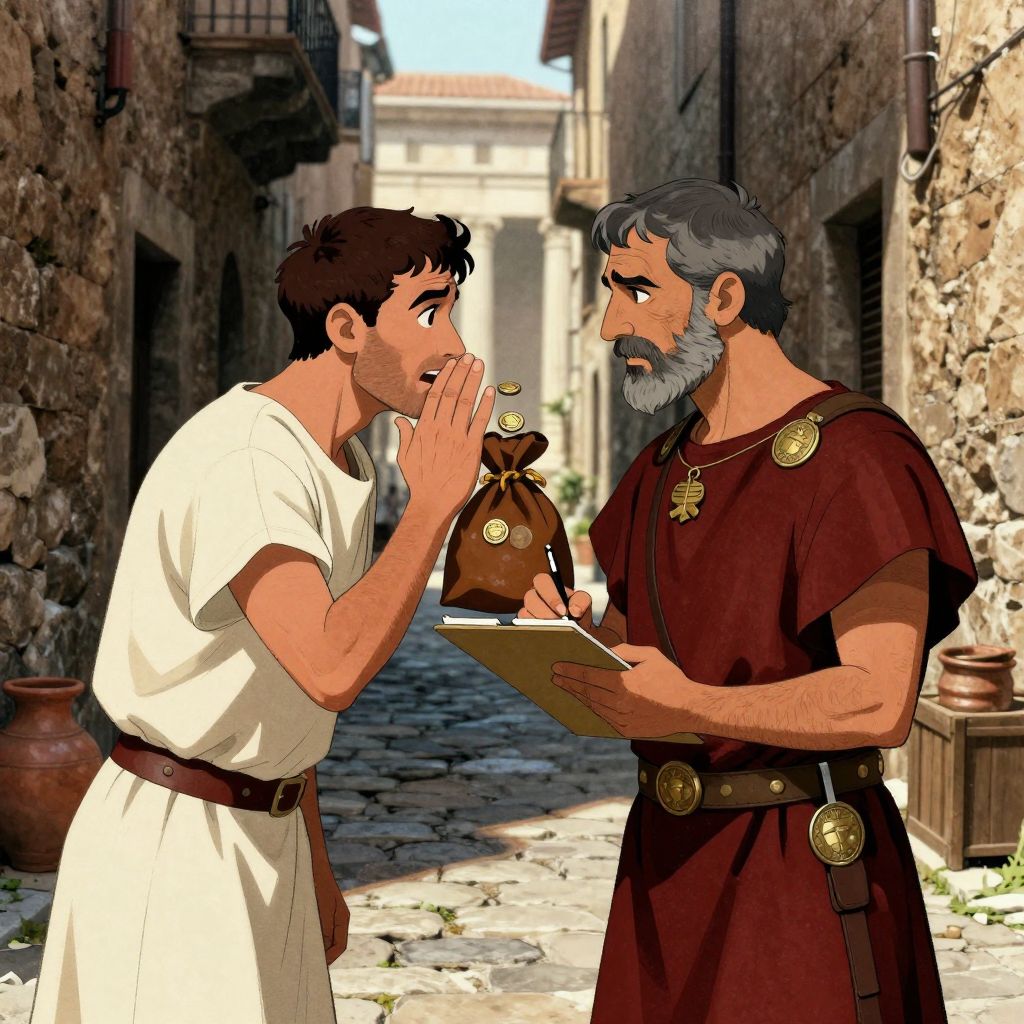
Sulla's Proscriptions: Rome's First Death Lists
In 82 BCE, the dictator Lucius Cornelius Sulla invented bureaucratic murder. Names appeared on wooden boards in the Forum. If yours was there, anyone could kill you and collect a reward. Thousands died. The Republic learned lessons it would never forget.
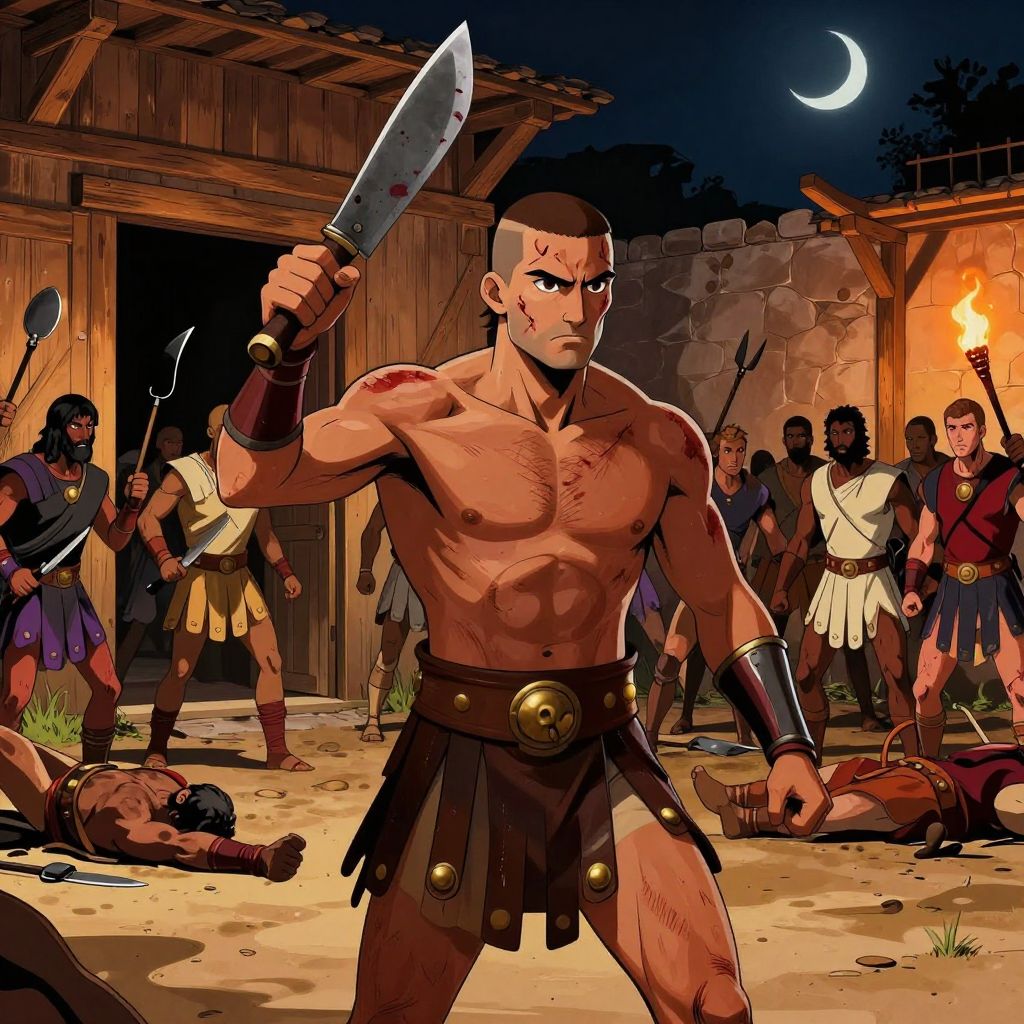
The Spartacus Rebellion: Seventy Gladiators Who Terrified Rome
In 73 BCE, Spartacus escaped from a gladiator school with 70 men armed with kitchen knives. Two years later, 70,000 rebels faced Rome's legions. 6,000 were crucified along 120 miles of road.
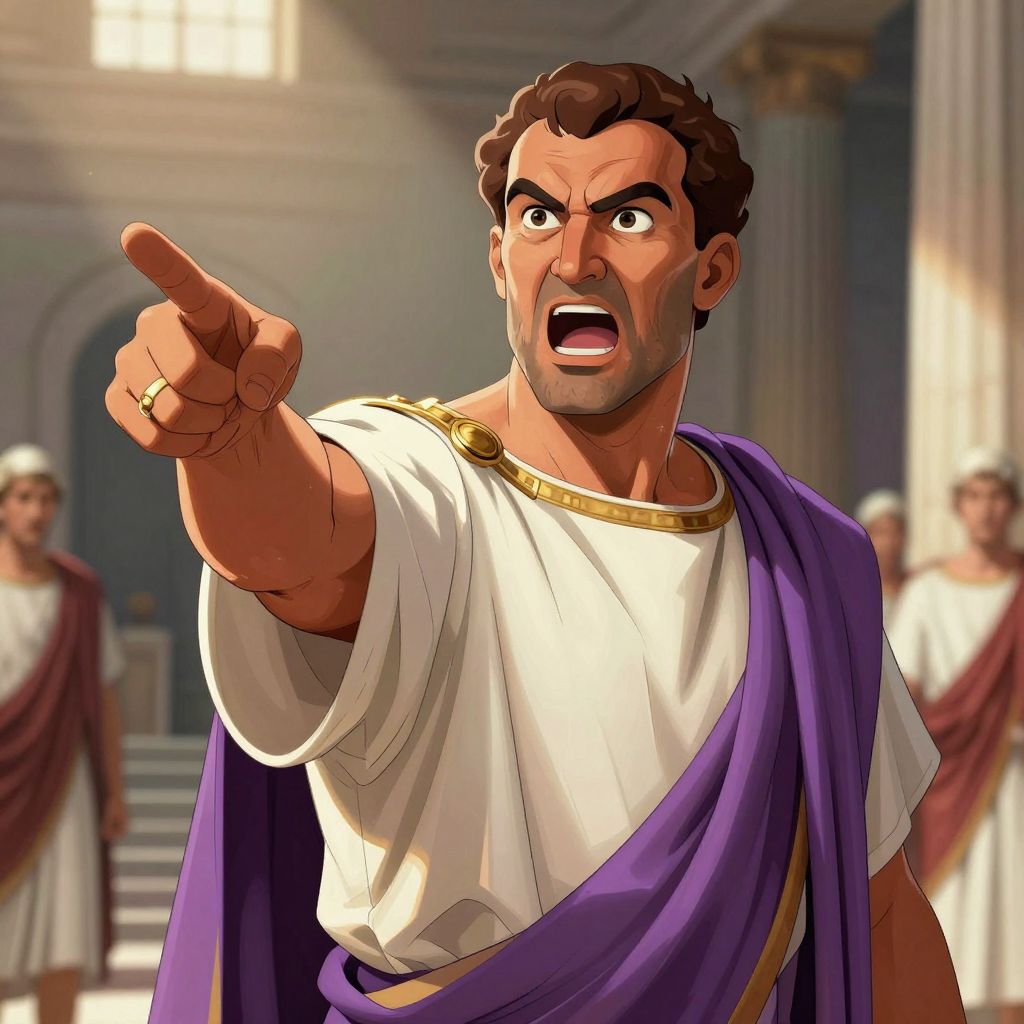
The Catiline Conspiracy: When Cicero Saved the Republic
In 63 BCE, a desperate aristocrat named Catiline plotted to overthrow Rome, cancel all debts, and massacre the Senate. Only one man stood in his way: a lawyer with no army, no ancestors, and the most dangerous voice in the ancient world.
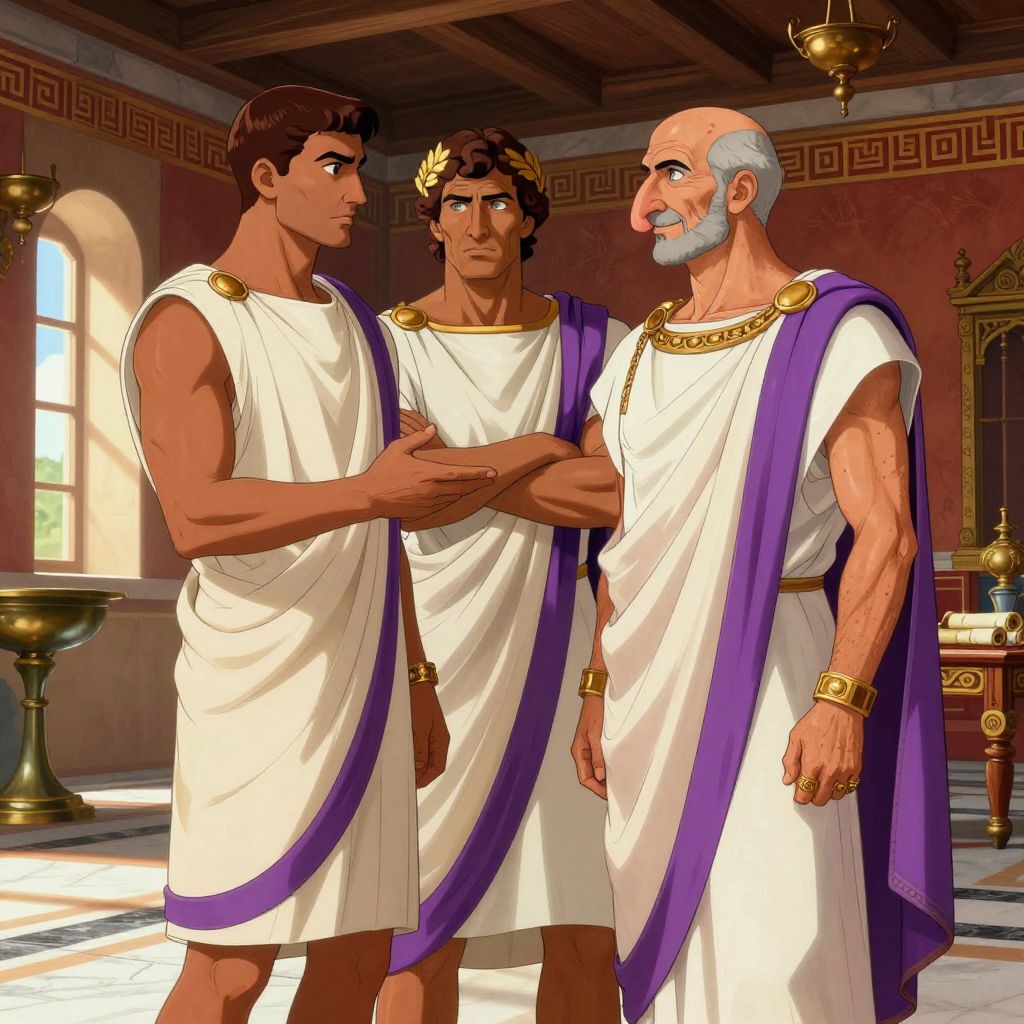
The First Triumvirate: When Three Men Carved Up the Roman Republic
In 60 BCE, Julius Caesar, Pompey the Great, and Marcus Crassus formed a secret alliance that would destroy the Roman Republic. No vote. No ceremony. Just a handshake between ambitions.
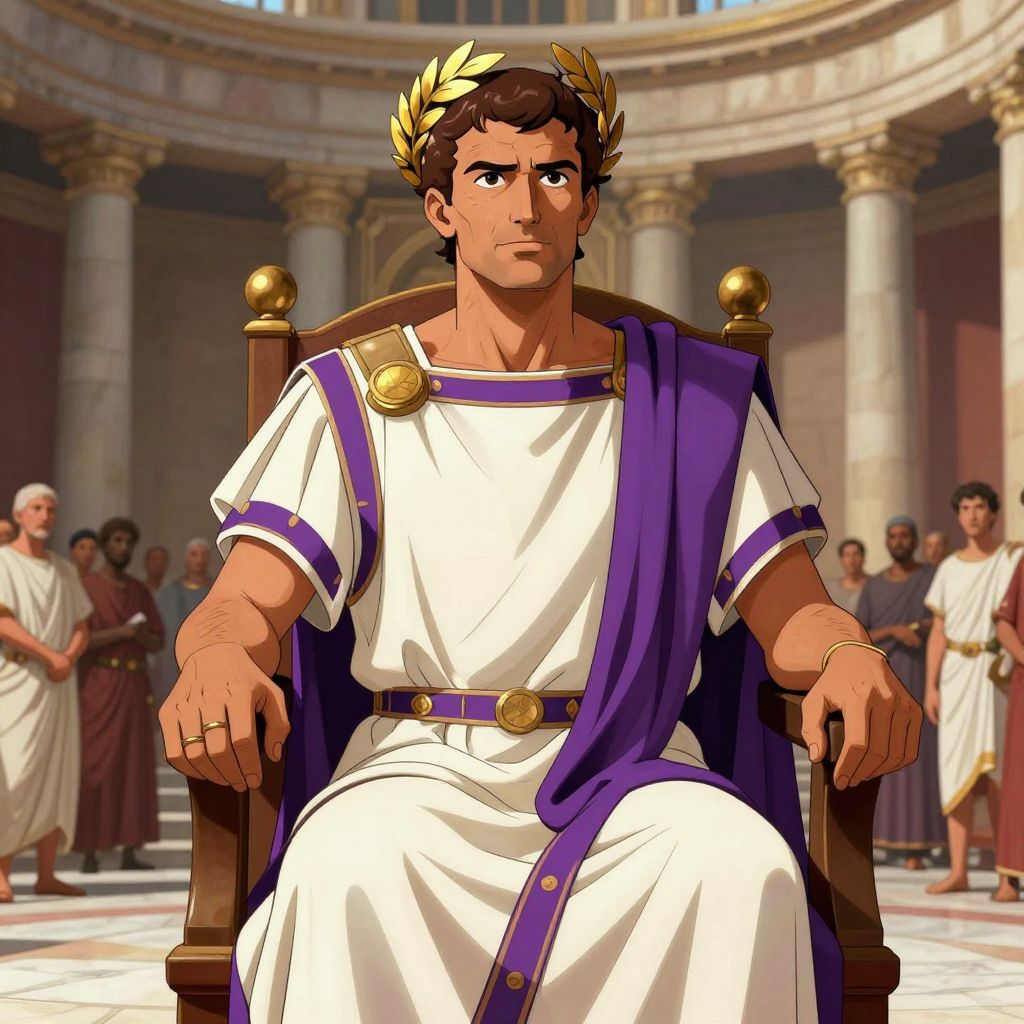
Caesar's Dictatorship: The Reforms That Ended the Republic
From 49 to 44 BCE, Julius Caesar transformed Rome with sweeping reforms as dictator perpetuo. He fixed the calendar, extended citizenship, and pardoned his enemies. Then sixty senators stabbed him for it.
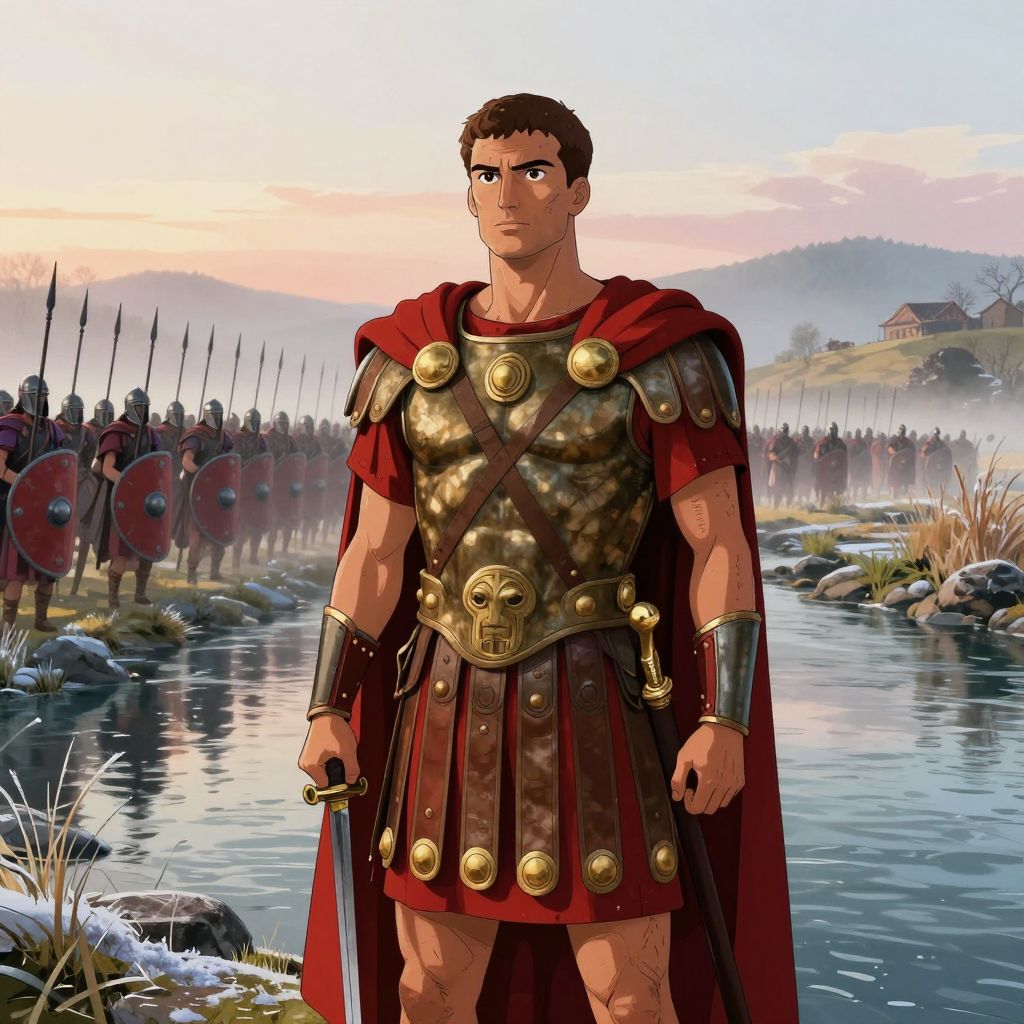
Crossing the Rubicon: The Point of No Return
In 49 BCE, Julius Caesar stood at a shallow river with his army behind him. He stepped into the water and said three words that ended the Roman Republic: 'Alea iacta est.'
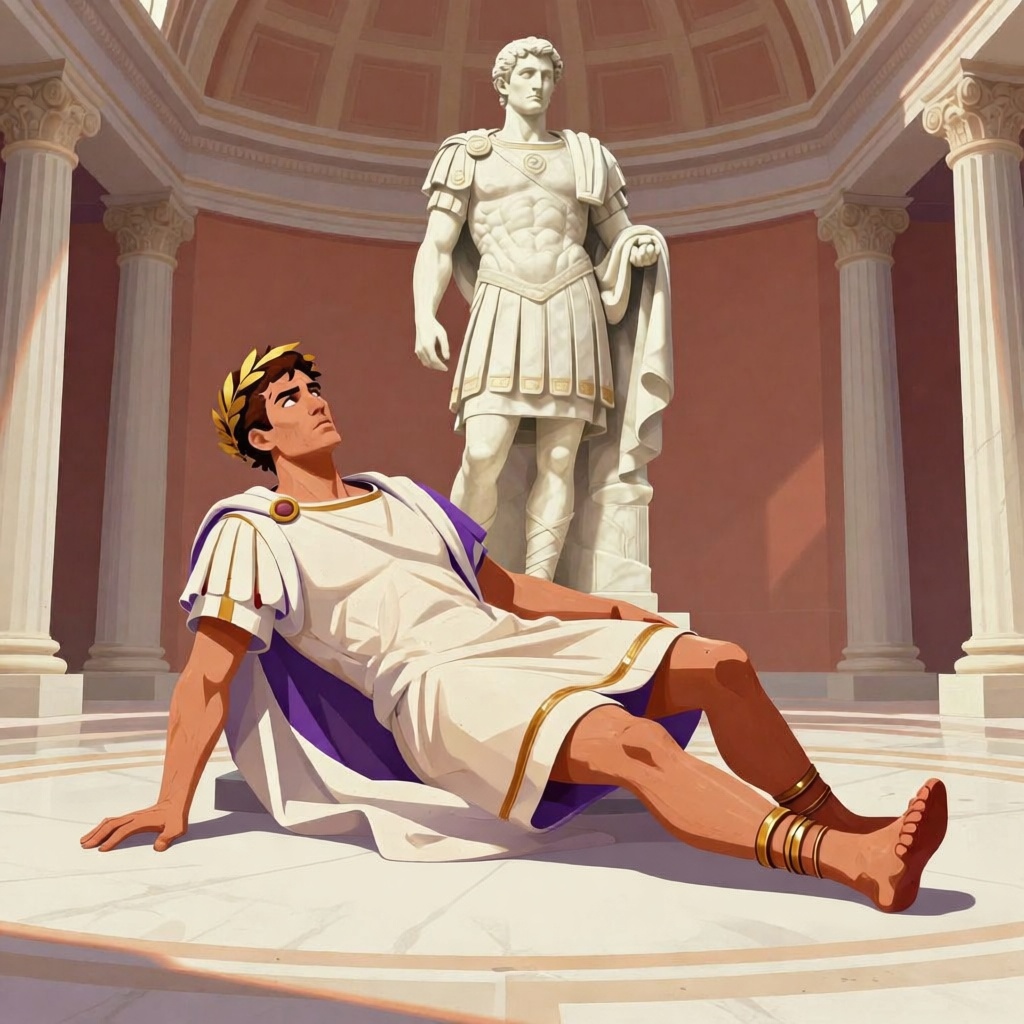
The Ides of March: The Assassination of Julius Caesar
March 15, 44 BCE. Twenty-three stab wounds. Sixty conspirators. One dead god on the Senate floor. The assassination that killed the Republic it was meant to save.
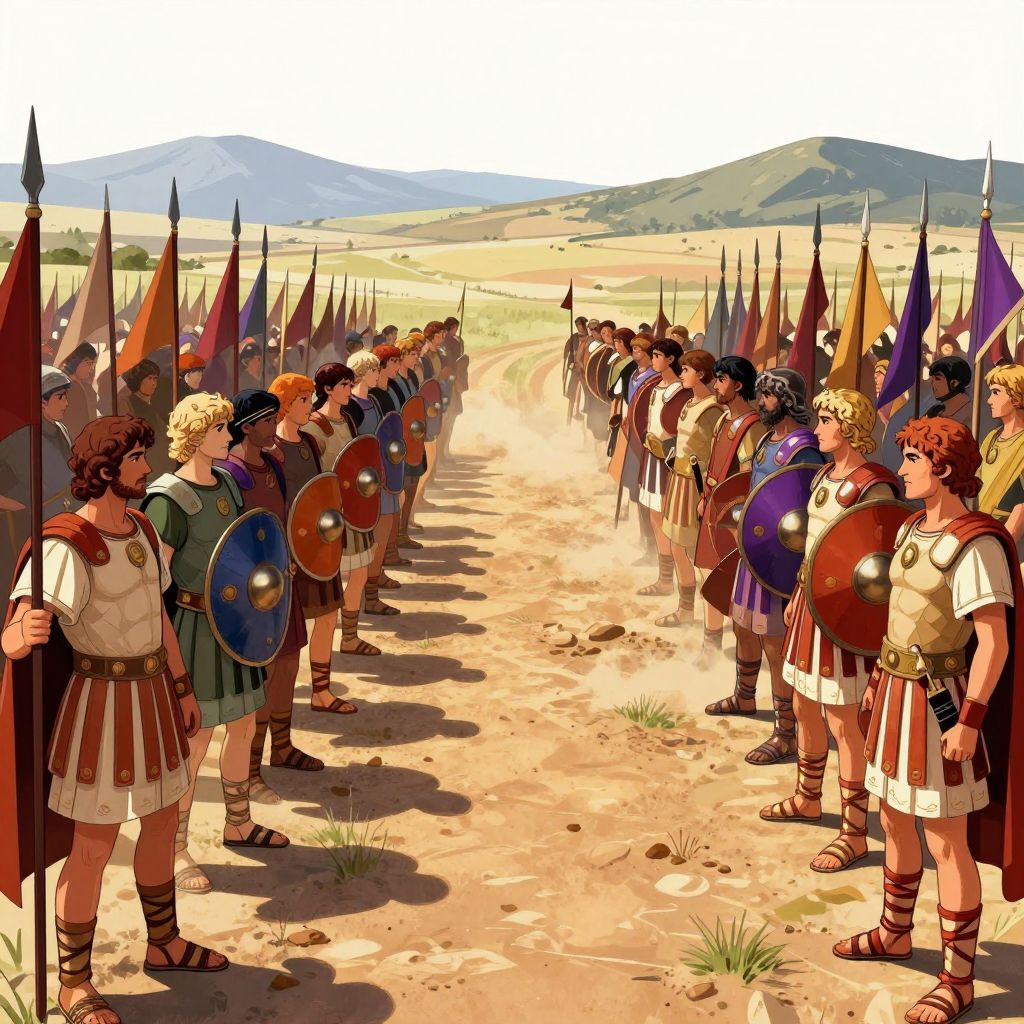
The Battle of Philippi: The Republic Dies in Macedonia
October 42 BCE. Two battles. Three weeks apart. Two suicides. The conspirators who killed Caesar met their end on a Macedonian plain, and the Roman Republic died with them.
Experience History Through Audio
Go beyond articles. Listen to dramatic audio stories narrated by Lumo, your immortal wolf guide who witnessed history firsthand.