The Bloodline of Alexander
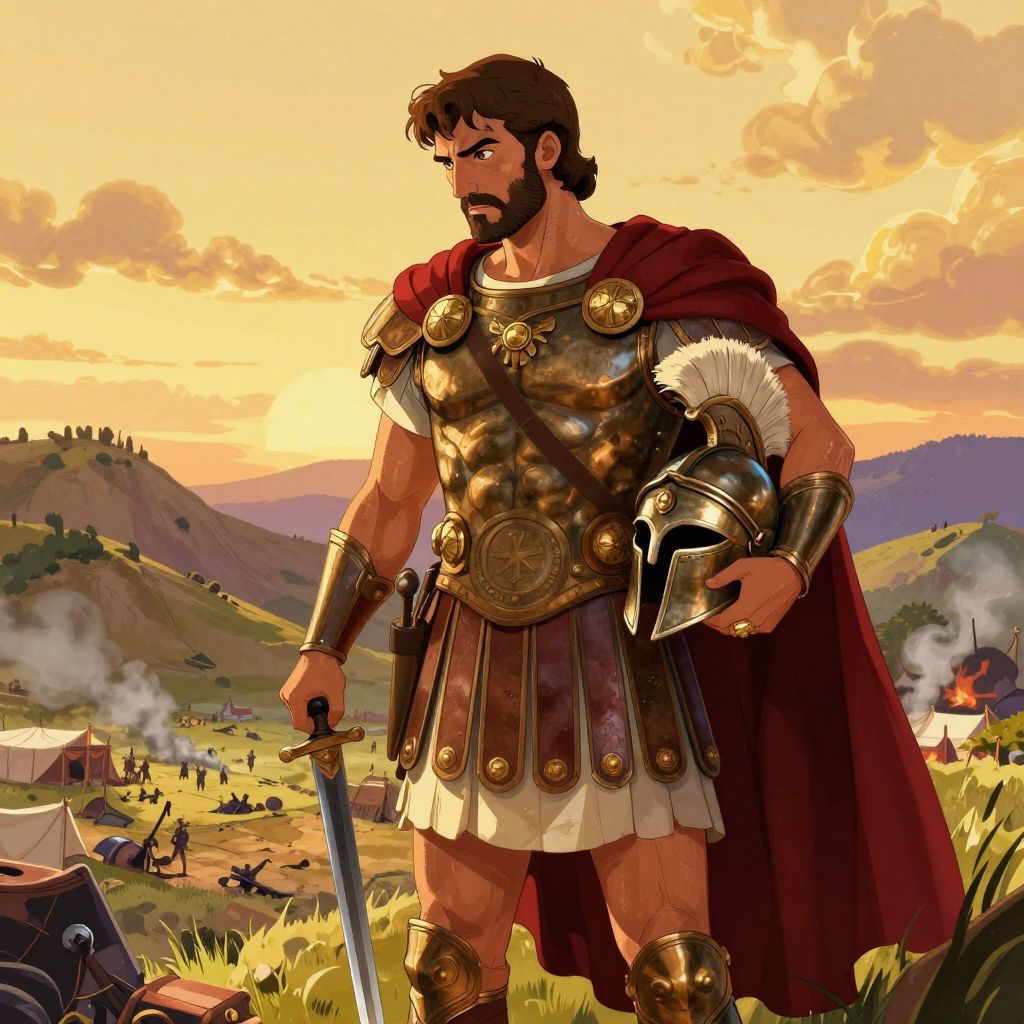
Pyrrhus of Epirus was a second cousin of Alexander the Great — his father Aeacides was a cousin of Olympias, Alexander's mother. Everyone expected him to match that record. The finest general of his age. Everything Alexander was — minus the empire.
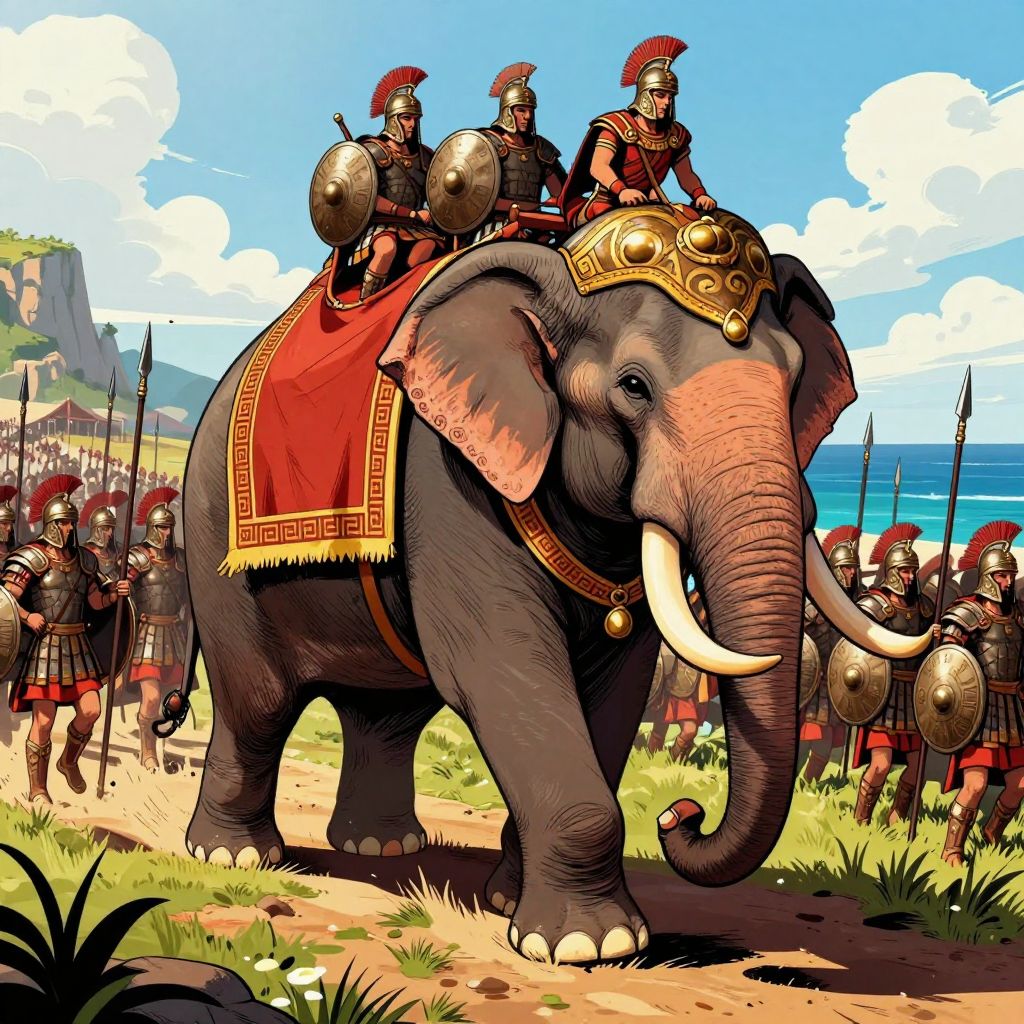
When the Greek city of Tarentum in southern Italy called for help against Rome, Pyrrhus came with an army: twenty-five thousand men and twenty war elephants.
Rome had never seen elephants before.
280 BCE. The Battle of Heraclea.
Rome fielded thirty-five thousand men. Consular legions fresh from campaigns against the Samnites. Experienced, disciplined, confident.
Pyrrhus deployed his army on the Siris River plain. Phalanx in center: rows of eighteen-foot sarissa spears creating an impenetrable hedge of bronze and death. Cavalry on the flanks. And something Rome had never encountered: twenty war elephants held in reserve.
The Roman legions charged. Standard tactics: tight formations, short swords, shield walls designed to get inside an enemy's reach and grind them down through superior discipline.
The phalanx held. Barely. Romans pressed forward with terrifying aggression, dying where they stood rather than give ground. Pyrrhus later said he'd never seen anything like it.
Then he deployed the elephants.
Chaos. The Roman horses panicked; they'd never smelled anything like these massive beasts. Cavalry formations shattered. Infantry broke as tons of war elephant thundered through their ranks.
By day's end, Pyrrhus had won. Seven thousand Romans dead. Thousands more captured.
Total victory.
And then he made the mistake of walking the battlefield.
The Dead Who Wouldn't Run
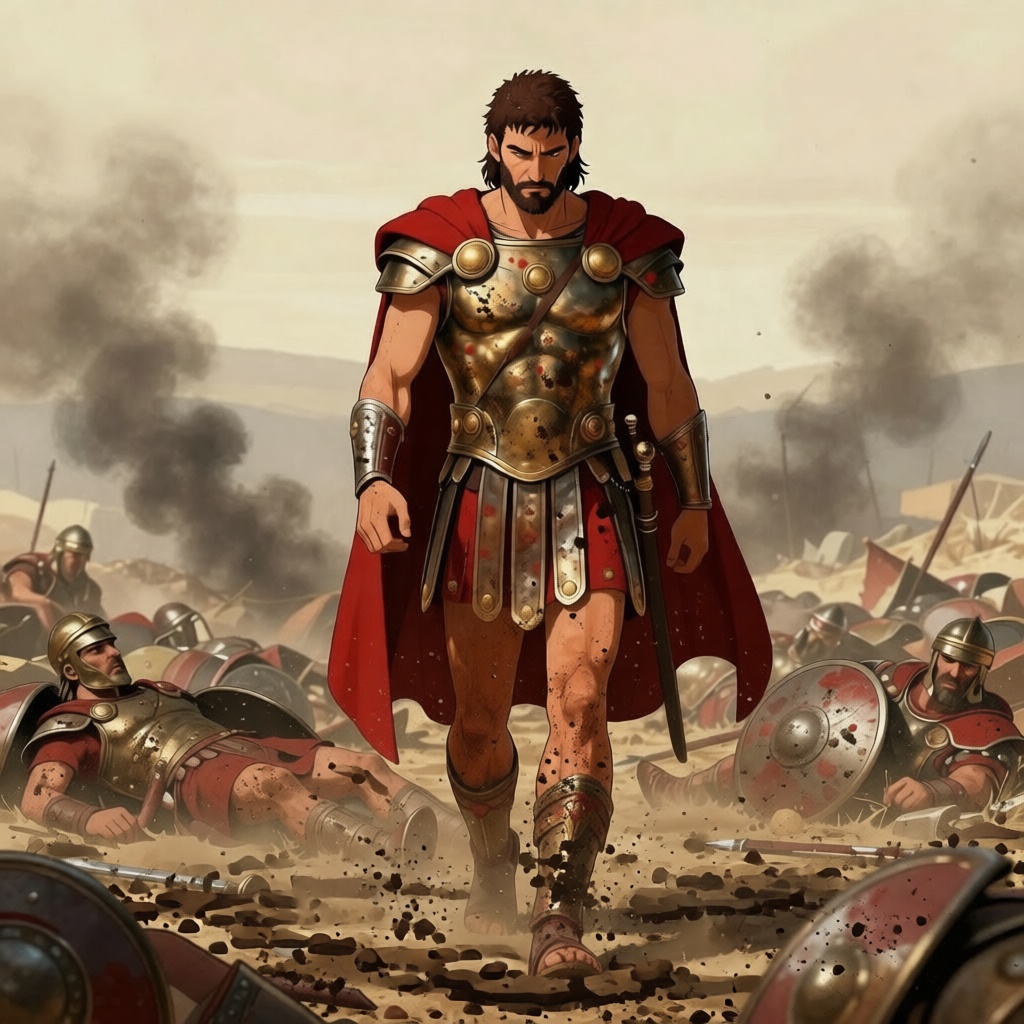
Pyrrhus toured the field after the battle. Roman casualties lay everywhere — seven thousand men dead, thousands more wounded or captured.
But something bothered him.
Every single Roman corpse faced the enemy. Not one had run. Not one had died fleeing.
The positions of the bodies told a story. These men had stood their ground. Held formation. Died where they stood rather than break and run.
"If I had soldiers like these," Pyrrhus said, "I could conquer the world."
Even in victory, he understood something Rome's enemies had never grasped: Rome didn't know how to stay beaten.
The Senate That Wouldn't Negotiate
Pyrrhus sent his ambassador Cineas to Rome with generous peace terms. He'd won the battle. Surely Rome would want to end this before more men died.
Cineas was brilliant — educated, eloquent, diplomatic. He'd served as Pyrrhus's chief negotiator for years. He understood politics, knew how to read a room, how to find compromise.
The terms were reasonable. Almost generous. Pyrrhus would help protect the Greek cities in southern Italy. Rome would recognize their independence. Peace between equals. Everyone goes home.
Standard Hellenistic diplomacy: fight until one side wins decisively, then negotiate favorable terms. It's how civilized powers ended wars. Alexander had done it. The Successor kingdoms did it. Everyone did it.
He walked into the Roman Senate expecting negotiation.
The senators sat in silence.
Cineas read the terms. Explained the benefits. Emphasized that Pyrrhus desired friendship with Rome, not endless war.
More silence.
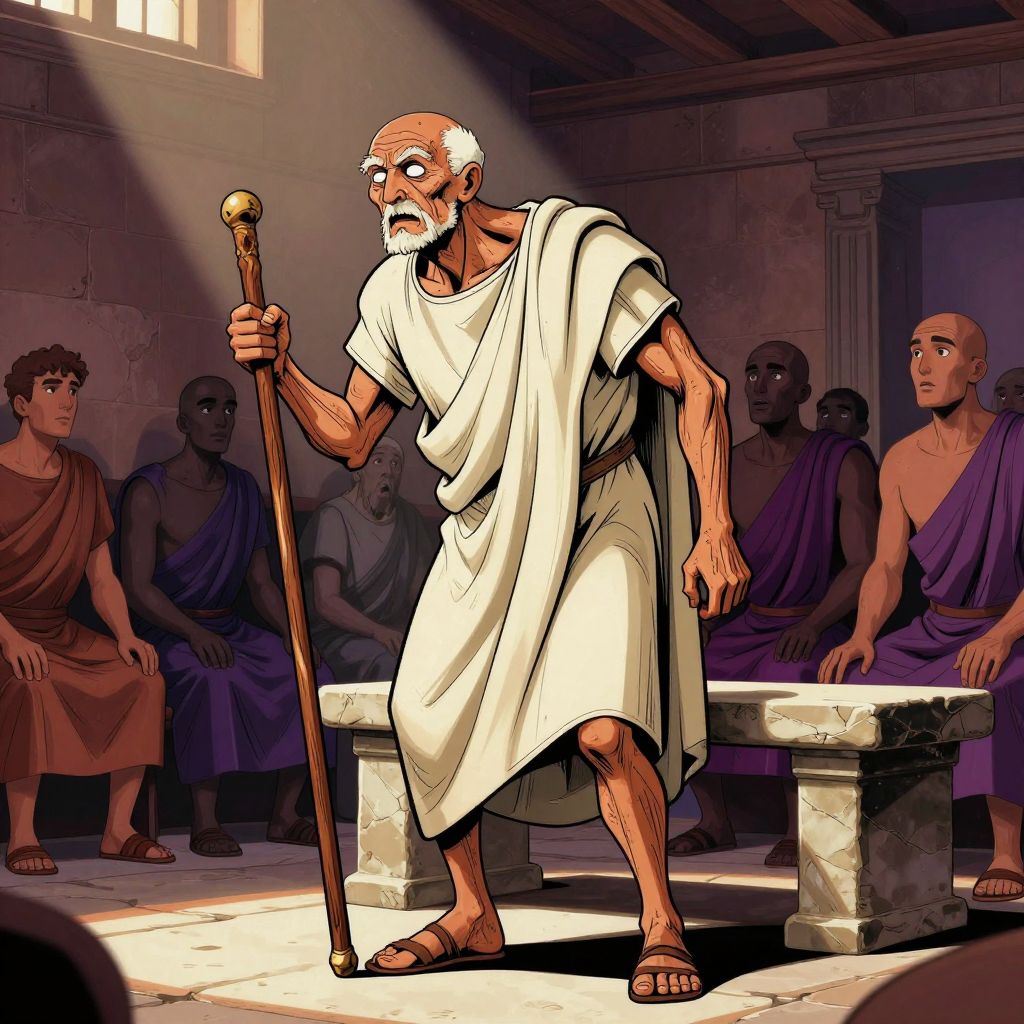
Then an old man rose. Appius Claudius Caecus. Old and completely blind. They'd carried him to the Senate on a litter. He hadn't spoken in the chamber for years.
But his voice filled the room like thunder:
"Rome does not treat for peace while foreign troops remain on Italian soil."
The Senate refused. Not a counter-offer. Not "your terms are unacceptable, try again." Just no. Leave Italy, then we'll talk. Maybe.
Cineas returned to Pyrrhus shaken. He'd negotiated with kings, tyrants, democratic assemblies across the Greek world. He'd never encountered anything like this.
Pyrrhus had won the battle. Rome refused to admit it.
The Cost of Winning
279 BCE. The Battle of Asculum.
Rome came back with fresh legions. Larger force. Better tactics. They'd learned from Heraclea: spread formations to limit elephant effectiveness, target the mahouts riding the beasts.
The battle lasted two days.
Day one: Brutal stalemate in difficult terrain. Romans fought in forests and rough ground where Pyrrhus's phalanx couldn't maintain formation. Neither side gained advantage. Night fell with both armies bloodied and exhausted.
Day two: Open ground. Pyrrhus deployed his full tactical repertoire. Phalanx, cavalry, elephants, combined-arms warfare at its finest. He won. Romans broke. Pyrrhus held the field.
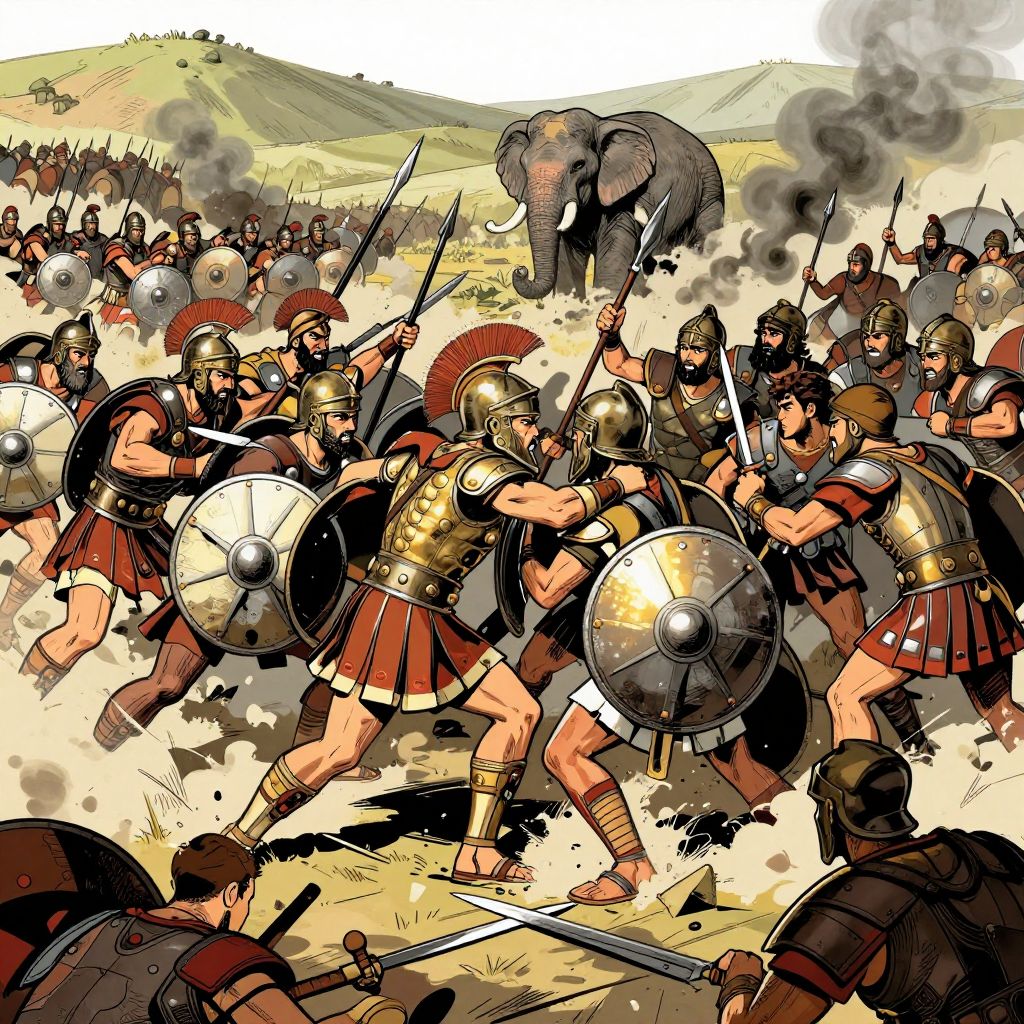
The casualties were horrific — ancient sources claim over fifteen thousand men fell on both sides. Another crushing defeat.
But this time, Pyrrhus lost something darker. Dozens of his finest officers. Men he'd campaigned with for years. The officer corps that made his army elite; you don't replace that with new recruits. War elephants killed or too wounded to fight again, each one worth more than gold. Veterans who'd fought beside him since leaving Epirus, bonds forged in combat over years, impossible to rebuild.
His physician. His closest friends. Men who'd saved his life in previous battles.
Someone congratulated him on his victory.
Pyrrhus looked at what the victory had cost: "One more such victory, and I am undone."
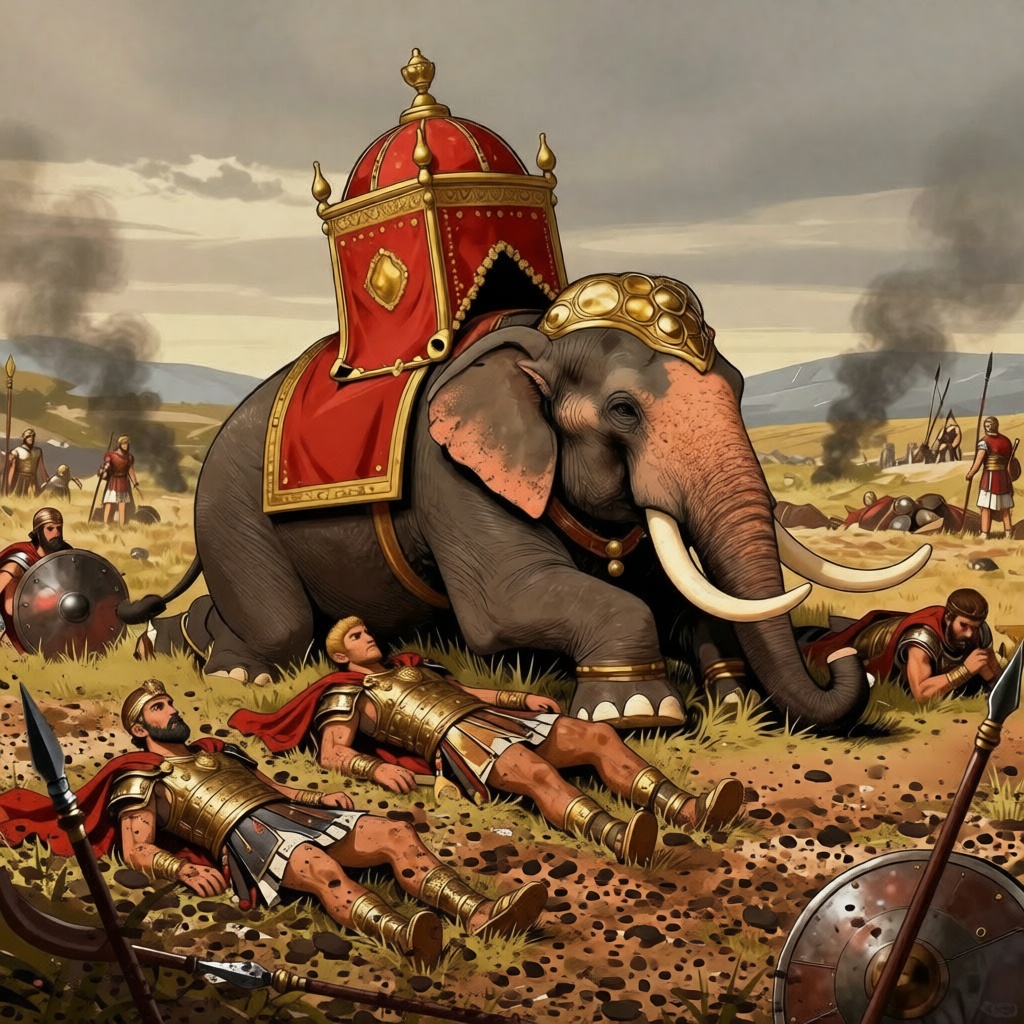
That's the origin of the phrase. The original Pyrrhic victory. A win that costs so much it might as well be a loss.
The Hydra Strategy
Rome just kept coming.
Pyrrhus won at Heraclea. Rome rebuilt and sent more legions.
Pyrrhus won at Asculum. Rome sent more legions.
And more. And more.
Pyrrhus tried negotiating again after Asculum. Better terms this time; he was willing to give more ground if it meant ending the war.
The Senate refused again. Same answer. Same implacable will.
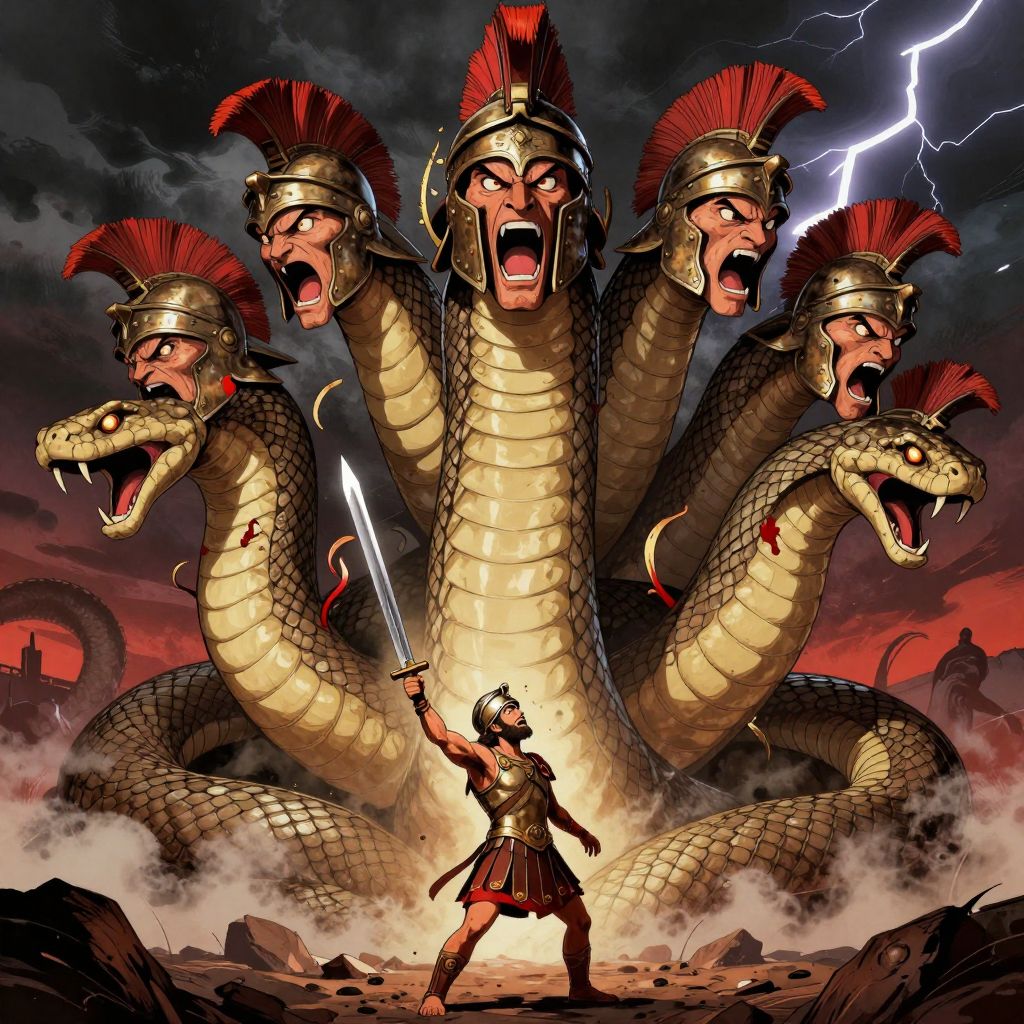
Pyrrhus's ambassador Cineas returned from another failed negotiation attempt with a chilling observation: "The Romans are like the Hydra. Cut off one head — two more grow back."
He wasn't wrong. Rome had something Pyrrhus didn't: reserves.
More than reserves: they had a system. A political structure built around the assumption that wars would be long, bloody, and require multiple armies in the field simultaneously. They'd spent decades fighting the Samnites in mountain warfare. The Latins. The Etruscans. Endless grinding conflicts that taught them how to absorb casualties and keep fighting.
Every Roman and Latin male citizen was liable for military service. Lose a legion? Raise another from the manpower pool. Lose that one? Raise another. The system ground on.
The Mathematics of Stubborn
Pyrrhus commanded a professional army. Each soldier was irreplaceable. Each officer had years of experience. Each elephant cost a fortune to transport, feed, and maintain.
Rome had manpower. Lots of it. Roman and Latin allies throughout Italy. If a legion was destroyed, raise another. If that one died, raise another.
The quality wasn't as high. The tactics weren't as refined. But quantity has a quality all its own, especially when backed by absolute refusal to admit defeat.
Pyrrhus fought like Alexander: brilliant tactics, decisive battles, demand surrender.
Rome fought like Rome: lose the battle, ignore the loss, send more men.
Pyrrhus needed victories. Rome needed survival. Guess which one is easier to achieve?
The War Nobody Could Afford
By 275 BCE, Pyrrhus was broke. Wars are expensive. War elephants are very expensive. Crossing from Greece to Italy is expensive. Fighting professional battles against an enemy that won't acknowledge when you win is expensive.
Meanwhile, Rome was fighting on home ground. Supplied by Italian allies. Fighting for their territory, not foreign conquest.
Pyrrhus had won nearly every battle that mattered. He'd demonstrated superior tactics, better equipment, more experienced soldiers. He'd shown Rome what real warfare looked like.
None of it mattered.
He couldn't stay in Italy without money. He couldn't get money without controlling territory. He couldn't control territory because Rome wouldn't stop sending legions.
Eventually, Pyrrhus left. Not defeated in battle. Just... out of resources. Out of options.
Rome had figured out the secret: they didn't have to win. They just had to survive.
Survive long enough, and the enemy runs out of men, money, and hope — usually in that order.
The Prophecy Nobody Heeded
Before leaving Italy entirely, Pyrrhus tried conquering Sicily. The Greek cities there were fighting Carthage for control of the island. They invited him to be their champion.
For a while, it looked like it might work. He pushed the Carthaginians back, nearly drove them off the island completely. Captured their strongholds. Won battle after battle — because Pyrrhus was brilliant at winning battles.
But he was a king, not a liberator. He demanded troops from the Greek cities. Heavy taxes to fund his campaigns. Garrisons in their cities. The kind of control kings expect when they've just saved your city from destruction.
The Greek cities he was supposed to be liberating started objecting to his "protection." They'd traded Carthaginian overlords for a Greek one; not the deal they'd imagined.
Carthage regrouped. Reformed their armies. Counterattacked. The Greek cities wavered in their support. Some openly turned against Pyrrhus.
The whole thing fell apart.
275 BCE. Pyrrhus sailed away from Sicily, leaving behind another incomplete conquest. As he looked back at the island receding behind him, he made a prophecy:
"What a battlefield I am leaving for Rome and Carthage."
He understood what was coming. Sicily sat between two rising powers: Rome expanding south through Italy, Carthage controlling the western Mediterranean. They'd collide over this island. Inevitably.
He was right. Within a generation, the two powers would clash in the First Punic War, fighting for twenty-three years over control of Sicily.
Then the Second Punic War. Hannibal would cross the Alps with elephants, win battles even more crushing than Pyrrhus's victories: Trebia, Lake Trasimene, Cannae. He'd kill consuls, destroy armies, occupy Italy for fifteen years.
And discover the same truth Pyrrhus learned:
You can't break Rome by winning battles. You can only exhaust yourself trying.
What Rome Learned
This chapter of Roman history started with the Gauls burning Rome to the ground in 390 BCE. The humiliation of paying ransom to Brennus. The thirty years of brutal revenge campaigns.
It ended with Pyrrhus — the greatest general alive — sailing away in defeat despite winning nearly every battle.
In between, Rome learned something the world hadn't seen before.
Not how to win battles. The Samnites, the Gauls, Pyrrhus all won battles against Rome. Greek warfare was more sophisticated. Alexander's strategies were superior.
What Rome learned was stubbornness on an institutional level.
They learned to:
- Rebuild after disasters
- Accept tactical defeat while pursuing strategic victory
- Outlast opponents who fought "better"
- Never, ever admit they were beaten
This wasn't courage in the traditional sense. It was something colder. More calculating. An entire political system built around the idea that losing a battle meant nothing if you won the war.
And winning the war just meant being the last one still fighting.
Why "Pyrrhic Victory" Lasted
Pyrrhus died in 272 BCE in Argos, killed by a roof tile thrown by an old woman during street fighting. Inglorious end for a man who'd beaten Rome twice.
His kingdom fragmented after his death. The campaigns he won faded into history.
But the phrase survived: Pyrrhic victory. A win that costs too much. A battle you'd have been better off losing.
It survived because Pyrrhus articulated something universal about warfare: tactical brilliance is worthless if you can't afford another battle. Winning doesn't matter if you destroy yourself achieving it.
The phrase outlasted his empire, his dynasty, his memory. Most people who use "Pyrrhic victory" don't know who Pyrrhus was. But they understand the concept perfectly.
Win yourself to death. That's what he did.
Rome learned the opposite lesson: you don't need to win brilliantly. You just need to outlast everyone who tries to beat you.
Frequently Asked Questions
1Who was Pyrrhus of Epirus?
Pyrrhus was a Greek king and military commander, a second cousin of Alexander the Great. Considered one of the greatest generals of his era, he's most famous for his campaigns in Italy (280-275 BCE) where he defeated Rome twice but couldn't force them to surrender. His costly victories gave us the term 'Pyrrhic victory.'
2How many battles did Pyrrhus win against Rome?
Pyrrhus won the major battles at Heraclea (280 BCE) and Asculum (279 BCE), both decisive tactical victories. He may have won smaller engagements as well. But winning battles wasn't enough — Rome simply sent more legions and outlasted him.
3What is the original context of 'One more such victory and I am undone'?
After the Battle of Asculum in 279 BCE, someone congratulated Pyrrhus on his victory. Looking at his casualties — including irreplaceable officers and war elephants — he replied that one more victory like this would destroy him. The battle cost him forces he couldn't replace, even though he won.
4Did Pyrrhus ever defeat Rome completely?
No. Despite winning battles, Pyrrhus never forced Rome to surrender or accept his peace terms. The Roman Senate refused to negotiate while foreign troops remained in Italy. By 275 BCE, Pyrrhus was out of money and manpower, and left Italy without achieving his strategic objectives. Rome outlasted him through sheer stubbornness and deeper reserves.
Experience the Pyrrhic War
From the elephants at Heraclea to the refusal in the Senate, hear how Rome learned to win by refusing to lose.


Listen to Related Stories
The King Who Won Too Much
4 minHe won the battle that mattered. It didn't matter.

Listen to the Full Story
Experience history through immersive audio lessons narrated by Lumo, your immortal wolf guide.