The Senate floor is slick with blood. Julius Caesar lies dead at the base of Pompey's statue, stabbed twenty-three times by men who called themselves liberators. Marcus Brutus wipes his blade clean and looks at the other senators. They thought killing one man would restore the Republic. Instead, the assassination guaranteed its end.
That's Rome in a snapshot. Violence masquerading as principle. Ambition dressed up as duty. A civilization that conquered the Mediterranean world while tearing itself apart from the inside.
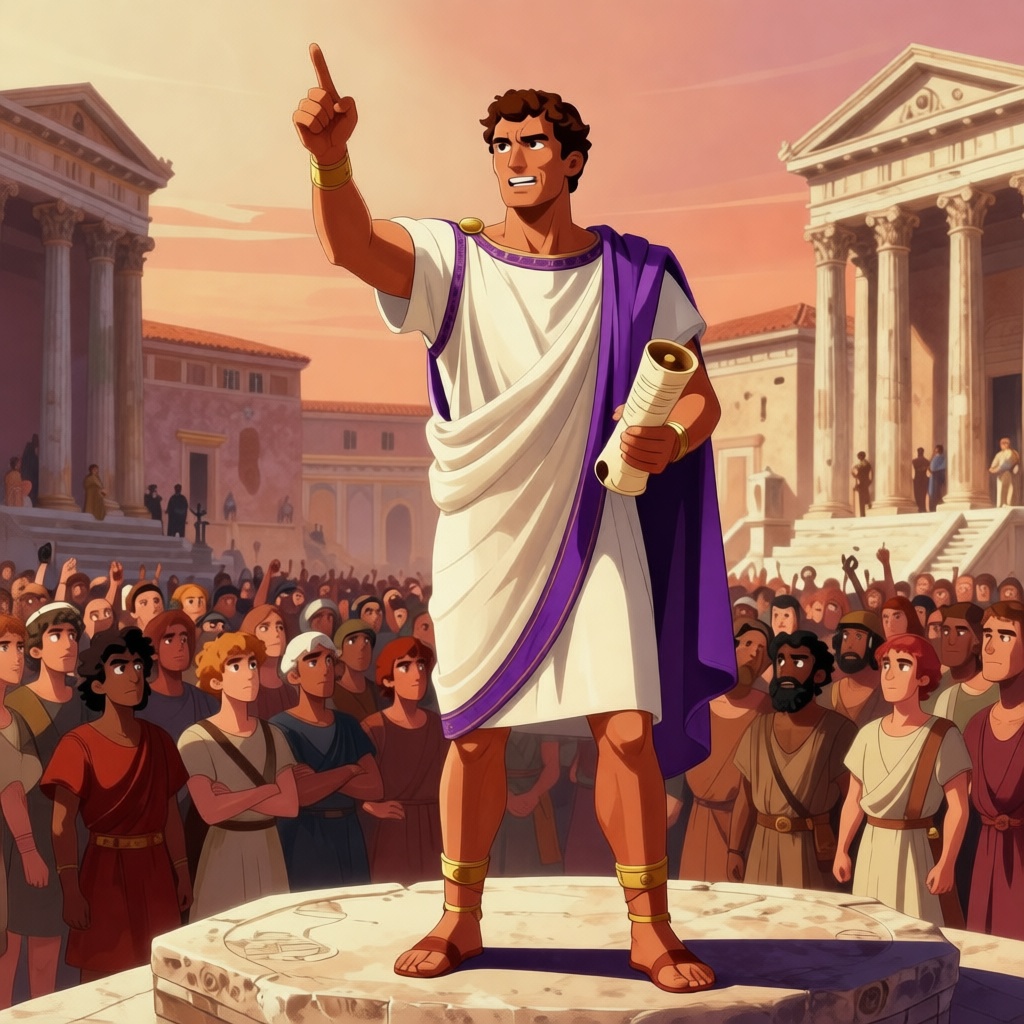
Rome's story spans over a thousand years, from 753 BCE to 476 CE in the west, another millennium beyond that in the east. It started with twins nursed by a wolf and ended with Germanic warlords carving up the corpse of empire. In between, Rome gave us roads and aqueducts, concrete and calendars, law codes and literature. Also slavery, crucifixion, and political murder on a scale that's hard to fathom.
The marble statues suggest dignity. The historical record reveals something messier.
The Kingdom (753-509 BCE)
The founding myth goes like this: Romulus and Remus, twin sons of the war god Mars, were abandoned as infants and nursed by a she-wolf in a cave. When they grew up, they decided to found a city. They argued about where. Romulus won the argument by killing his brother, then built a wall and named the city after himself.

The truth is probably less dramatic. Archaeological evidence points to a cluster of shepherd settlements on the Palatine Hill around the 8th century BCE. But Romans preferred the wolf story. It explained who they were: survivors raised by a predator, tough enough to kill their own brothers when necessary.
Romulus became the first king. He needed citizens, so he opened Rome as an asylum for fugitives, criminals, and runaway slaves. That gave him men but no women. The solution? Invite the neighboring Sabines to a festival, then kidnap their daughters. The Sabine men came back with an army. According to legend, the abducted women threw themselves between the battle lines and demanded their fathers make peace with their new husbands. Rome and the Sabines merged.
The story is propaganda, but it says something true about how Romans saw themselves: mongrels absorbing outsiders, turning yesterday's enemies into tomorrow's citizens.
Romulus ruled for thirty-seven years. Then he vanished during a thunderstorm. Some said the gods took him. Others said the Senate murdered him and chopped up the body. Either way, his death was convenient for the senators, who immediately announced Romulus had become the god Quirinus and should be worshipped.
After Romulus came six more kings. Numa Pompilius, the second king, transformed Rome from a war camp into a religious state. He established the calendar, created the priesthoods, and built the Temple of Janus, kept open during war, closed during peace. It was almost never closed.
Later kings expanded Rome's territory and built infrastructure. Servius Tullius, the sixth king, reorganized Roman society. His constitutional reforms divided citizens by wealth and military capability — rich men got more votes than poor men, but at least there was a system.
The last king, Tarquinius Superbus (Tarquin the Proud), was everything wrong with monarchy compressed into one man. Arrogant, violent, tyrannical. His son Sextus was worse. When Sextus raped Lucretia, a noblewoman famous for virtue, she summoned her husband and father, told them what happened, then stabbed herself. Her death sparked a revolution.
Lucius Junius Brutus, a kinsman of Lucretia's husband, rallied the Roman people and expelled the Tarquins from the city in 509 BCE. The Romans swore never to tolerate kings again. They established the Republic.
Birth of the Republic (509-390 BCE)
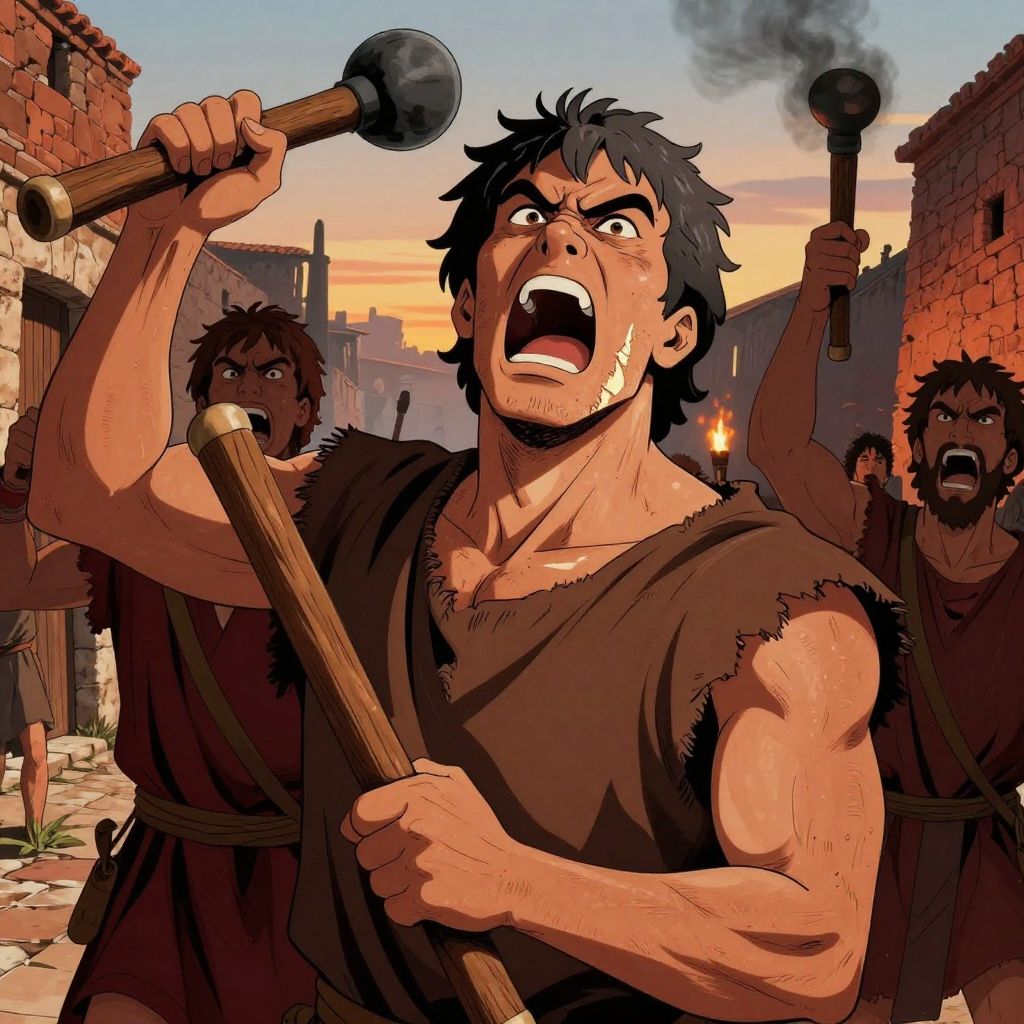
The early Republic was fragile. Expelled kings kept trying to come back with foreign armies. Internal class conflict nearly tore Rome apart. The patricians — old aristocratic families — controlled the government. The plebeians — everyone else — did most of the fighting and paid most of the taxes but had no political power.
In 494 BCE, the plebeians had enough. They walked out of Rome and occupied the Sacred Mount outside the city, refusing to come back until they got representation. Without soldiers or workers, the patricians had no choice. They created the office of Tribune of the Plebs, officials elected by plebeians with the power to veto any government action. It wasn't equality, but it was leverage.
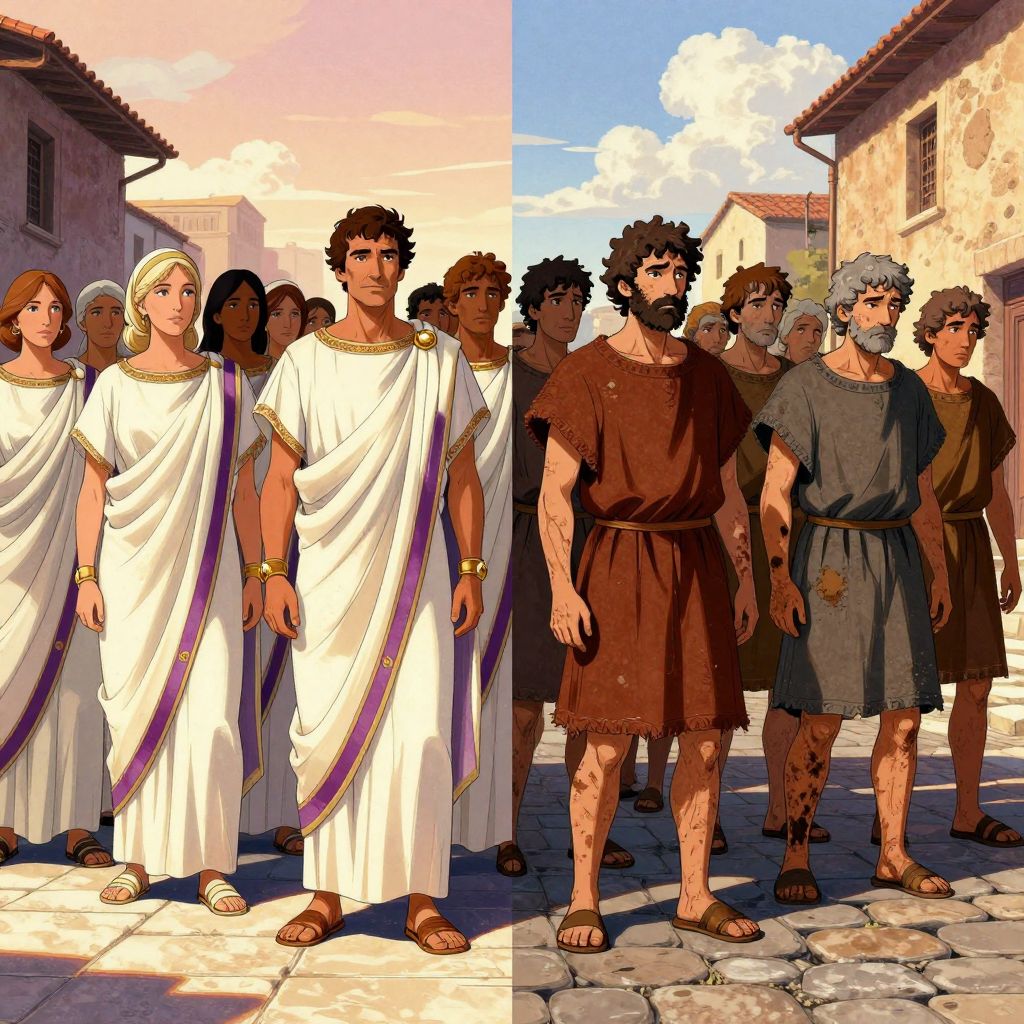
The next breakthrough came in 451-450 BCE with the Twelve Tables, Rome's first written law code. Before that, laws existed only in patrician memory, interpreted however suited them. The Twelve Tables made law public and (theoretically) equal. It was crude — one law allowed creditors to carve up debtors who couldn't pay — but it established the principle that law should be written, not secret.
Class conflict continued for centuries. It became Rome's engine of political evolution. Other Mediterranean cities had similar tensions but solved them with tyranny or oligarchy. Rome kept negotiating.
Then the Gauls arrived.
The Gallic Sack (390 BCE)
In 390 BCE, a Gallic war band led by Brennus crushed a Roman army at the Battle of Allia, then sacked Rome itself. The Gauls occupied the city for seven months, burning most of it. The Romans who survived holed up in the Capitol hill. When they finally paid the Gauls to leave, Brennus supposedly threw his sword onto the scales and said "Vae victis" — woe to the conquered.
The sack traumatized Roman psychology for generations. They were supposed to be conquerors. Instead, barbarians had burned their city and made them pay ransom. Romans rebuilt with stone walls this time and made two promises to themselves: never let it happen again, and make everyone else the conquered.
Conquest of Italy (390-275 BCE)
Rome spent the next century conquering Italy. The Samnites — tough mountain warriors — fought three wars against Rome over fifty years. At the Caudine Forks in 321 BCE, the Samnites trapped a Roman army in a mountain pass and forced them to march under a yoke of spears, the ultimate military humiliation. Rome eventually won the Samnite Wars anyway through sheer persistence, but the humiliation stuck.
By 280 BCE, Rome controlled most of Italy. Then Pyrrhus of Epirus invaded to help the Greek cities in southern Italy. Pyrrhus was a brilliant general and professional adventurer, famous for his elephants and tactical genius. He won two battles against Rome — and lost the war. His victories cost him so many soldiers he couldn't replace them. "One more such victory and I am lost," he supposedly said, giving us the term "Pyrrhic victory."
Pyrrhus went home. Rome conquered southern Italy. Next target: Sicily and North Africa, controlled by Carthage.
The Punic Wars (264-146 BCE)
Carthage was a commercial empire based in modern Tunisia, with colonies across the western Mediterranean and a navy that controlled the sea. Rome was a land power that had never built warships. The two empires went to war three times. It nearly destroyed Rome. Instead, it destroyed Carthage.
The First Punic War (264-241 BCE) was a naval slugfest over Sicily. Rome built a navy by copying a captured Carthaginian ship, then bolted boarding bridges to their vessels so they could turn sea battles into land battles. It worked. After twenty-three years, Carthage surrendered Sicily.
The Second Punic War (218-201 BCE) was different. Hannibal Barca, the Carthaginian general, decided not to wait for Rome to invade. He raised an army in Spain, crossed the Alps with elephants, and invaded Italy from the north.
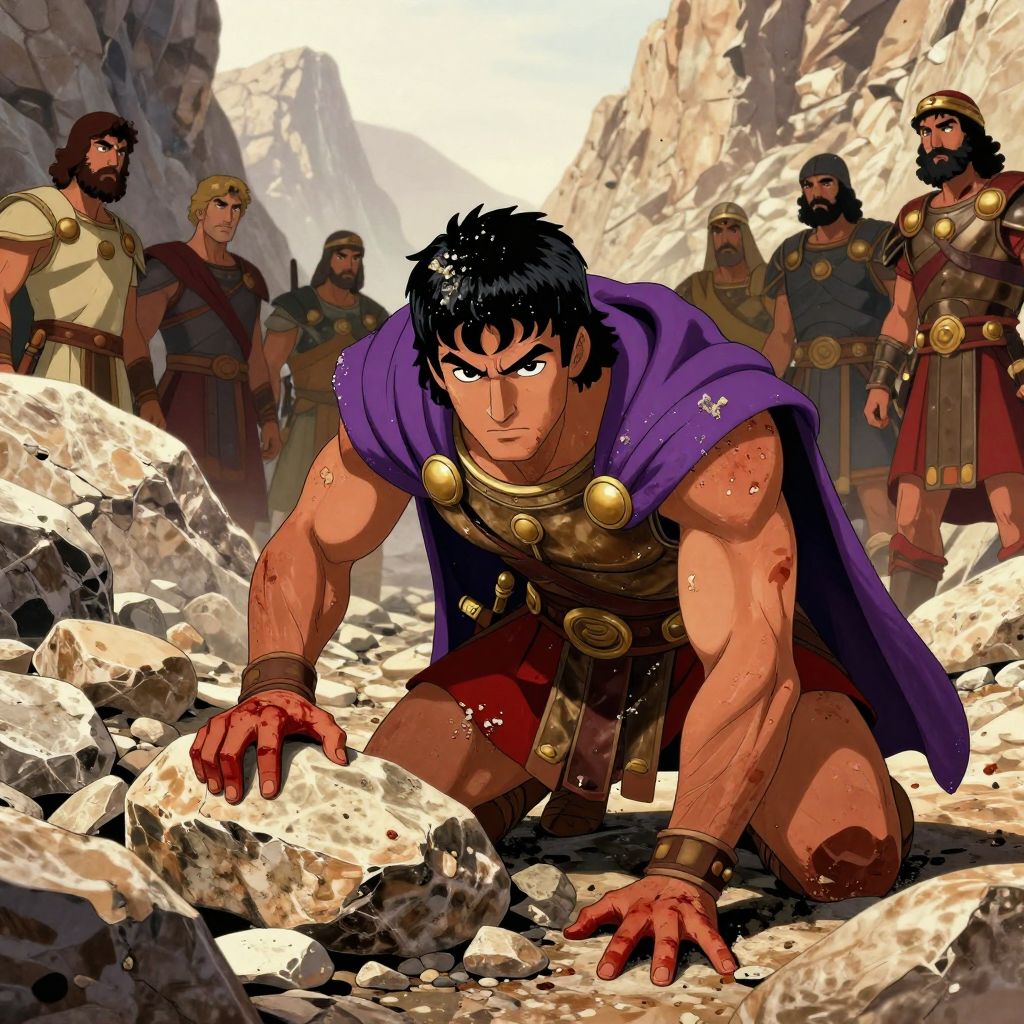
The crossing killed half his army and most of his elephants. It didn't matter. Hannibal spent the next fifteen years in Italy, destroying Roman armies.
At the Trebia River in December 218 BCE, Hannibal ambushed a Roman army in a snowstorm. At Lake Trasimene in 217 BCE, he lured another Roman army into a fog-shrouded valley and slaughtered them in the fog. At Cannae in 216 BCE, he executed the perfect battle.
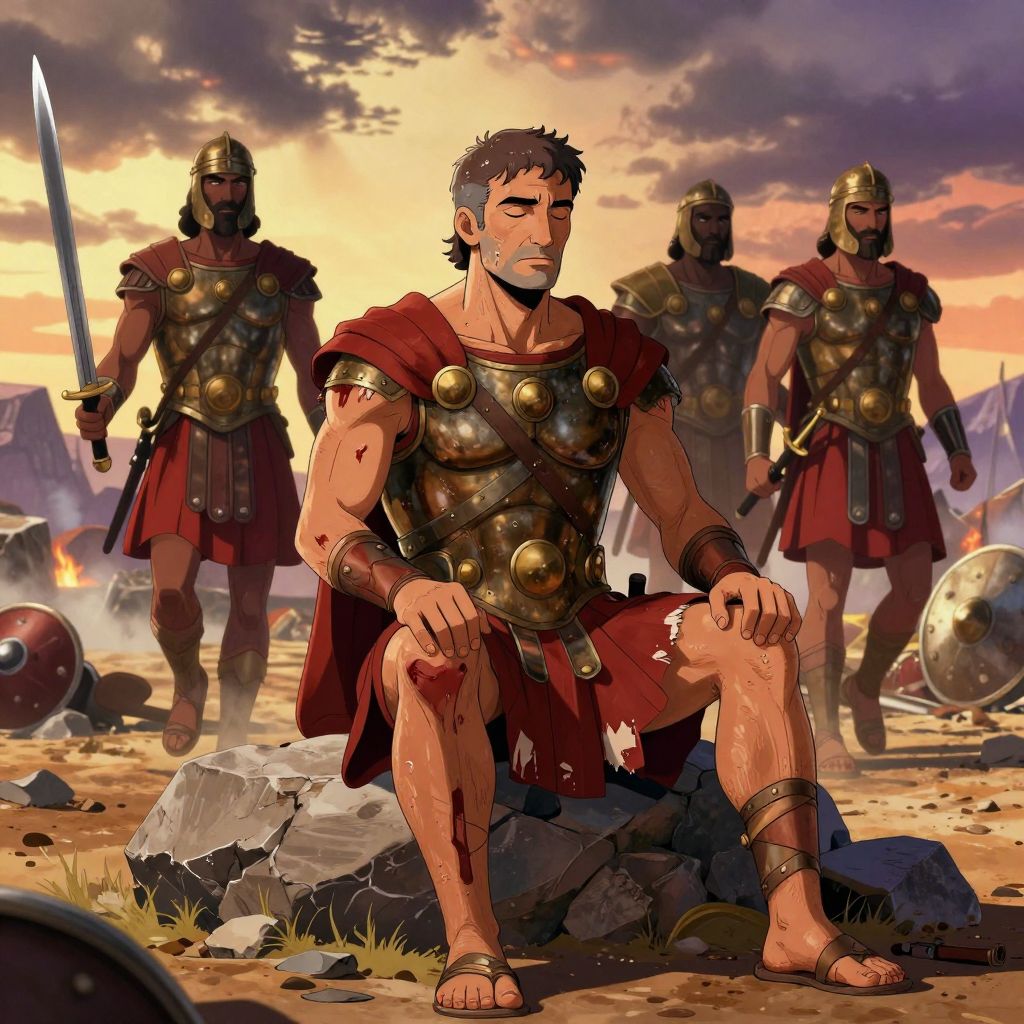
Cannae was a masterpiece of tactics. Hannibal arrayed his infantry in a crescent, with his weakest troops in the center and his cavalry on the wings. The Romans charged the center, pushing it back — exactly as Hannibal planned. His cavalry crushed the Roman cavalry, then wheeled around and attacked the Roman infantry from behind. The crescent became a circle. Fifty thousand Romans died in one afternoon.
After Cannae, some Italian cities defected to Hannibal. Many of Rome's allies wavered. The Senate debated surrender. Instead, they returned to the strategy of Fabius Maximus, who had been appointed dictator the year before, after Lake Trasimene. The Fabian strategy: avoid pitched battles, shadow Hannibal's army, cut his supply lines, wait him out. Romans had mocked Fabius as a coward. But the strategy worked. Hannibal couldn't force Rome to surrender if Rome wouldn't fight.
Meanwhile, a young Roman general named Scipio Africanus invaded Spain and conquered Carthage's colonies there. Then he invaded North Africa, forcing Carthage to recall Hannibal. In 202 BCE at the Battle of Zama, Scipio defeated Hannibal in Carthage's backyard. The Second Punic War ended with Carthage disarmed and bankrupt.
Hannibal fled into exile, serving as a mercenary general for various eastern kings. Rome pursued him for decades. When they finally cornered him in 183 BCE, he poisoned himself rather than be captured. "Let us relieve the Romans from the anxiety they have so long experienced," he said, "since they think it tries their patience too much to wait for an old man's death."
The Third Punic War (149-146 BCE) was less a war than an execution. Carthage had rebuilt economically, which Rome found intolerable. Cato the Elder ended every Senate speech with "Carthage must be destroyed." In 146 BCE, Scipio Aemilianus — grandson by adoption of Scipio Africanus — besieged Carthage, burned the city, sold the survivors into slavery, and allegedly sowed the ground with salt. Carthage was erased.
Building an empire (146-133 BCE)
After destroying Carthage, Rome was the Mediterranean's only superpower. They turned their attention east to Greece and Asia Minor, and west to Spain.
Spain was harder than expected. Tribes like the Lusitanians under Viriathus fought guerrilla wars that dragged on for decades. The Siege of Numantia from 134-133 BCE took fifteen months and required 60,000 Roman soldiers to subdue a city of 8,000. The Spanish wars revealed the limits of Roman military superiority. Against disciplined armies in pitched battles, Rome usually won. Against guerrilla fighters who knew the terrain, Rome struggled.
Back in Italy, wealth from conquest was transforming Roman society. Aristocrats bought up vast estates worked by enslaved people captured in foreign wars. Small farmers — the backbone of the Roman army — were driven into poverty. Inequality widened. Resentment festered.
In Sicily, enslaved people outnumbered free citizens three to one. In 135 BCE, a Syrian enslaved man named Eunus started the First Servile War, rallying 70,000 enslaved people in a rebellion that took three years and multiple Roman armies to suppress. Rome won, but the rebellion exposed the fragility of their economic system.
The Republic's success abroad was creating crises at home.
The Crisis of the Republic (133-78 BCE)
In 133 BCE, Tiberius Gracchus, a tribune of the plebs, proposed land reform. He wanted to redistribute public land from wealthy estates to landless citizens. The Senate opposed it. When Tiberius tried to run for tribune again — technically illegal — senators and their supporters beat him to death with clubs on the Capitol. It was the first time in centuries that Roman political disputes had been settled with murder rather than voting.
Ten years later, Tiberius's younger brother Gaius Gracchus became tribune and pushed even more radical reforms. The Senate declared martial law. Gaius ordered his enslaved servant to kill him. Three thousand of his supporters were executed without trial.
The Gracchi brothers didn't accomplish their reforms. But they proved that violence worked. That precedent couldn't be unset.
In 107 BCE, Gaius Marius became consul and transformed the Roman army with the Marian reforms. Previously, only property-owning citizens could serve in the legions. Marius opened recruitment to landless poor, creating a professional army loyal to their general rather than the state. The army got more effective. It also got politically dangerous. Generals now commanded soldiers who looked to them for land and plunder after service.
Marius's rival was Sulla, an aristocrat who believed the Senate should control Rome. In 88 BCE, when the Senate tried to transfer Marius's command to Sulla, Sulla did something unprecedented: he marched his legions on Rome. Roman armies weren't supposed to cross the pomerium — Rome's sacred boundary. Sulla crossed it with six legions. Marius fled.
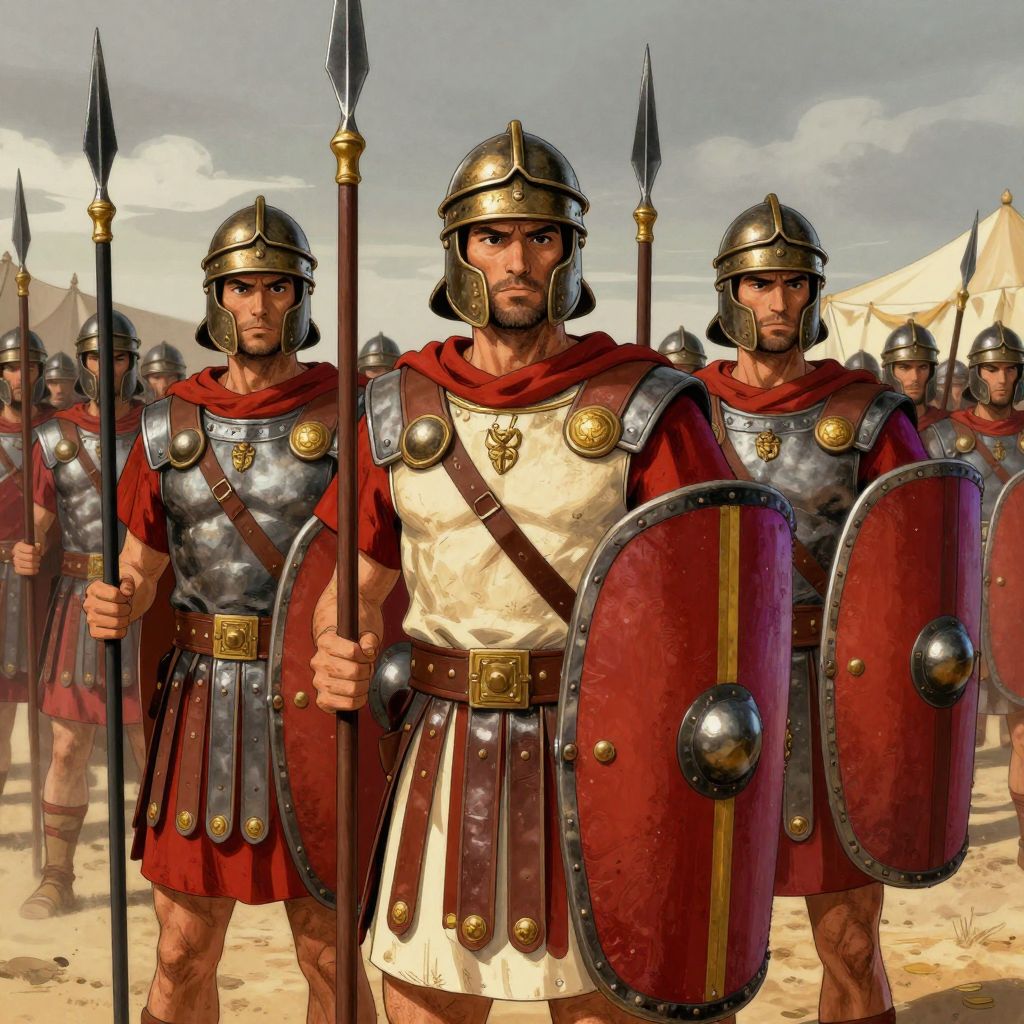
Sulla went east to fight a war. Marius came back, marched on Rome with his own army, and slaughtered Sulla's supporters. When Sulla returned in 82 BCE, he marched on Rome again and won. Then he implemented the proscriptions — public death lists of political enemies. Anyone on the list could be legally murdered, their property confiscated. Thousands died. Sulla retired in 79 BCE and died the next year. He claimed to have restored the Republic. What he actually did was teach ambitious men that armies could settle political disputes.
The lesson was learned by Pompey, Crassus, and Julius Caesar.
Spartacus (73-71 BCE)
In 73 BCE, a Thracian gladiator named Spartacus escaped from a training school with seventy other gladiators. They fled to Mount Vesuvius. When Roman forces came to arrest them, Spartacus and his followers fought back.
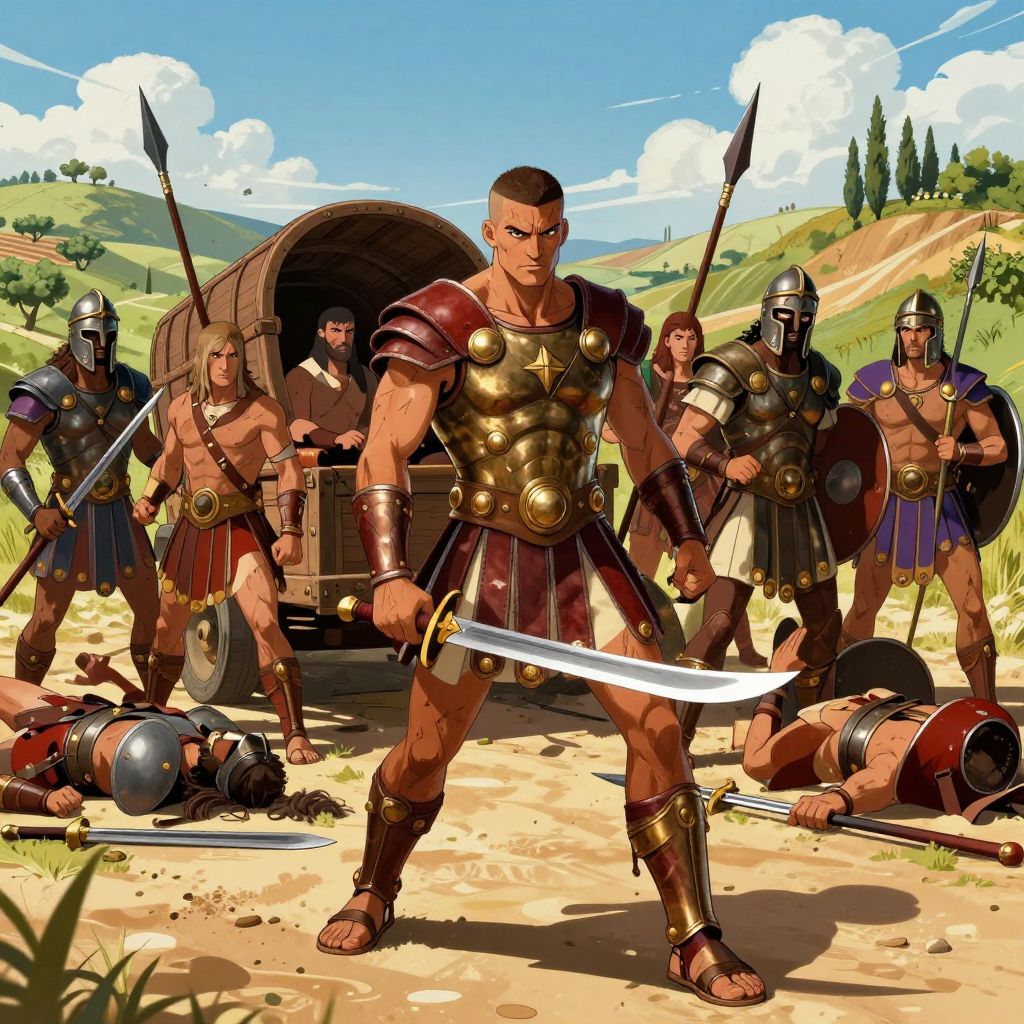
The rebellion grew. Enslaved field workers joined. So did landless poor. At its peak, Spartacus commanded 70,000 fighters and defeated multiple Roman armies. For two years, they terrorized southern Italy.
Crassus, the richest man in Rome, raised an army and cornered Spartacus in southern Italy. Spartacus tried to escape to Sicily. When that failed, he turned and fought. Crassus won. Spartacus died in battle. Six thousand survivors were crucified along the Appian Way from Capua to Rome — one cross every 130 feet for 120 miles.
The message: this is what happens when enslaved people rebel.
Caesar's Rise and Fall (59-44 BCE)
In 60 BCE, three men formed an informal alliance to control Roman politics: Pompey, the great general; Crassus, the great financier; and Julius Caesar, an ambitious patrician drowning in debt. The First Triumvirate wasn't official, but it worked. Caesar became consul in 59 BCE, then took command of Gaul.
He spent the next eight years conquering Gaul (modern France), writing commentaries about it, and building the most loyal army in Roman history. Crassus went east to conquer Parthia and got killed. Pompey grew suspicious of Caesar's power and turned against him.
In 49 BCE, the Senate ordered Caesar to disband his army and return to Rome as a private citizen. Caesar knew that meant political destruction and probably execution. On January 10, he stood on the north bank of the Rubicon River — the boundary between his province and Italy — and made his choice. Crossing the Rubicon with an army was treason. He crossed anyway, supposedly saying "the die is cast."
Civil war. Caesar chased Pompey to Greece and crushed him. Pompey fled to Egypt, where the Egyptians murdered him to curry favor with Caesar. Caesar spent a year in Egypt having an affair with Cleopatra, then mopped up the remaining resistance.
By 44 BCE, Caesar held dictatorial power. He implemented reforms: calendar reform, land redistribution, debt relief, expanding citizenship. He also accepted honors that looked suspiciously monarchical. Romans had overthrown their kings 465 years earlier. They were sensitive about anyone acting king-like.
On March 15, 44 BCE — the Ides of March — a group of senators led by Marcus Brutus and Cassius stabbed Caesar to death in the Curia of Pompey. Twenty-three stab wounds. They declared liberty restored.
The assassination didn't restore the Republic. It triggered thirteen more years of civil war. Caesar's adopted heir Octavian (later Augustus) and his general Mark Antony hunted down the assassins. At the Battle of Philippi in 42 BCE, they defeated Brutus and Cassius, both of whom committed suicide. The Republic died with them.
The Empire (27 BCE - 476 CE)
Octavian and Antony split the Roman world between them. Antony took the east and allied with Cleopatra. Octavian took the west and waited. In 31 BCE, he defeated Antony and Cleopatra at the Battle of Actium. They fled to Egypt and killed themselves. Octavian was sole ruler.
In 27 BCE, he gave himself the title Augustus ("the revered one") and claimed to have restored the Republic. He hadn't. He'd transformed it into a monarchy while keeping republican forms. The Senate still met, but it rubber-stamped Augustus's decisions. Elections still happened, but Augustus controlled who won. It was autocracy with constitutional decoration.
It worked. After a century of civil war, Romans wanted peace more than freedom. Augustus gave them peace. Also aqueducts, roads, public buildings, and professional administration. The Pax Romana — Roman peace — lasted two centuries.
The Empire kept expanding. Britain, Germany, Dacia, Arabia, Mesopotamia. At its peak under Trajan (98-117 CE), Rome controlled territory from Scotland to the Persian Gulf, from the Sahara to the Rhine and Danube. You could walk from Hadrian's Wall in northern England to the Euphrates River in Iraq without leaving Roman territory.
But empires are expensive. Maintaining the borders required thirty legions — about 150,000 professional soldiers plus auxiliaries. Paying them required taxes. Collecting taxes required bureaucracy. Bureaucracy required more taxes. The system worked as long as conquest kept bringing in wealth and enslaved labor. When the conquests stopped, the math broke.
The third century brought crisis: civil wars, military coups, barbarian invasions, plague, inflation. Diocletian (284-305 CE) split the Empire into eastern and western halves, each with its own augustus and caesar. Constantine (306-337 CE) legalized Christianity and moved the capital from Rome to Constantinople. The Empire survived, but it wasn't Roman anymore except in name.
The western half limped through the 5th century, progressively weaker, until Germanic tribes carved it into kingdoms. The last Western Roman Emperor, Romulus Augustulus (the name alone is ironic), was deposed in 476 CE by a Germanic general named Odoacer. That's the traditional end date, though the reality was messier. The Empire didn't collapse overnight. It rotted slowly until nobody could tell the difference between Romans and barbarians anymore.
The eastern half — the Byzantine Empire — survived another thousand years, until Ottoman Turks conquered Constantinople in 1453 CE. They were still calling themselves Romans when the end came.
The Roman Triumph
Let's end with a ritual that captures Rome's character better than any monument: the Triumph.
When a Roman general won a significant victory, the Senate could award him a Triumph — a procession through Rome displaying the spoils of war. The general rode in a chariot wearing purple and gold like Jupiter, face painted red. His army marched behind him. In front were the captured treasures, exotic animals, and prisoners of war — kings and generals in chains, destined for execution or slavery.
The procession ended at the Temple of Jupiter, where the general made offerings. But here's the detail that makes it Roman: while riding in godlike glory, the general had an enslaved person standing behind him in the chariot, whispering in his ear "memento mori" — remember you will die.
Triumph and humility. Glory and death. Conquest and mortality. That's Rome.
What's left
Rome gave us concrete and aqueducts, law codes and calendars, the romance languages and the concept of citizenship. Also crucifixion, slavery, gladiatorial games, and the idea that military conquest justifies itself.
Romans were builders and destroyers, practical and superstitious, generous with citizenship and brutal with enemies. They absorbed Greek culture and spread it across Europe. They developed sophisticated legal systems and murdered political opponents in the streets. They built roads that lasted millennia and economies that required constant warfare to function.
The Republic lasted 482 years. The Empire lasted five centuries in the west, fifteen in the east. Both forms of government were copied, adapted, and reinterpreted for two thousand years. The United States Senate traces its name and some of its traditions to Rome. The Catholic Church organized itself using Roman administrative structures. European monarchs claimed to be successors to the Caesars until 1918.
You can still walk on Roman roads, cross Roman bridges, pass through Roman gates. The Forum where Cicero gave speeches, the theater where Caesar was killed, the Colosseum where gladiators fought — all still there. The ruins are everywhere.
Rome started as a muddy village ruled by kings who might or might not have existed. It ended as an idea that outlasted the empire itself.
The wolves nursed the twins. The twins founded the city. The city conquered the world. And when the world finally conquered back, Rome was already woven into language and law and the structure of western civilization.
The story is messier than the marble statues suggest. That's what makes it worth knowing.
Explore Ancient Rome
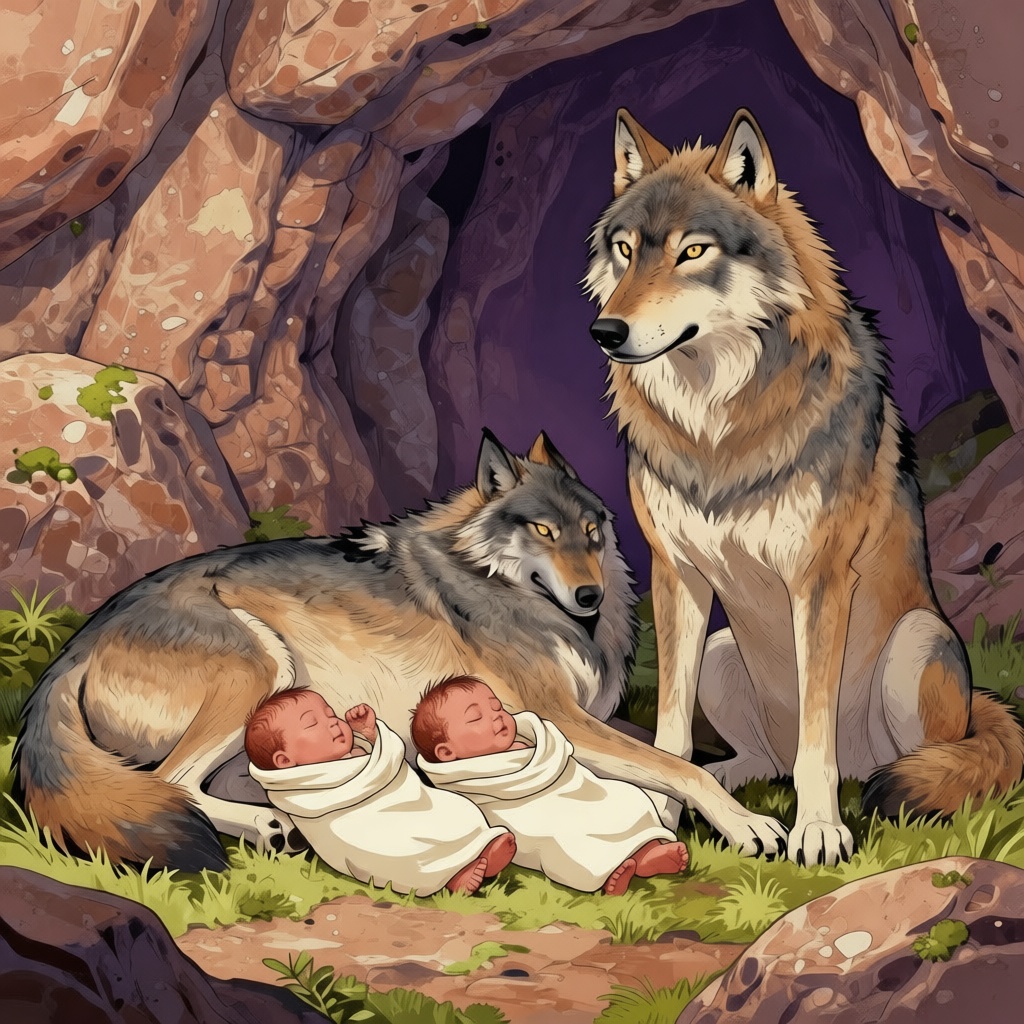
Romulus and Remus: The Founding of Rome
The legendary tale of twin brothers raised by a wolf who founded the city of Rome. Discover the myth, the murder, and the birth of the world's greatest empire.
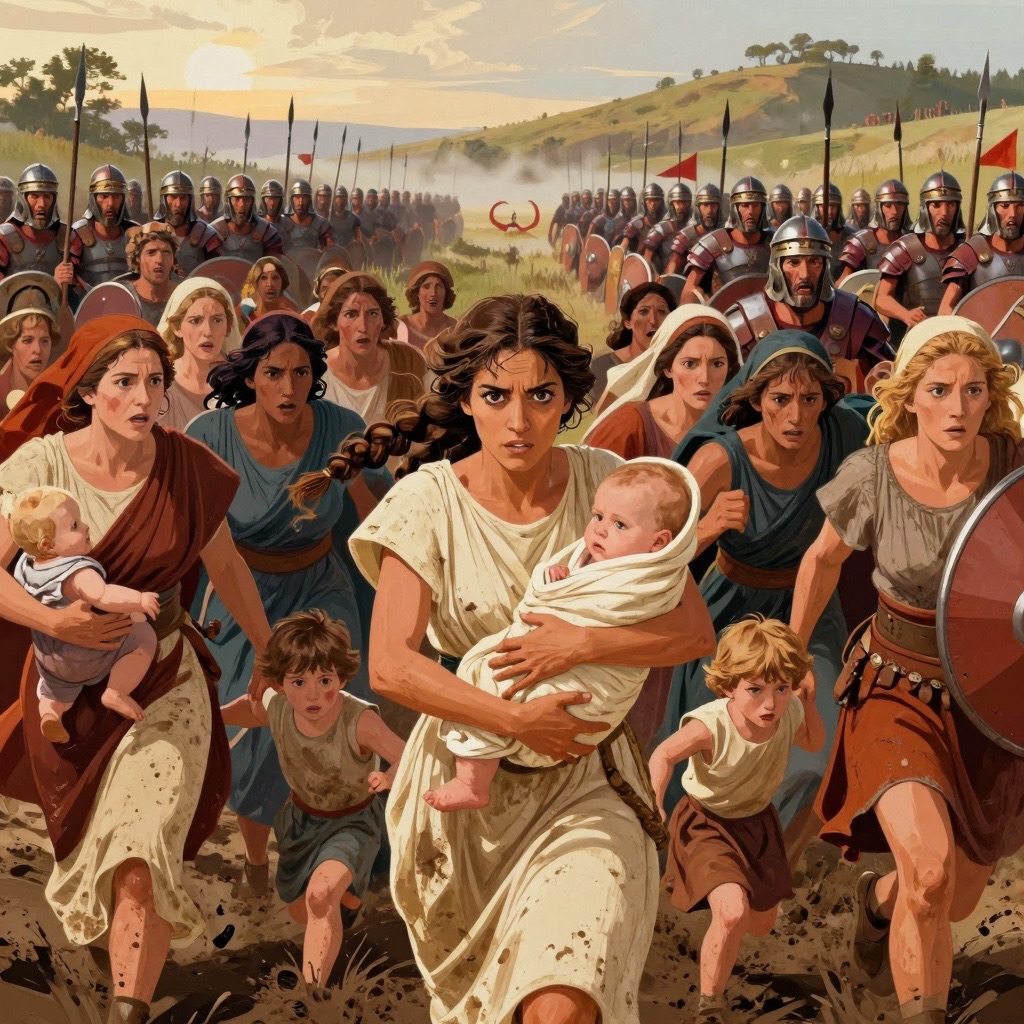
The Rape of the Sabine Women: Rome's Foundational Crime
In 753 BCE, Romulus orchestrated the mass abduction of women from the neighboring Sabine tribe. The event sparked a war, a betrayal, and a peace that merged two peoples into one city.
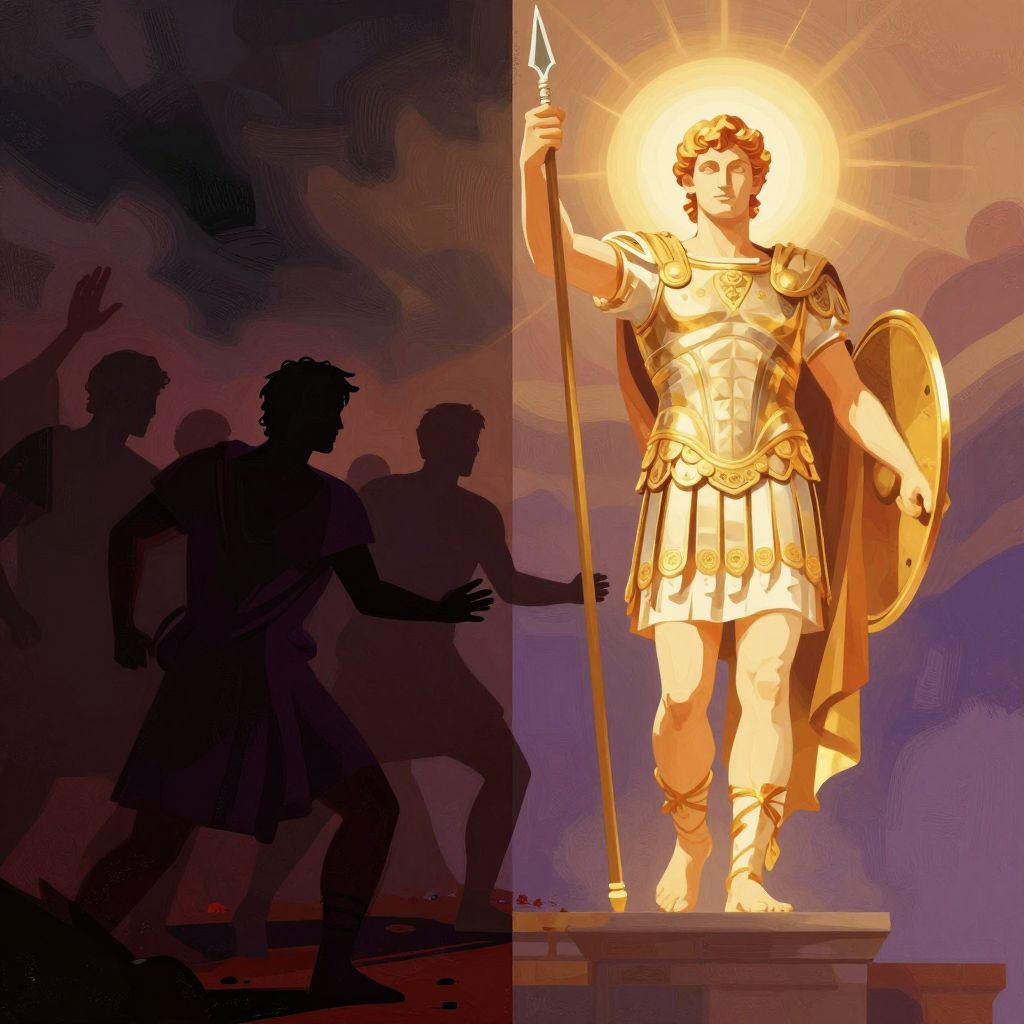
The Death of Romulus: Murder, Storm, and Divine Transformation
In 717 BCE, Rome's founder vanished during a violent storm. Ancient sources tell conflicting stories: divine ascension or brutal assassination? The truth reveals Rome's dangerous power dynamics.
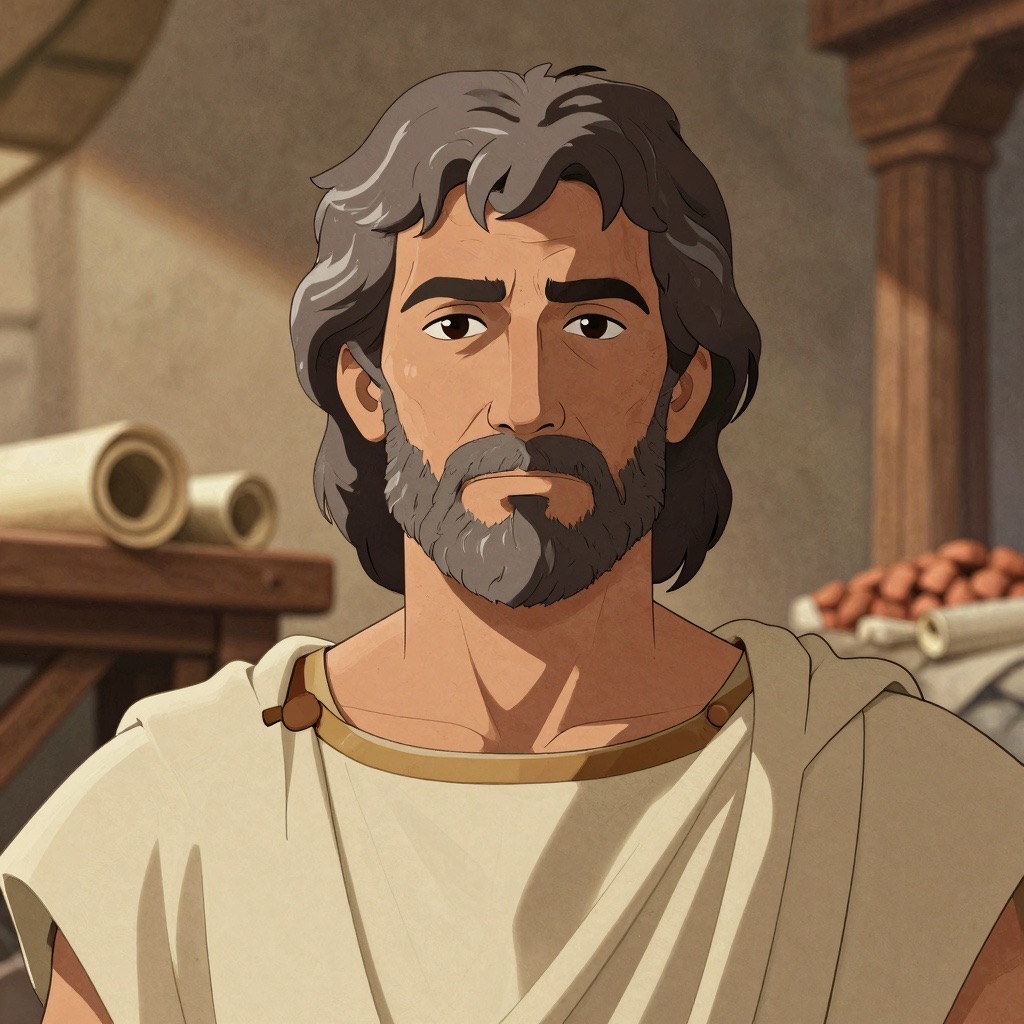
Numa Pompilius: The Philosopher-King Who Gave Rome Its Soul
When Rome's warlike founder vanished, the Senate chose a man who didn't want the job. Numa Pompilius ruled for 43 years without a single war, building the religious foundations that would define Roman civilization for a millennium.
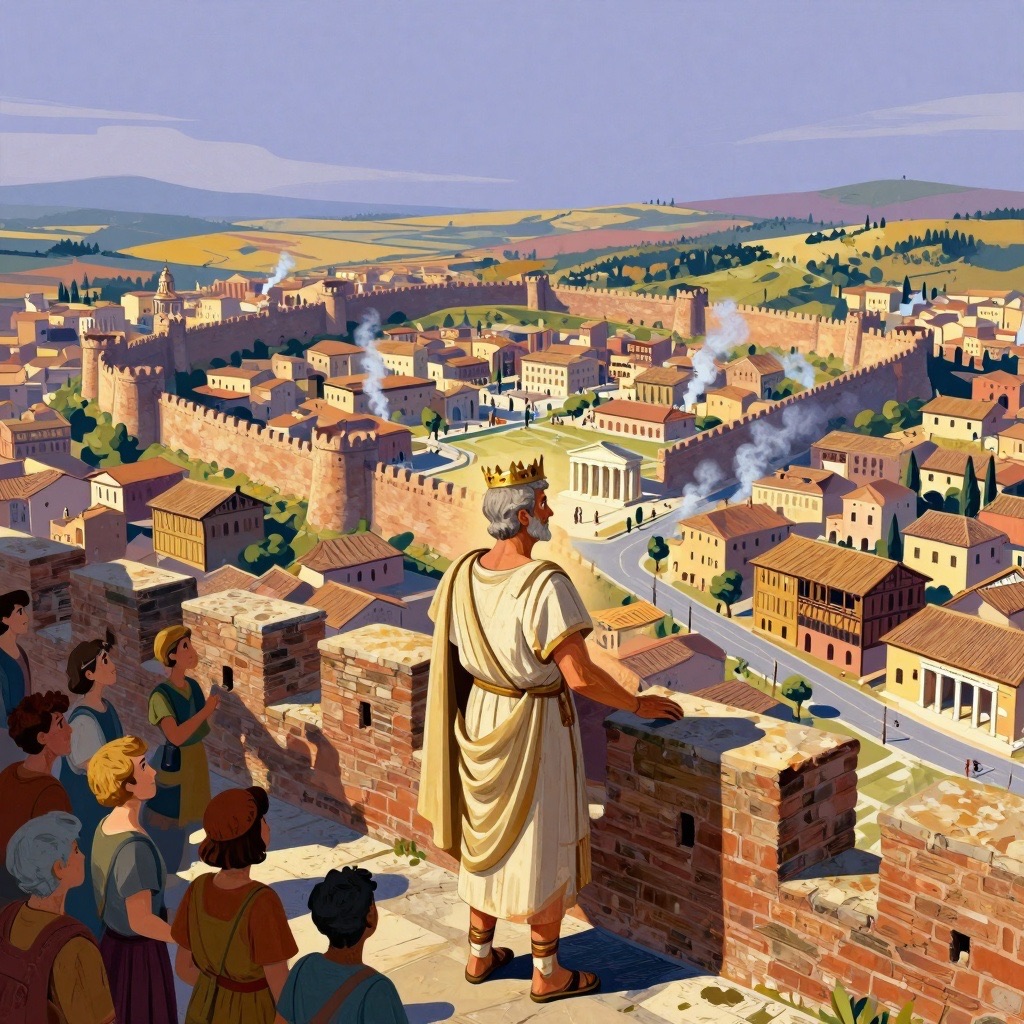
Servius Tullius: The Slave Who Became King and Transformed Rome
How a servant's son rose to become Rome's sixth king, revolutionized Roman society through constitutional reforms, and met a brutal end at the hands of his own family. The tragic story of Rome's greatest reformer.
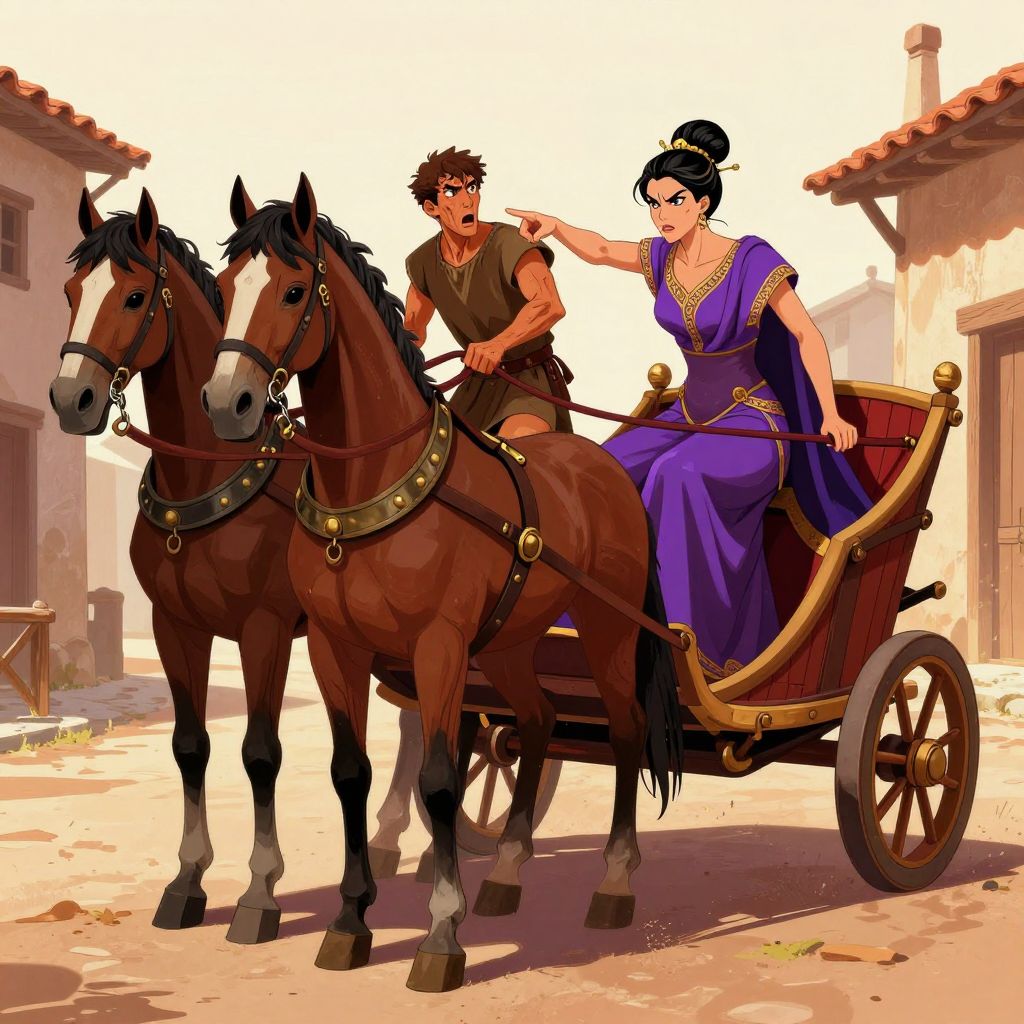
Tarquinius Superbus: Rome's Last King and the Birth of the Republic
How Lucius Tarquinius Superbus seized power through murder, ruled as a tyrant for 25 years, and lost everything when his son assaulted a noblewoman. The fall of Rome's monarchy.
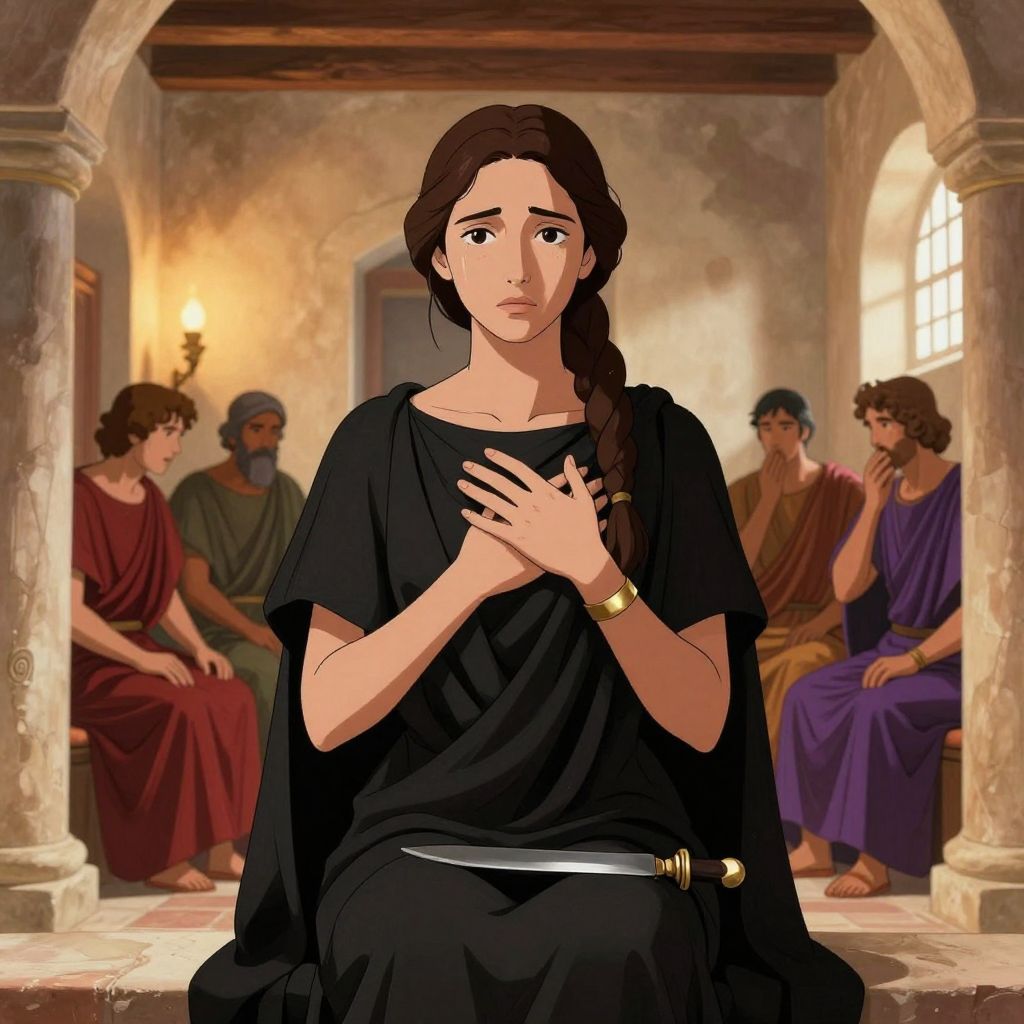
The Story of Lucretia: The Rape That Ended Rome's Monarchy
How Lucretia's death in 509 BCE triggered a revolution that abolished the Roman kings. The calculated martyrdom that launched the Roman Republic.
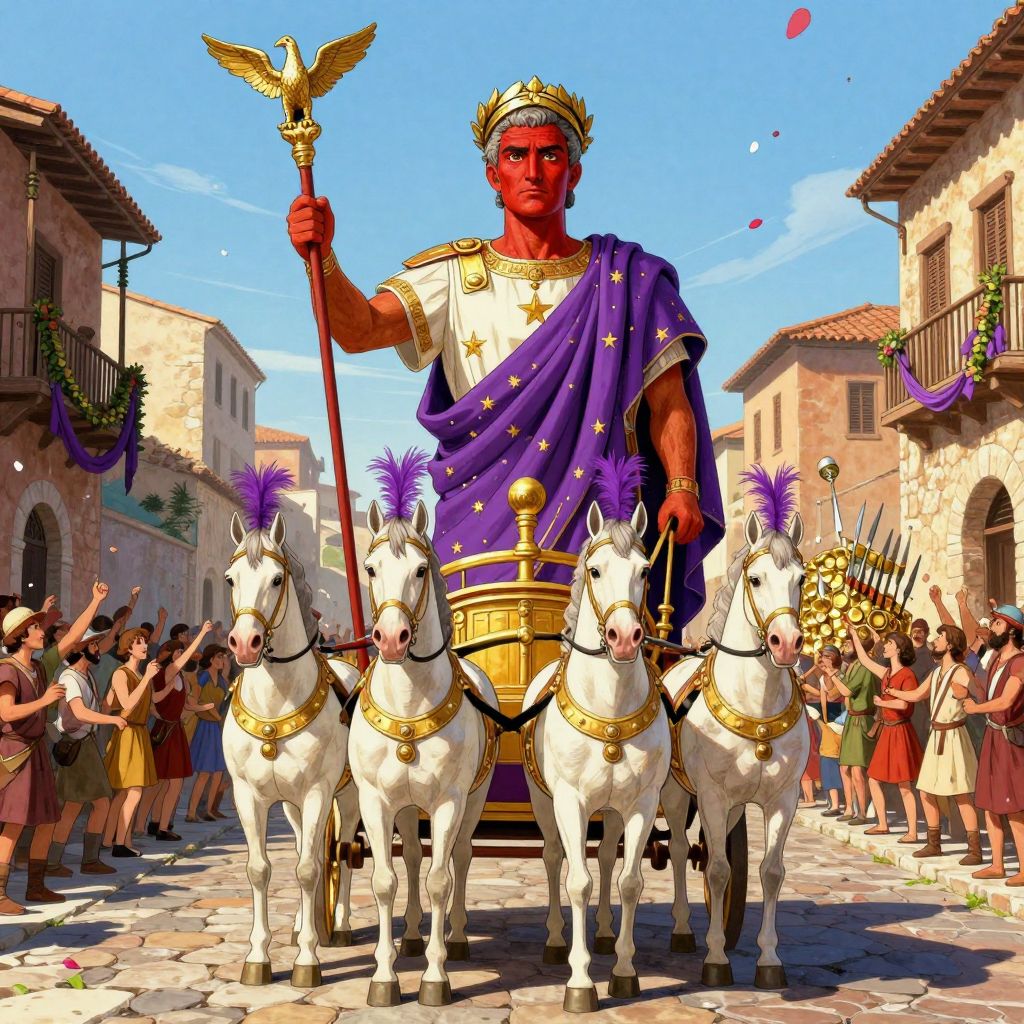
The Roman Triumph: Glory, Humiliation, and the Price of Victory
For one day, a Roman general could become a god. Face painted red, dressed in Jupiter's regalia, he rode through Rome in a golden chariot. But behind the glory lurked a darker truth about what victory cost.
The First Secession of the Plebs: Rome's Original General Strike
In 494 BCE, every baker, farmer, and soldier walked out of Rome overnight. The city's elite woke to empty streets and a terrifying silence. This is how Rome's common people invented the general strike and won political power through sheer refusal.
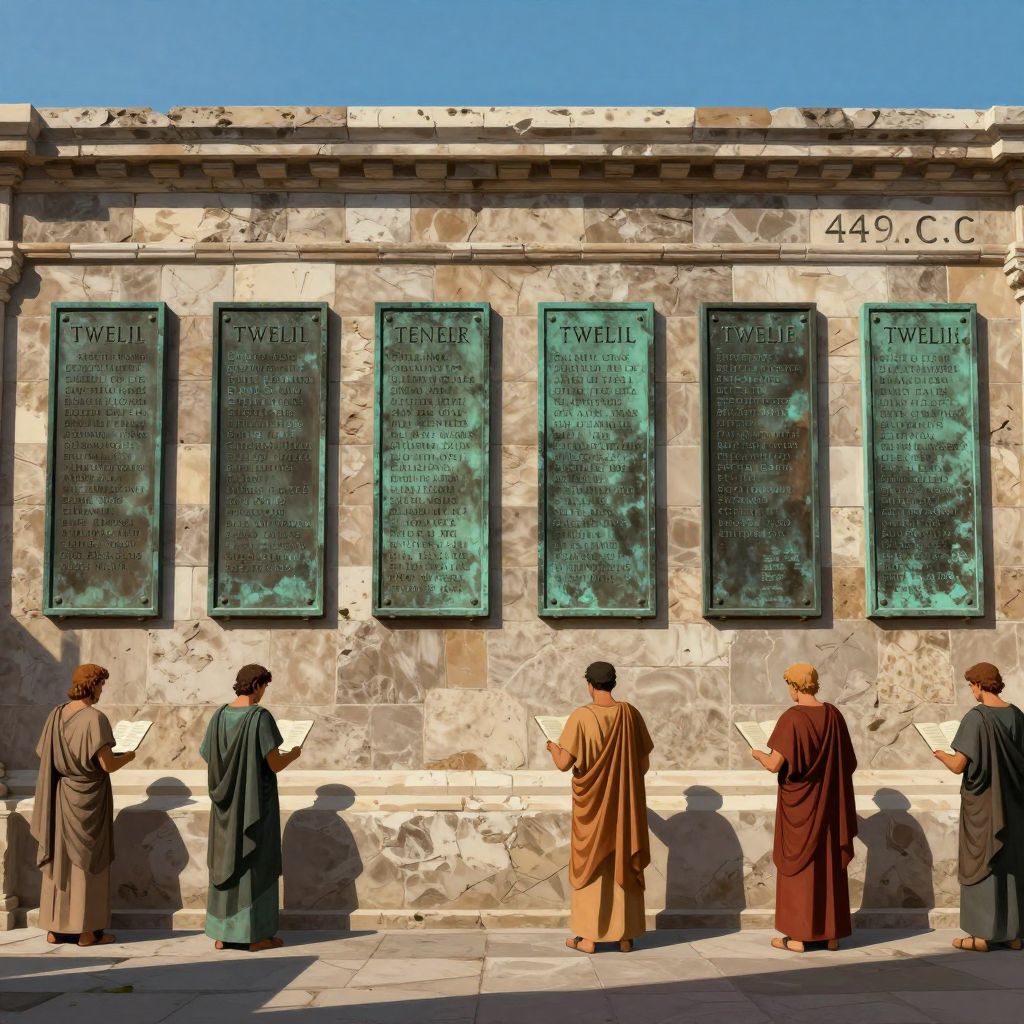
The Twelve Tables: Rome's First Written Law Code
In 451-450 BCE, Rome carved its laws into bronze for the first time. The Twelve Tables ended centuries of patrician legal manipulation and became the foundation of Western law.
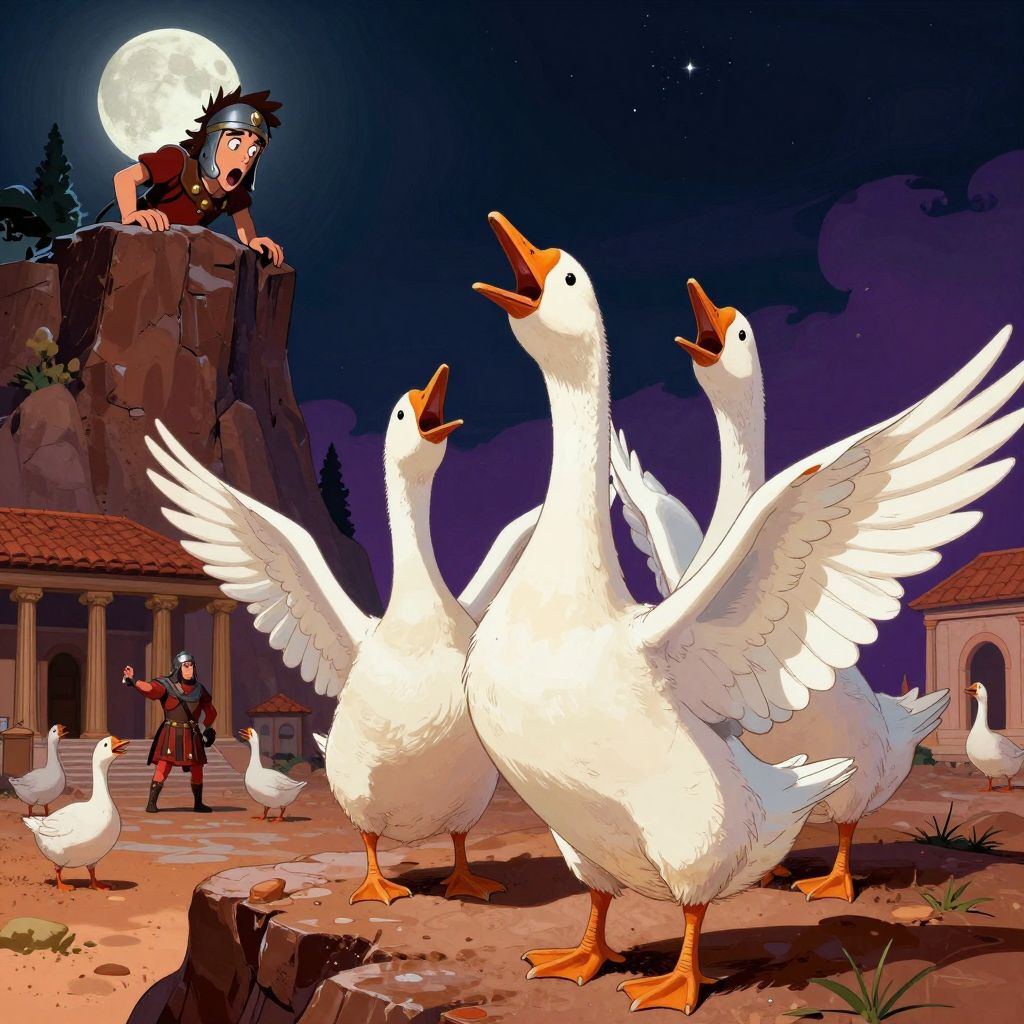
The Sack of Rome (390 BCE): Vae Victis
In 390 BCE, Gallic warriors burned Rome to the ground and demanded gold for ransom. When Romans complained about rigged scales, Brennus threw his sword on the weights: 'Woe to the vanquished.'
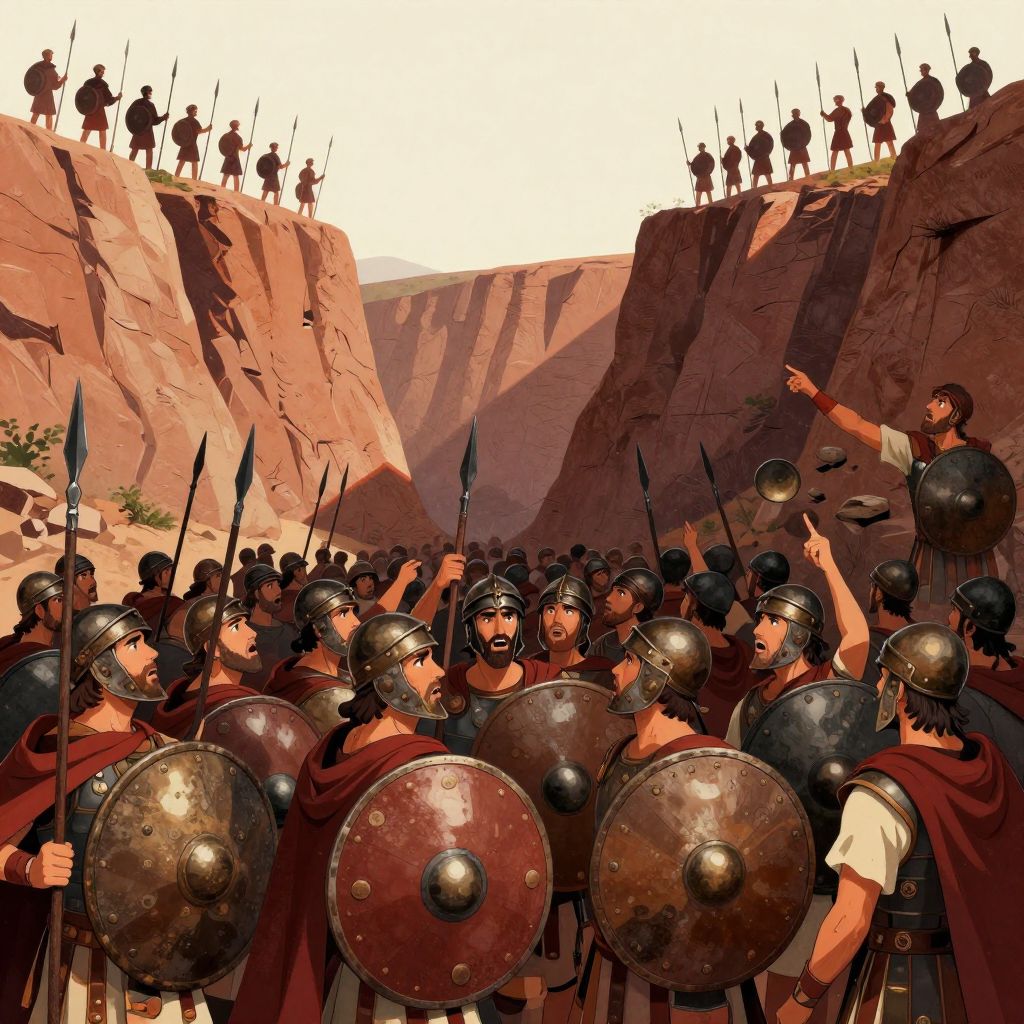
The Battle of Caudine Forks: Rome's Greatest Humiliation
In 321 BCE, an entire Roman army surrendered without a fight, forced to crawl beneath the yoke while Samnite warriors watched and laughed. This humiliation shaped Rome's character for centuries.
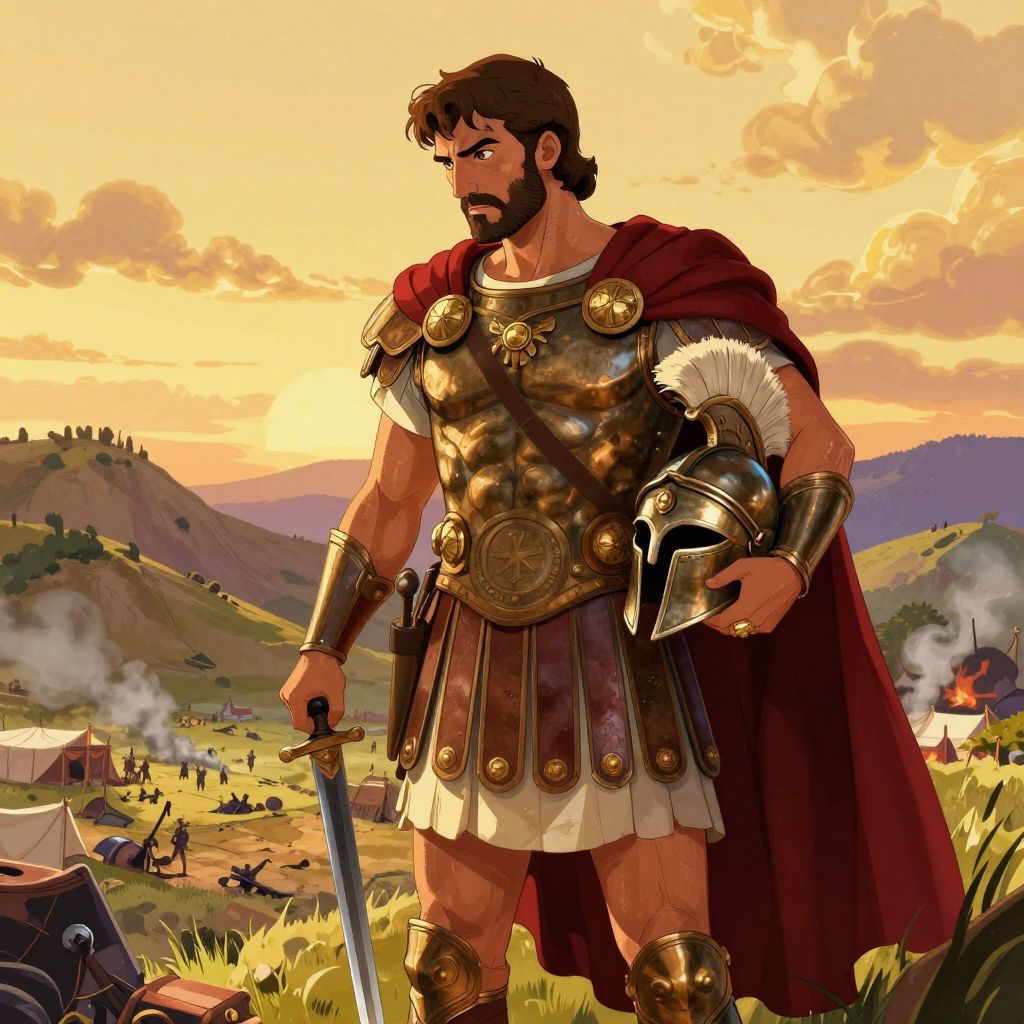
Pyrrhic Victory: The King Who Won Himself to Death
280 BCE. King Pyrrhus of Epirus crushed Rome at Heraclea and Asculum. He won both battles. Rome sent more legions. 'One more such victory,' he said, 'and I am undone.' The phrase that outlasted his empire.
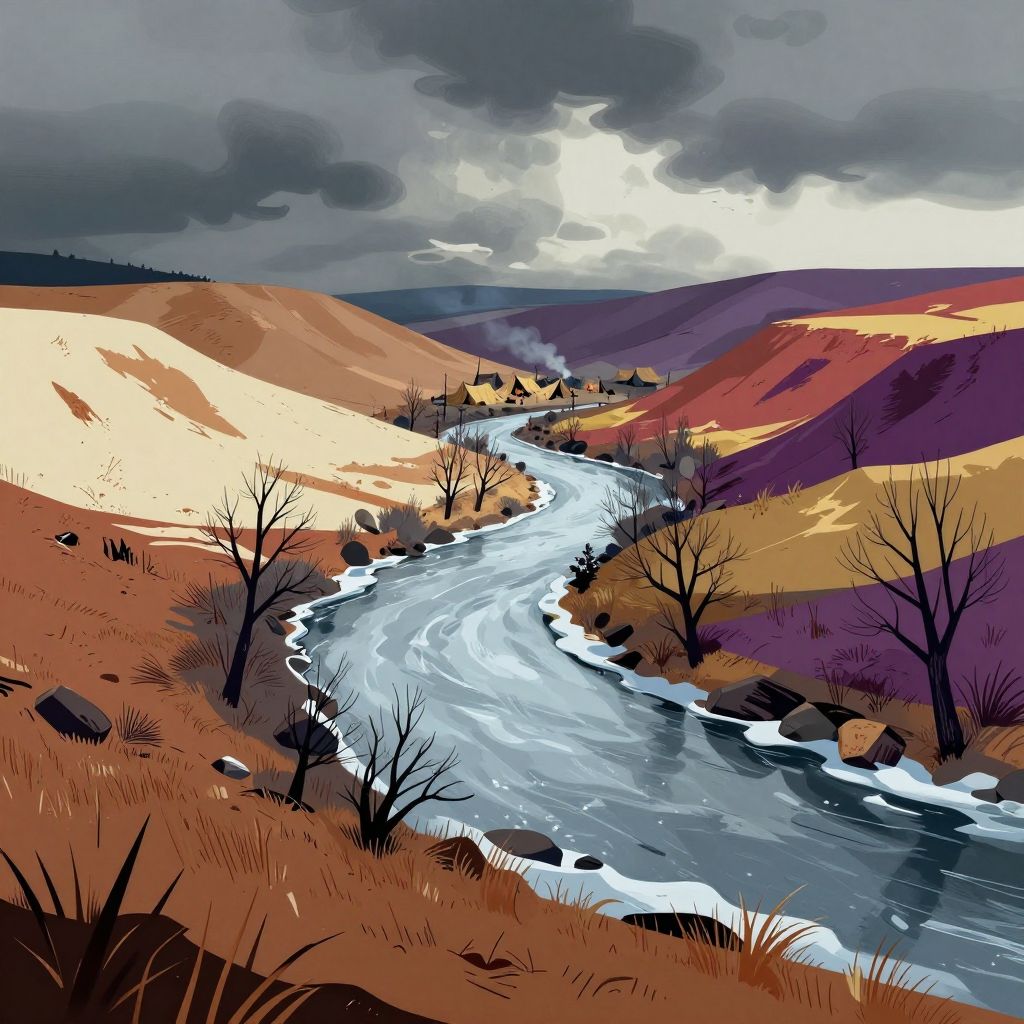
Battle of Trebia: Hannibal's First Victory in Italy
In December 218 BCE, Hannibal Barca destroyed a Roman army of 40,000 men at the Trebia River. Cold, hunger, and tactical genius combined to deliver Rome's first major defeat in the Second Punic War.
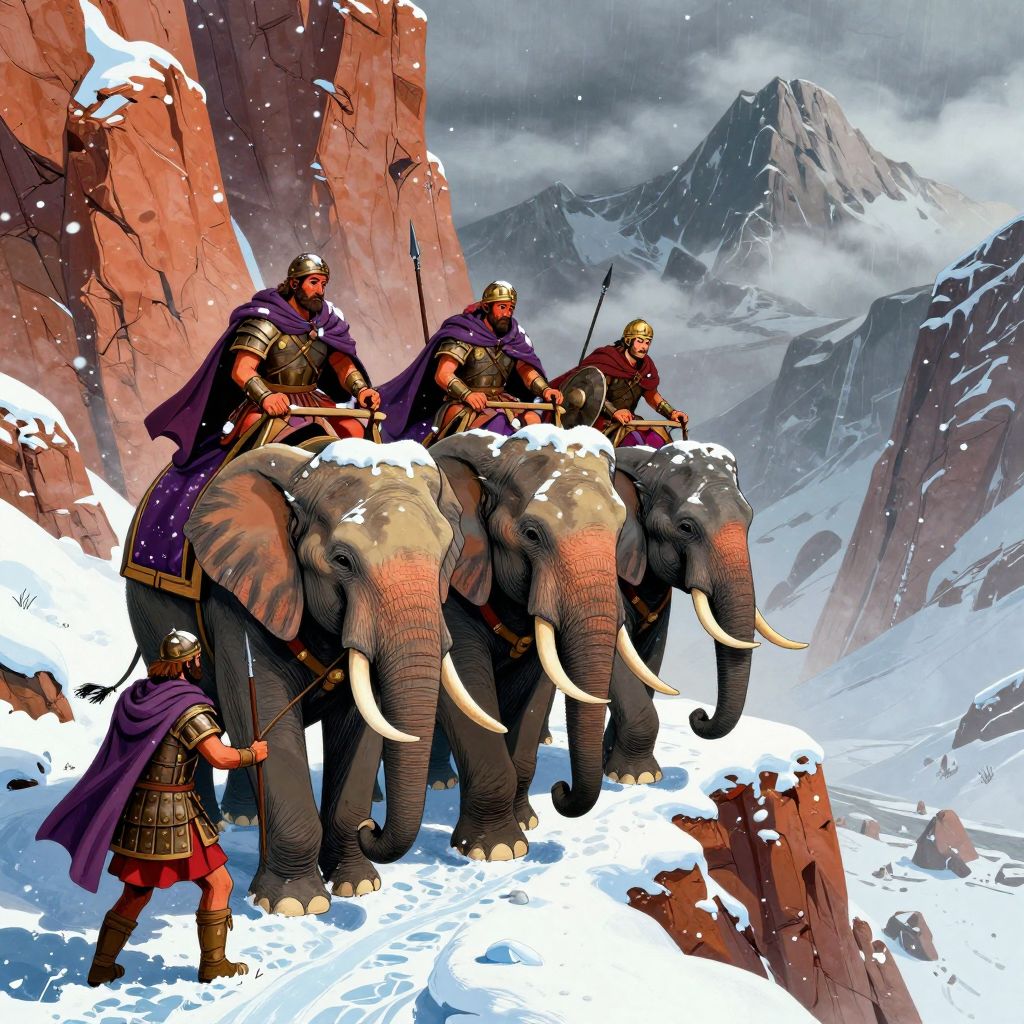
Hannibal Crossing the Alps: The March That Changed History
In 218 BCE, Hannibal Barca led 50,000 soldiers and 37 elephants across the Alps into Italy. He lost half his army to the mountains. Then he started winning.

The Battle of Lake Trasimene: The Largest Ambush in Military History
On June 21st, 217 BCE, Hannibal Barca lured an entire Roman army into a fog-shrouded deathtrap. 15,000 Romans died in three hours. The consul never saw the attack coming.
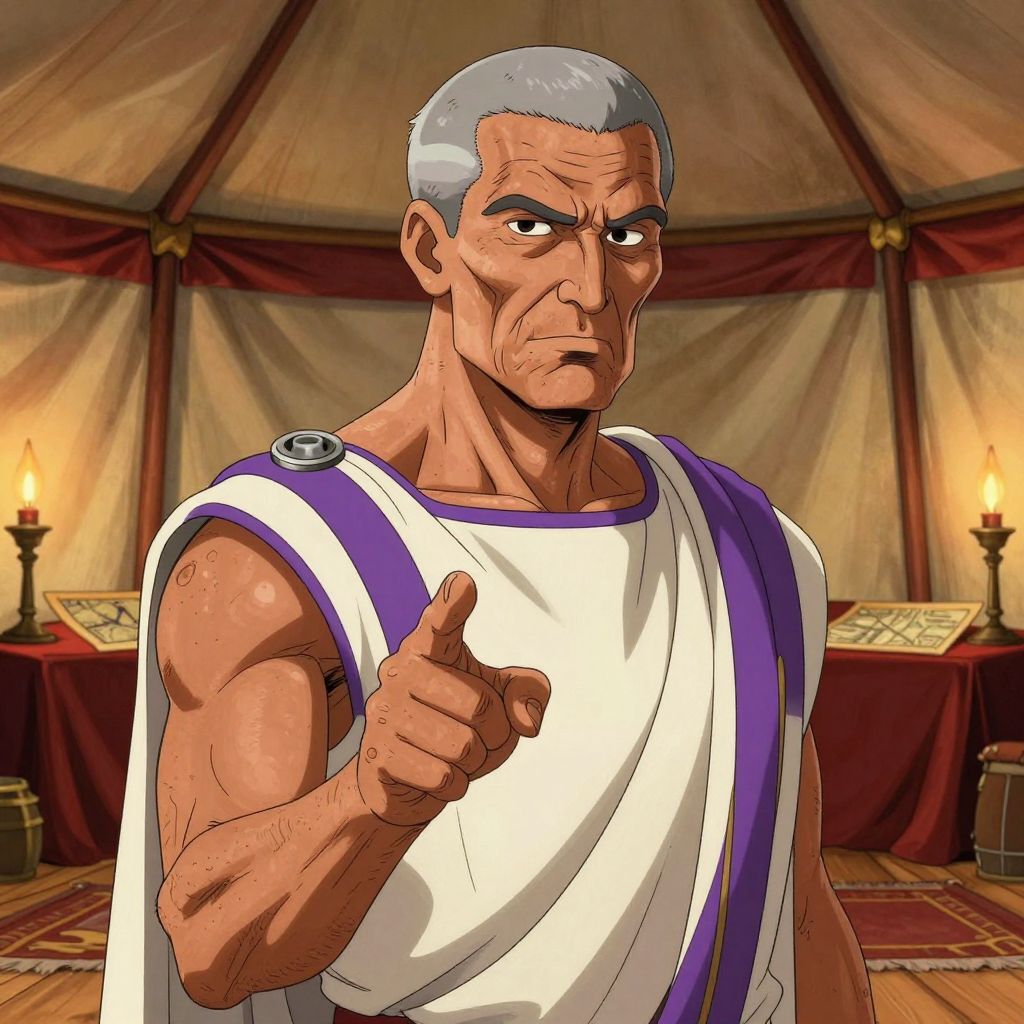
The Fabian Strategy: How Doing Nothing Saved Rome
After Hannibal slaughtered 70,000 Romans at Cannae, one old man's 'cowardly' strategy of refusing to fight became Rome's only hope. Quintus Fabius Maximus was called a disgrace. History proved him right.
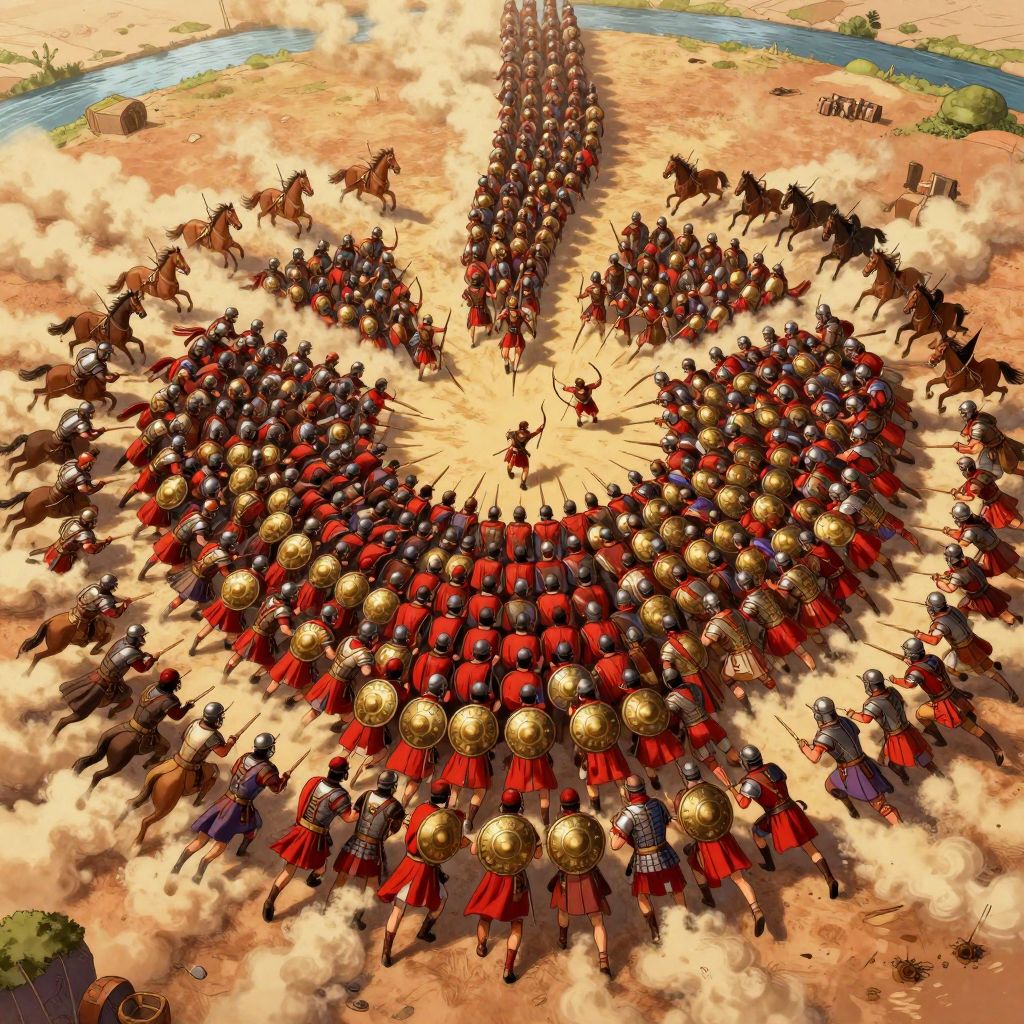
Battle of Cannae: Rome's Worst Defeat
Learn how Hannibal Barca destroyed the largest Roman army ever assembled in a single day. The Battle of Cannae (216 BCE) remains one of history's most studied military disasters.
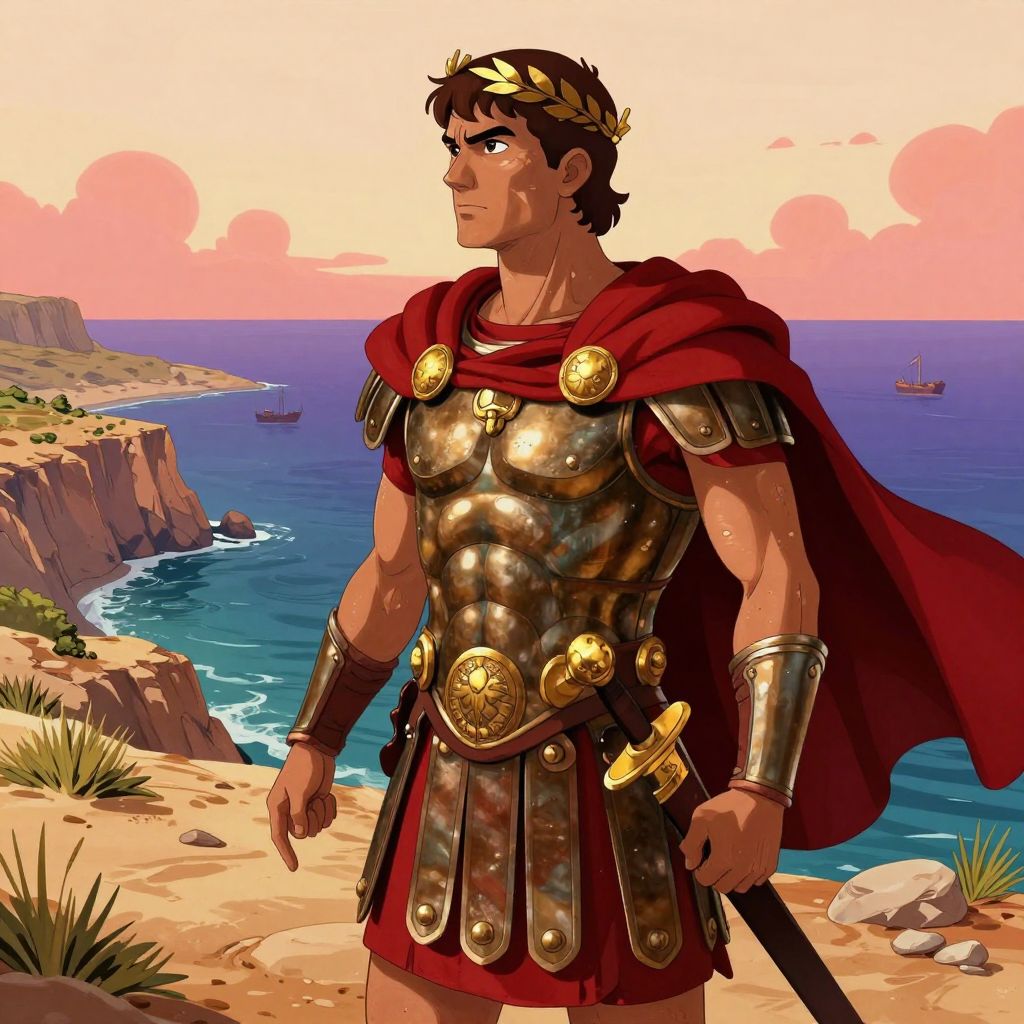
The Battle of Zama: How Rome Finally Defeated Hannibal
In October 202 BCE, Scipio Africanus used Hannibal's own tactics against him at the Battle of Zama, ending the seventeen-year Second Punic War and establishing Roman dominance over the Mediterranean.
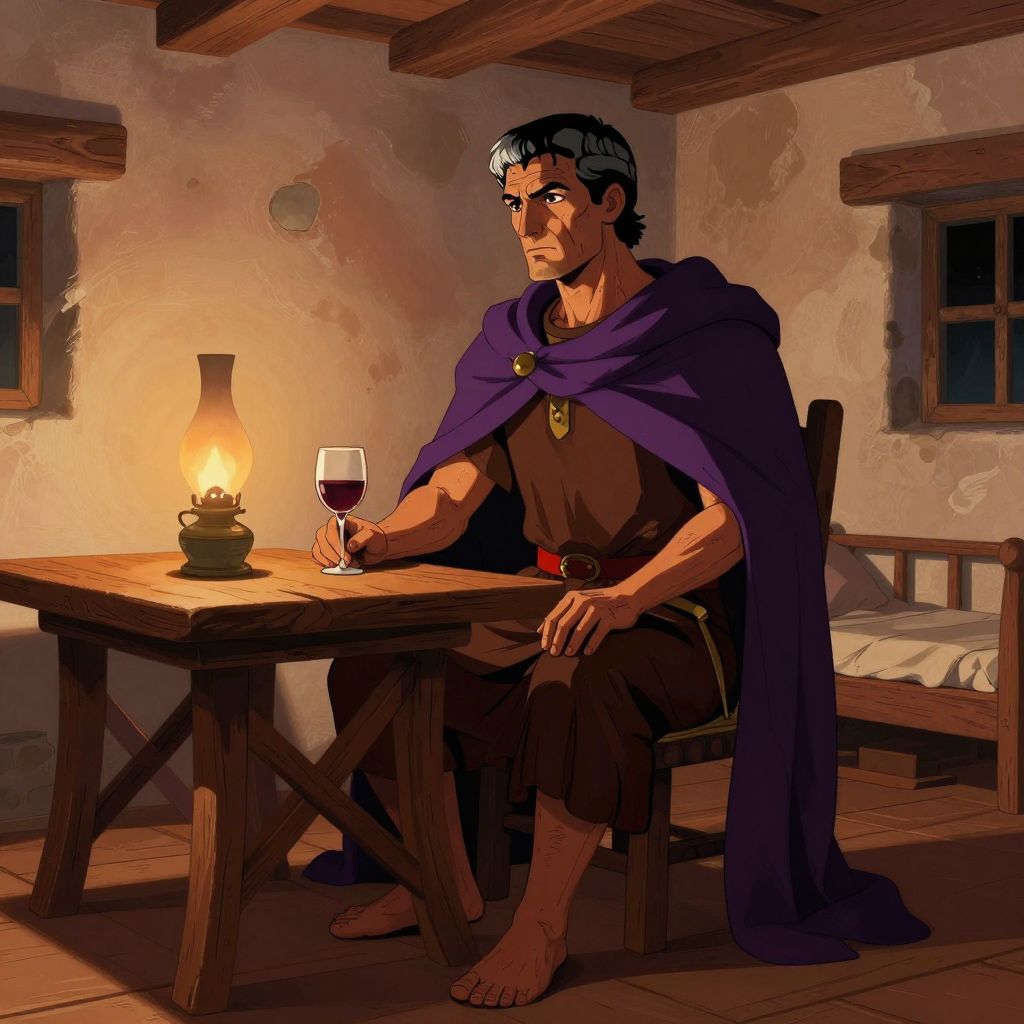
The Death of Hannibal Barca: Rome's Longest Hunt Ends
In 183 BCE, after 12 years of exile and running from Roman agents, Hannibal Barca took poison rather than be captured. He was 64 years old. Rome's nightmare ended by his own hand.
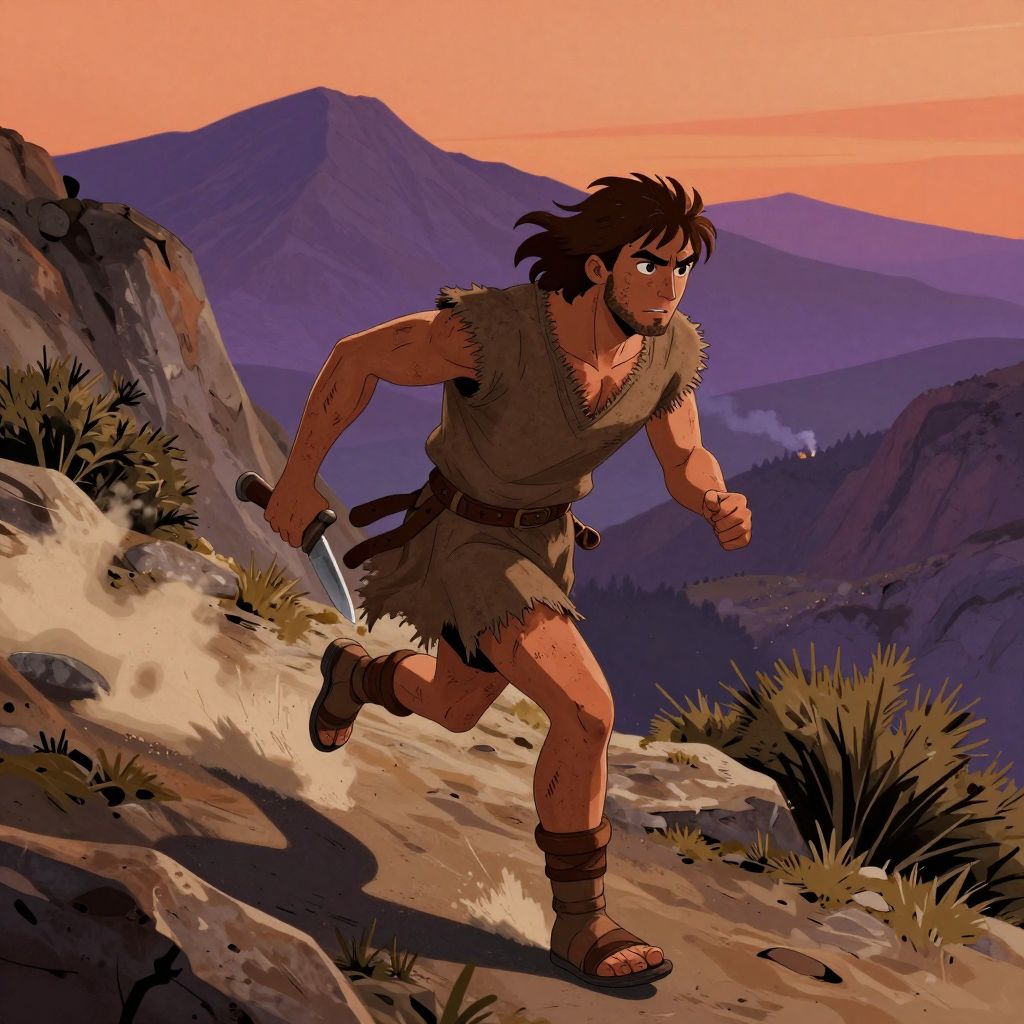
Viriathus: The Shepherd Who Made Rome Pay
In 150 BCE, a Roman governor promised peace to the Lusitanians. Then he slaughtered them. One survivor escaped with a knife. Eight years later, Rome needed three traitors and a dark tent to stop him.
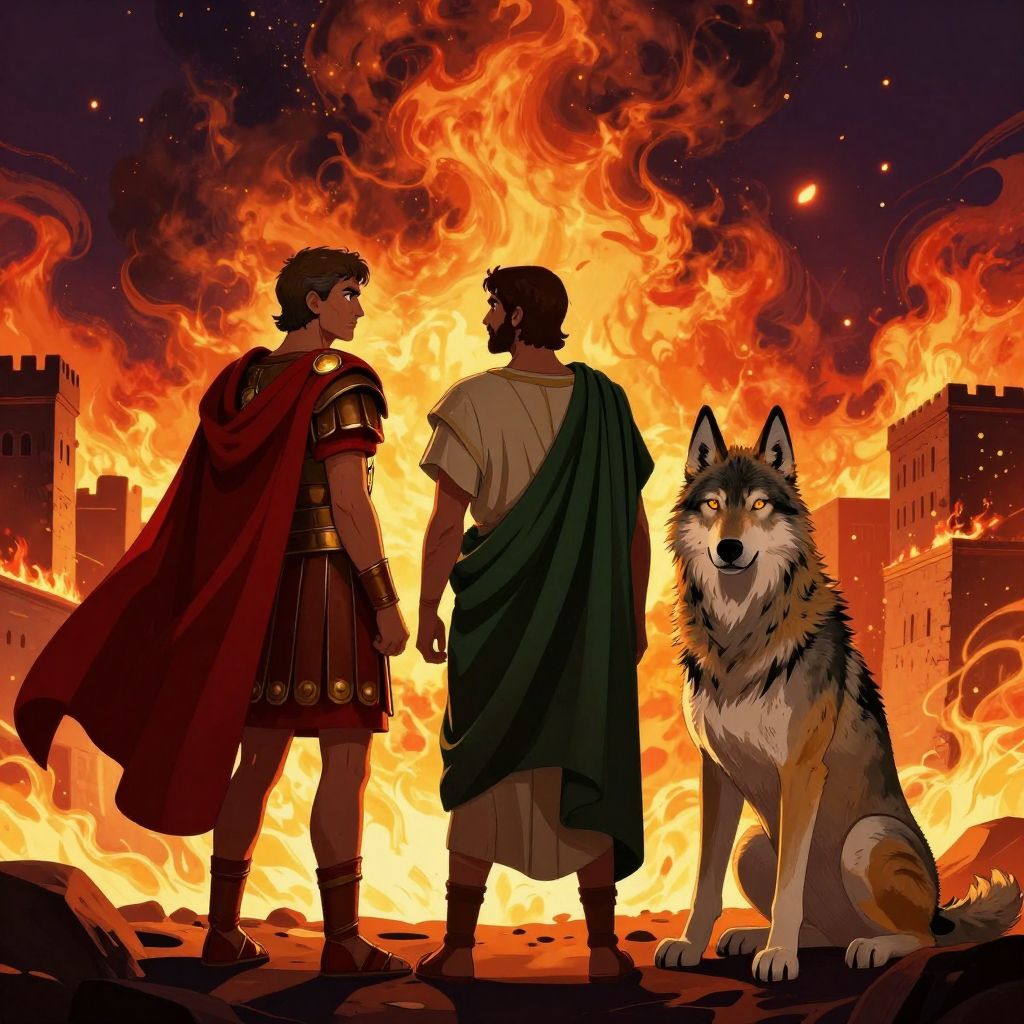
Destruction of Carthage: The End of Rome's Greatest Enemy
In 146 BCE, Rome erased Carthage from existence. After a brutal three-year siege, Scipio Aemilianus burned the city and sold its survivors into slavery. The Third Punic War ended not with surrender, but with annihilation.
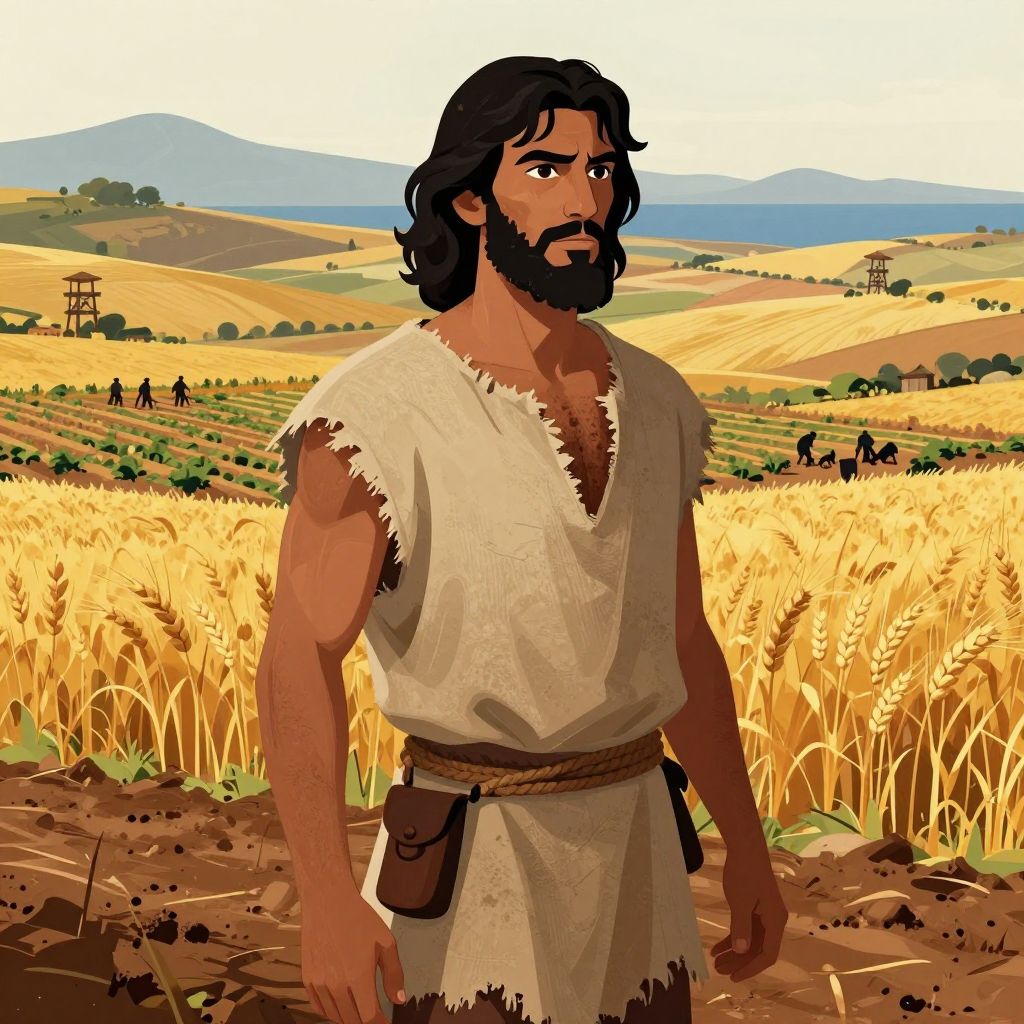
The First Servile War: Eunus and the Slave Kingdom of Sicily
In 135 BCE, a Syrian slave named Eunus convinced 400 men he could breathe fire. Within months, 70,000 slaves followed him. For three years, they held Sicily against Rome's legions. Twenty thousand would die on crosses.
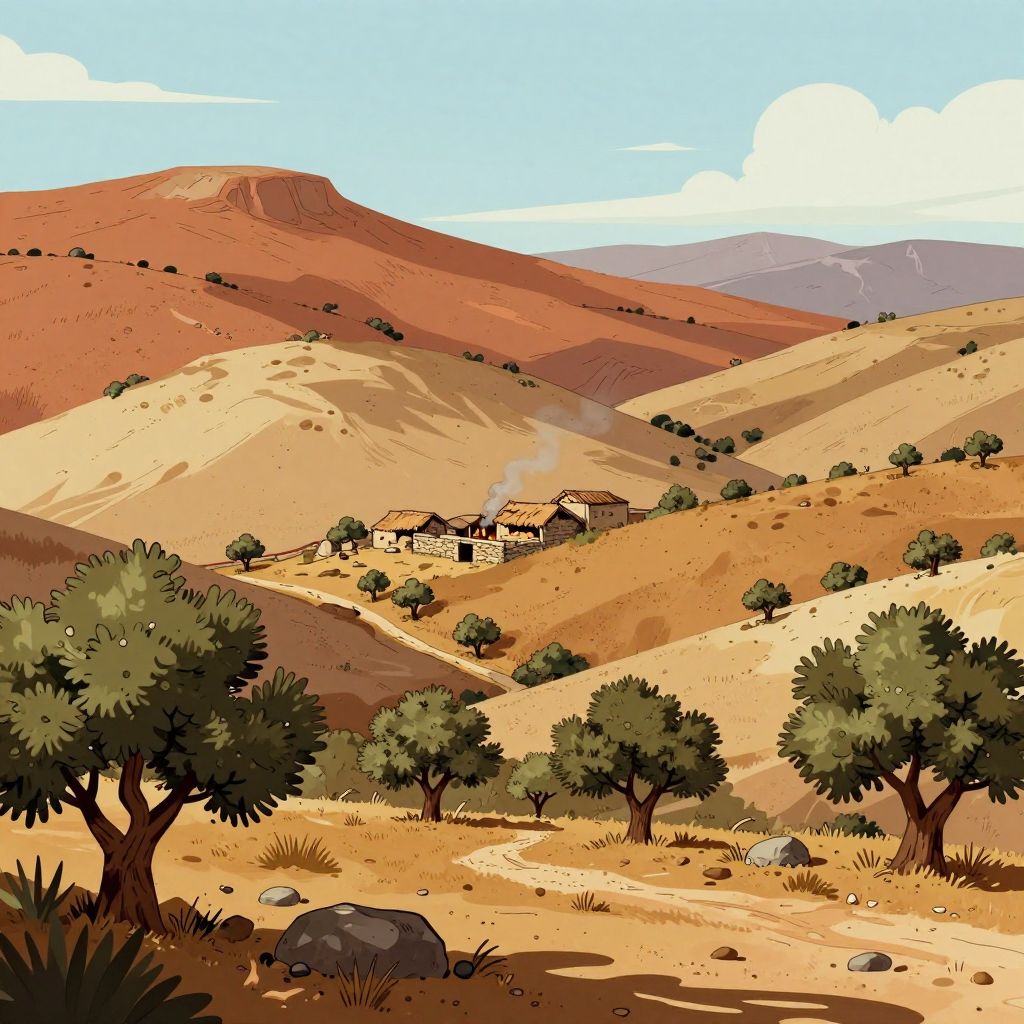
The Siege of Numantia: The City That Chose Death Over Surrender (134-133 BCE)
For twenty years, a small Celtiberian hill-fort of 4,000 people humiliated Rome's legions. In 133 BCE, when Scipio Aemilianus finally broke them, the survivors burned their city and killed themselves rather than march in chains. Numantia became Spain's Masada.
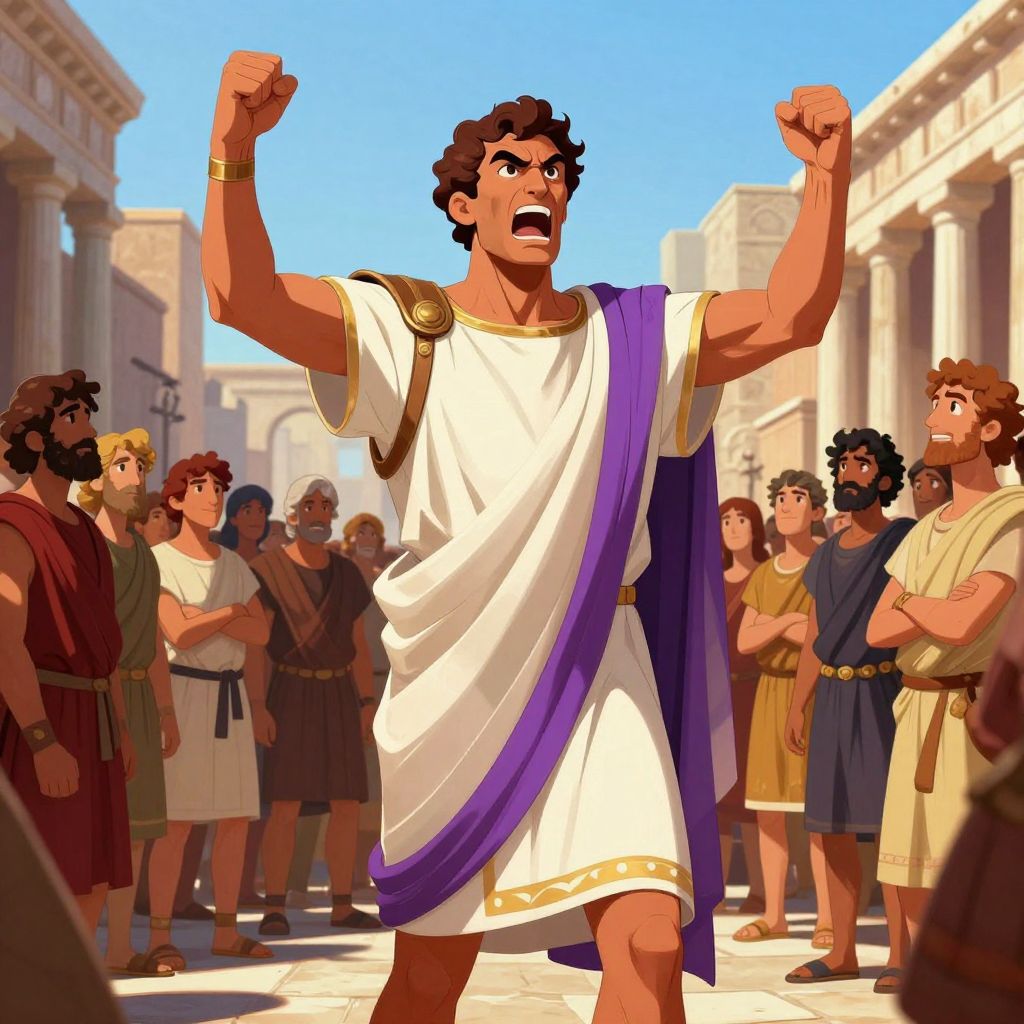
Tiberius Gracchus: The Reformer Who Broke the Republic's Peace
In 133 BCE, three hundred senators beat a tribune to death with chair legs on sacred ground. Tiberius Gracchus had tried to give land to Roman soldiers. The Senate taught him that reform was a death sentence.
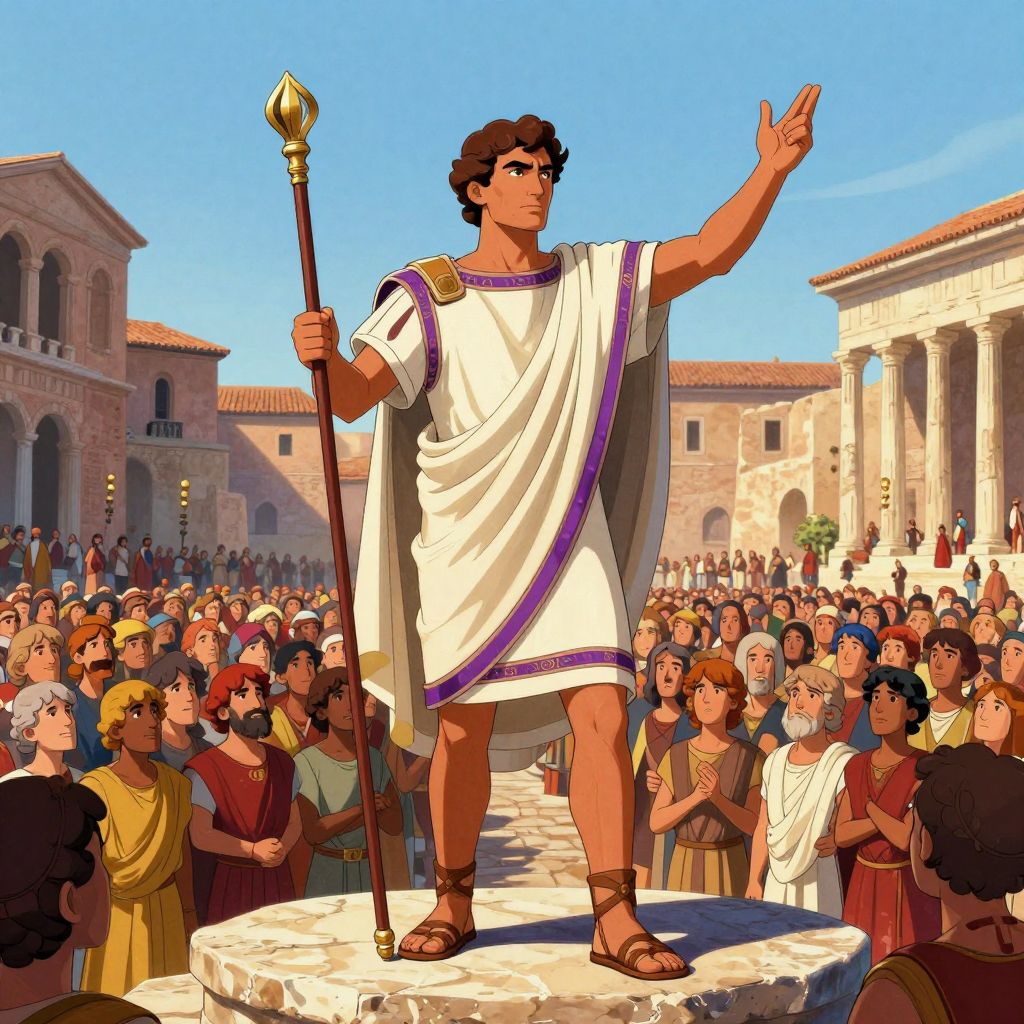
Gaius Gracchus: The Brother Who Chose Revenge Over Survival
Ten years after Rome murdered his brother, Gaius Gracchus returned with something worse than grief: a plan. His reforms would feed the poor and break the Senate. The Senate invented a new weapon to stop him.
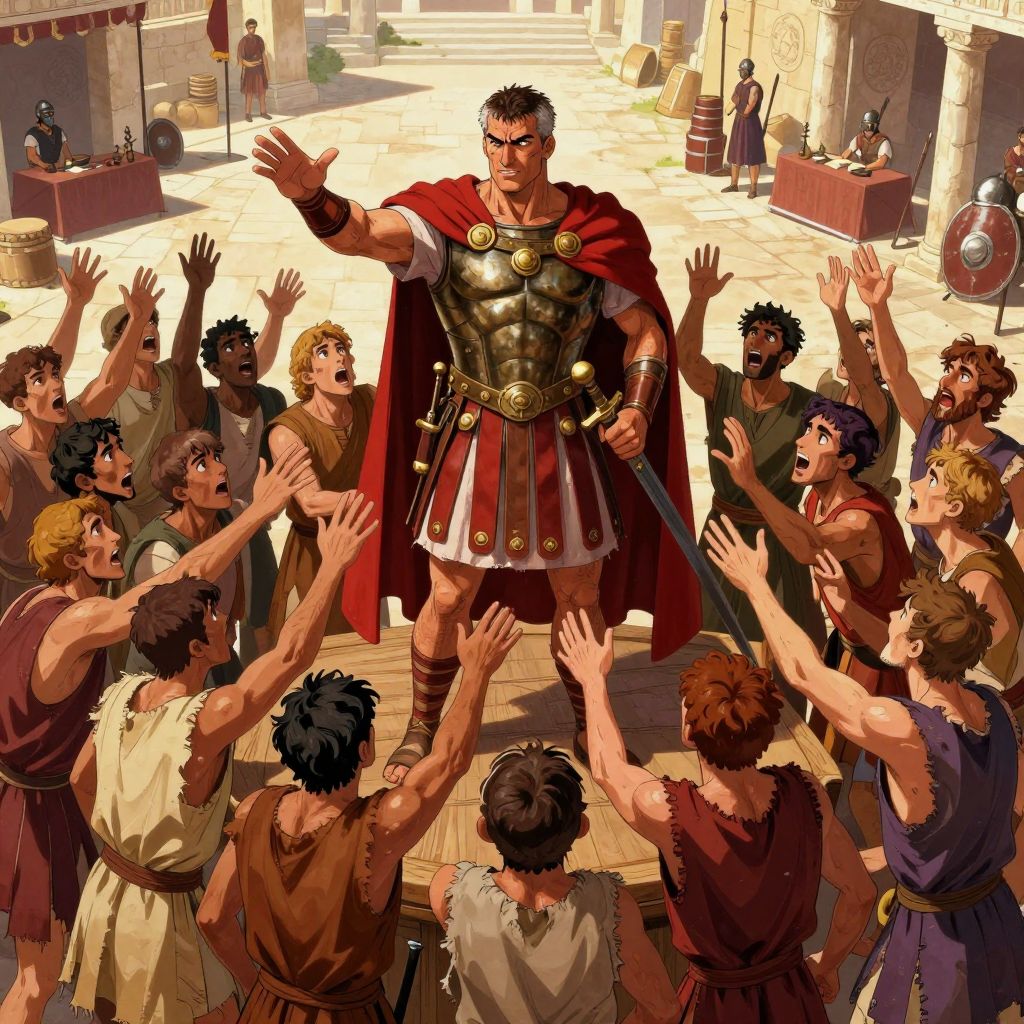
The Marian Reforms: How One General's Desperation Destroyed the Roman Republic
In 107 BCE, Gaius Marius transformed Rome's citizen militia into a professional army. His solution to a military crisis planted the seeds that would eventually bring down the Republic itself.
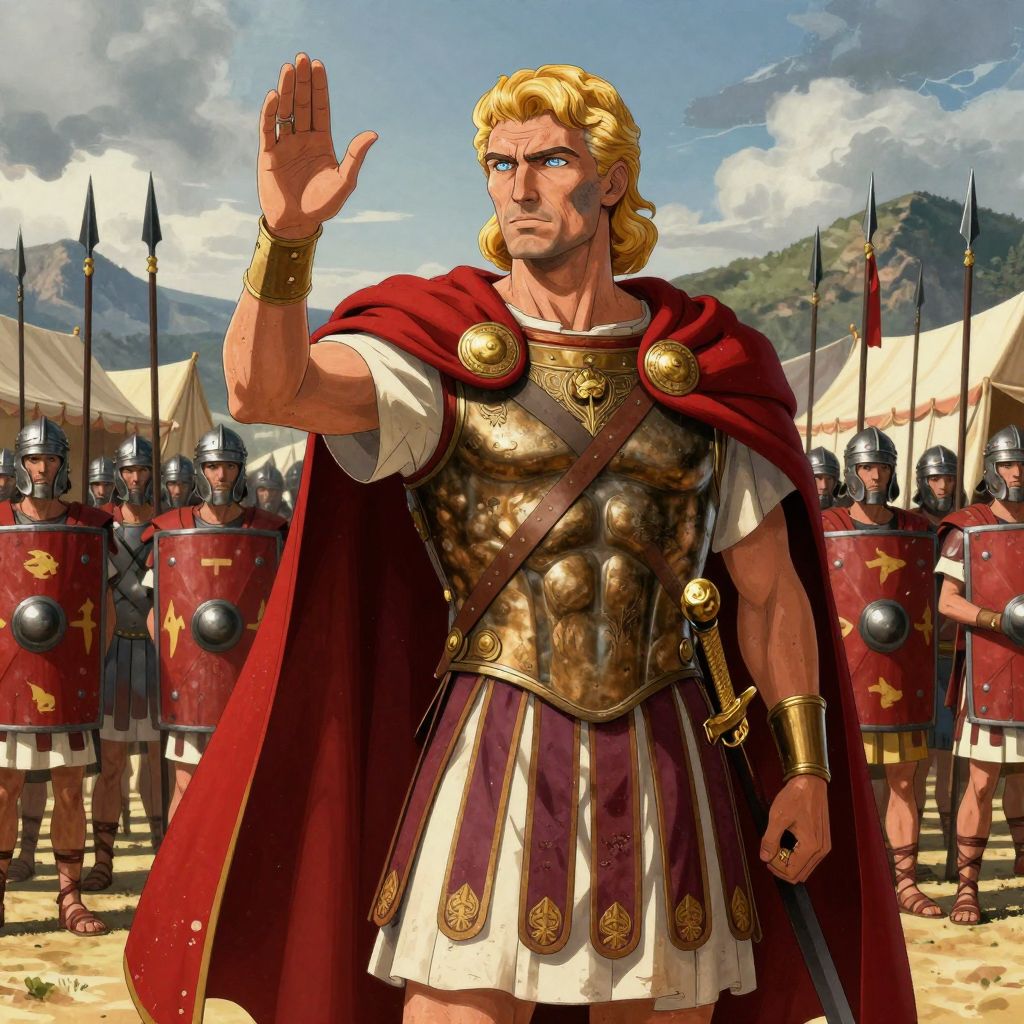
Sulla's March on Rome: The Day the Republic Died
In 88 BCE, Lucius Cornelius Sulla did something no Roman had done in 400 years: he marched his legions against Rome itself. The taboo was broken. The precedent was set. The Republic would never recover.
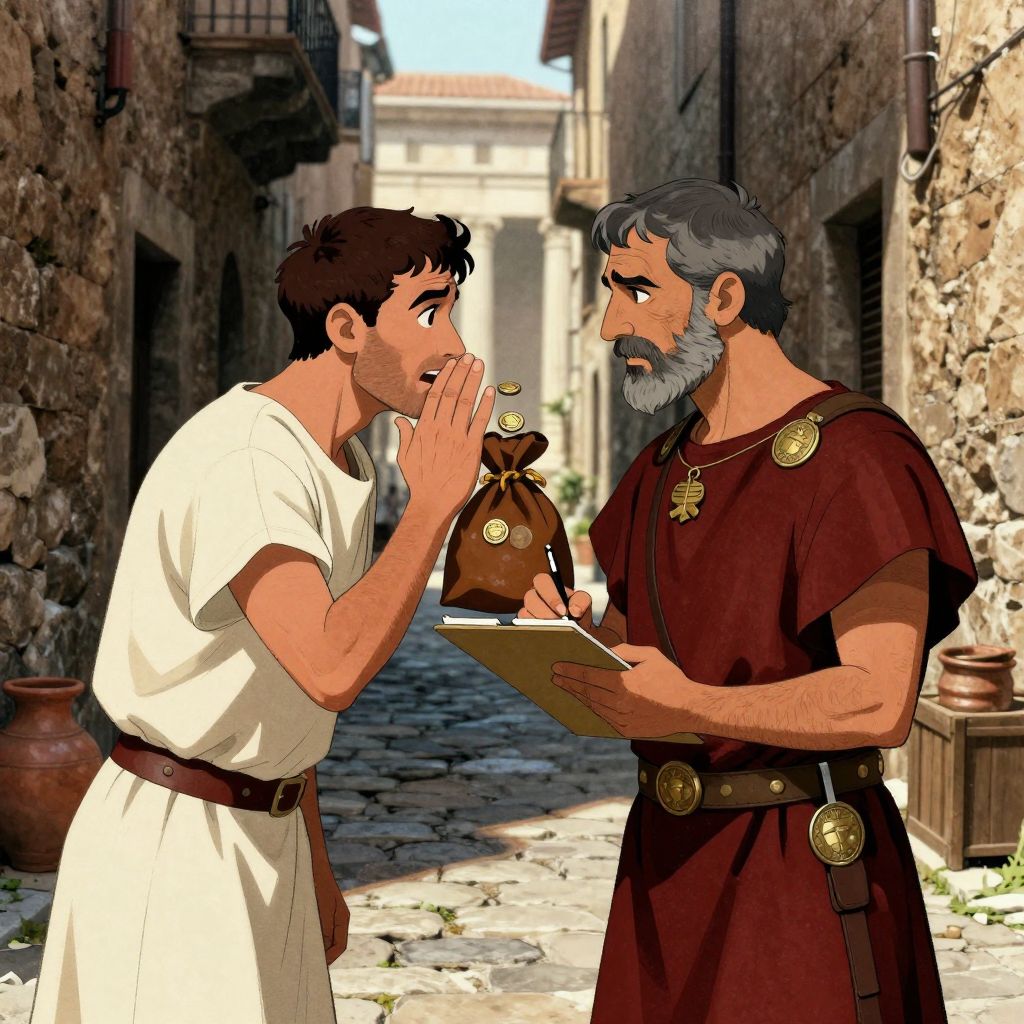
Sulla's Proscriptions: Rome's First Death Lists
In 82 BCE, the dictator Lucius Cornelius Sulla invented bureaucratic murder. Names appeared on wooden boards in the Forum. If yours was there, anyone could kill you and collect a reward. Thousands died. The Republic learned lessons it would never forget.
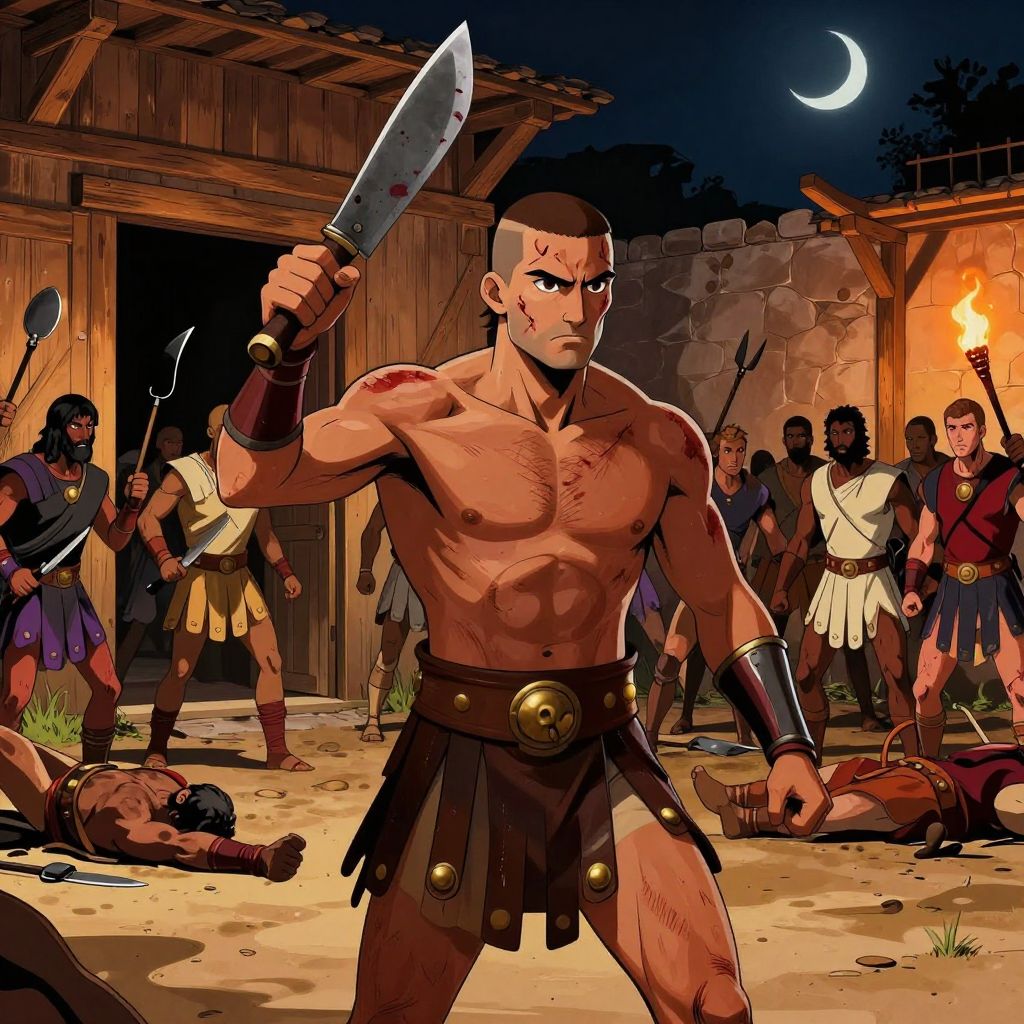
The Spartacus Rebellion: Seventy Gladiators Who Terrified Rome
In 73 BCE, Spartacus escaped from a gladiator school with 70 men armed with kitchen knives. Two years later, 70,000 rebels faced Rome's legions. 6,000 were crucified along 120 miles of road.
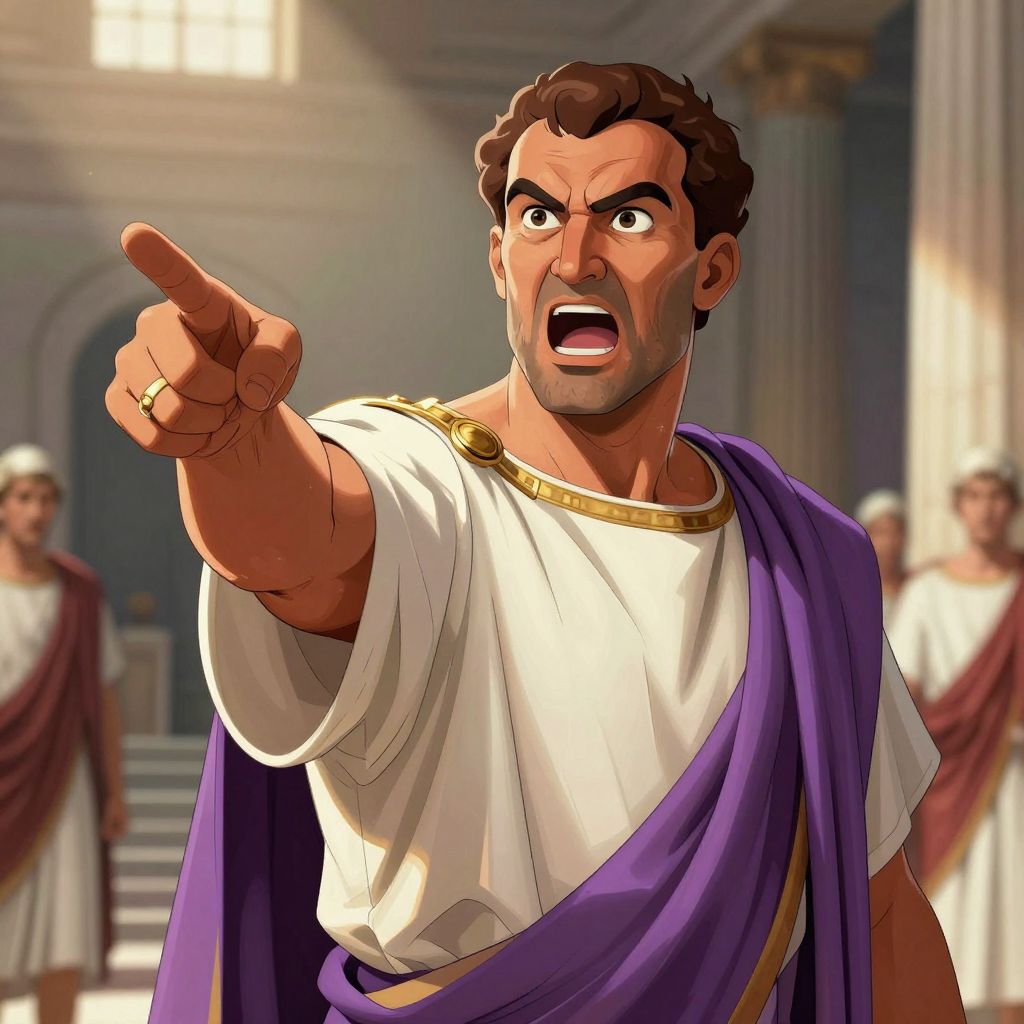
The Catiline Conspiracy: When Cicero Saved the Republic
In 63 BCE, a desperate aristocrat named Catiline plotted to overthrow Rome, cancel all debts, and massacre the Senate. Only one man stood in his way: a lawyer with no army, no ancestors, and the most dangerous voice in the ancient world.
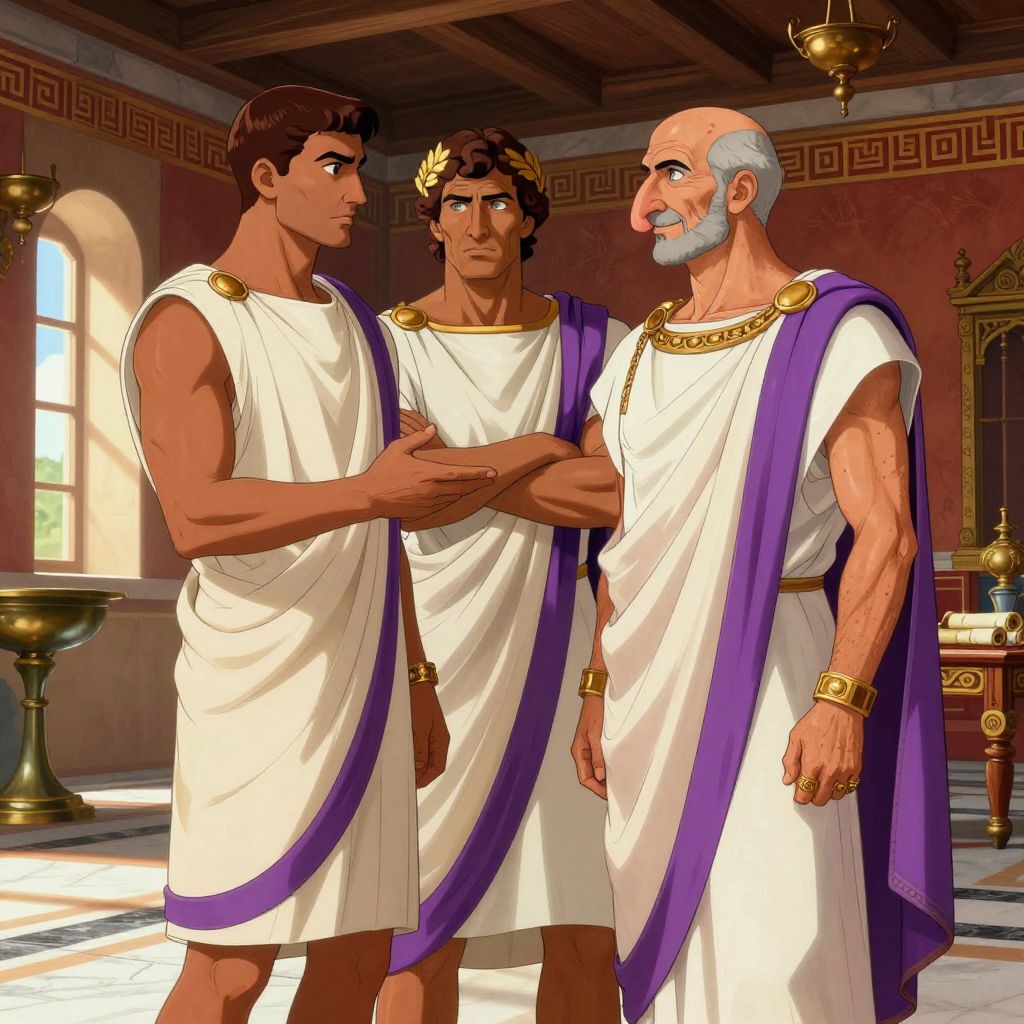
The First Triumvirate: When Three Men Carved Up the Roman Republic
In 60 BCE, Julius Caesar, Pompey the Great, and Marcus Crassus formed a secret alliance that would destroy the Roman Republic. No vote. No ceremony. Just a handshake between ambitions.
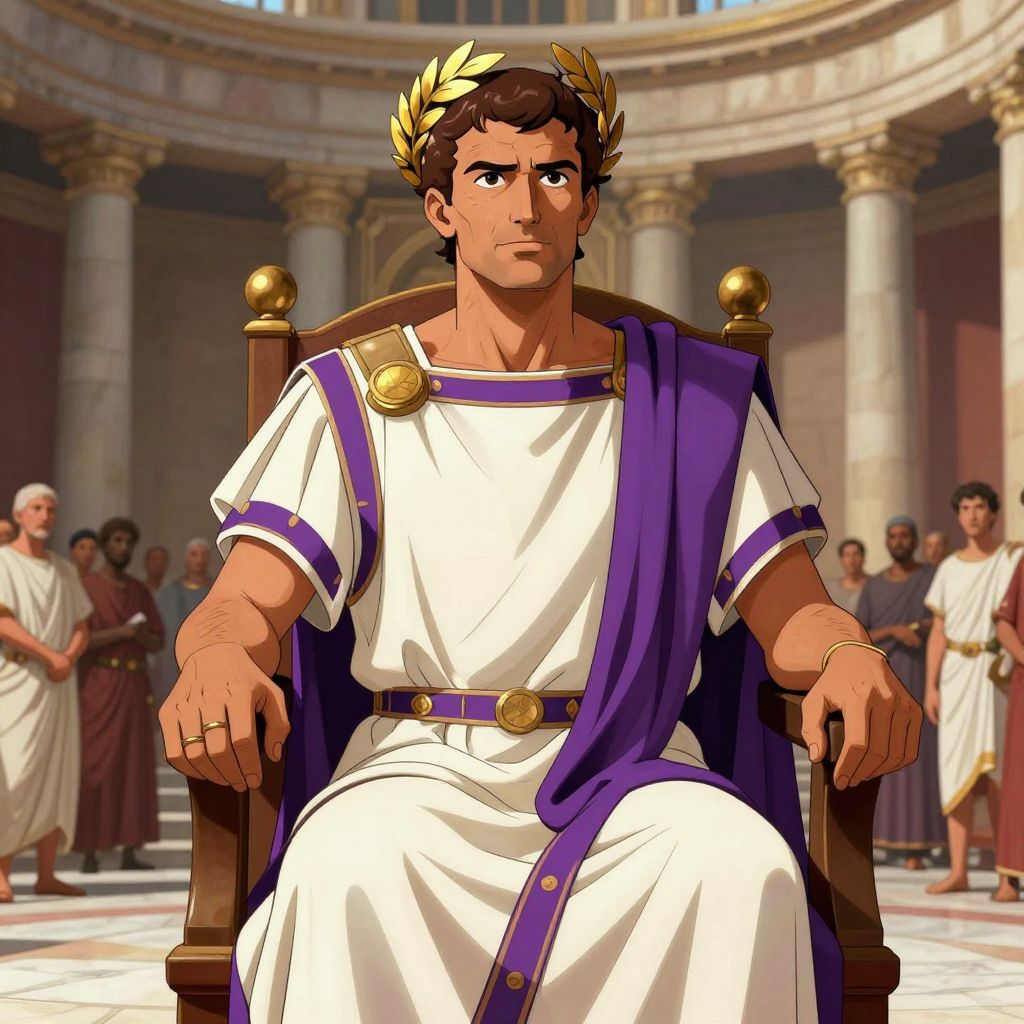
Caesar's Dictatorship: The Reforms That Ended the Republic
From 49 to 44 BCE, Julius Caesar transformed Rome with sweeping reforms as dictator perpetuo. He fixed the calendar, extended citizenship, and pardoned his enemies. Then sixty senators stabbed him for it.
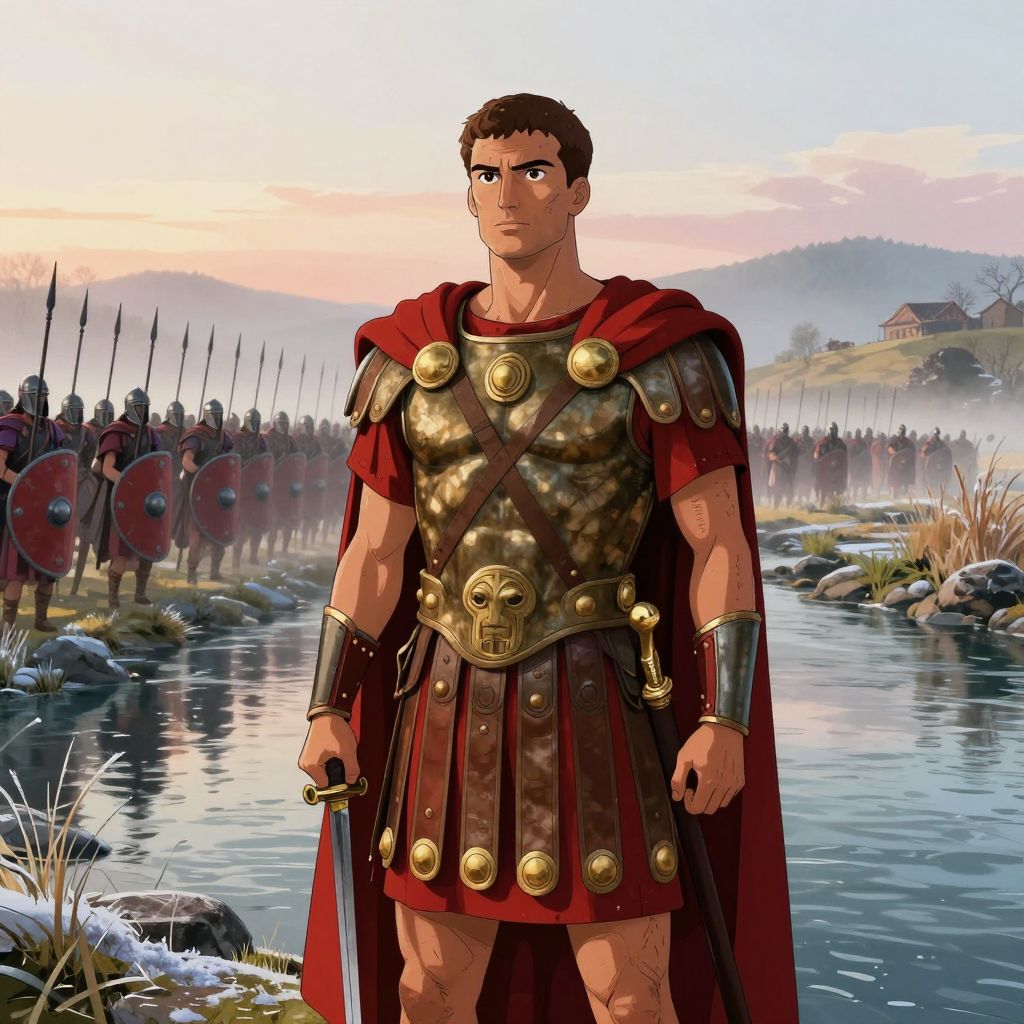
Crossing the Rubicon: The Point of No Return
In 49 BCE, Julius Caesar stood at a shallow river with his army behind him. He stepped into the water and said three words that ended the Roman Republic: 'Alea iacta est.'
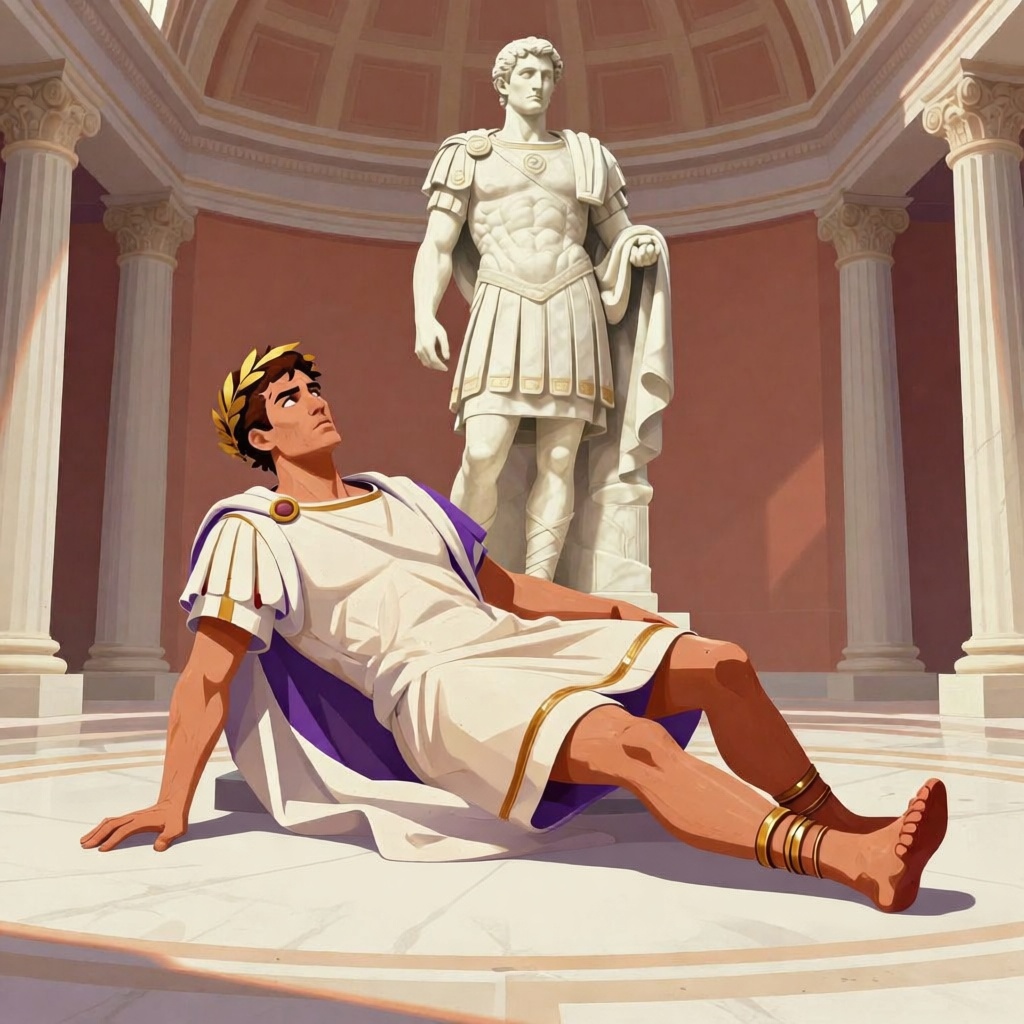
The Ides of March: The Assassination of Julius Caesar
March 15, 44 BCE. Twenty-three stab wounds. Sixty conspirators. One dead god on the Senate floor. The assassination that killed the Republic it was meant to save.
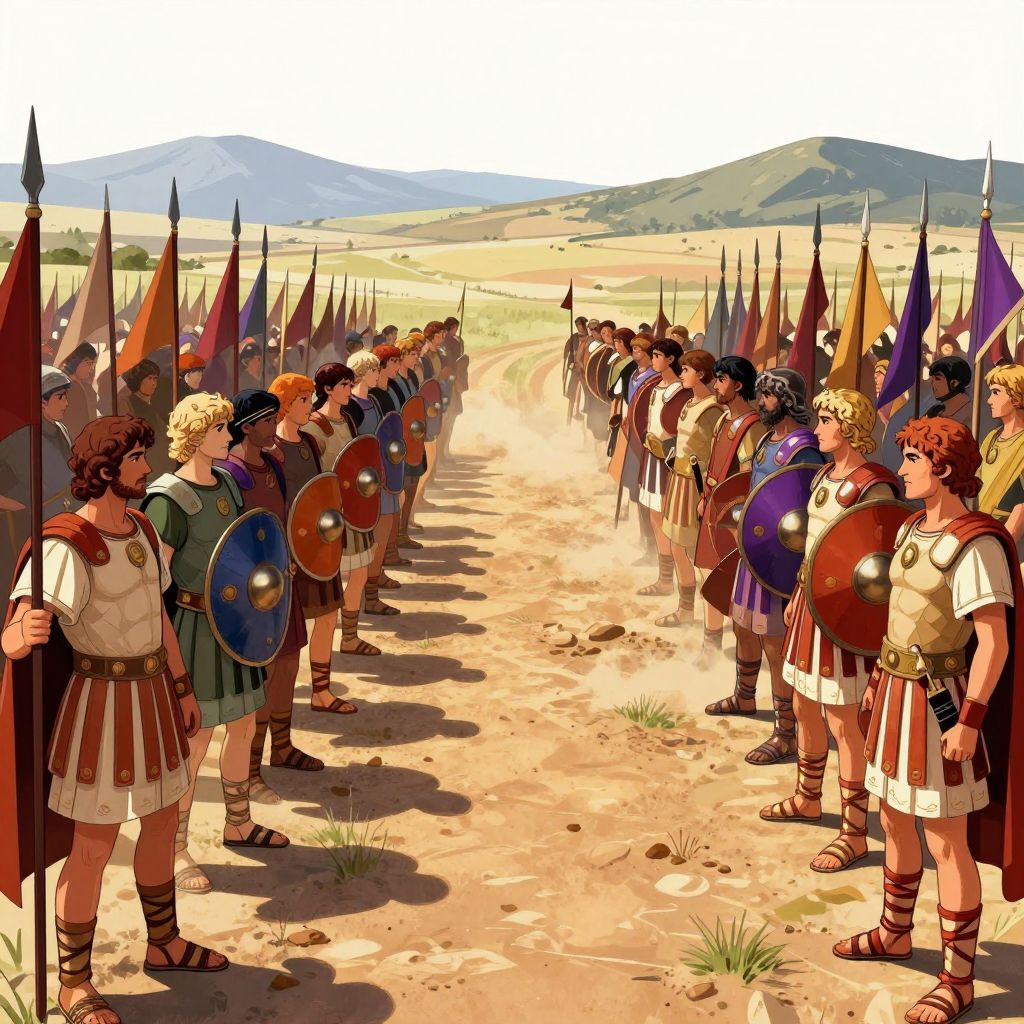
The Battle of Philippi: The Republic Dies in Macedonia
October 42 BCE. Two battles. Three weeks apart. Two suicides. The conspirators who killed Caesar met their end on a Macedonian plain, and the Roman Republic died with them.
Experience Ancient Rome Through Audio
Go beyond articles. Listen to dramatic stories from Ancient Rome narrated by Lumo, your immortal wolf guide.