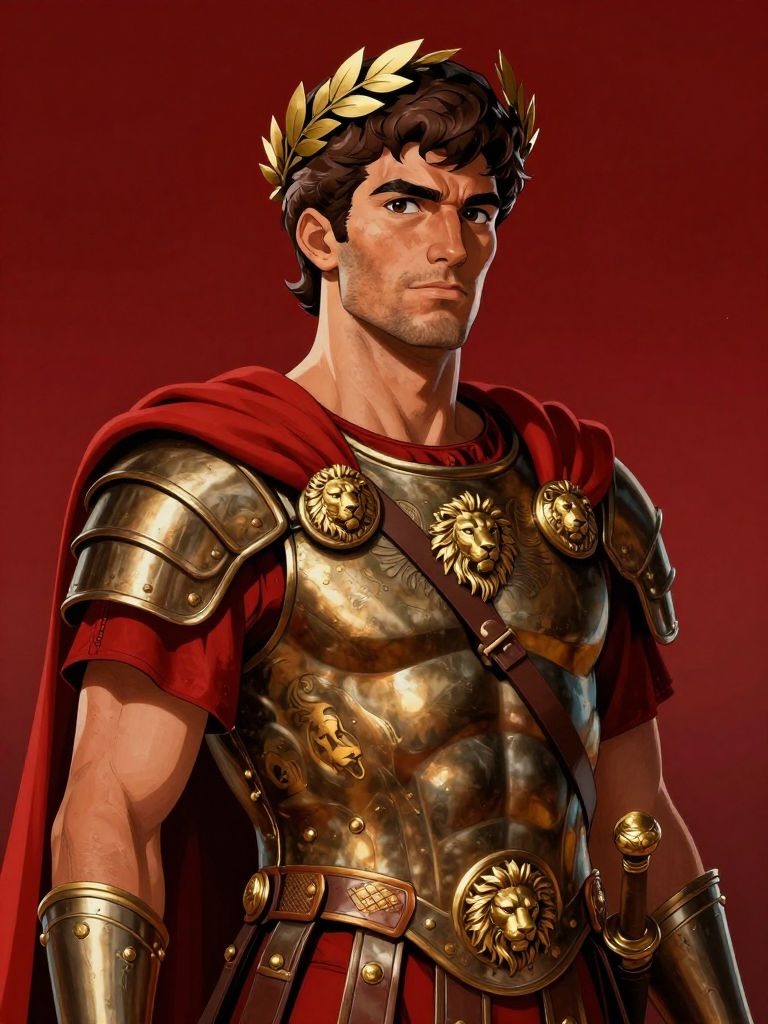
The Survivor
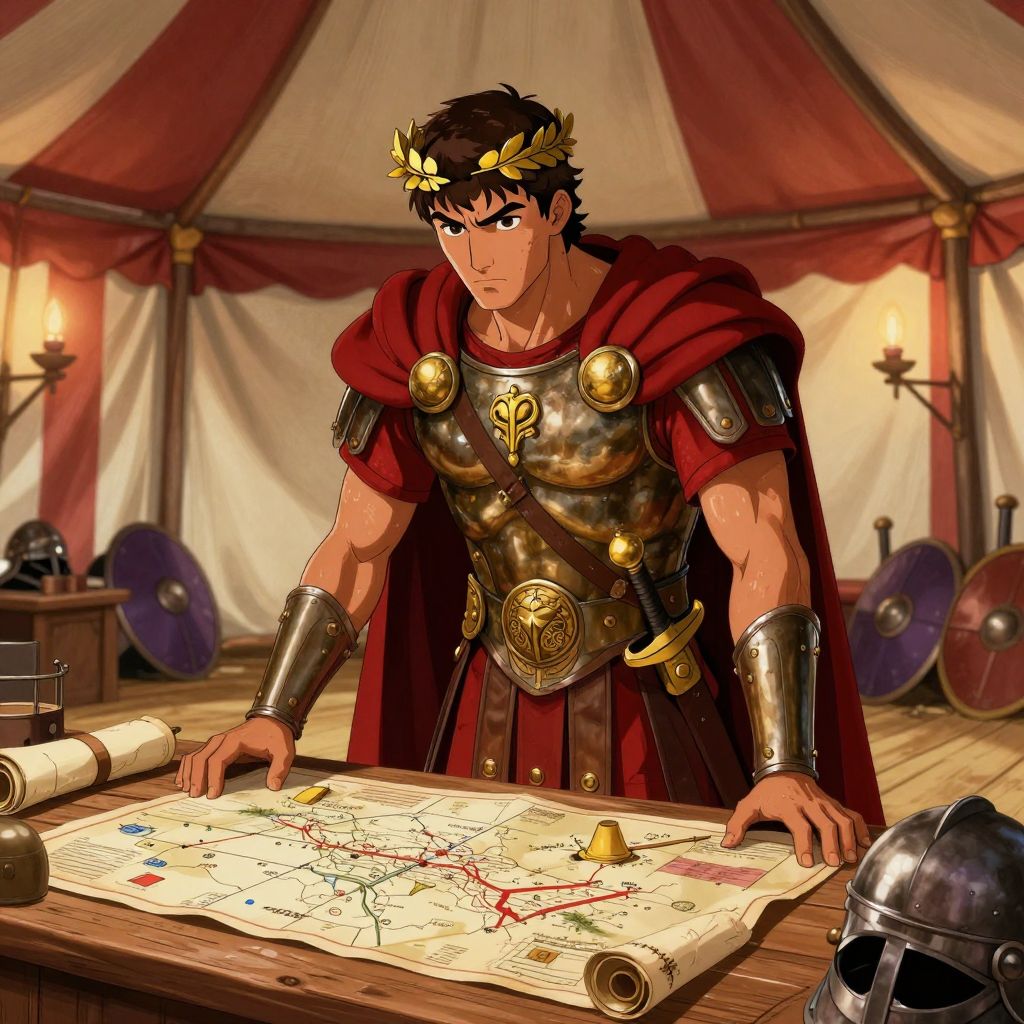
On August 2nd, 216 BCE, the largest army Rome had ever assembled marched into a trap at Cannae. By sunset, somewhere between 50,000 and 70,000 Roman soldiers lay dead on a field in southern Italy. Among the survivors who escaped the slaughter was a twenty-year-old military tribune named Publius Cornelius Scipio.
That day broke Rome. It broke entire families, wiped out a generation of senators, and left the city defenseless against a Carthaginian army that had just demonstrated it could annihilate anything Rome threw at it.
But Scipio didn't break. While other survivors plotted desertion, while nobles debated whether to abandon Italy entirely, he rallied the shattered remnants at Canusium and convinced them to fight on. According to the historian Livy, when a group of young patricians considered fleeing to serve a foreign king, Scipio burst in with sword drawn and forced them to swear an oath of loyalty to Rome.
He was twenty years old.
That teenager would spend the next fourteen years studying Hannibal Barca, dissecting his tactics, learning from every defeat Rome suffered. And in 202 BCE, at a place called Zama, he would use Hannibal's own methods to destroy him.
The Patrician Who Learned to Fight
Publius Cornelius Scipio came from one of Rome's oldest patrician families. His father, grandfather, and great-grandfather had all served as consuls. But aristocratic birth meant nothing against Carthaginian cavalry.
His first taste of battle came at the Ticinus River in 218 BCE, when he was barely eighteen. His father, Publius Cornelius Scipio the Elder, was commanding Roman forces against Hannibal's advance through northern Italy. During a cavalry skirmish, the elder Scipio was wounded and surrounded by enemy horsemen. The son charged forward into the mass of Carthaginian cavalry and pulled his father to safety.
It was reckless. Impulsive. And exactly the kind of action that would define his career.
Two years later came Cannae. His father and uncle would die fighting Carthaginian forces in Spain in 211 BCE, leaving Rome without experienced commanders for the Iberian front. The Senate needed someone to take command of the Spanish campaign, but no one wanted the job. Spain had already killed two Roman generals. It was considered a death sentence.
The twenty-five-year-old Scipio volunteered.
He had never held high office. He had no legal standing to command an army. But no one else stepped forward, and Rome was desperate. The Senate granted him proconsular imperium, and in 210 BCE, he sailed for Spain with 10,000 infantry and 1,000 cavalry.
The Capture of New Carthage
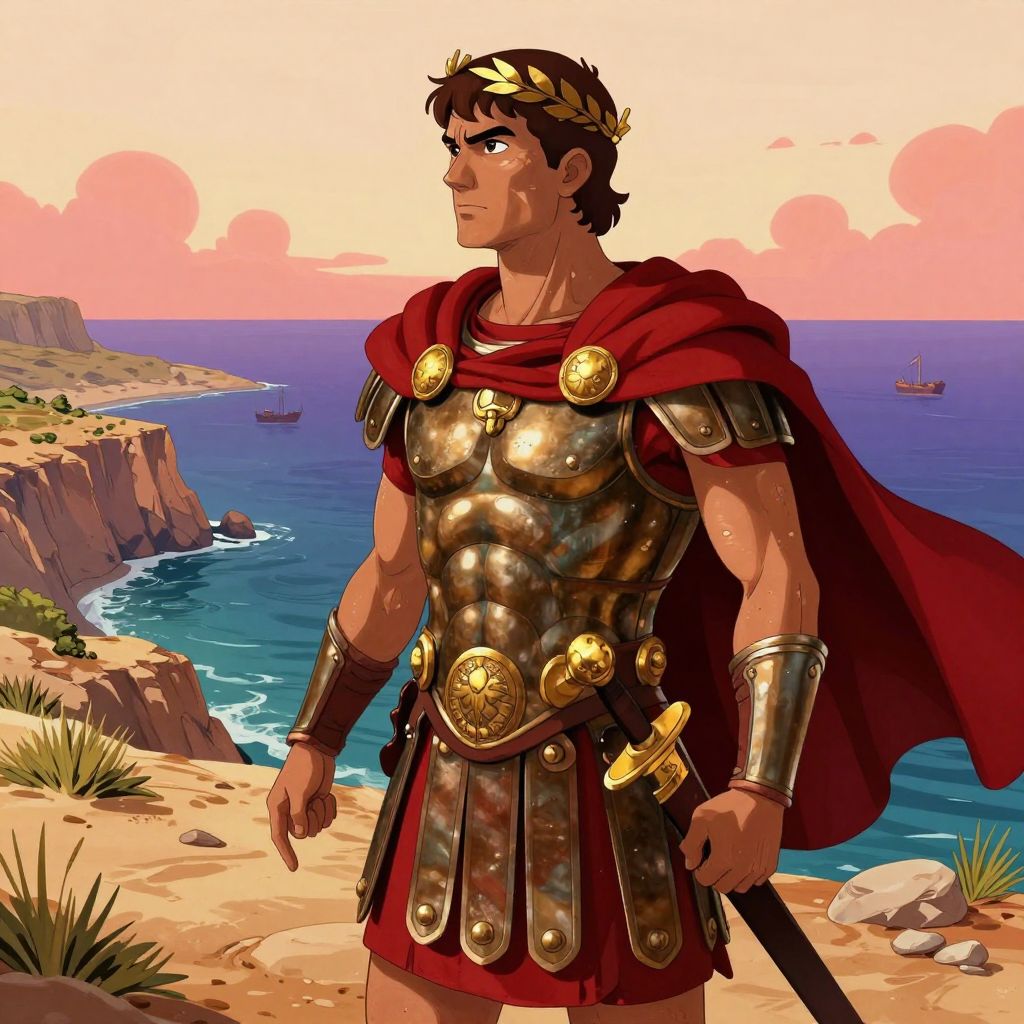
When Scipio arrived in Iberia, he found the Carthaginian forces divided. Three separate armies under Hasdrubal Barca, Mago Barca, and Hasdrubal Gisco were operating independently, each several days' march from the others. A conventional Roman commander would have attacked the nearest enemy army. Scipio did something unexpected.
He marched directly on Cartagena, the capital of Carthaginian Spain.
Hannibal's brother-in-law Hasdrubal had founded New Carthage in 228 BCE. The city controlled Spain's silver mines, which funded Hannibal's entire war effort. It held hostages from Spanish tribes, ensuring their loyalty to Carthage. Its harbor sheltered the Carthaginian fleet. And its walls looked impossible to breach: the city sat on a peninsula surrounded by the sea on three sides and a lagoon on the fourth.
Scipio had learned something from local fishermen. At low tide, the lagoon became shallow enough to wade across. The city's defenders had never considered this a vulnerability. Why would they? The northern walls facing the lagoon were barely manned.
On the day of the assault, Scipio ordered a conventional attack on the eastern landward walls. While the defenders rushed to meet this threat, he personally led 500 handpicked soldiers through the lagoon at low tide. They waded through waist-deep water carrying scaling ladders, reached the undefended northern walls, and climbed over before anyone could stop them.
According to Polybius, Scipio told his men that the god Neptune had appeared to him in a dream and promised divine assistance. Whether he actually believed this or simply understood how to motivate his soldiers, the effect was the same. They scaled those walls believing the gods were with them.
New Carthage fell in a single day. Rome captured 18 warships, 63 transport vessels, and massive stores of gold, silver, grain, and weapons. More importantly, Scipio freed the Spanish hostages and sent them home to their tribes with generous treatment. This single act did more to turn Spain against Carthage than any battle could have.
The Battle of Ilipa
In 206 BCE, Scipio faced his greatest test before Zama. The Carthaginians had consolidated their remaining forces under Hasdrubal Gisco and Mago Barca. Together, they commanded roughly 70,000 infantry and 4,000 cavalry, including the fearsome Numidian horsemen and a force of war elephants.
Scipio had perhaps 45,000 infantry and 3,000 cavalry. He was outnumbered, but he had been training his army differently than any Roman commander before him.
For several days, the two armies formed up each morning and faced each other without fighting. Each day, the pattern was the same: Romans in the center, Spanish allies on the flanks. Carthaginians mirrored them, with African veterans in the center and their Spanish auxiliaries on the wings.
Then Scipio broke the pattern.
He fed his men before dawn, sent his cavalry to harass the Carthaginian camp while they were still eating, and formed his battle line with the arrangement reversed. His Roman veterans now held the flanks. His Spanish allies occupied the center.
The Carthaginians rushed onto the field without breakfast, forming up by habit in their usual positions. They failed to notice Scipio's altered formation until it was too late.
As the battle began, Scipio held back his Spanish center, refusing to let them engage. On the flanks, his Roman legions swept forward in a complex wheeling maneuver that crashed into the Carthaginian wings before their African veterans in the center could intervene.
The Carthaginian flanks collapsed. Their center found itself surrounded by Scipio's veterans while his Spanish allies kept them pinned in place. What began as an orderly retreat became a rout.
The Battle of Ilipa ended Carthaginian power in Spain forever. Modern historians consider it one of the most brilliant tactical victories in ancient warfare, some ranking it above even Hannibal's triumph at Cannae.
Taking the War to Africa
After securing Spain, Scipio returned to Rome in 206 BCE. He was elected consul for 205 BCE, but the Senate refused to give him what he wanted: an army to invade Africa.
The opposition came from older senators, led by the conservative Quintus Fabius Maximus. Fabius had kept Rome alive after Cannae by avoiding battle with Hannibal, and he argued that attacking Africa while Hannibal remained in Italy was madness. Scipio countered that the only way to defeat Hannibal was to threaten Carthage directly and force his recall.
The Senate compromised. Scipio received Sicily as his province but no official army. If he wanted to invade Africa, he would have to raise volunteers. He did exactly that, supplementing his forces with the survivors of Cannae themselves, men who had been forbidden from returning to Italy until the war was won.
In 204 BCE, Scipio landed in Africa with roughly 25,000 soldiers. Within two years, he had burned the camps of two Carthaginian armies in night attacks, defeated their combined forces at the Battle of the Great Plains, and cut off Carthage from its Numidian allies by installing his own candidate, Masinissa, as king.
Carthage had no choice but to recall Hannibal from Italy.
The Meeting
Hannibal had been fighting in Italy for fifteen years. He had won every battle. Trebia. Lake Trasimene. Cannae. For a generation, his name had been used to frighten Roman children into obedience.
Now, in 202 BCE, he returned to Africa to face a thirty-four-year-old Roman who had spent fourteen years studying his every move.
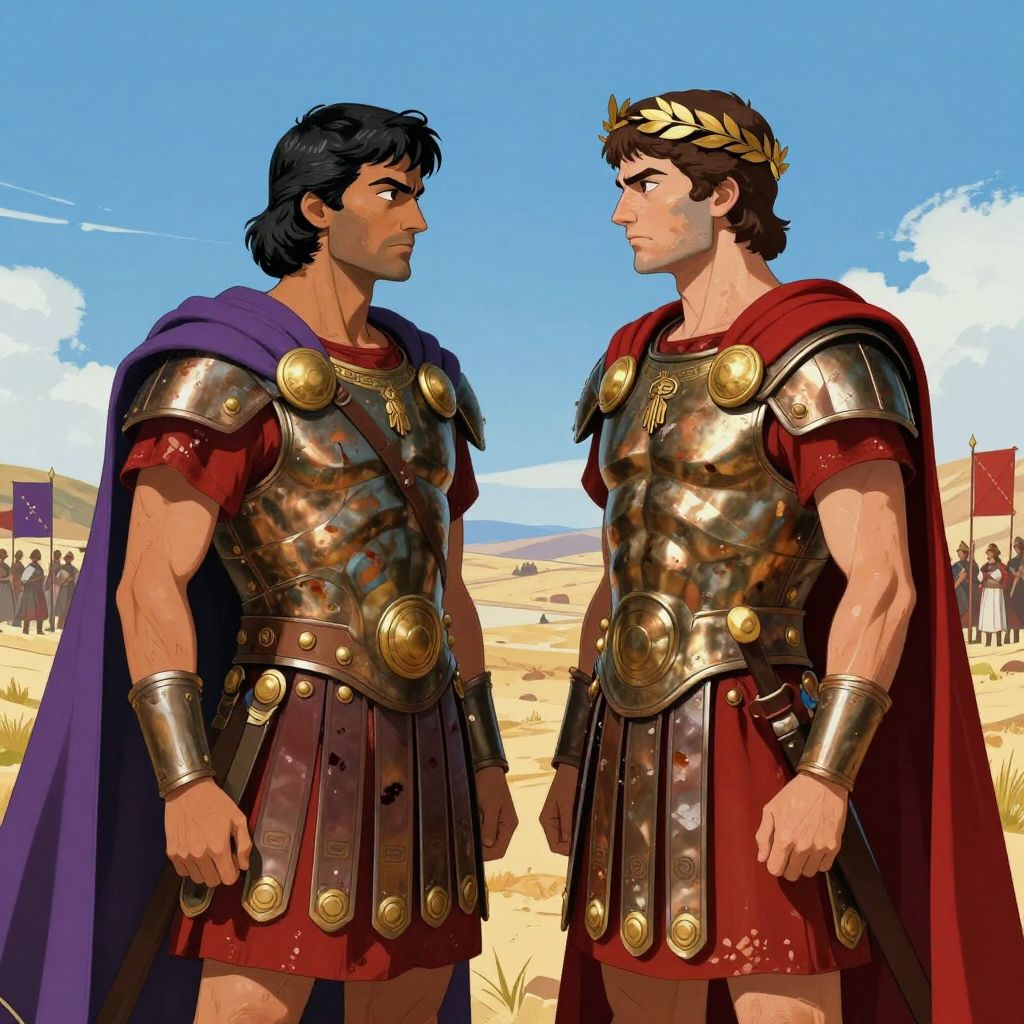
Before the battle, something unusual happened. The two generals met face to face on neutral ground, just the two of them with interpreters.
According to Livy, Hannibal offered peace: Carthage would surrender Sicily, Sardinia, Spain, and all the Mediterranean islands. Scipio refused. Carthage had broken previous treaties. There would be no negotiation, only unconditional surrender.
Hannibal reportedly told Scipio, "What I was years ago at Trasimene and Cannae, you are today." The older general recognized himself in the younger, saw his own methods and confidence reflected back at him.
Scipio's reply, according to Livy, was simple: "Prepare to fight, because evidently you have found peace intolerable."
The Battle of Zama
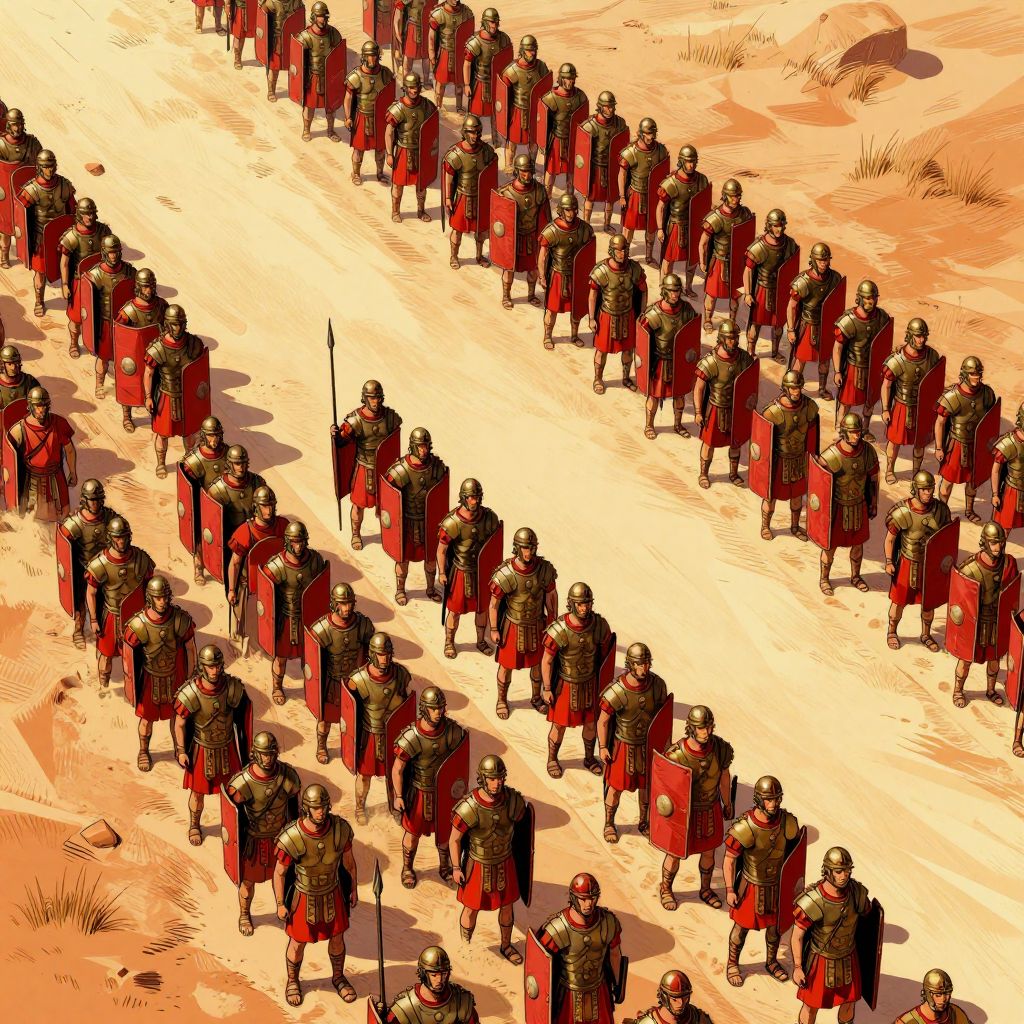
On October 19th, 202 BCE, the two armies met on a plain near the town of Zama. Hannibal had roughly 50,000 infantry, 4,000 cavalry, and 80 war elephants. Scipio commanded about 35,000 infantry and 6,000 cavalry, including the Numidian horsemen of Masinissa.
The battle began with Hannibal's elephant charge. Eighty war elephants thundered toward the Roman lines, massive and terrifying, their trumpeting audible for miles.
Scipio had prepared for this moment for years.
Instead of forming a solid wall for the elephants to crash into, the Roman lines opened. Gaps appeared throughout the formation, corridors of empty space running straight through like lanes. The elephants charged into these gaps and found nothing. No shields. No bodies to trample. Just empty ground.
Roman velites, light infantry with javelins, harassed the confused beasts from the sides. The elephants panicked. Some ran off the edges of the battlefield. Others, maddened by wounds and noise, turned back into Hannibal's own cavalry.
While the elephants self-destructed, Scipio's cavalry, superior in numbers thanks to his Numidian allies, drove Hannibal's horsemen from the field. This left the infantry battle to be decided.
The fighting was brutal and close. Hannibal's veterans, survivors of fifteen years in Italy, fought with the desperation of men with nowhere left to go. But Scipio's legions were fresh, well-fed, and fighting for the victory that would let them go home.
At the critical moment, Scipio's cavalry returned from pursuing the routed Carthaginian horsemen and struck Hannibal's infantry in the rear. It was a double envelopment, the same tactic Hannibal had used at Cannae.
The student had become the master.
The Aftermath
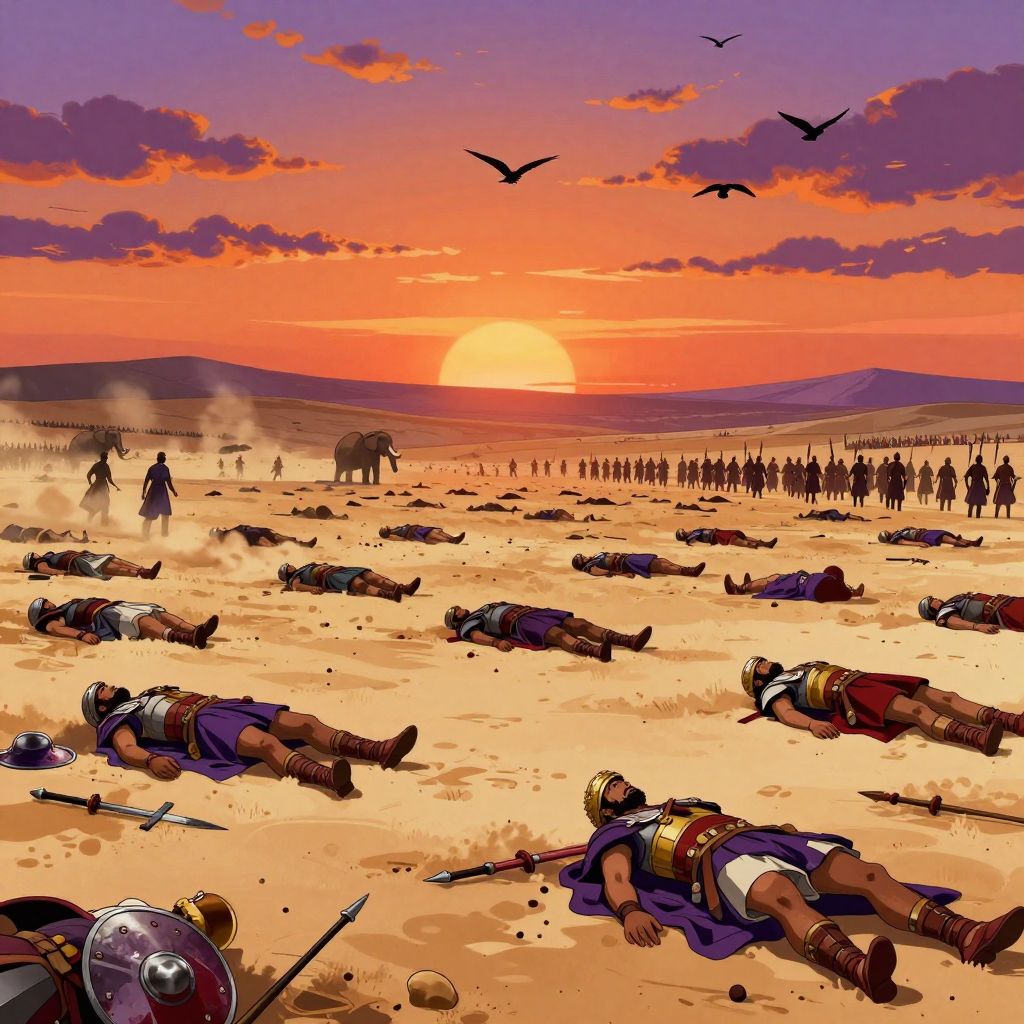
Twenty thousand Carthaginian soldiers died on the plain of Zama. Hannibal escaped with a handful of survivors, but the war was over. Carthage surrendered.
The terms were harsh. Carthage gave up its fleet. It paid an enormous indemnity of 10,000 talents over fifty years. It surrendered all territory outside Africa and agreed never to wage war without Roman permission. The city that had nearly destroyed Rome was reduced to a client state.
Scipio returned to Rome in triumph. The Senate awarded him the cognomen "Africanus," a title no Roman had ever received. He was elected censor in 199 BCE, becoming princeps senatus, the first man in the Senate. At thirty-seven, he was the most powerful man in Rome.
He may have been the first Roman general acclaimed as imperator by his troops, a title that later would become synonymous with emperor.
The Fall
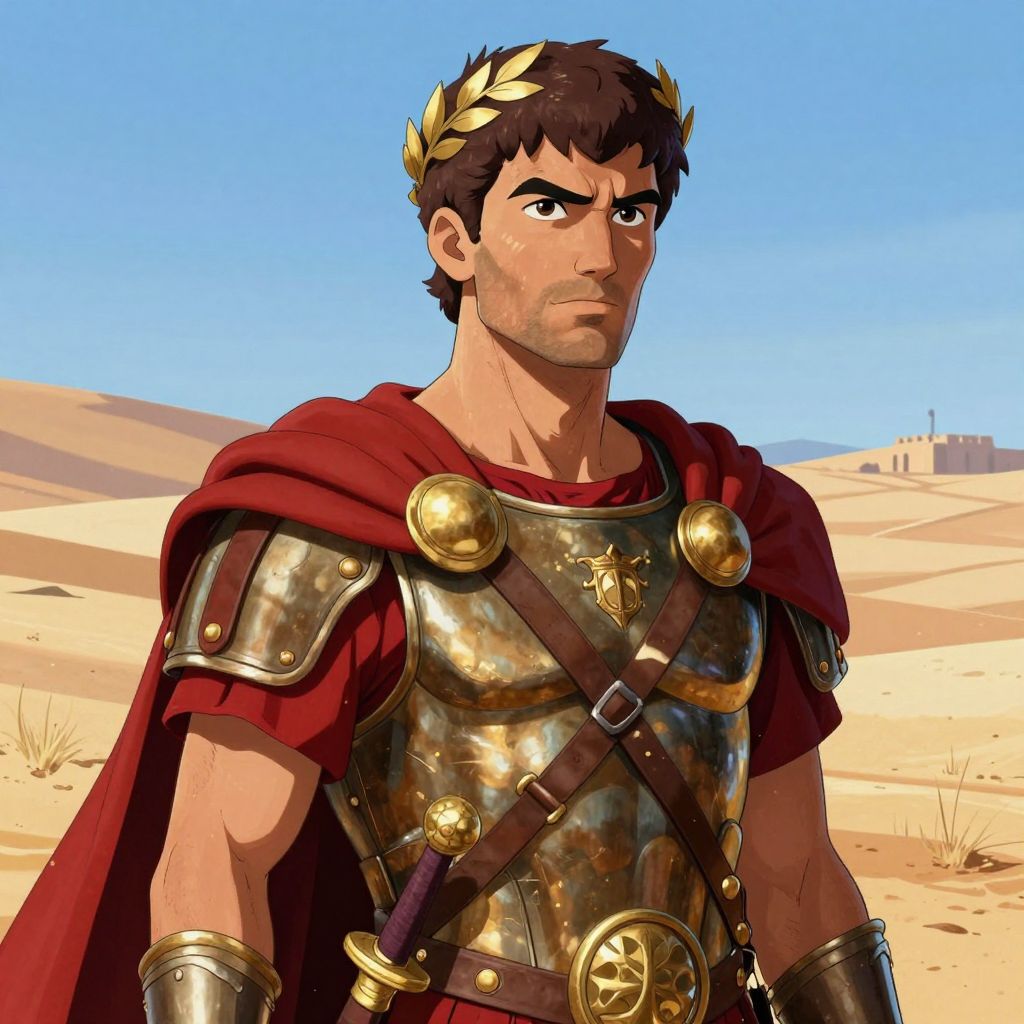
Glory made enemies. Scipio's confidence, his Greek cultural tastes, his unconventional way of wearing the toga all attracted criticism from traditionalist senators. His main opponent was Marcus Porcius Cato, a self-made man from rural Tusculum whose austere values made him Scipio's ideological opposite.
In 187 BCE, Scipio and his brother Lucius faced charges of financial mismanagement and corruption related to their campaign against the Seleucid king Antiochus III. The accusations were political, designed to humiliate the Scipios rather than address any real wrongdoing.
According to one famous account, when the tribunes demanded Scipio account for a large sum of money, he responded by noting that the day happened to be the anniversary of Zama. He then led an impromptu procession to the Temple of Jupiter to give thanks for Rome's victory, leaving his accusers embarrassed and alone.
But the attacks continued. By 185 BCE, Scipio had had enough. He retired to his estate at Liternum in Campania, a modest villa where he lived simply, cultivating his fields with his own hands.
He never returned to Rome.
Death and Legacy
Scipio died in 183 BCE, the same year his old adversary Hannibal took poison rather than be captured by Roman agents. The coincidence feels almost deliberate, as if the two men who defined each other's lives could not let either survive the other.
Disgusted by Roman ingratitude, Scipio left instructions that he be buried at Liternum, not in Rome. According to ancient writers, his tomb bore the inscription: "Ingrata patria, ne ossa quidem habebis." Ungrateful fatherland, you will not even have my bones.
He was fifty-three years old.
Scipio Africanus transformed Rome from a regional Italian power into an international force. He was the first Roman general to project military power outside the peninsula. The overseas campaigns he started would eventually create an empire spanning the Mediterranean. His training innovations and tactical flexibility changed how the Roman military operated for generations.
Unlike Julius Caesar, who came two centuries later, Scipio never grasped for supreme power. He served the Republic without trying to master it. The historian Livy's judgment was that he was perhaps the only military leader of great stature who achieved fame as a true public servant.
But Rome's gratitude had limits. The man who saved the Republic died in exile, forbidden the honor of burial in the city he had saved.
Frequently Asked Questions
1How did Scipio Africanus defeat Hannibal?
At the Battle of Zama in 202 BCE, Scipio used Hannibal's own tactics against him. He opened gaps in his formation to neutralize the elephant charge, then used superior cavalry to encircle the Carthaginian infantry from behind, just as Hannibal had done to the Romans at Cannae.
2Why is Scipio called 'Africanus'?
The title 'Africanus' was awarded by the Roman Senate to honor his victory over Carthage in Africa. He was the first Roman to receive a cognomen based on a conquered territory, setting a precedent for later generals like Scipio Africanus the Younger, who destroyed Carthage in 146 BCE.
3Did Scipio and Hannibal actually meet?
According to ancient historians Polybius and Livy, the two generals met face to face before the Battle of Zama to negotiate. Hannibal offered peace terms, but Scipio rejected them, insisting on unconditional surrender. Whether the meeting happened exactly as described is debated, but both sources considered it authentic.
4Why did Scipio retire in exile?
Despite his military achievements, Scipio faced political prosecution from conservative senators led by Cato the Elder, who accused him of financial corruption. Rather than submit to further trials, he withdrew to his estate at Liternum around 185 BCE, where he died in 183 BCE.
5What happened to Scipio's family after his death?
The Scipio family remained prominent in Rome. His adopted grandson, Scipio Aemilianus (Scipio Africanus the Younger), would eventually lead the final destruction of Carthage in 146 BCE, completing the work his grandfather had begun.
Experience the Full Story
Follow Scipio from the disaster at Cannae to his triumph at Zama, narrated by Lumo.


Hear Their Story
His Own Trick
4 minA Roman army had landed near Carthage itself. Their general was thirty-four years old. He'd been fighting since he was twenty.

Related Articles
Experience Scipio Africanus's Story
Go beyond the biography. Hear Scipio Africanus's story told by Lumo, your immortal wolf guide who witnessed these events firsthand.