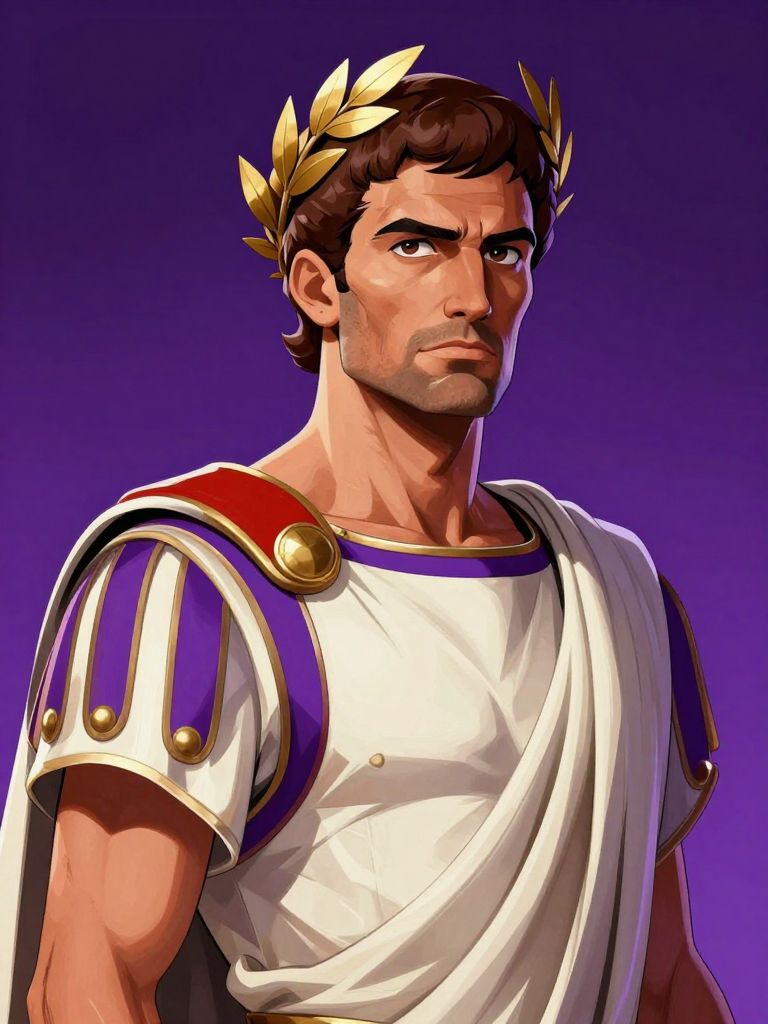
The Man Who Became a Month
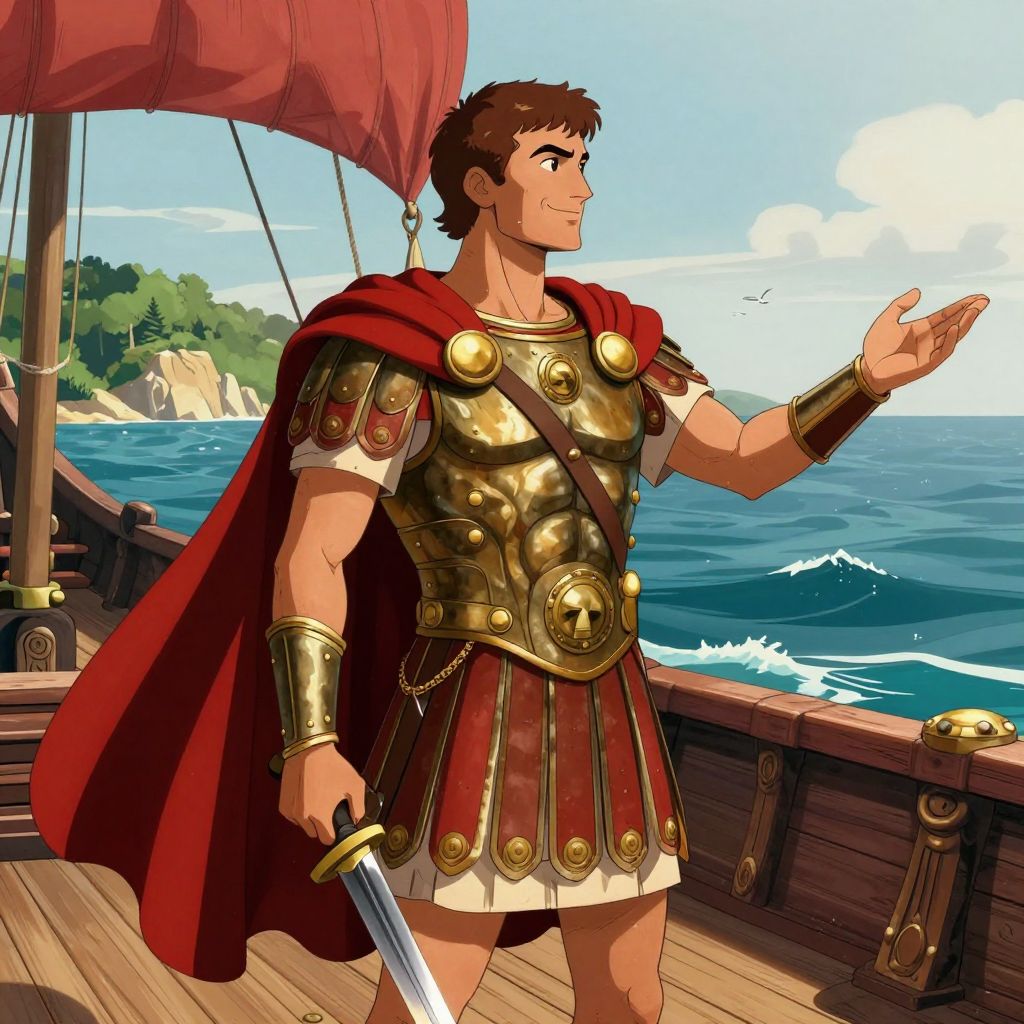
Gaius Julius Caesar wasn't supposed to change history. He came from an old patrician family that had fallen on hard times. His aunt married Marius — the general who'd reformed the Roman army and then used it to massacre his political enemies. When Sulla, Marius's rival, seized power and posted death lists, Caesar's name almost made the cut. He was 18 years old.
Sulla eventually backed down after Caesar's family begged for mercy. Sulla's reported response: "Fine. But know that in that boy, there are many Mariuses."
He wasn't wrong.
The Catiline Years
In 63 BCE, Caesar sat in the Senate chamber watching Cicero destroy Catiline — a desperate patrician who'd planned to overthrow the government, burn debt records, and redistribute wealth. Cicero, Rome's greatest orator, spoke with surgical precision:
"How long, O Catiline, will you abuse our patience?"
Five of Catiline's conspirators were strangled in prison without trial. The Senate had invoked the senatus consultum ultimum — the final decree, emergency powers that let them kill enemies of the state without due process.
Caesar voted against the executions. He believed in trials, in process, in the law.
Or maybe he was already calculating. Caesar remembered grudges. And Cicero had just handed him one.
The First Triumvirate: Three Wolves Sharing a Kill
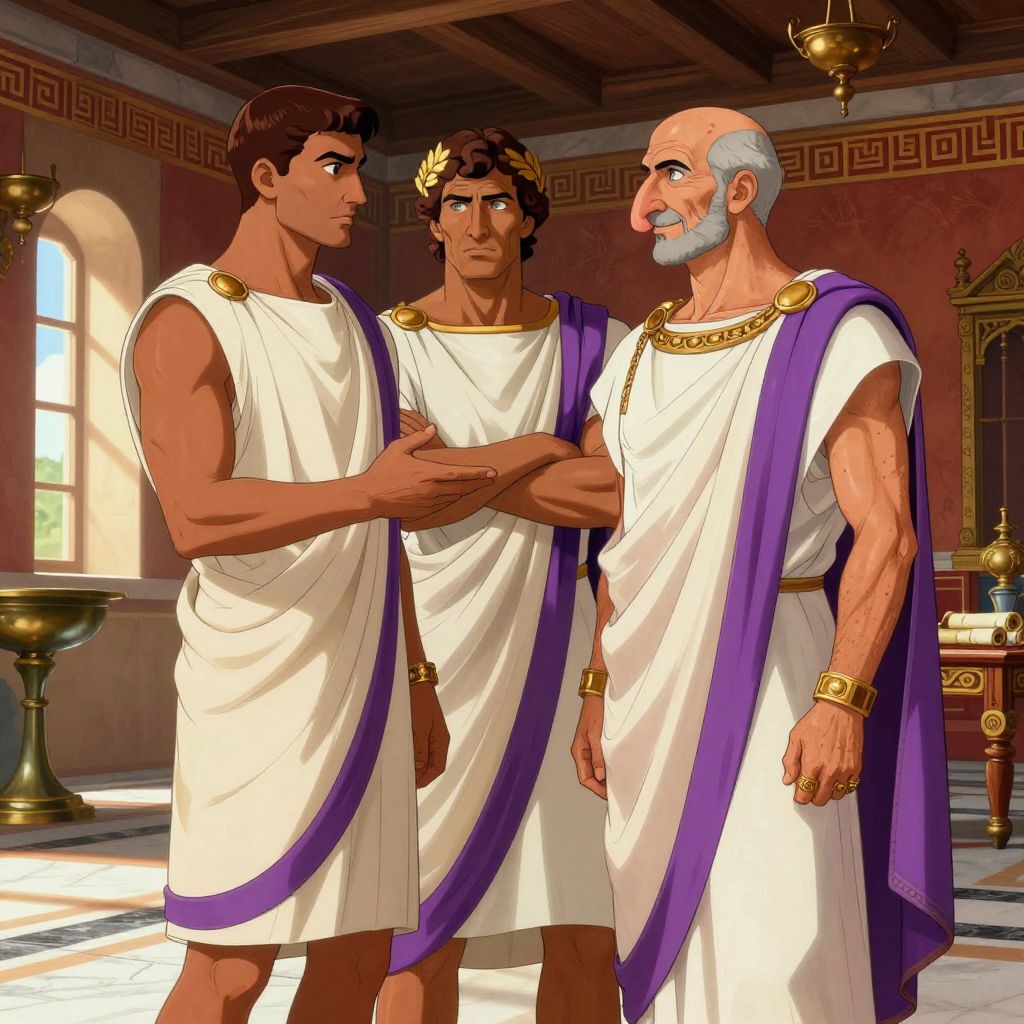
60 BCE. Three men walked into a room and carved up the Republic. No vote. No ceremony. Just a handshake between ambitions.
Caesar wanted an army and a province to conquer. Pompey — conqueror of the East, winner of three triumphs — wanted land for his veterans and laws passed that the Senate had been blocking. Crassus, the richest man in Rome, wanted military glory that his fortune couldn't buy.
They agreed to help each other get what they wanted. Romans later called it "the three-headed monster." It wasn't an official institution. It was a private deal to divide power among themselves, bypassing the Senate entirely.
Caesar got what he wanted: command of Gaul — the lands we now call France, Belgium, and parts of Germany.
A Million Killed, A Million Enslaved
For eight years, Caesar conquered Gaul. Ancient sources claim a million killed, a million enslaved. He wrote it all down in his war commentaries, sending them back to Rome.
Propaganda disguised as history. And it was brilliant. The people loved him before they'd ever seen his face.
He crossed the Rhine — the first Roman general to do so — and built a bridge in ten days just to prove he could. He invaded Britain twice, something no Roman had attempted. He put down rebellions, burned villages, and accepted surrenders with calculated mercy.
The campaigns made him fabulously wealthy. Gaul had gold mines. It had slaves. It had everything a conquering general could want.
More importantly, it gave him something money couldn't buy: an army that was loyal to him personally. His legions had followed him into impossible situations and won. They'd conquered lands Romans had only heard about in legends. They were his men.
Crassus Dies Chasing Glory
In 53 BCE, Crassus couldn't stand it anymore. Caesar was conquering Gaul. Pompey had his triumphs from the East. All Crassus had was money.
He marched east to fight the Parthians — an empire stretching from the Euphrates to India. Rome had never beaten them. Their mounted archers could fire arrows behind them at a full gallop, the famous "Parthian shot."
Crassus thought he'd be the first Roman to conquer them.
At Carrhae, they surrounded his legions. Wave after wave of arrows. No hand-to-hand combat, no chance to use Roman discipline. Just death from a distance.
Crassus's son fell first. The Parthians carried his head on a spear past his father's lines.
Then Crassus himself, killed during a supposed negotiation. The Parthians reportedly poured molten gold down his throat — mocking the greed that had driven him east. His head ended up as a prop in a performance of Greek tragedy at the Parthian court.
The richest man in Rome died chasing the one thing his money couldn't buy: glory.
Now the triumvirate was two.
Julia Dies, The Alliance Breaks
The last thread between Caesar and Pompey had already snapped. Julia — Caesar's daughter, Pompey's wife — had died in childbirth. Her infant died too.
The marriage had been a political alliance, but by all accounts, Pompey had genuinely loved her. Caesar had loved her too. She was the human connection between two ambitious wolves.
After the funeral, they smiled at each other. But if you watched closely, you could see the teeth.
Brutus: The Son Who Would Kill His Father
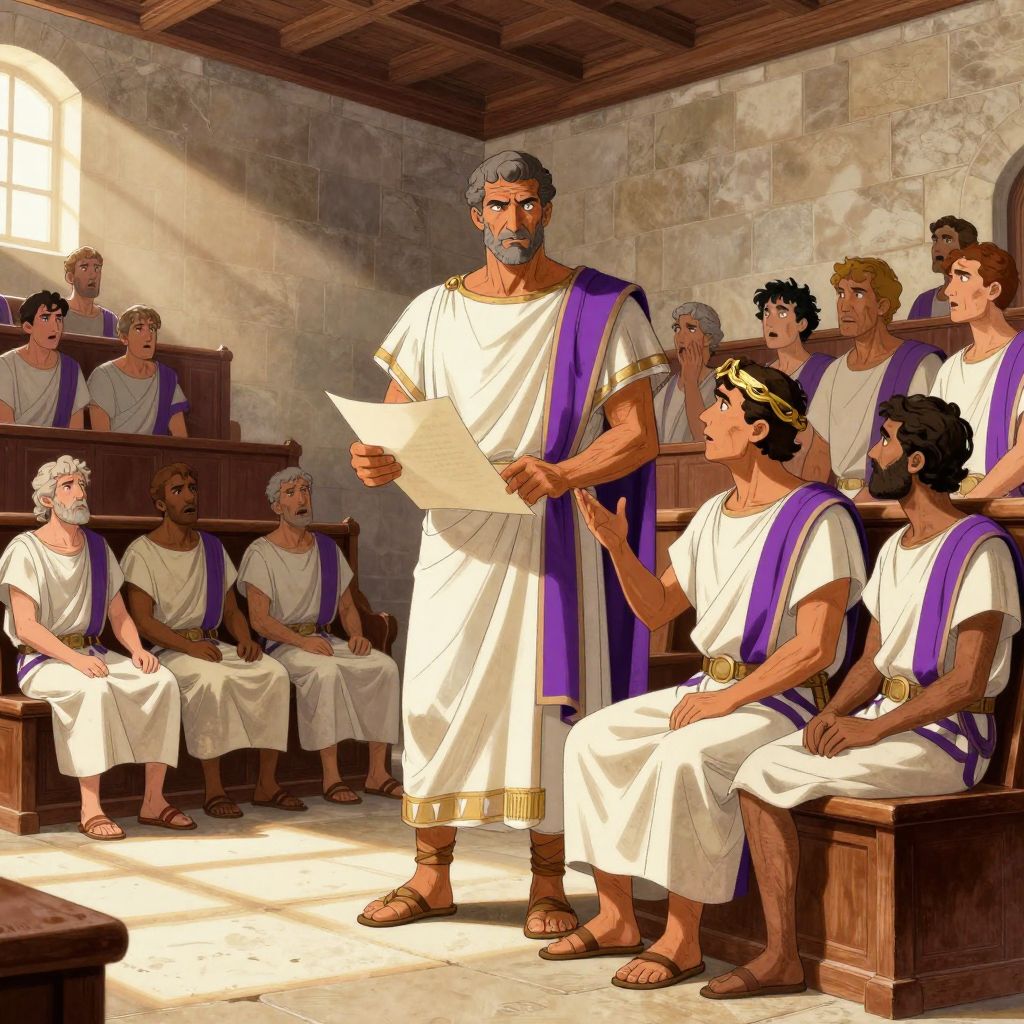
Meanwhile, there was Brutus.
His mother Servilia had been Caesar's lover for years. Some rumors suggested Caesar was Brutus's biological father — though the timing doesn't quite work. What's certain is that Caesar watched Brutus grow up, helped his career, opened doors, looked at him the way men look at sons they're proud of.
He invited Brutus to Gaul: "Serve at my side. Learn from the best."
Brutus refused. Went east instead — as far from Caesar as he could get.
It wasn't resentment. It was complicated. Brutus was a Junius. His ancestor, the first Brutus, had executed his own sons to save the Republic five centuries earlier. That name meant something. That legacy was a weight.
The Rubicon: A River You Can't Uncross
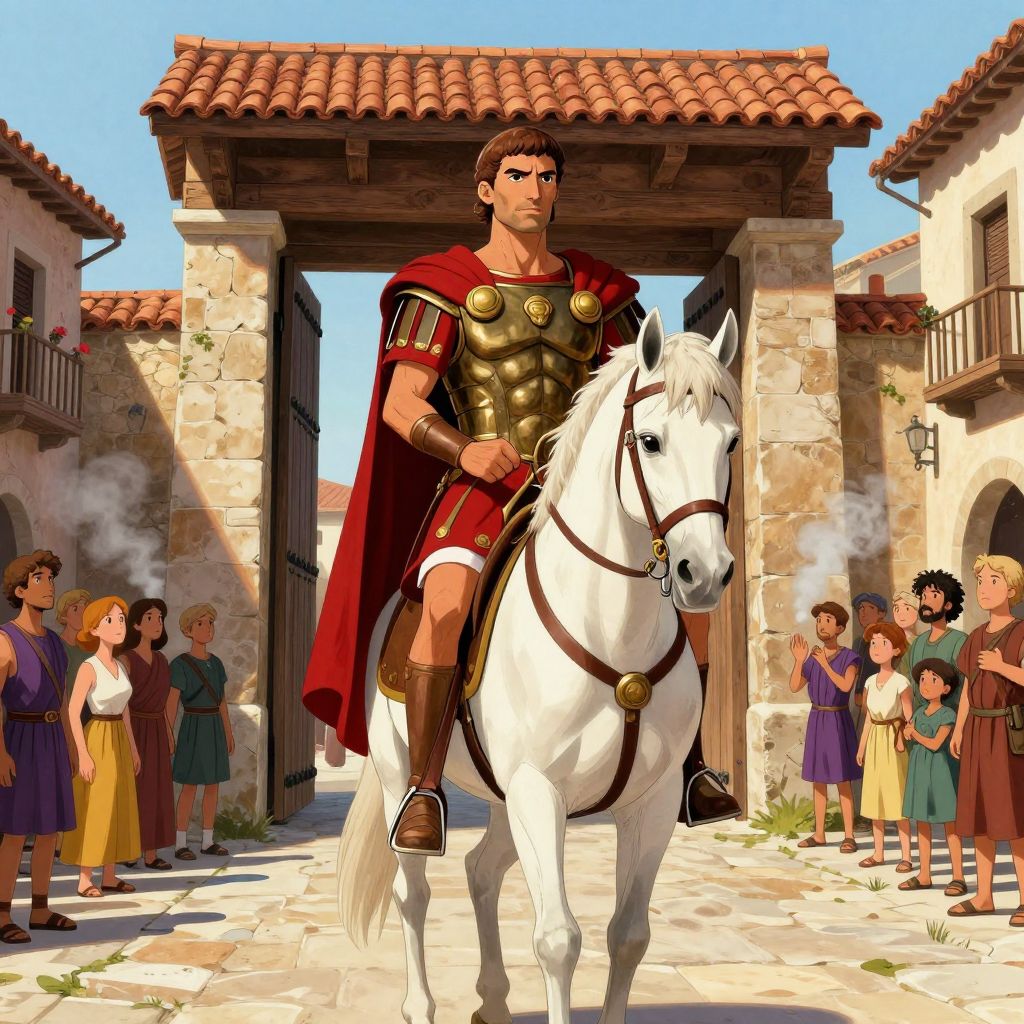
49 BCE. The Senate — now Pompey's allies — ordered Caesar to disband his army and return to Rome.
If he obeyed, he'd be prosecuted. Everything he'd built in Gaul, all his wealth and conquests, would be confiscated. His enemies would destroy him in court, exile him, or worse.
There was a river between Gaul and Italy. Small enough to wade across. It was called the Rubicon.
Roman law was clear: any general who crossed it with his army was declaring war on Rome itself.
Caesar stood on the bank all night. His soldiers waited. Everyone waited.
January, 49 BCE. He was fifty years old. Everything he'd ever done came down to one river and one choice.
"Alea iacta est."
"The die is cast."
He stepped into the water. And everything changed.
Pompey Runs, Caesar Wins
Word reached Rome before his legions did. Pompey fled — the great general, conqueror of the East, three triumphs to his name — because he hadn't had time to raise an army. Caesar had moved too fast.
City after city opened their gates. Some welcomed him. Most just didn't want to die.
They met at Pharsalus in northern Greece. August, 48 BCE. Pompey had more men. Caesar had better soldiers. The legions that had conquered Gaul tore through Pompey's forces like wolves through sheep.
By evening, everything Pompey had built was gone.
He fled to Egypt, expecting allies. The Egyptians met his ship at the harbor. They knew Caesar was coming. They thought they knew what he wanted.
They killed him in the shallows. Cut off his head. Wrapped it in a cloth. When Caesar arrived, they presented it like a gift.
Caesar wept. Or pretended to weep. With Caesar, you never knew.
Cleopatra: The Queen Who Came in a Carpet
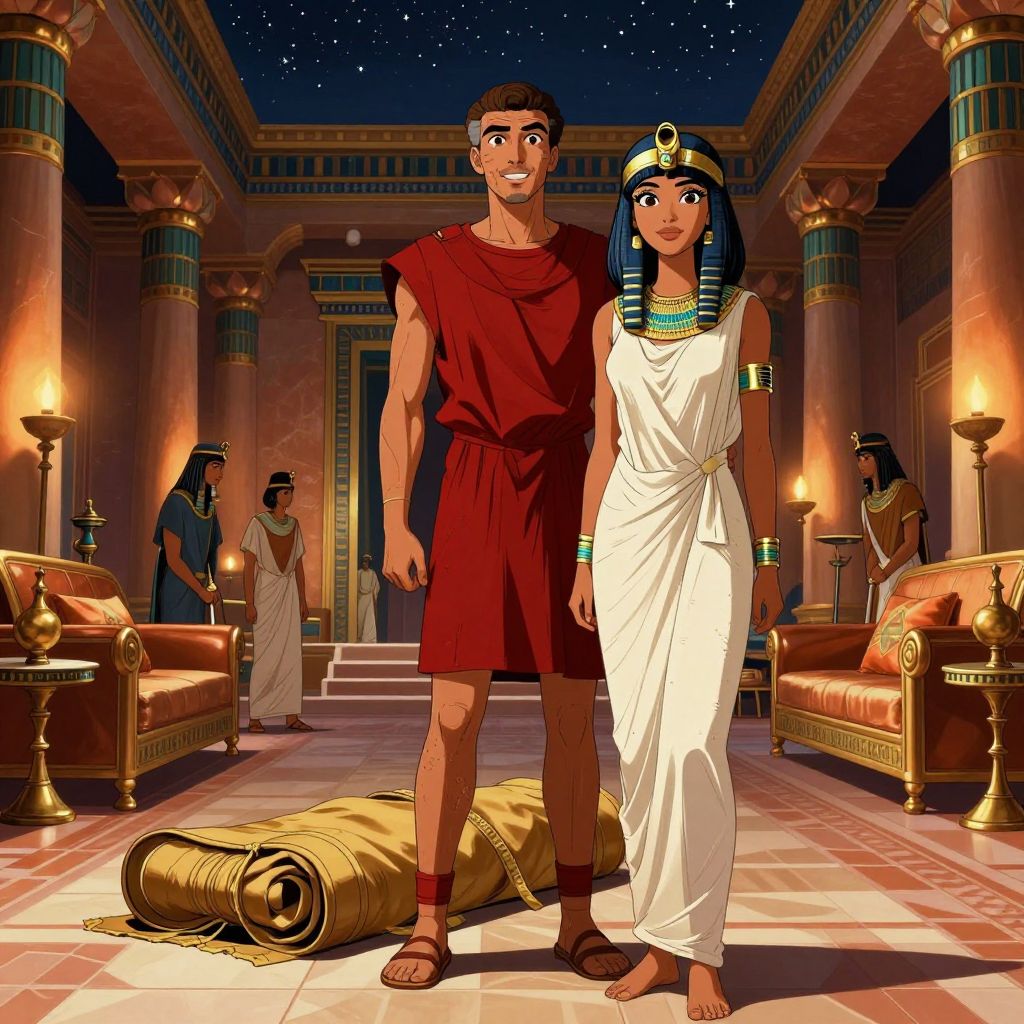
In Egypt, Caesar met a young queen who'd been smuggled into his quarters wrapped in a bedroll to avoid her brother's guards. Her name was Cleopatra.
He was fifty-two. She was twenty-one.
Cleopatra VII was the last of the Ptolemies — Macedonian Greeks who'd ruled Egypt since Alexander's general seized it three centuries earlier. She spoke nine languages. She understood power the way Caesar did: as a game with no rules except winning.
They had a son. Whether Caesar ever formally acknowledged Caesarion is debated by historians. What's certain is that Cleopatra used the association ruthlessly, and Caesar didn't stop her.
Dictator Perpetuo: The Man Who Wouldn't Leave
Caesar returned to Rome the most powerful man in the world. They made him dictator. Then dictator for life — dictator perpetuo.
Four hundred years earlier, a farmer named Cincinnatus had been made dictator during a crisis. He'd saved Rome in sixteen days, then refused all rewards and went back to his plow. "The crops won't plant themselves," he'd said.
That's what "dictator" used to mean. Temporary. Emergency. Selfless.
Caesar would hold it forever.
The Infuriating Part: He Was Good At It
He actually fixed things. Reformed the calendar — our modern calendar is still based on Caesar's, which is why the month of his birth is called "July." Gave citizenship to people Rome had been treating like livestock. Made the courts work. Pardoned his enemies.
Every man who'd fought against him was forgiven. Brutus, who'd joined Pompey's forces and fought at Pharsalus, wrote to Caesar asking for mercy. Caesar's response? He welcomed Brutus into his camp. Pardoned him completely.
"I gave orders to spare you. Not because you're my enemy. Because you're better than that."
Brutus was ashamed. Grateful. Confused. That mercy was unsettling. It created a debt that could never be repaid.
Testing For a Crown
At the festival of Lupercalia in February of 44 BCE, Mark Antony offered Caesar a crown. A diadem. Three times.
Three times, Caesar refused. The crowd cheered each refusal.
But watch his face in the accounts. He wasn't refusing. He was testing. Measuring the applause. Counting the silence. Seeing if Rome was ready for a king.
"Not yet," he whispered to himself. "Not yet."
The Notes That Broke Brutus
Meanwhile, Brutus was breaking.
Anonymous notes appeared on his praetor's chair. On statues of his ancestor.
"You're sleeping, Brutus."
"Remember your ancestor."
"Are you really a Brutus?"
He knew who was behind it — a senator named Cassius, picking at wounds that were already bleeding. But the notes were right. Brutus's ancestor had executed his own sons for plotting to restore the monarchy. He'd built the Republic on their graves.
Now a tyrant sat in Rome wearing everything but a crown. And Brutus, to whom Caesar had been like a father, believed killing him would bring the Republic back.
He was wrong. But sixty men believed it enough to sharpen their knives.
The Ides of March
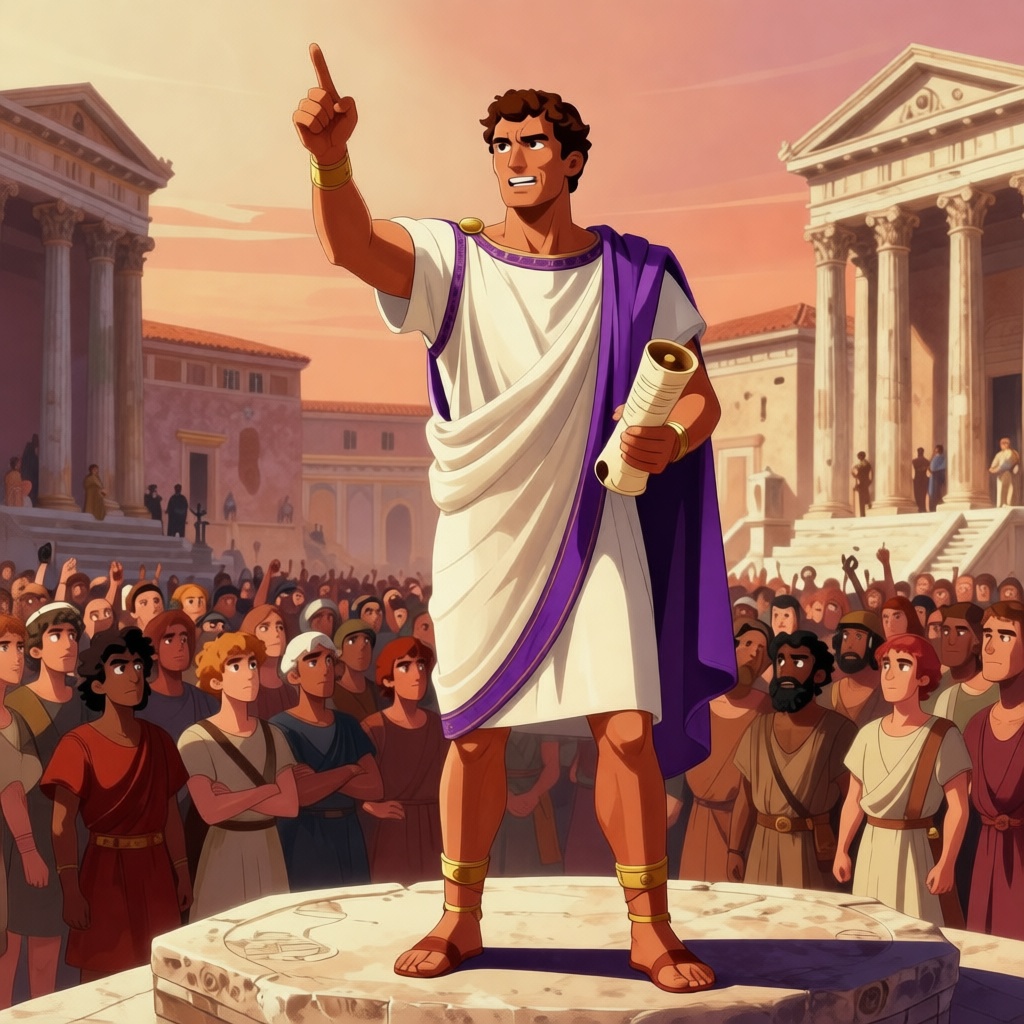
March 15, 44 BCE. A soothsayer named Spurinna had warned Caesar: danger would last for thirty days, ending on the Ides of March.
Caesar laughed it off. He always laughed off warnings.
His wife Calpurnia begged him not to go to the Senate that day. She'd had nightmares about his death. But Caesar went anyway.
As he passed Spurinna on the way, he called out: "The Ides of March are come!"
The soothsayer's quiet reply: "Aye, but they are not gone."
Twenty-three stab wounds. Sixty conspirators. One dead god on the Senate floor.
Caesar fell at the base of Pompey's statue. His old rival watched in marble as he bled out.
What He Left Behind
Caesar's death didn't save the Republic. It killed it.
The conspirators expected cheering. They got silence. Rome locked its doors.
Within three years, most of them were dead. Brutus and Cassius committed suicide after losing at Philippi. The rest were hunted down by Octavian — Caesar's adopted heir, the sickly eighteen-year-old nobody thought mattered.
Octavian became Augustus. The first emperor. The Republic died and was replaced by emperors who all took the title "Caesar." The word became synonymous with absolute power — Kaiser in German, Czar in Russian.
July still bears his name. His calendar is still the one we use. His conquest of Gaul created France. His civil war ended the Republic and created the Roman Empire.
He was murdered for being a tyrant. But the tyranny had only just begun.
Frequently Asked Questions
1Was Caesar really Brutus's father?
Unlikely. Caesar's affair with Brutus's mother Servilia began when Brutus was already a teenager. But Caesar clearly loved Brutus and treated him like a son, which made the betrayal even more devastating. Some ancient sources suggest Caesar believed Brutus might be his, but the timeline doesn't support it.
2What did Caesar accomplish as dictator?
Caesar reformed the calendar (creating the Julian calendar we still use), gave Roman citizenship to people in conquered territories, made the courts more efficient, initiated massive building projects, and pardoned his enemies. He was genuinely competent at governance, which made his consolidation of power even more dangerous to Republican ideals.
3Why didn't Caesar make himself king?
Caesar tested the waters at Lupercalia when he refused the crown three times. Romans had a deep cultural hatred of kings dating back to the monarchy's overthrow in 509 BCE. Caesar had the power of a king but knew the title would turn Rome against him. He settled for 'dictator for life' instead.
4What happened to Cleopatra after Caesar died?
Cleopatra returned to Egypt with their son Caesarion. She later allied with Mark Antony, who was part of the Second Triumvirate with Octavian and Lepidus. After losing to Octavian at the Battle of Actium in 31 BCE, both Cleopatra and Antony committed suicide. Octavian had Caesarion killed, eliminating the last potential rival to his power.
Experience Caesar's Rise and Fall
From the Triumvirate to the Ides of March, hear the story of the man who destroyed the Republic told by an ancient witness.


Hear Their Story
Three Wolves
4 minCaesar, Pompey, and Crassus — three men who couldn't share power. And wouldn't share Rome.

The Die Is Cast
4 minA shallow river. A simple choice. And four words that ended the Roman Republic: 'Alea iacta est.'
Twenty-Three
4 minTwenty-three stab wounds. Sixty conspirators. One phrase that would echo through history: 'Et tu, Brute?'
Related Articles
The Battle of Philippi: The Republic Dies in Macedonia
October 42 BCE. Two battles. Three weeks apart. Two suicides. The conspirators who killed Caesar met their end on a Macedonian plain, and the Roman Republic died with them.
Caesar's Dictatorship: The Reforms That Ended the Republic
From 49 to 44 BCE, Julius Caesar transformed Rome with sweeping reforms as dictator perpetuo. He fixed the calendar, extended citizenship, and pardoned his enemies. Then sixty senators stabbed him for it.
The Catiline Conspiracy: When Cicero Saved the Republic
In 63 BCE, a desperate aristocrat named Catiline plotted to overthrow Rome, cancel all debts, and massacre the Senate. Only one man stood in his way: a lawyer with no army, no ancestors, and the most dangerous voice in the ancient world.
Crossing the Rubicon: The Point of No Return
In 49 BCE, Julius Caesar stood at a shallow river with his army behind him. He stepped into the water and said three words that ended the Roman Republic: 'Alea iacta est.'
The First Triumvirate: When Three Men Carved Up the Roman Republic
In 60 BCE, Julius Caesar, Pompey the Great, and Marcus Crassus formed a secret alliance that would destroy the Roman Republic. No vote. No ceremony. Just a handshake between ambitions.
The Ides of March: The Assassination of Julius Caesar
March 15, 44 BCE. Twenty-three stab wounds. Sixty conspirators. One dead god on the Senate floor. The assassination that killed the Republic it was meant to save.
Sulla's March on Rome: The Day the Republic Died
In 88 BCE, Lucius Cornelius Sulla did something no Roman had done in 400 years: he marched his legions against Rome itself. The taboo was broken. The precedent was set. The Republic would never recover.
Sulla's Proscriptions: Rome's First Death Lists
In 82 BCE, the dictator Lucius Cornelius Sulla invented bureaucratic murder. Names appeared on wooden boards in the Forum. If yours was there, anyone could kill you and collect a reward. Thousands died. The Republic learned lessons it would never forget.
Experience Julius Caesar's Story
Go beyond the biography. Hear Julius Caesar's story told by Lumo, your immortal wolf guide who witnessed these events firsthand.