The Unthinkable
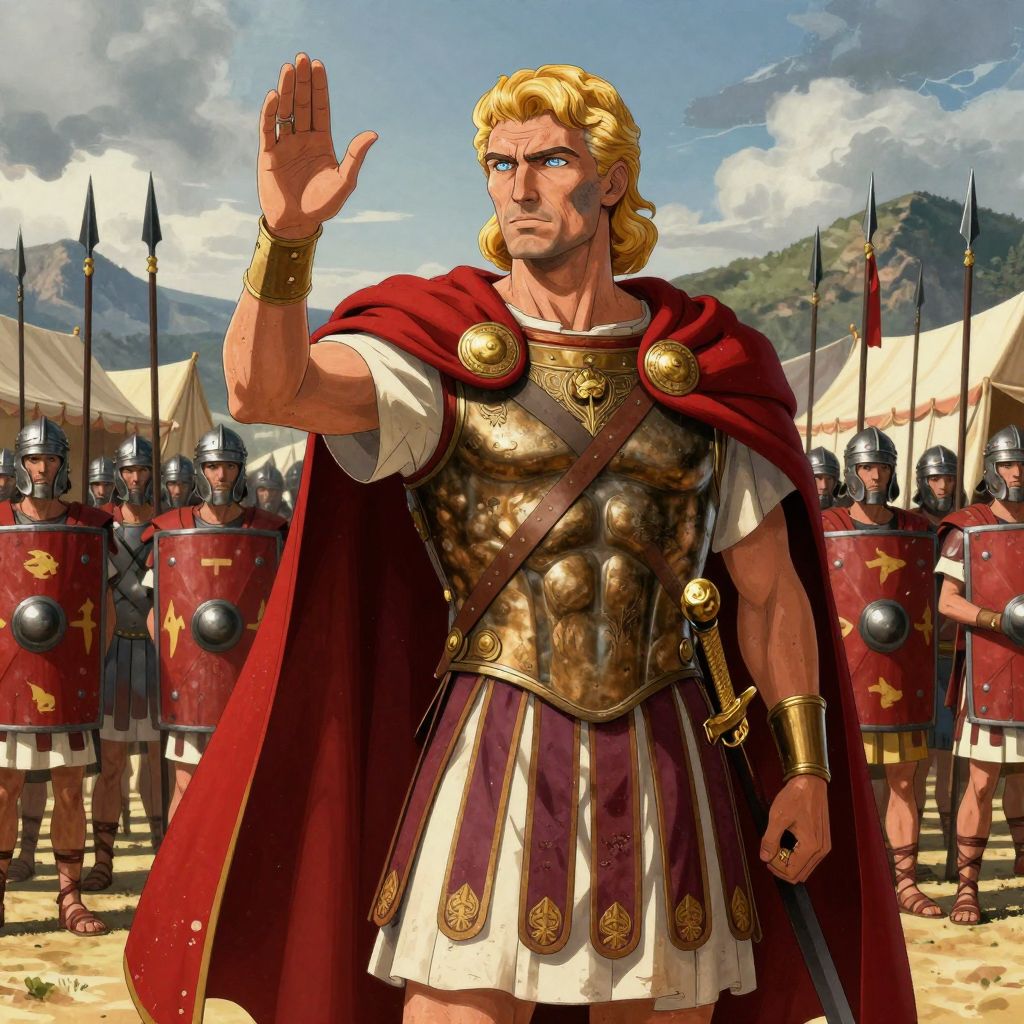
For over four hundred years, no Roman general had turned his army against Rome. The city's walls existed to keep barbarians out, not legions in. Roman soldiers marching through Roman streets, weapons drawn against Roman citizens? Sacrilege.
Then Lucius Cornelius Sulla did it anyway.
In 88 BCE, Sulla led six legions down the roads of Italy toward the city that had created him. Thirty thousand men marching to seize power by force. Citizens who saw them coming hid in doorways. Shopkeepers shuttered their stalls. The world they understood was ending.
This is the moment the Roman Republic started dying. Not with a vote, not with a debate, but with the sound of hobnailed boots on cobblestones. Sulla proved something simple that would haunt Rome for the next half-century: if you have an army loyal to you, you can take whatever you want.
The Grudge Match
Why did Sulla march? You have to understand his rivalry with Gaius Marius, the most powerful man in Rome.
Marius was a legend. A "new man" from the Italian provinces who had risen to become consul seven times, more than anyone in Roman history. He saved Rome from the Cimbri and Teutones, Germanic tribes that had annihilated multiple Roman armies. He reformed the Roman military, transforming it from a citizen militia into a professional fighting force. Rome owed him everything.
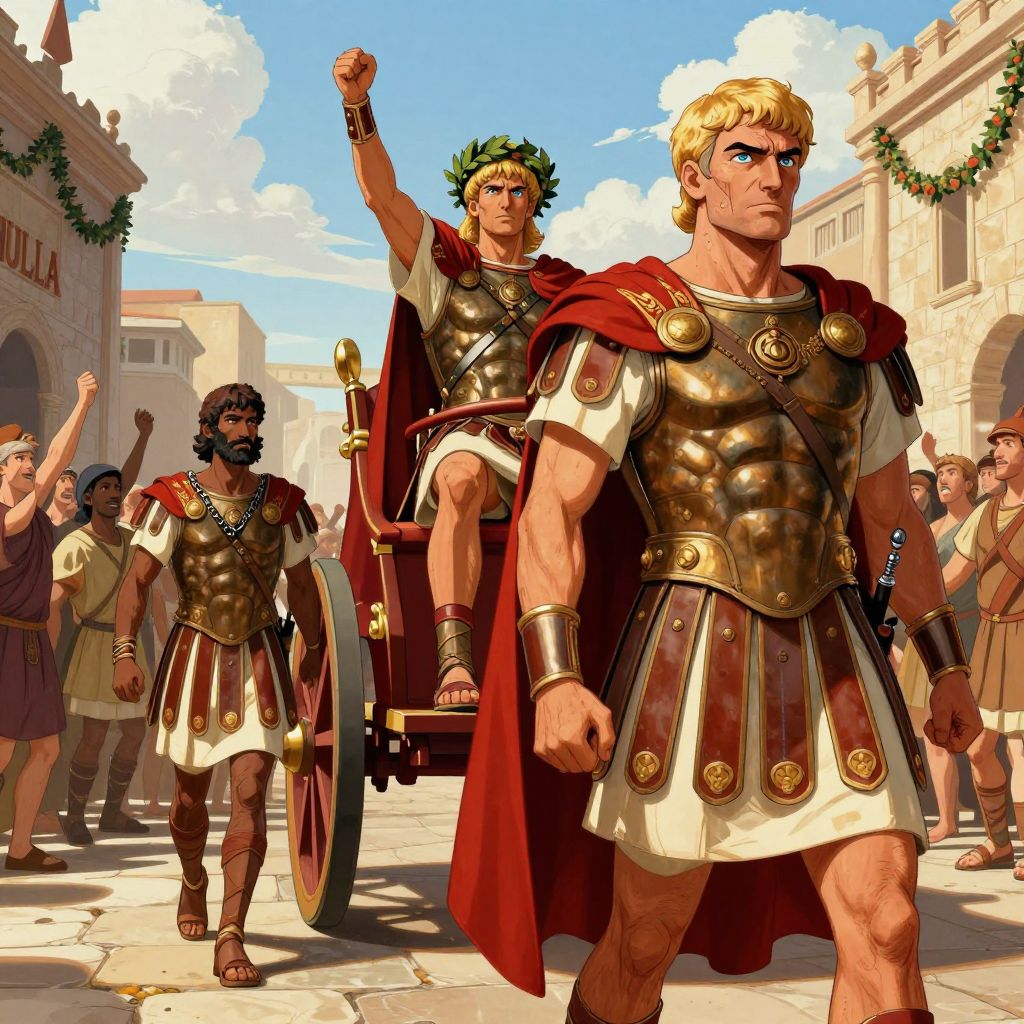
Sulla had served under Marius for years. He even captured Jugurtha, the Numidian king whose guerrilla war had humiliated Rome for years. But when the triumph came, Marius took the credit. The general rode in the chariot. The subordinate walked behind.
Sulla came from one of Rome's oldest patrician families. Marius was an outsider who had clawed his way up. The social gulf between them was vast, and Marius's success grated on Sulla's aristocratic pride. He believed he deserved recognition that Marius kept taking from him.
For years, the resentment festered. Sulla built his own military reputation. He won campaigns in the Social War, the brutal conflict that finally gave Italian allies Roman citizenship. By 88 BCE, he had earned the consulship and commanded respect in his own right.
Then the news arrived from the East.
The Trigger
King Mithridates VI of Pontus had orchestrated a massacre. In a single coordinated strike, he ordered the killing of every Roman and Italian in Asia Minor. The death toll was staggering: somewhere between 80,000 and 150,000 people butchered in their homes, in their businesses, in temples where they had sought sanctuary.
Rome had to respond. Someone had to lead the armies east, defeat Mithridates, and avenge the dead. The command was valuable beyond measure: glory, plunder, and the loyalty of the legions who would share in the spoils.
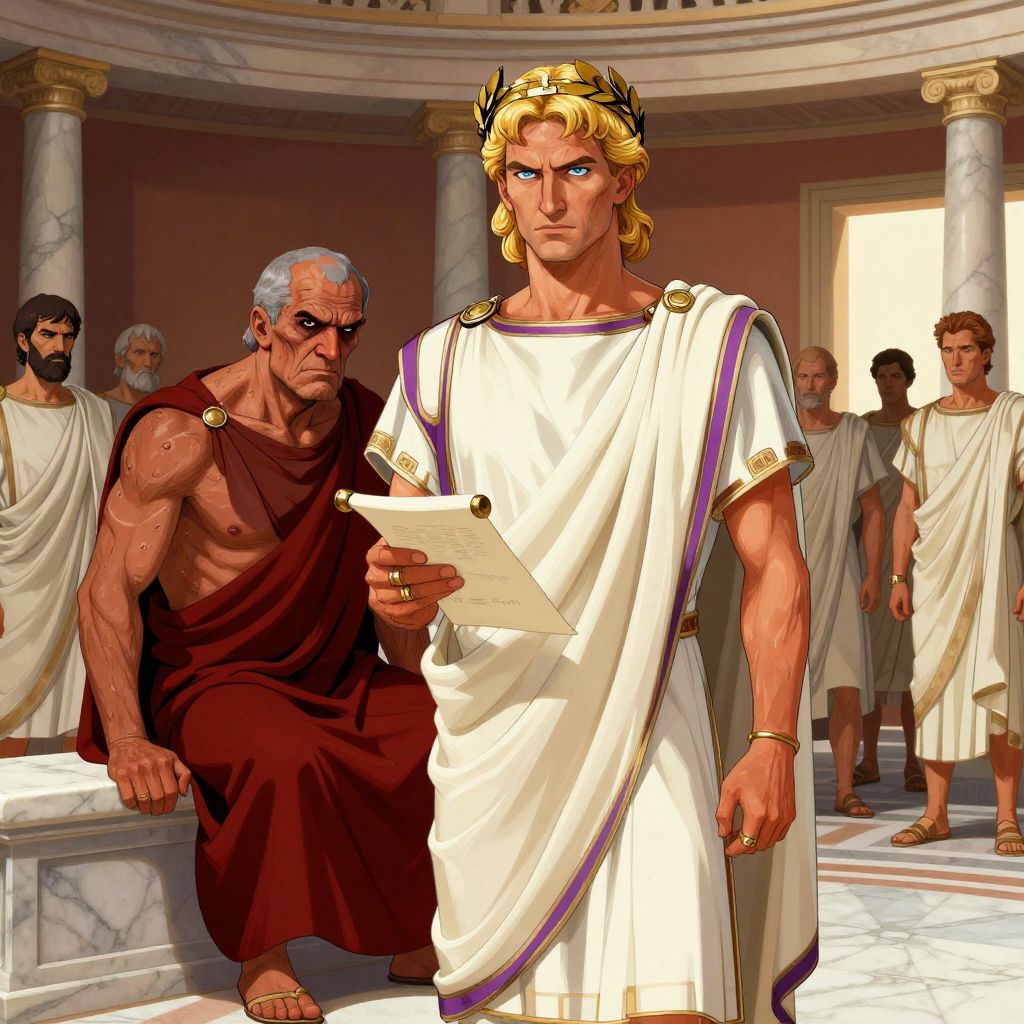
The Senate assigned the command to Sulla. He was consul, he was competent, and he had earned it. But Marius wanted that war. He was nearly seventy years old, his health failing, his glory days behind him. This was his last chance for one more triumph.
So Marius did what he had done before. He went to the people. Through his ally, the tribune Publius Sulpicius Rufus, he got the popular assembly to transfer the command from Sulla to himself. Legally. Constitutionally. Through the proper channels.
The vote was valid. Roman law allowed the popular assembly to override the Senate. Marius had every right to take that command.
Sulla received the news at Nola, in southern Italy, where his six legions were preparing to march east. Messengers arrived expecting the general to accept the decision and stand down.
They didn't know Sulla.
The March
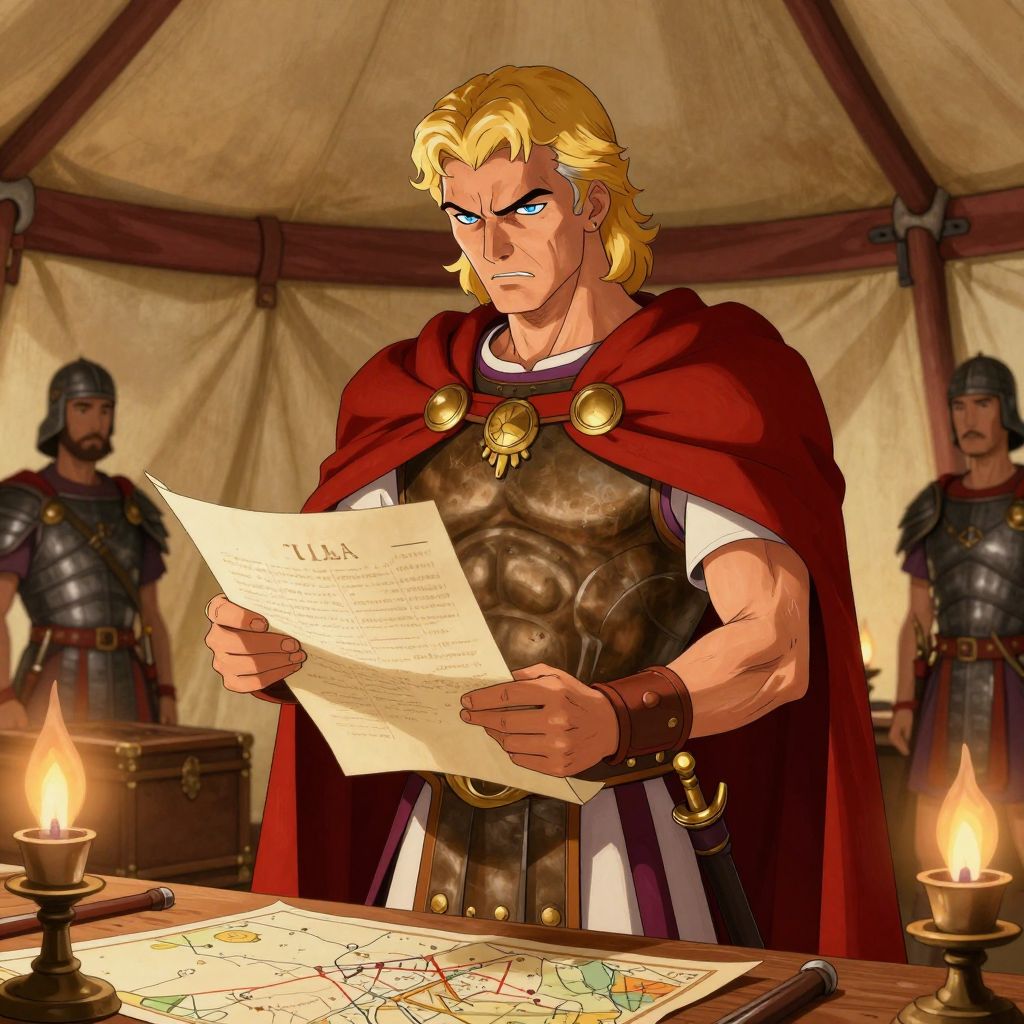
Sulla called his officers together. Most of them were horrified when he explained what he intended to do. All but one refused to follow him. They knew the law. They understood the taboo. Marching on Rome was treason.
The officers knew better.
The soldiers didn't care.
Marius's military reforms had created this moment. The old Roman army had been composed of citizens who owned property. They served Rome because they had something to protect. When the war ended, they went home to their farms.
The new army was different. Landless men enlisted for a salary. They served for years, sometimes decades. Their loyalty was to the general who paid them, who promised them land grants at retirement, who led them to victory and plunder. The state was abstract. The general was real.
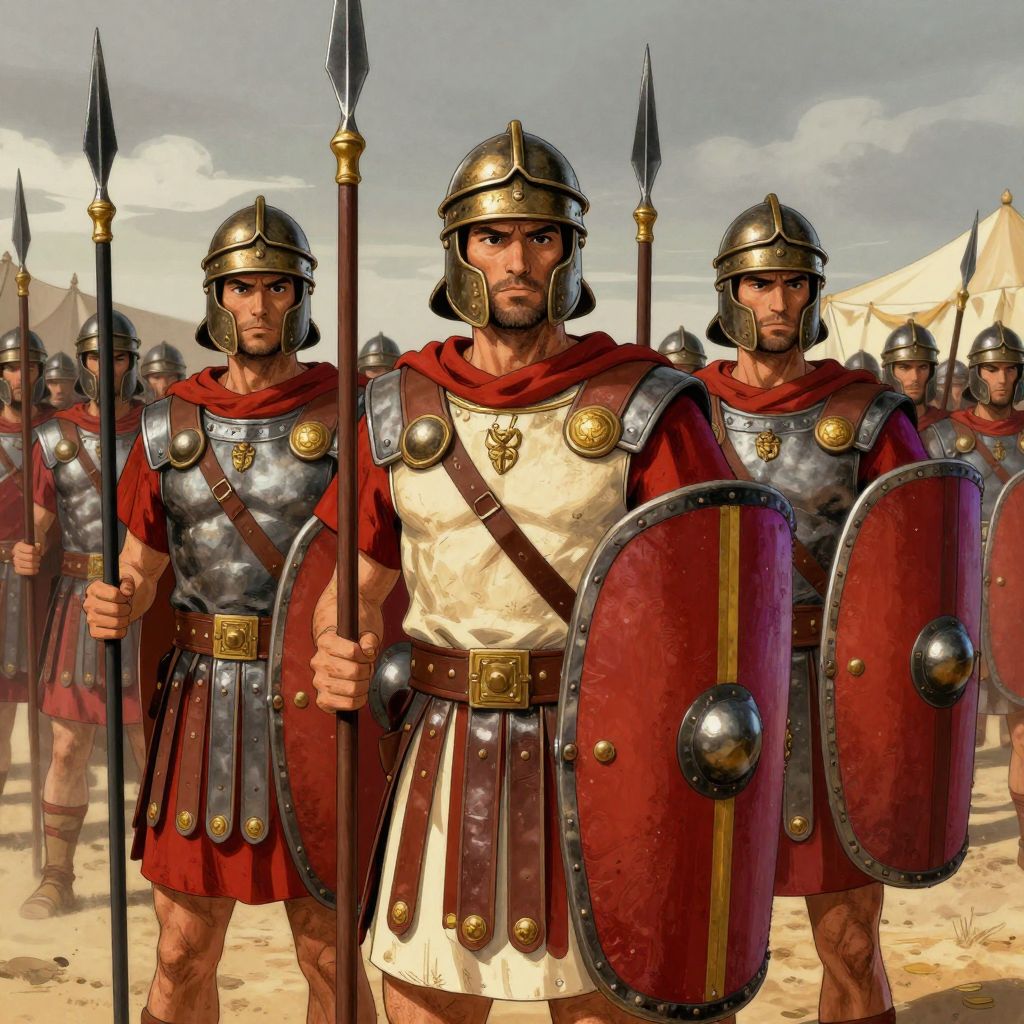
Sulla addressed his legions. He told them what had happened. Marius's allies had stolen their war, their glory, their plunder. Someone else would hand out the spoils to someone else's men.
The soldiers understood perfectly. They had followed Sulla through the Social War. They expected to follow him east against Mithridates. Now politicians in Rome were taking that away.
They voted with their feet. Six legions, thirty thousand men, turned toward Rome.
Blood in the Streets
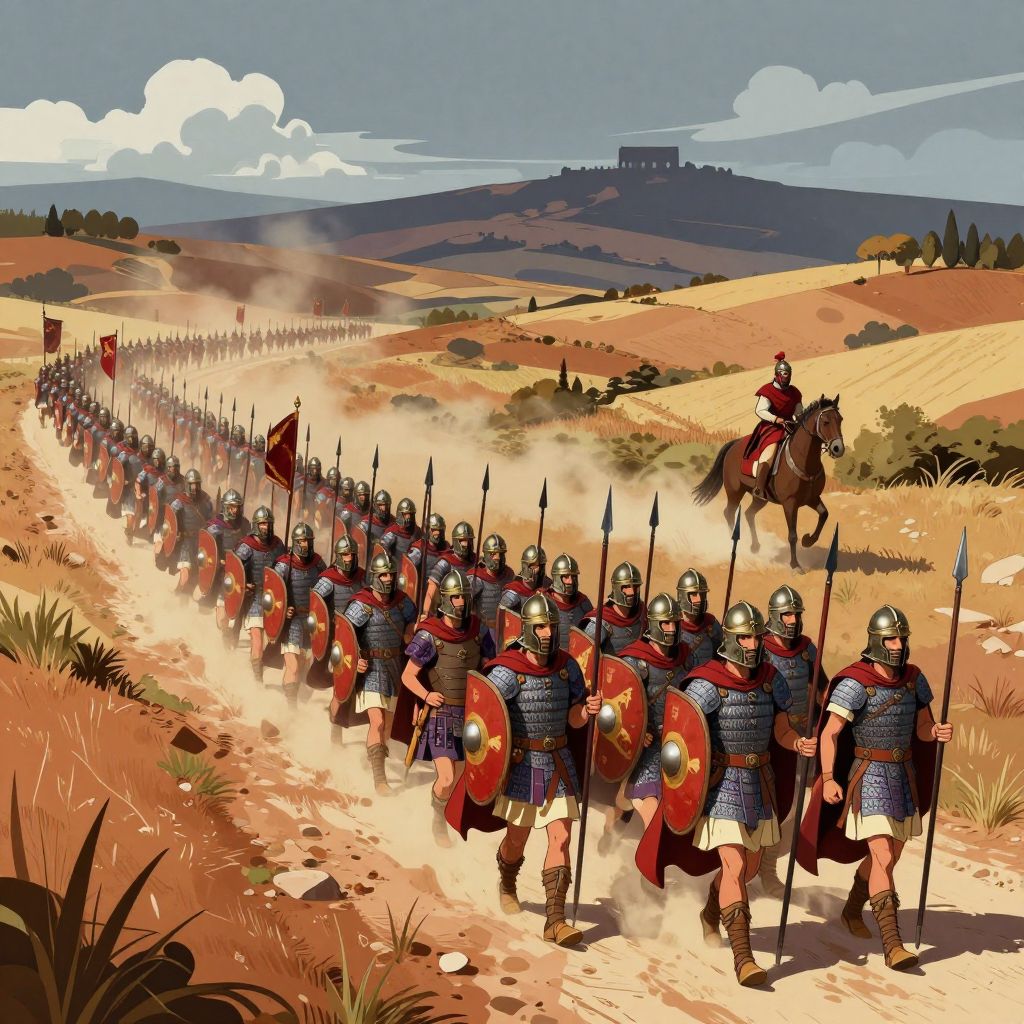
The march took days. Word spread ahead of them. Rome had no standing army. The urban cohorts were police, not soldiers. The Senate had nothing to throw against six battle-hardened legions.
Marius tried to organize resistance. He was still Marius, still the hero who had saved Rome from the barbarians. He called for slaves to join him, promising freedom. He gathered what supporters he could.
It wasn't enough.
Sulla's legions reached the city and began forcing their way through the gates. The fighting was fierce but brief. Marius's supporters held some neighborhoods, throwing roof tiles and whatever they could find down on the soldiers. Sulla ordered his men to set fire to the buildings.
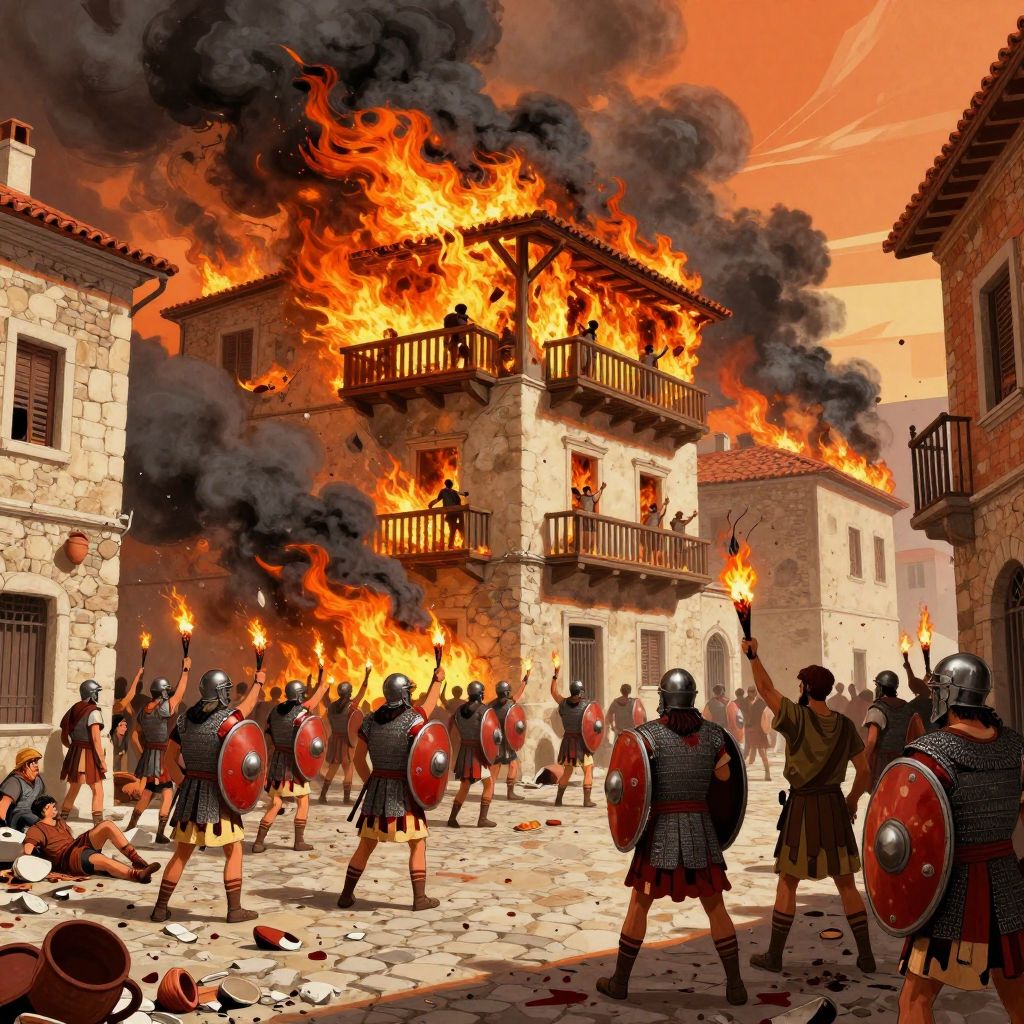
Roman soldiers burning Roman buildings. Roman blood in Roman gutters. The unthinkable had become real.
Marius fled. The most powerful man in Rome, reduced to running through back alleys while the city he had saved burned behind him. He escaped the walls and headed south, toward the coast, with a handful of loyal followers.
The Hunt
What followed was one of the strangest episodes in Roman history.
Marius hid in coastal marshes, neck-deep in mud, mosquitoes feasting on him. The savior of Rome, hiding in swamps like a hunted animal. His enemies tracked him to the town of Minturnae, where local authorities captured him and sentenced him to death.
They sent a slave to execute him. A Cimbrian slave. Think about that for a second. This was a man whose people Marius had slaughtered at the Battle of Vercellae. Whose family, whose tribe, everyone he had ever known had died under Roman swords, under Marius's command.
The slave entered the dark room where Marius was held. He had a sword. He had every reason to use it. He had been given permission, even orders, to kill the man who had destroyed his people.
Then Marius opened his eyes. Old, broken, covered in mud, but still Marius. Still the legend.
"Do you dare kill Gaius Marius?"
The slave's hands shook. He dropped his sword and ran.
The town let Marius go. What else could they do? Even in chains, even broken and hunted, the legend was bigger than the man. Even his victims couldn't touch him.
Marius escaped to Africa, where he found allies among veterans he had settled there years before. He started planning his return.
The Aftermath
Sulla didn't chase Marius. He had a war to fight in the East. He reorganized Rome, passed laws designed to strengthen the Senate and weaken the tribunes, and declared Marius and his allies public enemies. Anyone who killed them could claim a reward.
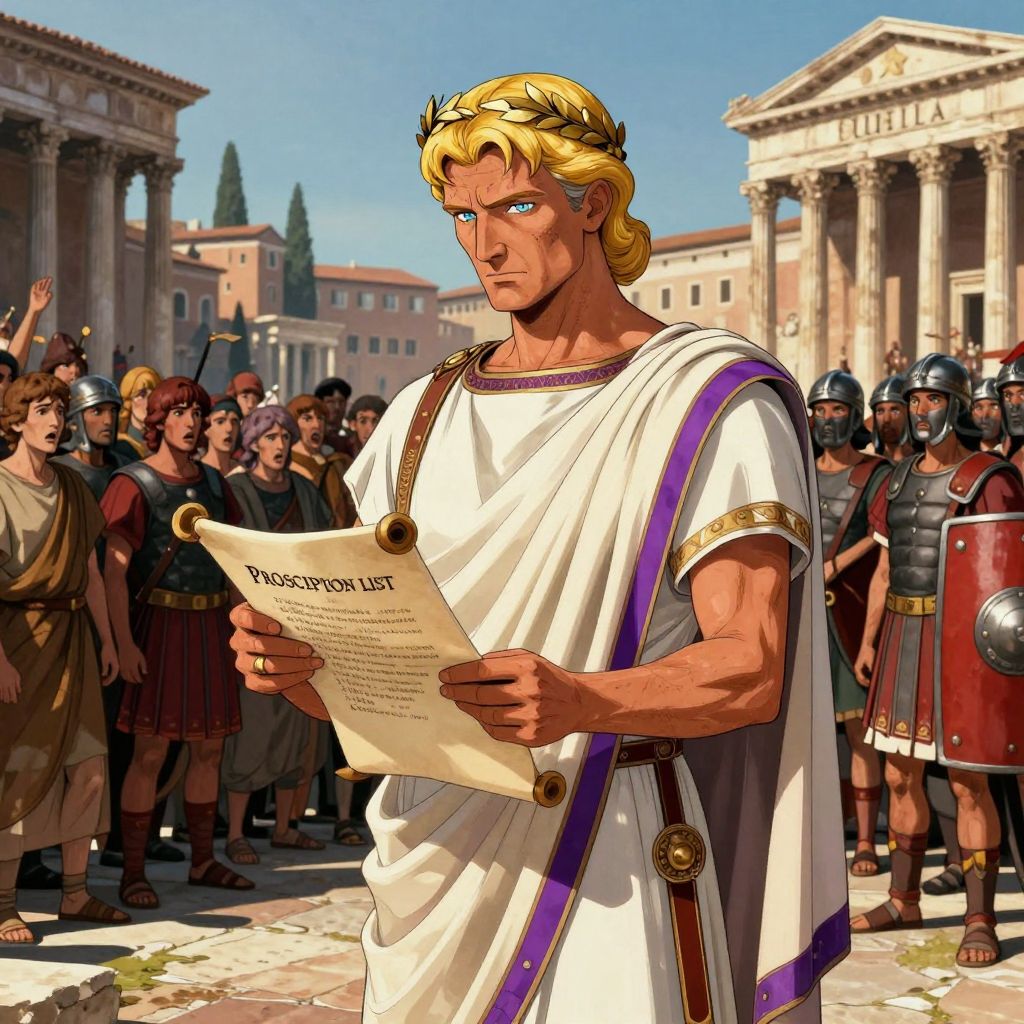
Then Sulla sailed east to fight Mithridates, leaving Rome behind.
He thought it was over. He had proven his point. He had seized power, reorganized the government, eliminated his enemies. The crisis was resolved.
He was catastrophically wrong.
Marius Returns
The moment Sulla's ships disappeared over the eastern horizon, Marius came back.
He was old now, nearly seventy, sick and consumed by rage. The man who had hidden in swamps, who had begged for his life, who had watched everything he built slip away. But he was still Marius. Still the legend.
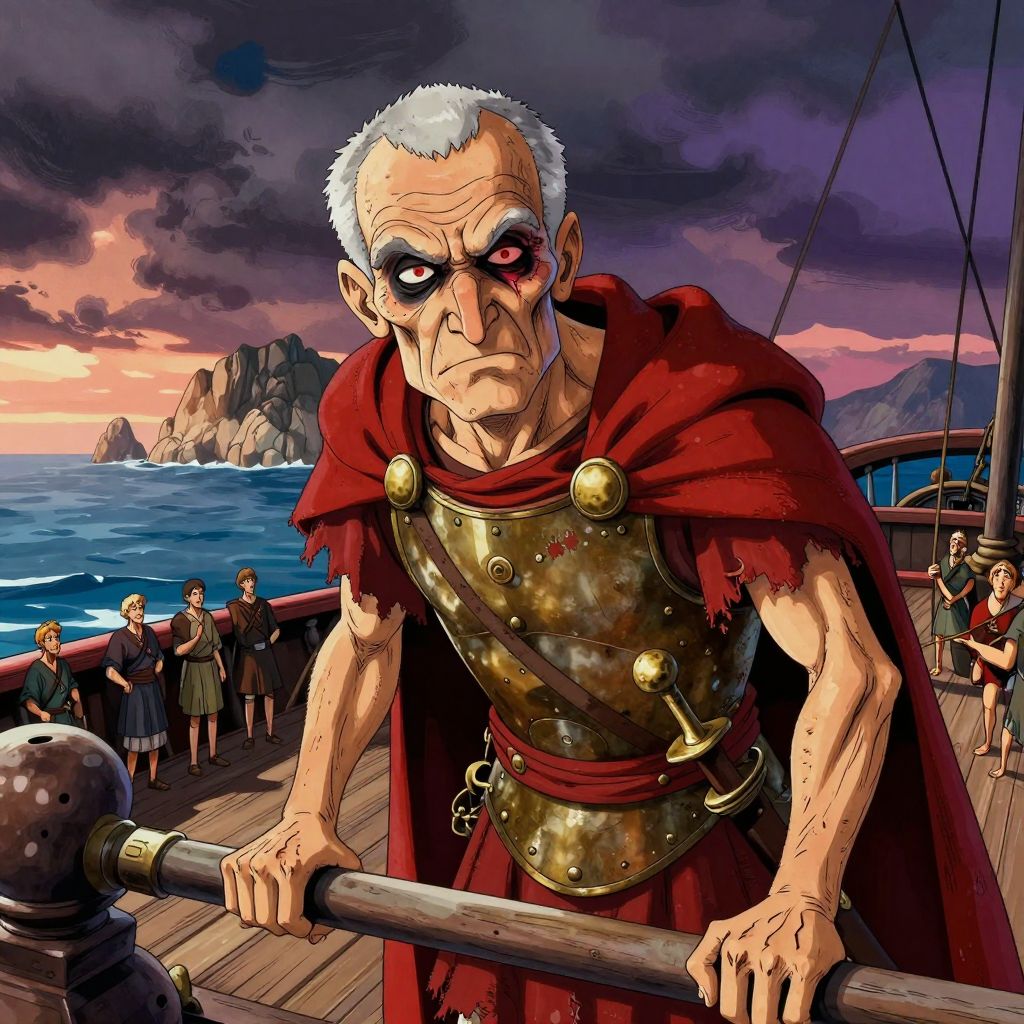
He landed with an army. Not the disciplined legions he had once commanded. This was a collection of slaves, exiles, and desperate men. Anyone with a grievance. Anyone with nothing left to lose.
It was enough.
Marius and his ally Cinna took Rome without a serious fight. Sulla's supporters had no army to defend themselves. They were politicians, not soldiers. They had laws and precedents and constitutional procedures.
None of it mattered anymore.
Five Days of Murder
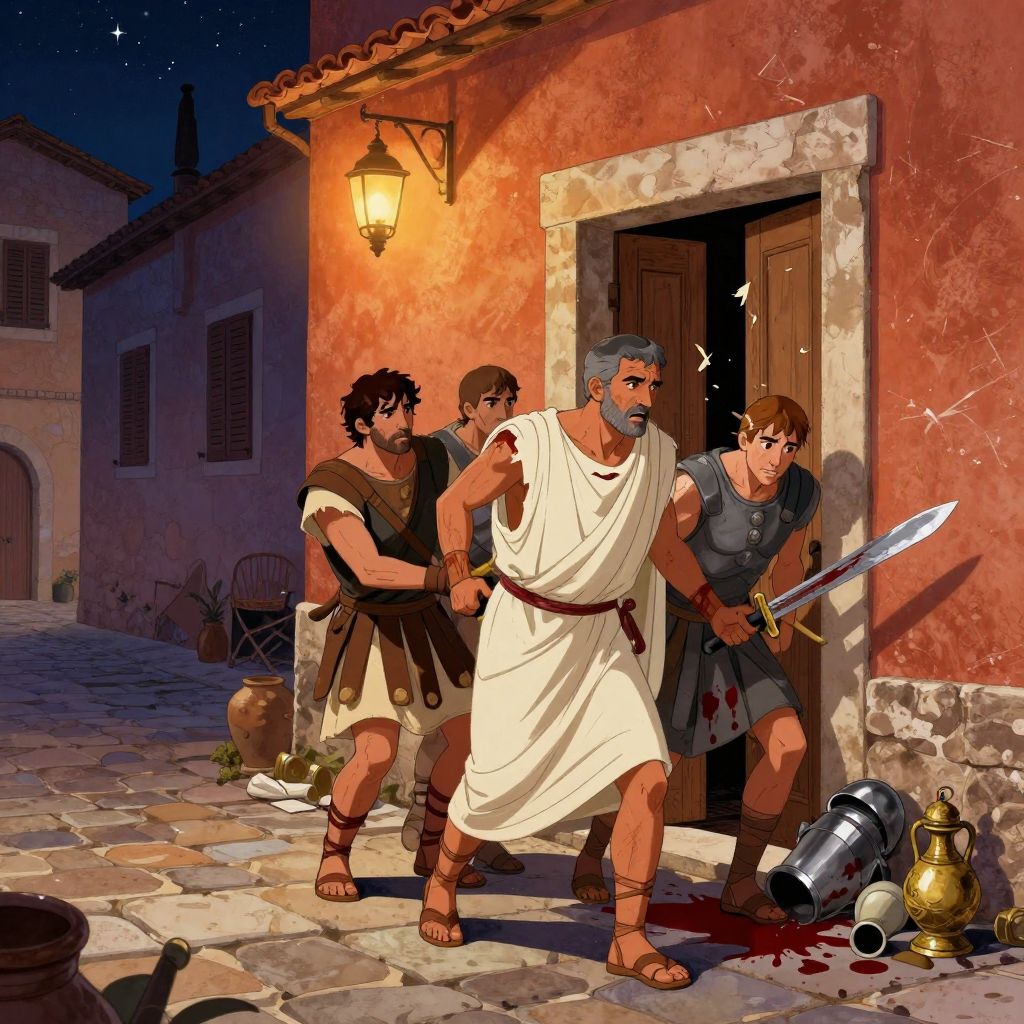
The killing started immediately.
Not soldiers. Not in battle. Senators. Dragged from dinner tables. Executed in the streets. Dumped in gutters like garbage.
Marius didn't bother with lists at first. If you had supported Sulla, if you had looked at Marius wrong, if someone owed you money and pointed a finger, you died. Five days of murder.
Wealthy neighborhoods went silent. Servants learned not to remember faces. Bodies lay in the gutters until someone got around to collecting them.
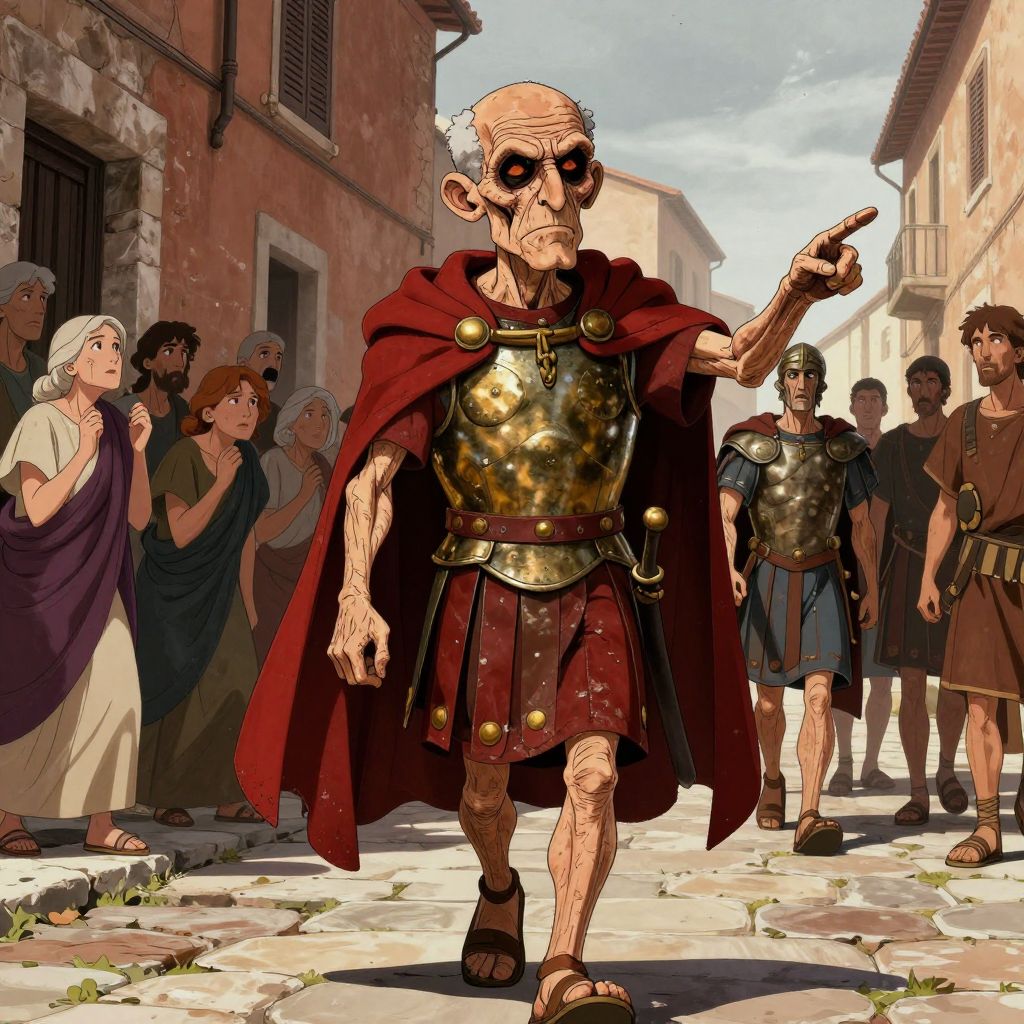
The first night, Marius's men killed a consul. They walked into his house and cut his throat. No trial. No accusation. The man's head was displayed in the Forum the next morning.
Marius barely spoke. He walked through the streets, and people died where he pointed. Sometimes he pointed at random.
They elected him consul for the seventh time. Not because anyone wanted him. Because if they didn't, the killing would continue.
Thirteen Days
Marius had achieved everything he wanted. Seven consulships. More than any Roman in history. His enemies dead or fled. His power absolute.
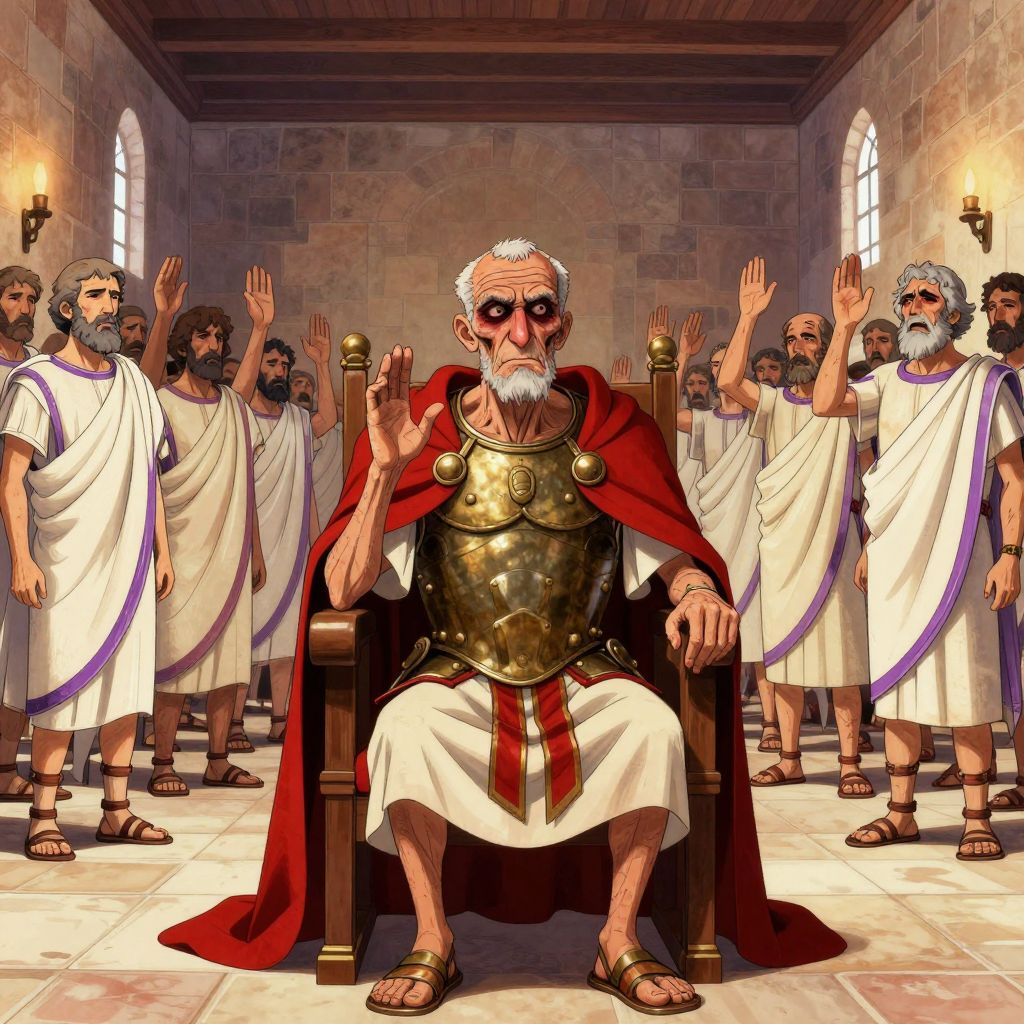
He lasted thirteen days.
Some said it was a stroke. Others said the rage finally consumed him from the inside. A few whispered that he drank himself to death, haunted by visions of everyone he had killed.
He was seventy years old. He had saved Rome from the barbarians. He had reformed the army. He had held the consulship seven times.
And he died raving in his bed, convinced his enemies were coming through the walls.
The Precedent
The Roman Senate thought they were safe. Marius was dead. The nightmare was over.
They had no idea.
Sulla was coming back. And when he returned from the East in 83 BCE, he brought his legions with him, just as he had five years earlier. This time, there would be no quick occupation and departure. This time, Sulla would stay.
He introduced the proscriptions, formal death lists posted in the Forum. Names appeared without warning. If your name was on the list, anyone could kill you and claim your property. Thousands died. Political enemies, personal rivals, men whose only crime was owning land someone else wanted.
The message was clear. Sulla had pioneered military seizure of power. He had shown that the Republic's laws were paper shields against iron swords.
The Lesson Everyone Learned
Sulla eventually retired. He resigned his dictatorship around 80 BCE, served as consul that year, then withdrew to private life in 79 BCE, dying shortly after in 78 BCE. He seemed to believe that his reforms would stabilize the Republic, that his example would somehow prevent future generals from doing what he had done.
He was wrong.
Every ambitious general after Sulla remembered what he had done. Pompey remembered when he demanded illegal triumphs. Crassus remembered when he crucified six thousand of Spartacus's followers along the Appian Way. Most importantly, Julius Caesar remembered when he stood at the Rubicon in 49 BCE.
Caesar's famous crossing wasn't original. It was a sequel. Sulla had already proven that a general with loyal legions could take Rome. Caesar just did it better.
The Republic had survived for centuries because its citizens believed in it. They followed laws because they agreed the laws were legitimate. They accepted electoral defeats because they knew their turn would come.
Sulla shattered that consensus. He proved that power came from swords, not votes. That the constitution was just words unless someone was willing to enforce it. That a man with an army answered to no one.
The Republic limped on for another four decades after Sulla's first march. There were more civil wars, more proscriptions, more armies marching on Rome. Caesar and Pompey, Octavian and Antony, round after round of ambitious men following Sulla's playbook.
When Augustus finally ended the charade and established the Empire, he wasn't creating something new. He was formalizing what Sulla had proven in 88 BCE: that Rome was ruled by whoever controlled the legions.
The Man Himself
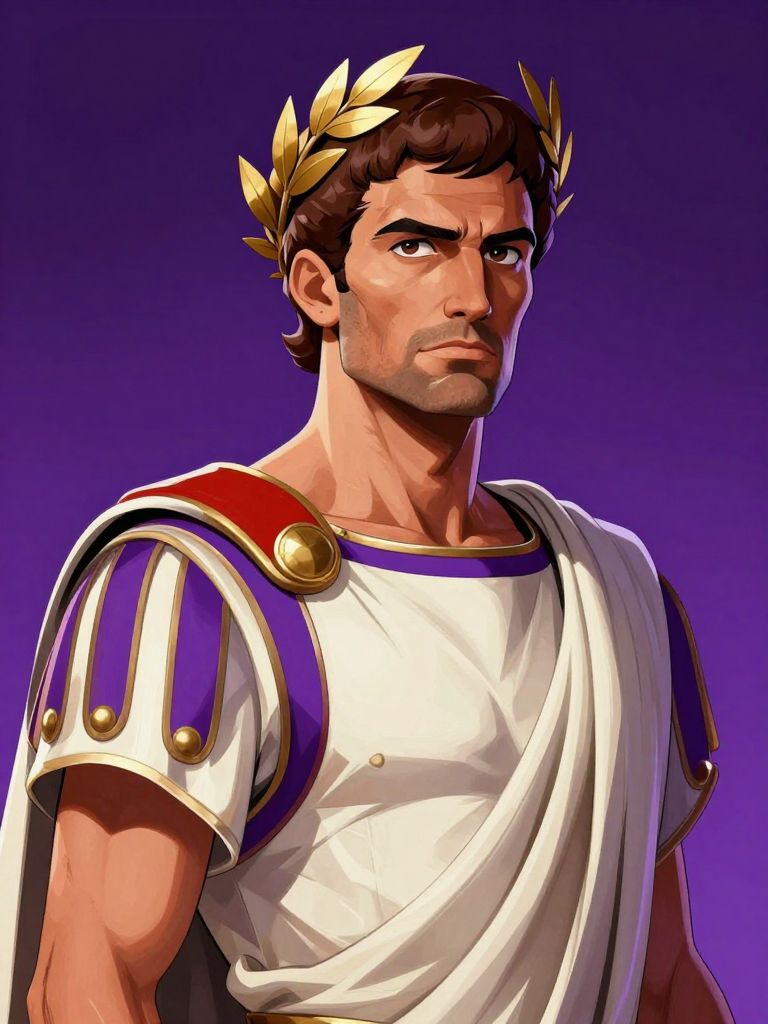
Sulla was a strange figure. A patrician from an impoverished noble family, he spent his youth in relative poverty before inheriting money from his stepmother and a courtesan who had loved him. He was known for his love of pleasure, his sharp wit, and his terrifying capacity for violence.
He believed he was blessed by the goddess Venus and called himself "Felix," the fortunate one. He claimed divine favor even as he ordered massacres. He retired peacefully and wrote his memoirs, dying of natural causes while his victims' families still mourned.
He saw himself as Rome's savior, the man who restored the traditional order against the chaos of the populares. His reforms were designed to strengthen the Senate, weaken the tribunes, and prevent future demagogues from challenging the aristocracy.
Every single reform was dismantled within a decade of his death. The tribunes regained their powers. New generals rose to threaten the state. The cycle continued until there was no Republic left to save.
Sulla's lasting legacy wasn't his laws. It was his example. He taught Rome's ambitious men that the ultimate prize could be seized by force. That lesson echoed through the corridors of power until an emperor sat where consuls once stood.
Frequently Asked Questions
1Why did Sulla march on Rome?
Sulla marched on Rome after his command of the war against Mithridates was transferred to his rival Marius through a popular vote. Rather than accept this legal decision, Sulla used military force to reclaim what he saw as rightfully his. His soldiers followed because their loyalty was to their general, who paid them and promised them war spoils, rather than to the distant Roman state.
2Had anyone marched on Rome before Sulla?
No. For over 400 years, it was an absolute taboo for a Roman general to bring armed troops into the city. Rome's defensive walls were meant to protect against external enemies, not Roman citizens. Sulla's march in 88 BCE was unprecedented and shattered this fundamental norm of Roman political life.
3What happened to Marius after Sulla's first march?
Marius fled Rome and hid in coastal swamps before being captured at Minturnae. Sentenced to death, he was so intimidating that a Cimbrian slave sent to execute him couldn't go through with it. Marius escaped to Africa, waited for Sulla to leave for the East, then returned to Rome in 87 BCE, where he conducted a bloody purge of his enemies before dying thirteen days into his seventh consulship.
4How did Sulla's march affect the Roman Republic?
Sulla's march set a devastating precedent: military force could seize political power. Every subsequent Roman strongman, from Pompey to Caesar to Octavian, followed Sulla's example. The Republic's legitimacy depended on citizens accepting its laws voluntarily; once Sulla proved those laws could be ignored with impunity, the system was fatally weakened.
5What were Sulla's proscriptions?
The proscriptions were formal death lists Sulla posted in the Roman Forum after his return in 83 BCE. Anyone whose name appeared could be legally killed by anyone, with the killer entitled to a portion of the victim's property. Thousands died, including political enemies, personal rivals, and wealthy men whose only crime was owning assets someone wanted to seize.
Experience the fall of the Republic
From Sulla's march to Caesar's crossing, hear the death of Roman democracy told by an ancient witness.


Listen to Related Stories
The First March
4 minHe did something no Roman had ever done.

Marius's Return
4 minAnd he brought something Sulla had forgotten to worry about: rage.
Key Figures
Listen to the Full Story
Experience history through immersive audio lessons narrated by Lumo, your immortal wolf guide.