The Die Is Cast
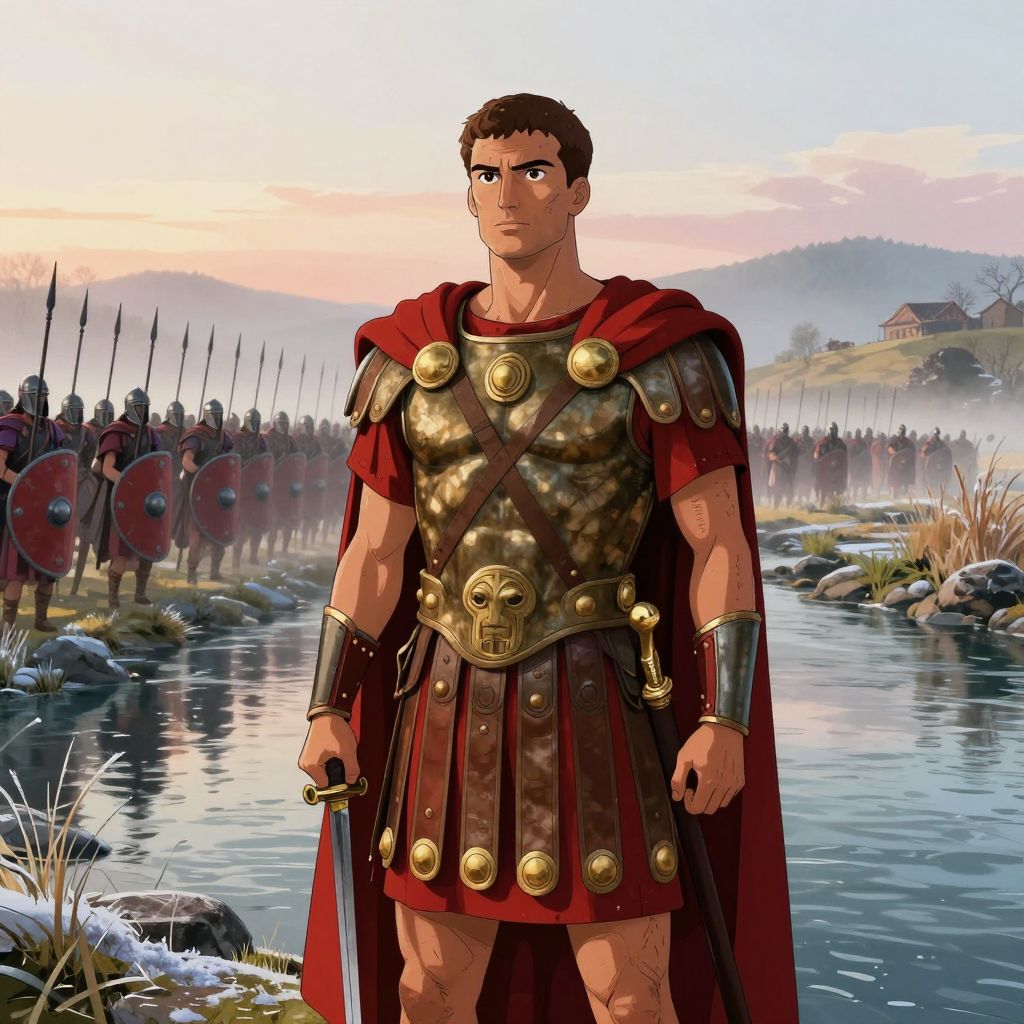
January, 49 BCE. Caesar stood at the edge of a small river. His legions behind him. Rome before him.
"Alea iacta est."
"The die is cast."
He stepped into the water. And everything changed.
What He Was Risking
The Rubicon was barely a river. Shallow. Unremarkable. You could wade across it in your boots.

But cross it with an army, and you were declaring war on Rome itself.
Roman law was clear: generals could command armies in the provinces, but bringing those armies into Italy proper was treason. The Rubicon marked the boundary between Cisalpine Gaul (where Caesar governed) and Italy. Cross it armed, and you were an enemy of the state.
The penalty? Death. Confiscation of property. Destruction of your family's name. Everything you'd built, everything you owned, everyone you loved... gone.
Caesar had spent nine years conquering Gaul. Nine years building the most loyal, most experienced legions Rome had ever seen. They'd marched to the edge of the known world. They'd crossed the Rhine. They'd invaded Britain.
And now the Senate wanted him to disband them and return to Rome alone.
They knew what would happen. Without his army, Caesar would be vulnerable. His enemies would prosecute him for illegal acts during his consulship. They'd destroy him in the courts.
Pompey had promised protection. Then Pompey had sided with the Senate.
Caesar had spent all night thinking. Weighing his options. Survival versus obedience. Power versus peace.
Now he was done thinking.
The Crossing
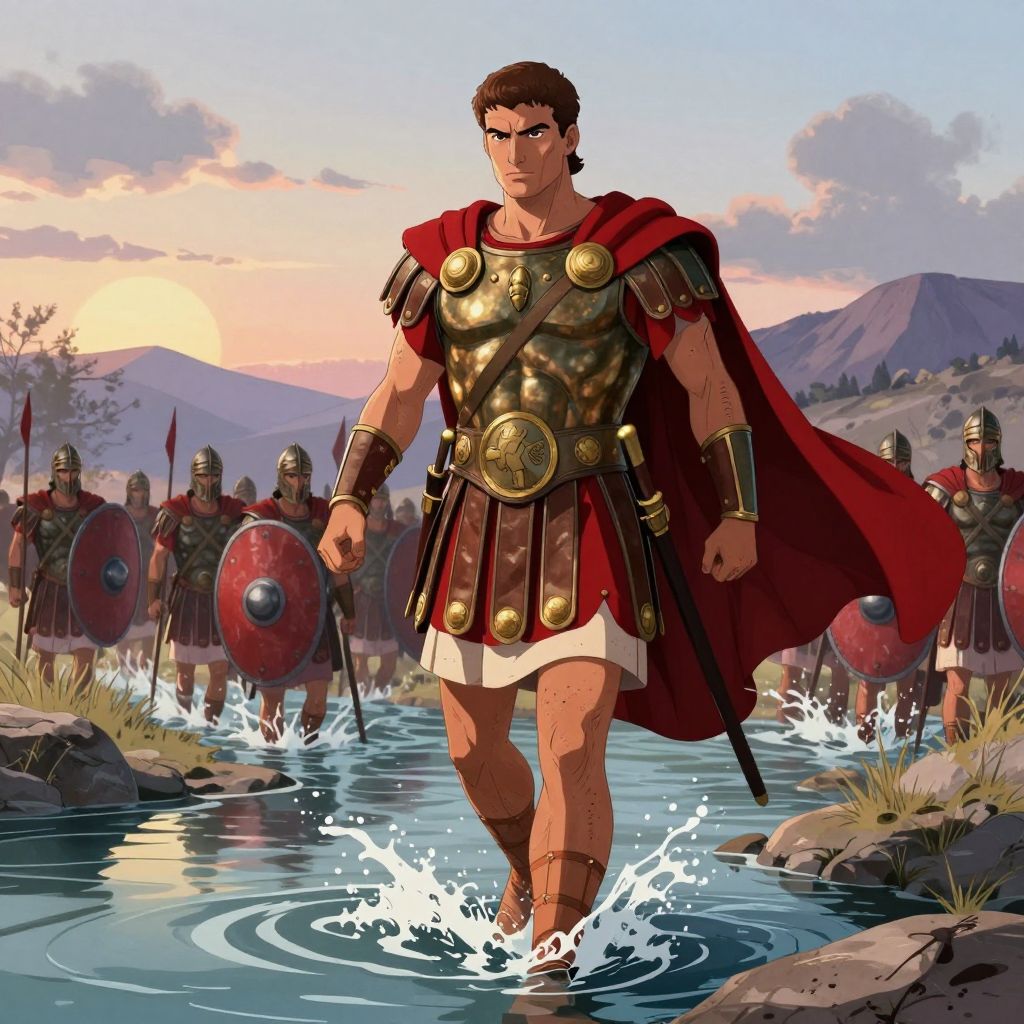
He stepped into the water. One foot, then the other. His red commander's cloak billowed behind him in the January wind.
Behind him, his legionaries followed. Thousands of men who'd followed him across Gaul, who'd survived German ambushes and Gallic uprisings, who'd crossed the Rhine and sailed to Britain.
They knew what this meant. They were marching on Rome. Their own city. Their own Republic.
Not one of them hesitated.
Pompey Runs
Word reached Rome before Caesar's legions did. The Senate panicked. Pompey — three triumphs to his name, conqueror of the East, "Magnus" the Great — fled.
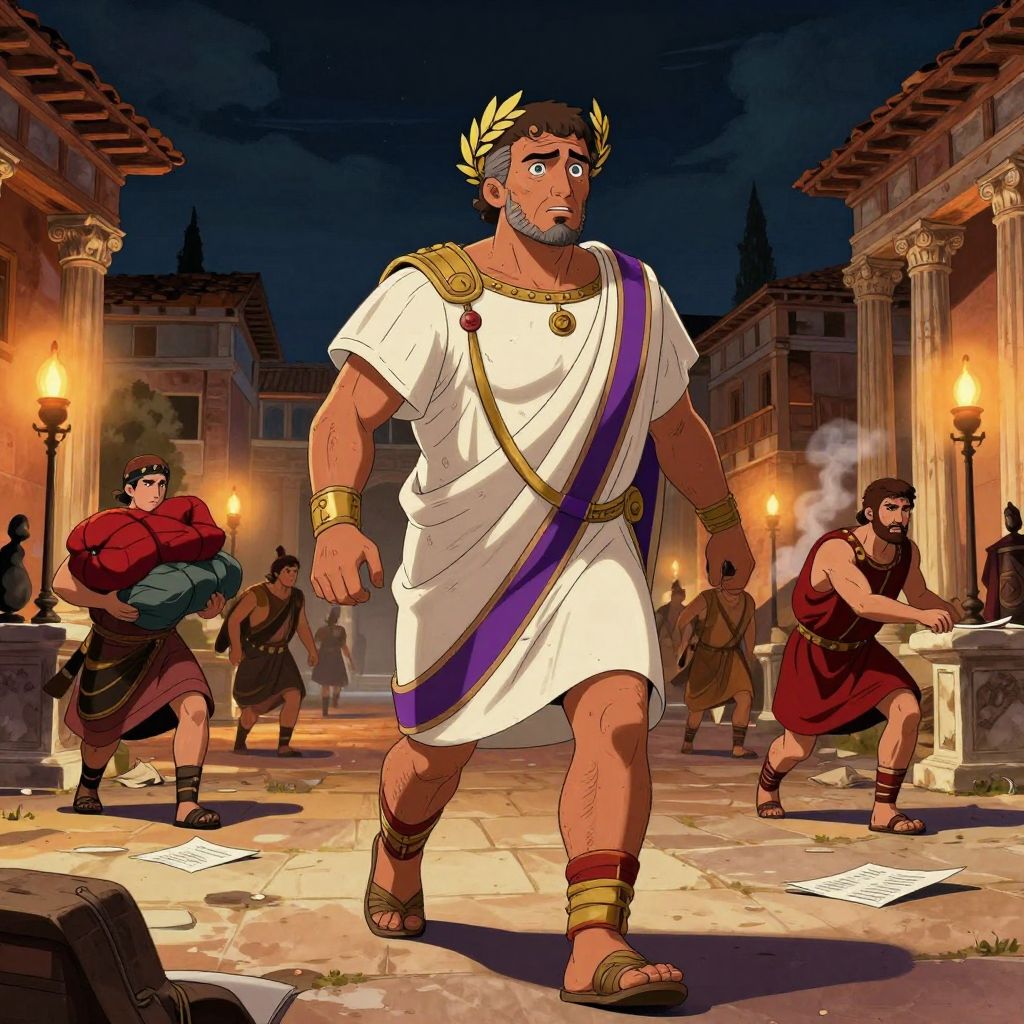
He ran at night, servants scrambling with hastily packed belongings. No time to gather his own legions. No time to mount a defense. Caesar had moved too fast.
The great general who'd crushed the pirates, who'd reorganized the East, who'd brought more territory under Roman control than any man since Alexander — he fled like a common criminal.
Caesar took Italy without a fight. City after city opened their gates. Some welcomed him with flowers. Most just didn't want to die.
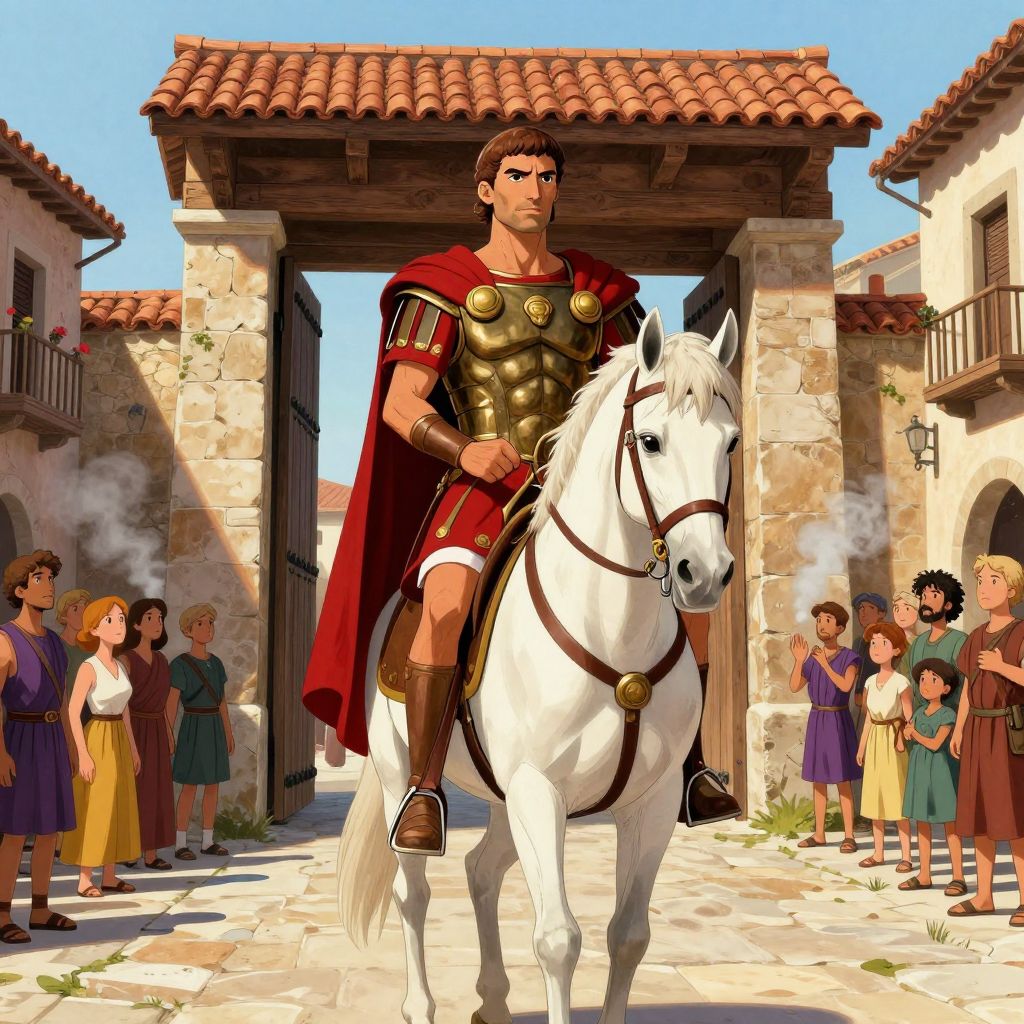
Pompey was right about one thing: Caesar wouldn't stop. He'd crossed the Rubicon. There was no going back now. Only forward. Victory or death.
Brutus Chooses
But Pompey escaped to Greece. He had allies there. Senators, patricians, men who still believed in the Republic. Men who thought they could stop Caesar.
And he had Brutus.
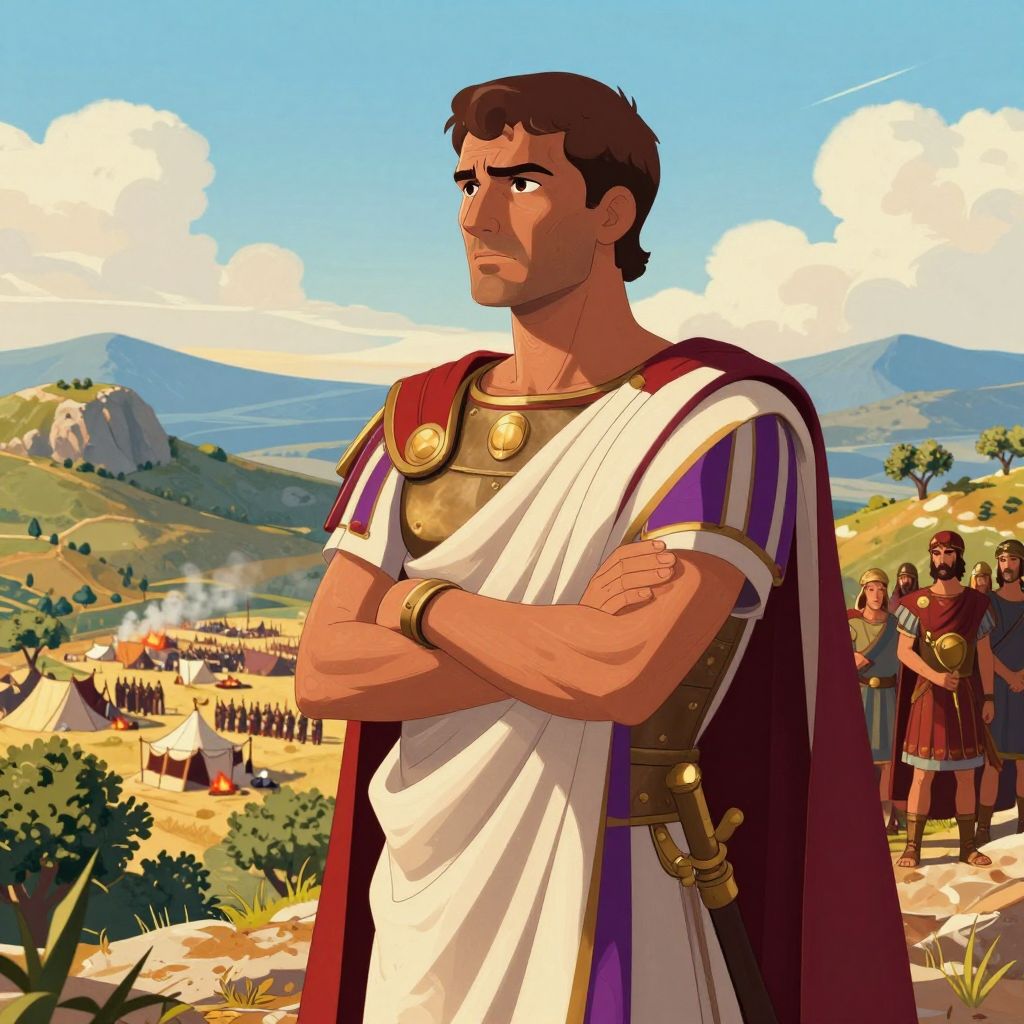
Brutus — the man Caesar loved like a son. Some whispered Caesar was Brutus's biological father. Caesar had had an affair with Brutus's mother decades ago. The timing was right.
Caesar had offered Brutus everything. A command in Gaul. Political advancement. Protection. Love.
Brutus had refused. He'd gone east to Pompey instead.
It wasn't about money or power. Brutus believed in the Republic. The constitution. The old ways. Everything Caesar was destroying by crossing the Rubicon.
So he chose. He chose the Republic over the man who'd raised him. He chose Pompey — who claimed to defend the constitution — over Caesar, who claimed only himself.
When Caesar heard that Brutus had sided with Pompey, his face changed. He'd lost men before. He'd lost friends. This was different.
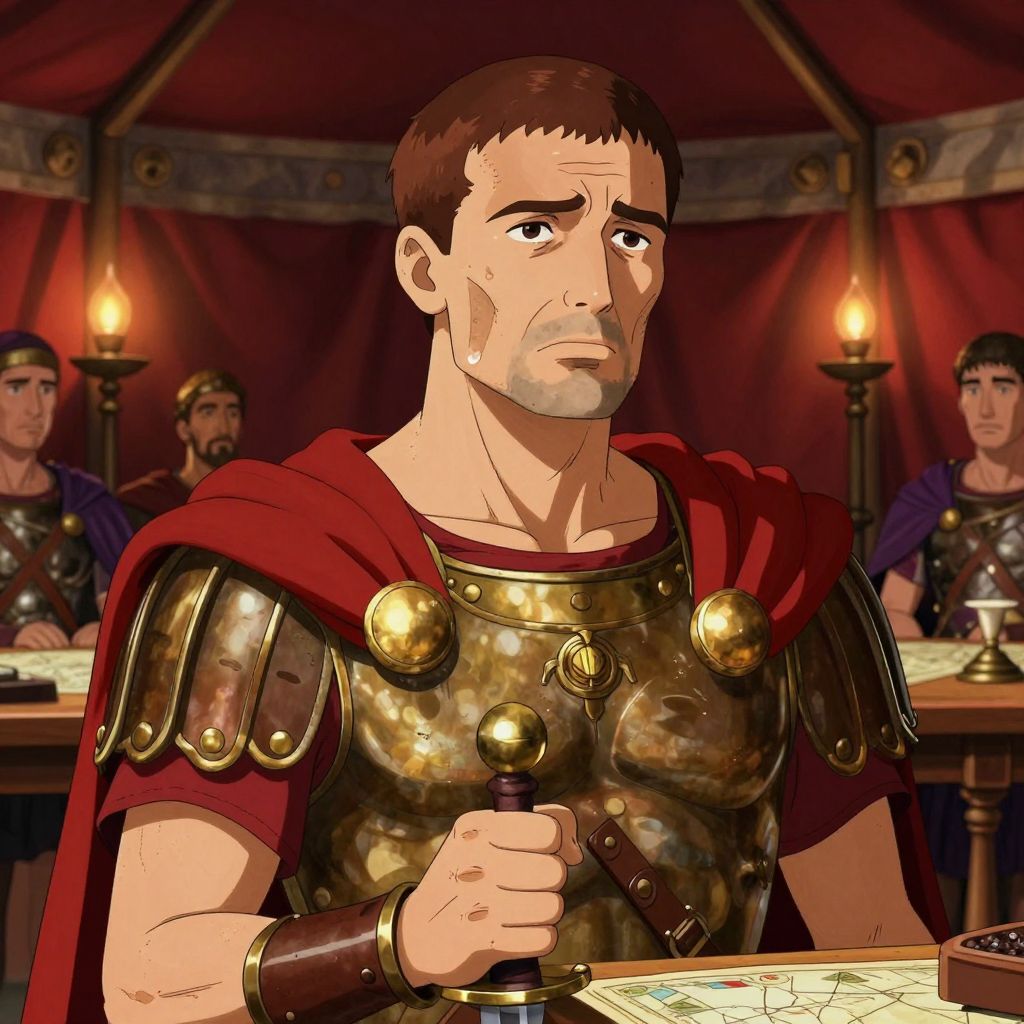
Caesar gave orders: bring Brutus back alive. Whatever happens to anyone else, spare Brutus.
Pharsalus
They met at Pharsalus, in central Greece. August, 48 BCE. Pompey had spent a year gathering forces. He had senators. He had Eastern allies. He had numbers.
Pompey commanded 45,000 infantry. Caesar had barely 22,000.
Pompey had 7,000 cavalry. Caesar had 1,000.
On paper, it wasn't even close. Pompey should have crushed him.
But Pompey had numbers. Caesar had the legions that conquered Gaul.
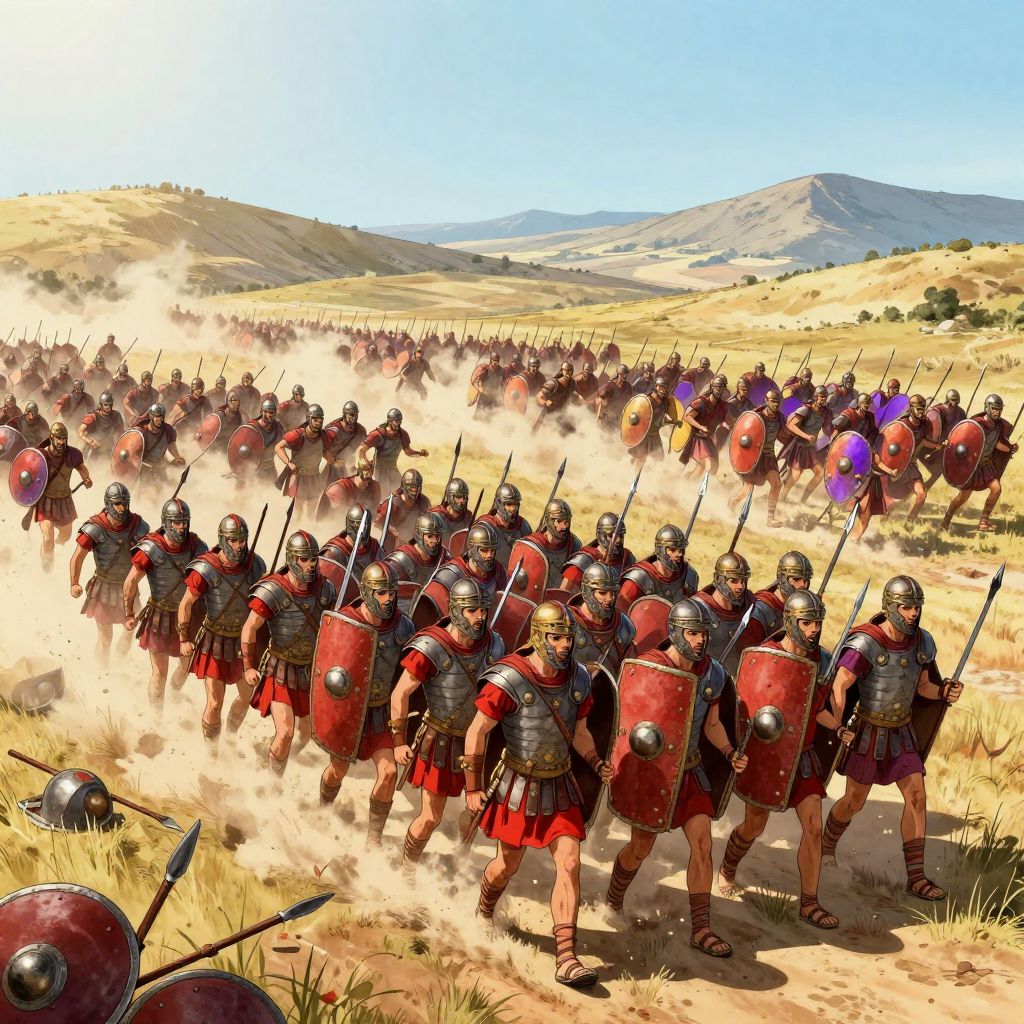
The battle lasted hours. But the outcome was never in doubt. Caesar's veterans tore through Pompey's forces like wolves through sheep. They'd done this before, in Gaul, against warriors who actually wanted to fight.
Pompey watched from the ridge as his army broke. Everything he'd built — three triumphs, conqueror of the East, the surname "Magnus" — crumbled in a single afternoon.
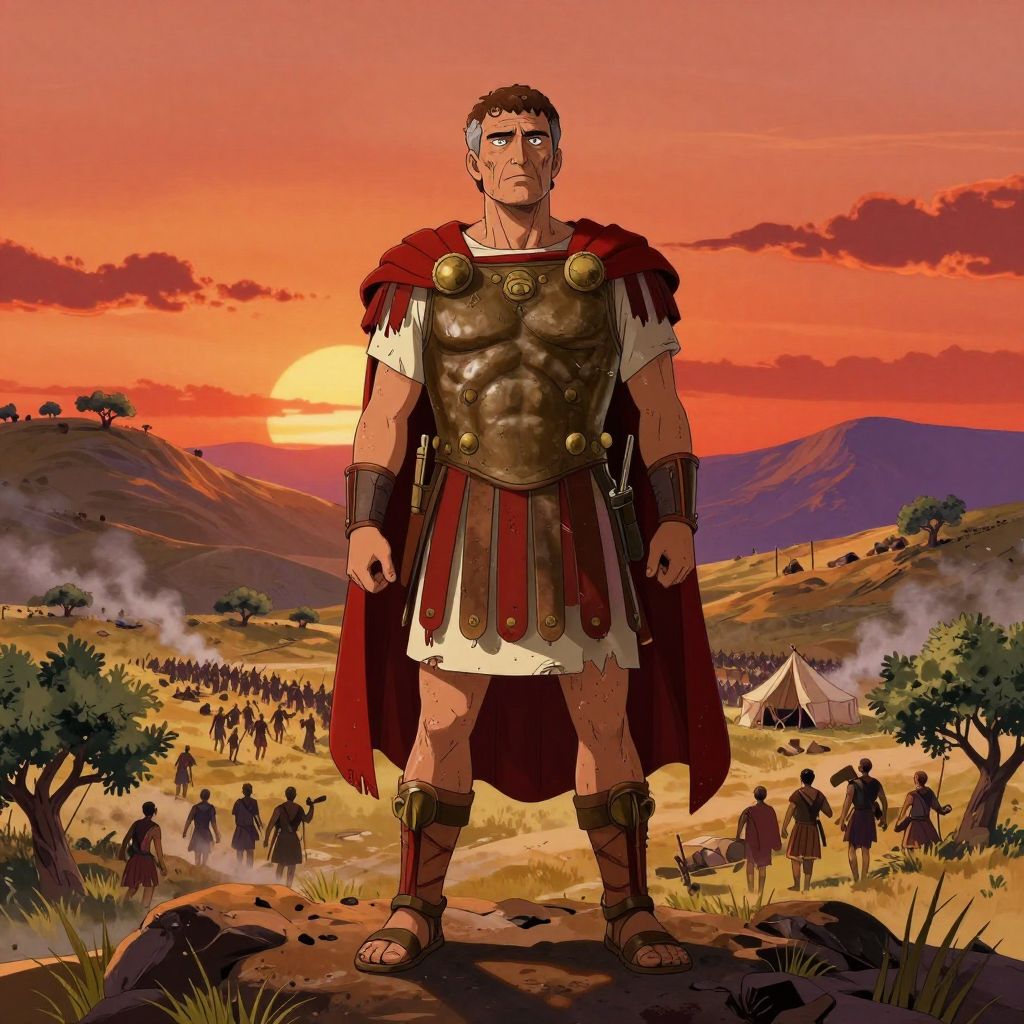
By evening, Pompey's army was destroyed. His allies were dead or captured. His credibility was shattered.
He fled to Egypt. He thought he'd find sanctuary there. He'd reorganized Egypt's government years ago. Surely they owed him.
The Gift
The Egyptians met his ship at the harbor. They knew Caesar was coming. They thought they knew what he wanted.
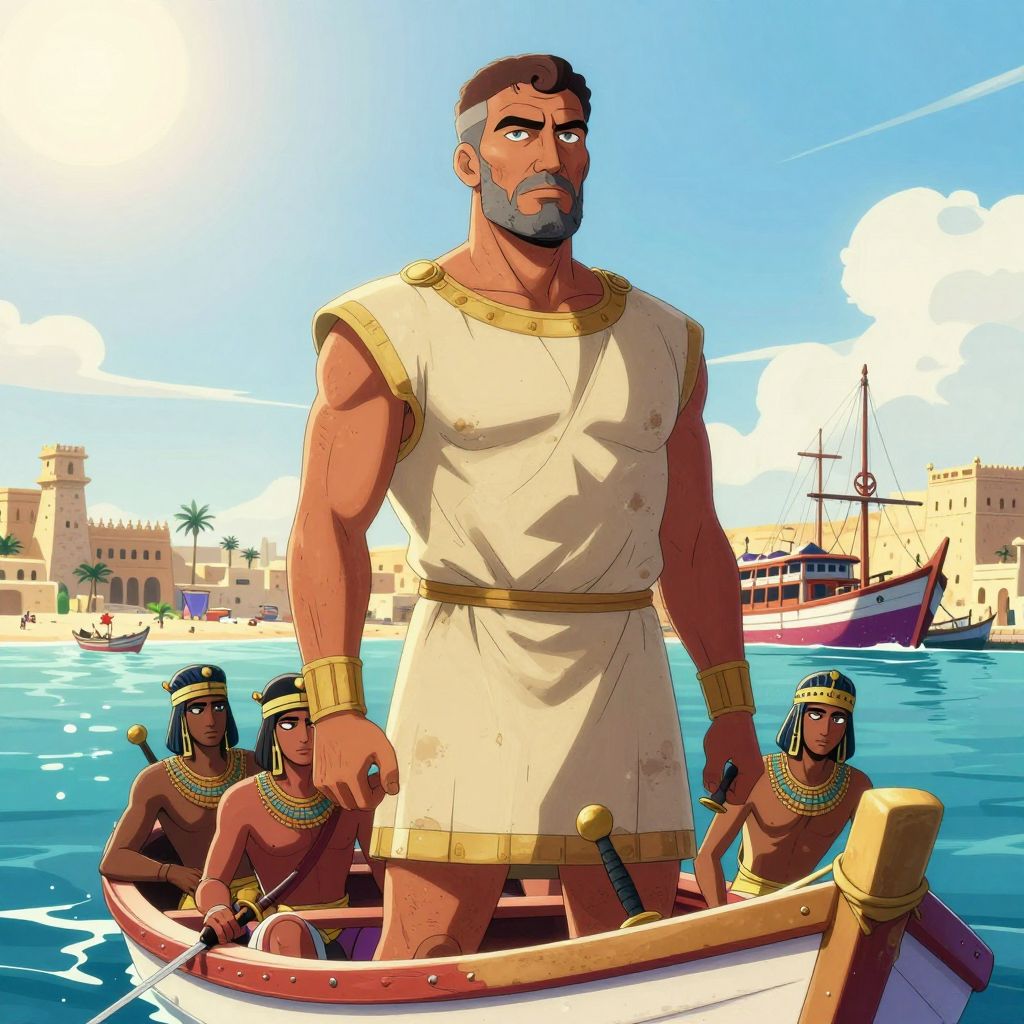
Pompey saw the swords. He knew what was coming. He stood upright anyway, refusing to cower.
They killed him in the shallows. Stabbed him as he stepped from the boat. Cut off his head. Wrapped it in a cloth.
When Caesar arrived days later, they presented the head like a gift. They thought they were doing him a favor — eliminating his enemy, proving their loyalty to the winner.
Caesar wept. Or pretended to weep. With Caesar, you could never tell.
They called Pompey "Magnus" — the Great. He'd crushed the pirates who'd terrorized the Mediterranean. He'd conquered the East. He'd brought more territory under Roman control than anyone since Alexander.
He died in Egyptian surf, murdered by men who thought they were being clever.
The Mercy That Would Kill Him
After Pharsalus, Brutus fled. He ran through marshland, hiding in reeds, avoiding Caesar's patrols. He made it to the Greek town of Larissa.

There, exhausted and ashamed, he wrote a letter to Caesar. Asking for mercy.
He'd fought against the man who'd loved him. He'd chosen Pompey and the Republic over Caesar. He'd bet on the wrong side.
Now Pompey was dead. The Republic was dying. And Brutus was writing to beg for his life.
Caesar's response arrived quickly. No trial. No humiliation. No punishment.
Caesar welcomed him. Pardoned him completely. Invited him to join the camp.
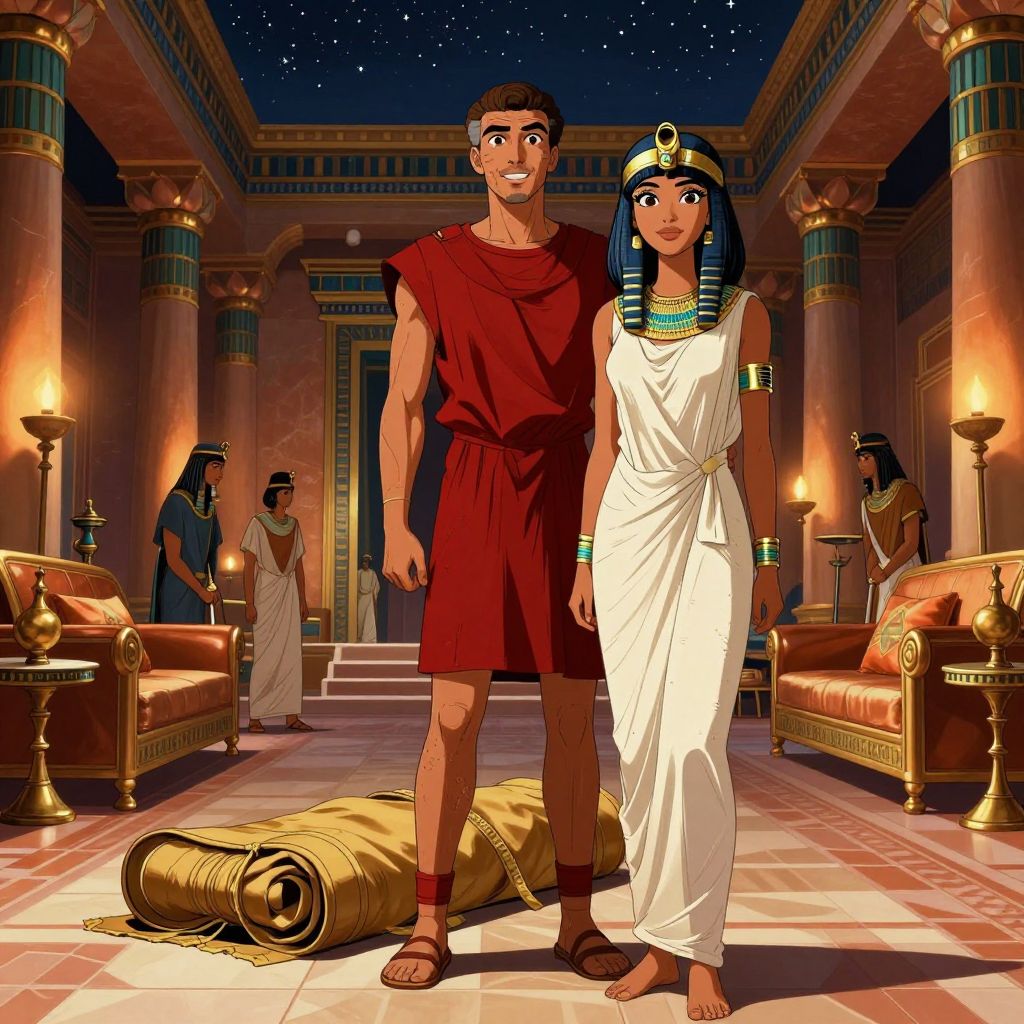
When Brutus arrived, Caesar embraced him. Put a hand on his shoulder. Looked him in the eye.
"I gave orders to spare you," Caesar said. "Not because you're my enemy. Because you're better than that."
Brutus was ashamed. Grateful. Confused.
He'd betrayed the man who loved him like a son. And that man had forgiven him without hesitation. No conditions. No resentment. Just mercy.
There's a cruelty in mercy like that. It creates a debt that can never be repaid. Chains you with gratitude when you want to be free.
Brutus would spend four years trapped between that gratitude and his principles. Between the man who'd saved his life and the Republic he still believed in.
The Aftermath
The civil war wasn't over. It dragged on for another three years. Pompey's sons kept fighting. His allies resisted.
But the Rubicon decided it. The moment Caesar stepped into that shallow river, the Republic was finished. Not dead yet, but dying.
Caesar returned to Rome the most powerful man in the world. No rivals left. No one to challenge him. Just senators who hated him and couldn't stop him.
He had four years. Four years to reform Rome, consolidate power, build the foundation of what would become the Empire.
And then, on the Ides of March, 44 BCE, those senators would stop him the only way they could.
Brutus would be there. Sixty conspirators. Twenty-three stab wounds.
The man Caesar had spared at Pharsalus would help murder him on the Senate floor.
Some debts are repaid in blood.
What It Meant
"Crossing the Rubicon" is still what we say when someone passes the point of no return. When they make a decision they can't take back. When they burn their bridges and commit completely.
Because Caesar couldn't uncross that river. Once he stepped into the water, he was committed. War or death. Victory or execution. No middle ground.
The phrase has outlived the river itself. Nobody's even sure where the ancient Rubicon actually was — the geography has changed, rivers have been diverted, and at least three different Italian streams claim the name. It doesn't matter. The moment matters more than the geography.
The Republic had been dying for decades. The Gracchi brothers had been murdered for trying to reform it. Marius and Sulla had already marched armies on Rome. The precedent existed. Caesar just finished what others had started.
Within a generation, his adopted son Augustus would end the charade. No more Republic. No more elections. Just Empire.
But it all started with a shallow river in northern Italy. With a general who gambled everything. Who knew he couldn't go back.
"Alea iacta est."
The die is cast.
And Rome would never be the same.
Frequently Asked Questions
1What does 'Alea iacta est' mean?
'Alea iacta est' is Latin for 'The die is cast' or 'The die has been thrown.' Caesar supposedly said it as he crossed the Rubicon, meaning he'd made an irreversible decision. Once you roll the dice, you can't take them back.
2Why was crossing the Rubicon illegal?
Roman law prohibited generals from bringing their armies into Italy proper. The Rubicon River marked the boundary between Cisalpine Gaul (where Caesar governed) and Italy. Crossing it with legions was an act of war against the Roman state itself.
3What happened to Pompey?
After losing at Pharsalus, Pompey fled to Egypt hoping to find allies. The Egyptians, wanting to curry favor with Caesar, murdered him when he arrived. They beheaded him and presented his head to Caesar, who reportedly wept (though whether from genuine grief or political theater is debated).
4Why did Caesar forgive Brutus?
Caesar genuinely cared for Brutus and may have believed he was Brutus's biological father (he'd had an affair with Brutus's mother). He forgave Brutus completely after Pharsalus, which created an emotional debt that may have made Brutus's later betrayal even more psychologically complex.
Experience Caesar's Gamble
From the crossing to the conspiracy, hear the fall of the Republic told by an ancient witness.


Listen to Related Stories
The Die Is Cast
4 minHe stepped into the water. And everything changed.

Key Figures
Listen to the Full Story
Experience history through immersive audio lessons narrated by Lumo, your immortal wolf guide.