The Day Rome Nearly Fell
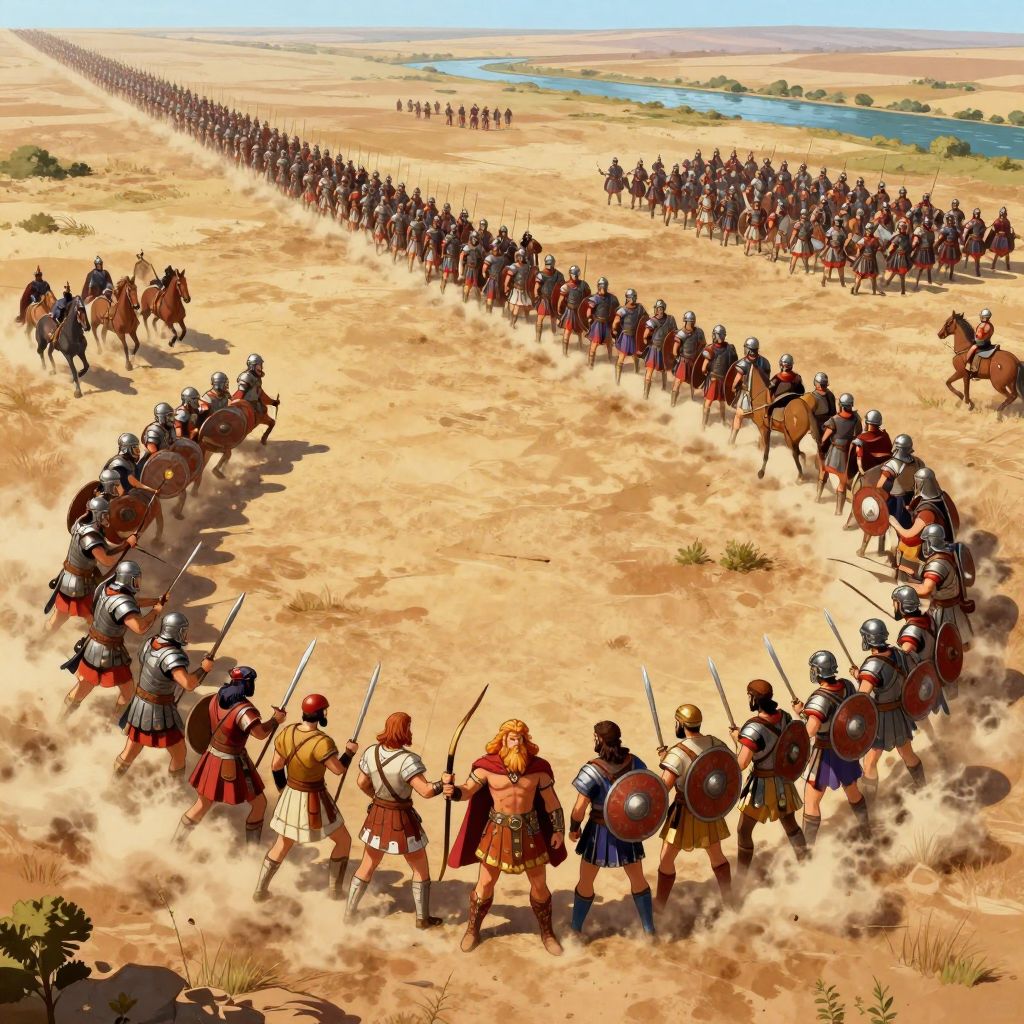
August 2nd, 216 BCE. Near the small town of Cannae in southeastern Italy, Rome assembled the largest army in its history — over 80,000 men — to finally crush Hannibal Barca and his Carthaginian forces.
By sunset, approximately 50,000 Romans lay dead. Some estimates place the toll as high as 70,000. In a single afternoon, Rome suffered the worst military disaster in its entire history.
Hannibal's Tactical Masterpiece
What made Cannae so devastating was how Hannibal achieved those numbers. His strategy has been studied by military commanders for over two thousand years.
Hannibal placed his weakest troops — Gallic and Spanish infantry — at the center of his line. When the Romans advanced, this center deliberately gave ground, bending backward like a bow. The Romans, sensing victory, pushed harder. They packed tighter together, driving deeper into what they thought was a collapsing enemy line.
It was a trap.
While the Romans focused on the retreating center, Hannibal's cavalry swept around both flanks. His elite African infantry pivoted inward from the sides. The circle closed.
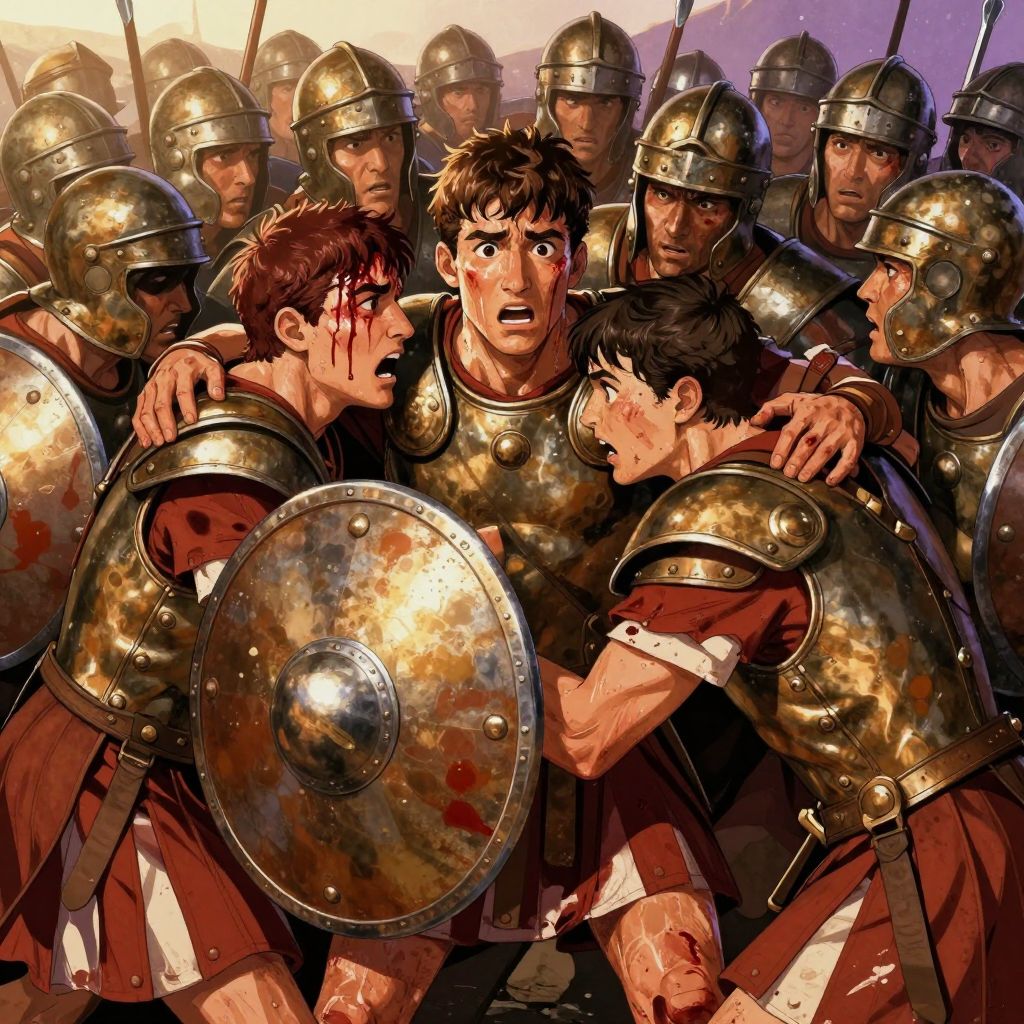
80,000 Roman soldiers found themselves surrounded, packed so tightly they couldn't swing their swords or raise their shields. For hours, the killing continued. Some men suffocated in the press of bodies before a blade ever touched them.
The Aftermath
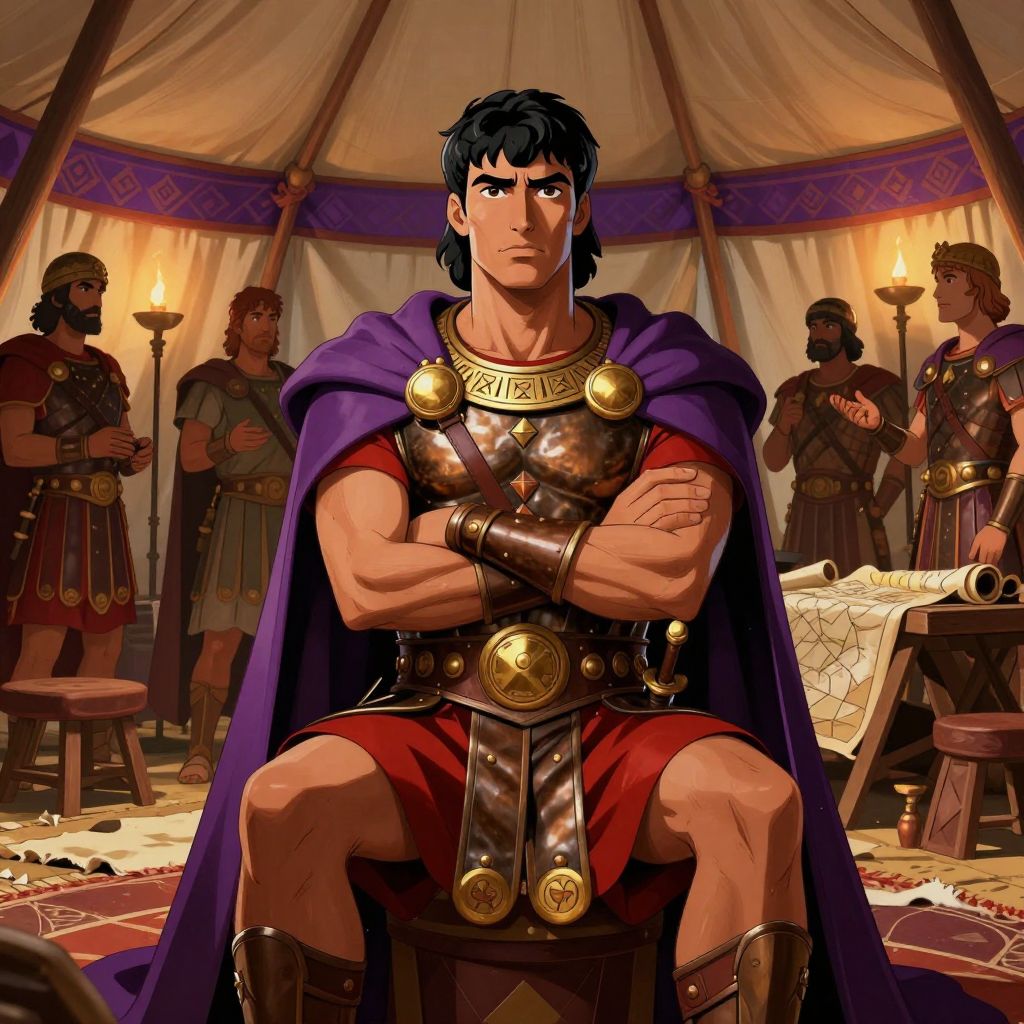
That night, Hannibal's generals urged him to march on Rome itself. One famously told him: "You know how to win a victory, Hannibal. You don't know how to use one."
Hannibal made camp instead.
Why didn't he march on Rome? Historians have debated this for centuries. Was he cautious? Tired? Did he lack siege equipment? Did he expect reinforcements from Carthage that never came?
Whatever his reasons, Rome survived. And in its darkest hour, the city showed the ruthlessness that would eventually build an empire.
Rome's Response
The survivors who fought their way out of Cannae faced an unexpected fate. Rome refused to pay ransom for the nearly 20,000 soldiers captured by Hannibal. Those who escaped? The Senate exiled them to Sicily in disgrace — forbidden from returning home until the war was won.
Their crime? Surviving when 50,000 others died.
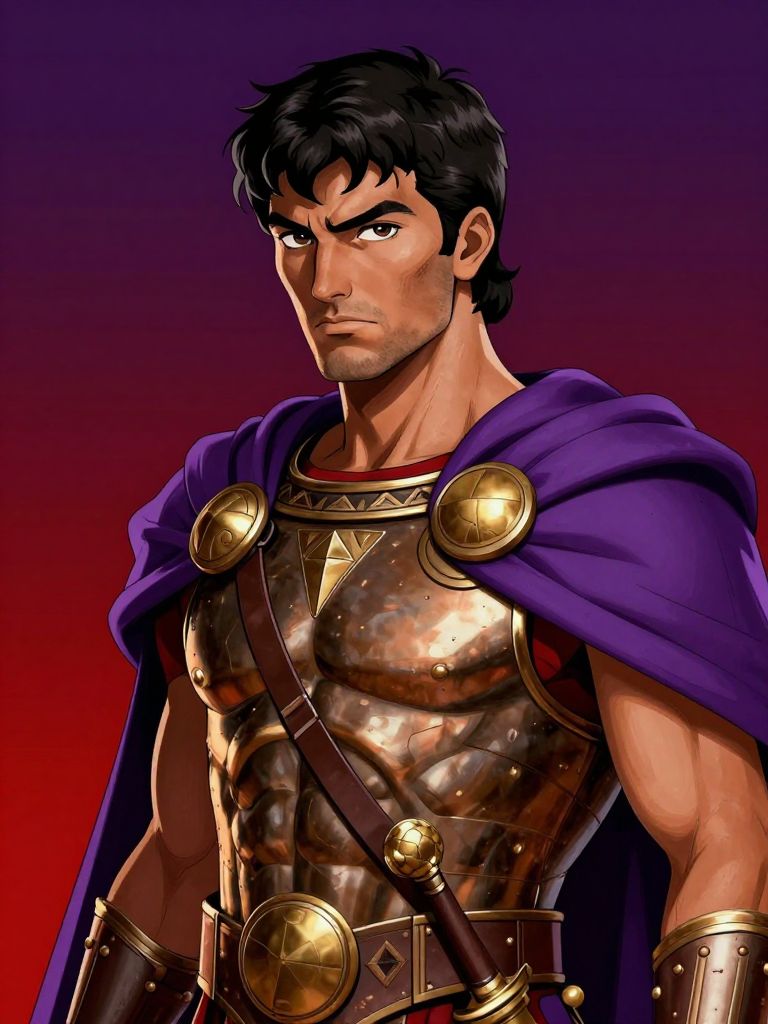
Among those survivors was a young officer, barely twenty years old. While others wept or raged, this one did something different. He studied. He spent the next decade learning everything about Hannibal — every battle, every tactic, every mistake.
His name was Scipio. And he would eventually become the only man to defeat Hannibal in battle.
Frequently Asked Questions
1How many Romans died at the Battle of Cannae?
Between 50,000 and 70,000 Roman soldiers died at Cannae in a single day, making it one of the deadliest battles in ancient history. This was the worst military disaster Rome ever suffered.
2What tactic did Hannibal use at Cannae?
Hannibal used a double envelopment tactic. He let his center retreat to draw the Romans in, then his cavalry and elite infantry surrounded them completely. This tactic is still studied in military academies today.
3Why didn't Hannibal march on Rome after Cannae?
This remains one of history's great mysteries. Possible explanations include lack of siege equipment, war-weary troops, waiting for reinforcements that never came from Carthage, or strategic caution about attacking Rome's formidable walls.
4What happened to the Roman survivors of Cannae?
Rome exiled the survivors to Sicily in disgrace. They were forbidden from returning home for 13 years, until Scipio recruited them for his invasion of Africa. Rome's harsh treatment was meant to ensure soldiers would rather die than flee.
Experience the Full Story
Hear the Battle of Cannae told by Lumo, an immortal wolf who witnessed Rome's darkest day firsthand.


Listen to Related Stories
Fifty Thousand
4 minThe largest army Rome had ever assembled — more than eighty thousand men — against Hannibal's fifty thousand. By sunset, fifty thousand Romans would be dead.

Key Figures
Listen to the Full Story
Experience history through immersive audio lessons narrated by Lumo, your immortal wolf guide.