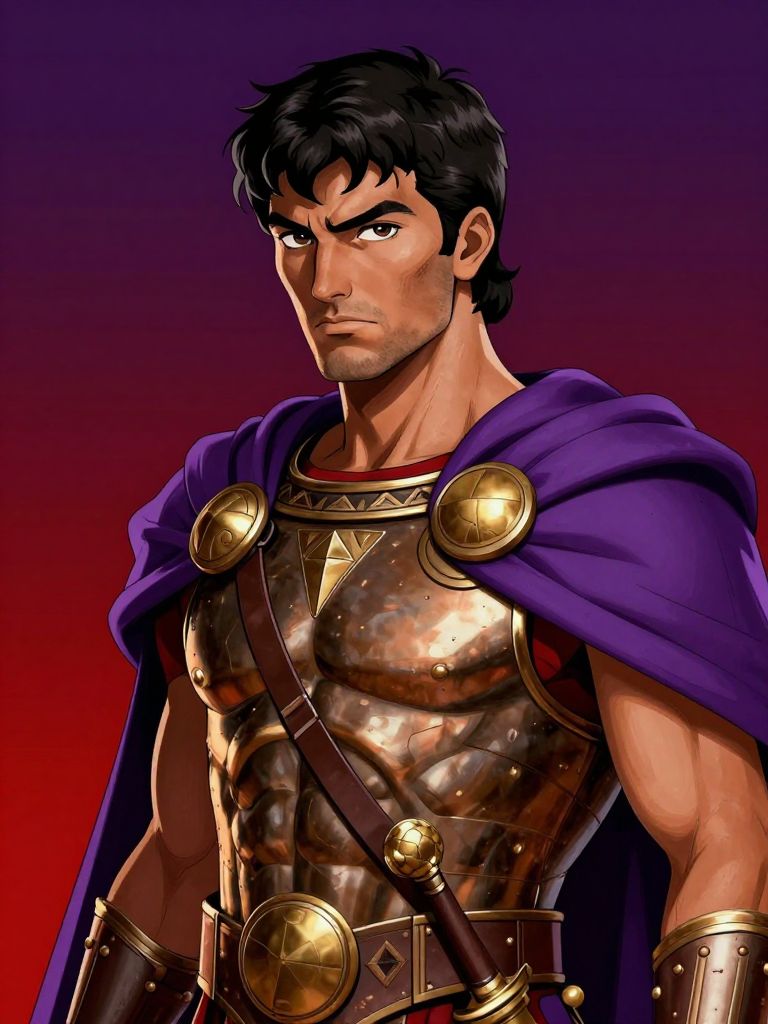
The Boy Who Swore Revenge
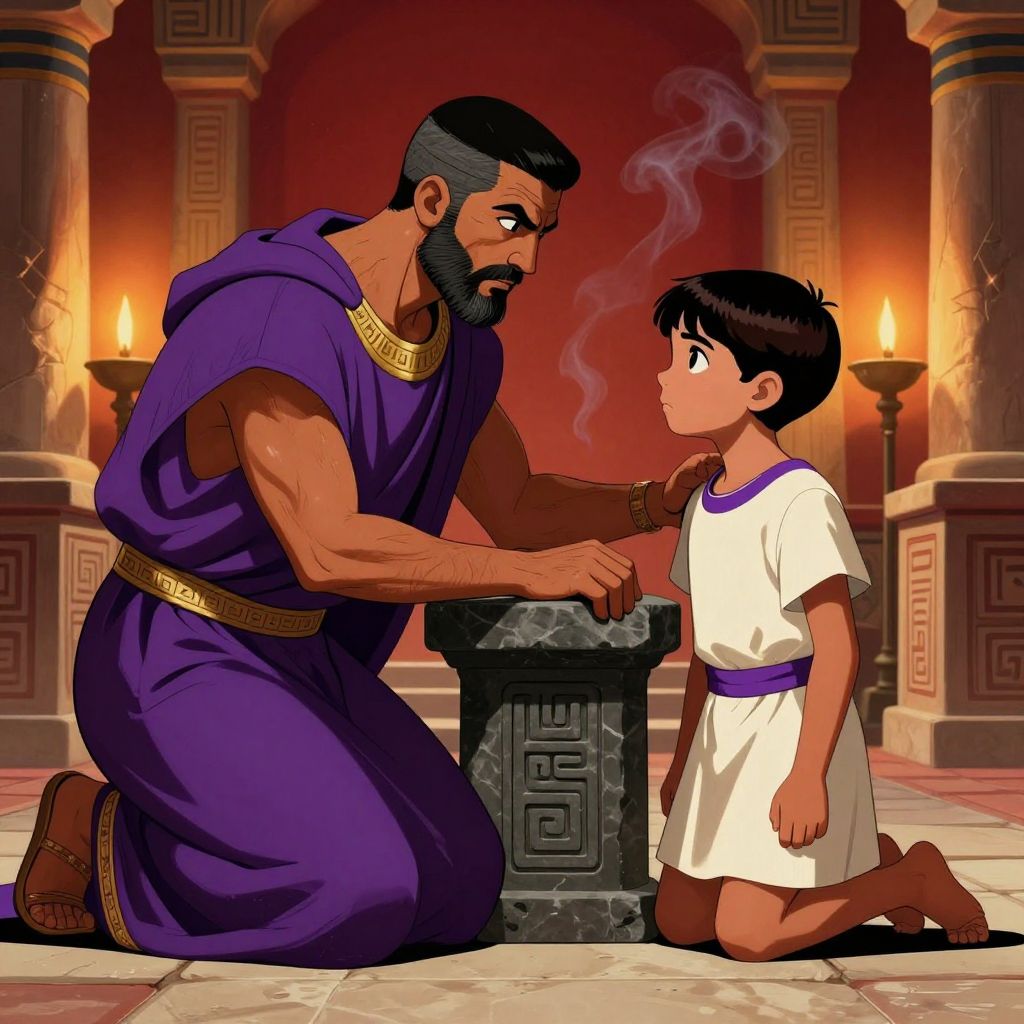
In 237 BCE, a nine-year-old boy knelt before an altar in Carthage. His father, the general Hamilcar Barca, made him swear an oath: "I will never be a friend to Rome."
Hannibal Barca kept that oath for the rest of his life.
That oath changed him. From that moment, everything Hannibal did was in service of one goal: the destruction of Rome. He would become the greatest enemy the Roman Republic ever faced, and for sixteen years, he made Rome tremble.
The Impossible March
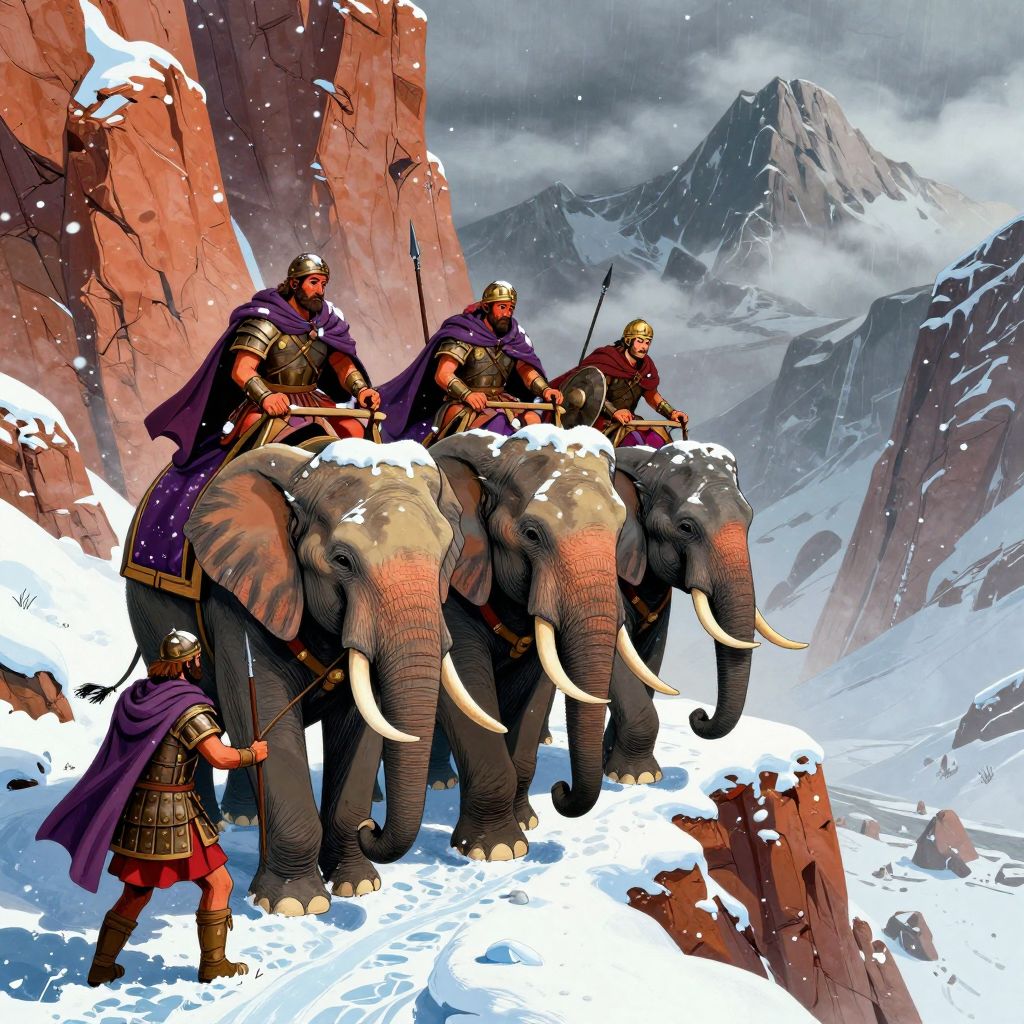
In 218 BCE, Hannibal did what Rome thought was impossible. He led an army of 50,000 soldiers, 9,000 cavalry, and 37 war elephants across the Alps — through territory so hostile that many of his men didn't survive the journey.
Rome expected an attack by sea. They expected a siege. They never expected Hannibal to simply appear on the Italian peninsula with an army intact. The shock alone was worth half a victory.
The Victories
What followed was a decade of slaughter:
The Trebia (218 BCE): Hannibal lured a Roman army across a freezing river at dawn, then ambushed them with hidden cavalry. Only 10,000 Romans out of 40,000 escaped.
Lake Trasimene (217 BCE): In the largest ambush in military history, Hannibal trapped an entire Roman army between a lake and the hills. 15,000 Romans died in three hours.
Cannae (216 BCE): His masterpiece. Facing a Roman army of 86,000, Hannibal surrounded and destroyed them in a single day, killing perhaps 50,000-70,000. It remains one of the most studied battles in military history.
For sixteen years, Hannibal roamed Italy undefeated. He burned, raided, and destroyed. He turned Rome's allies against them. He made the Senate afraid to leave the city walls.
The Tragic Flaw
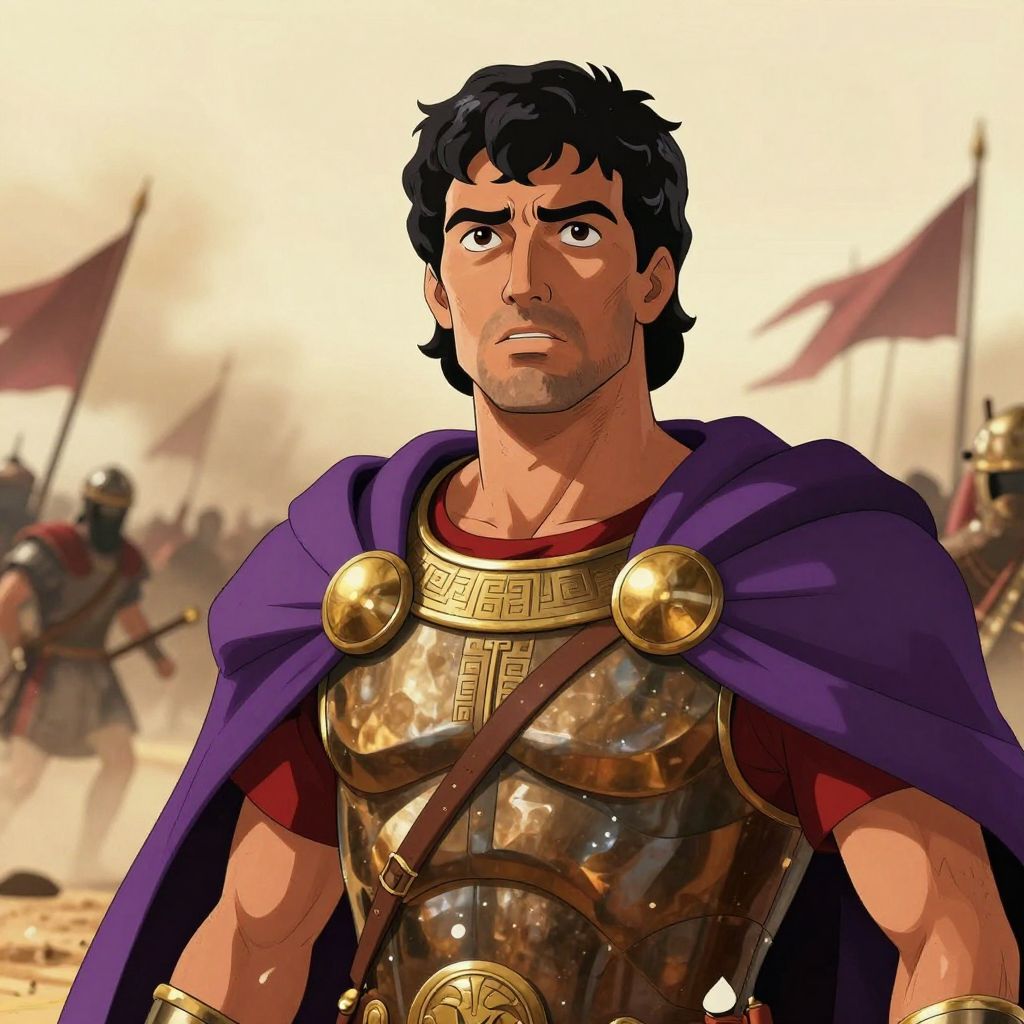
But Hannibal's greatest strength was also his weakness. The childhood oath that drove him also trapped him. He could never make peace. Never negotiate. Never stop.
Without proper siege equipment, he couldn't take Rome's walls. Without reinforcements from Carthage (which never came in sufficient numbers), he couldn't end the war. And every year, Rome grew stronger while Hannibal's army slowly withered.
In 202 BCE, a young Roman general named Scipio — who had studied every one of Hannibal's tactics — finally defeated him at the Battle of Zama. The war was over. Carthage surrendered.
The End
Hannibal lived nearly twenty more years, fleeing from kingdom to kingdom, always one step ahead of Roman assassins. In 183 BCE, surrounded at last with no escape, he took poison rather than be captured.
His last words, according to legend: "Let us now put an end to the great anxiety of the Romans, who have thought it too tedious to wait for the death of an old man."
Even in death, he refused to give Rome satisfaction.
Frequently Asked Questions
1How did Hannibal cross the Alps with elephants?
Hannibal's crossing took about 15 days and cost him roughly half his army and most of his elephants to cold, rockfalls, and hostile tribes. He chose this impossible route precisely because Rome never expected it, achieving complete strategic surprise.
2Why didn't Hannibal attack Rome directly?
Hannibal lacked proper siege equipment and reinforcements to take Rome's formidable walls. His strategy relied on defeating Roman armies in the field and convincing Rome's allies to defect — which worked for years but ultimately failed to force Rome's surrender.
3Who finally defeated Hannibal?
Scipio Africanus defeated Hannibal at the Battle of Zama in 202 BCE. Scipio had studied Hannibal's tactics for years and turned them against him, using similar cavalry encirclement maneuvers to win the decisive battle of the Second Punic War.
4What was Hannibal's famous oath?
At age nine, Hannibal's father Hamilcar made him swear before the gods: 'I will never be a friend to Rome.' This oath, born from Carthage's humiliation in the First Punic War, drove Hannibal's entire military career.
Experience Hannibal's Story
Follow Hannibal from the childhood oath that shaped him to the battles that terrified Rome, narrated by Lumo.


Hear Their Story
The Oath
4 minAt age nine, Hannibal's father made him swear an oath to never be a friend to Rome. He kept that oath his entire life.

Fifty Thousand
4 minThe largest army Rome had ever assembled — against Hannibal's fifty thousand. By sunset, fifty thousand Romans would be dead.
Related Articles
Battle of Cannae: Rome's Worst Defeat
Learn how Hannibal Barca destroyed the largest Roman army ever assembled in a single day. The Battle of Cannae (216 BCE) remains one of history's most studied military disasters.
The Battle of Lake Trasimene: The Largest Ambush in Military History
On June 21st, 217 BCE, Hannibal Barca lured an entire Roman army into a fog-shrouded deathtrap. 15,000 Romans died in three hours. The consul never saw the attack coming.
Battle of Trebia: Hannibal's First Victory in Italy
In December 218 BCE, Hannibal Barca destroyed a Roman army of 40,000 men at the Trebia River. Cold, hunger, and tactical genius combined to deliver Rome's first major defeat in the Second Punic War.
The Battle of Zama: How Rome Finally Defeated Hannibal
In October 202 BCE, Scipio Africanus used Hannibal's own tactics against him at the Battle of Zama, ending the seventeen-year Second Punic War and establishing Roman dominance over the Mediterranean.
Hannibal Crossing the Alps: The March That Changed History
In 218 BCE, Hannibal Barca led 50,000 soldiers and 37 elephants across the Alps into Italy. He lost half his army to the mountains. Then he started winning.
The Death of Hannibal Barca: Rome's Longest Hunt Ends
In 183 BCE, after 12 years of exile and running from Roman agents, Hannibal Barca took poison rather than be captured. He was 64 years old. Rome's nightmare ended by his own hand.
Destruction of Carthage: The End of Rome's Greatest Enemy
In 146 BCE, Rome erased Carthage from existence. After a brutal three-year siege, Scipio Aemilianus burned the city and sold its survivors into slavery. The Third Punic War ended not with surrender, but with annihilation.
The Fabian Strategy: How Doing Nothing Saved Rome
After Hannibal slaughtered 70,000 Romans at Cannae, one old man's 'cowardly' strategy of refusing to fight became Rome's only hope. Quintus Fabius Maximus was called a disgrace. History proved him right.
Experience Hannibal Barca's Story
Go beyond the biography. Hear Hannibal Barca's story told by Lumo, your immortal wolf guide who witnessed these events firsthand.