The Insane Plan
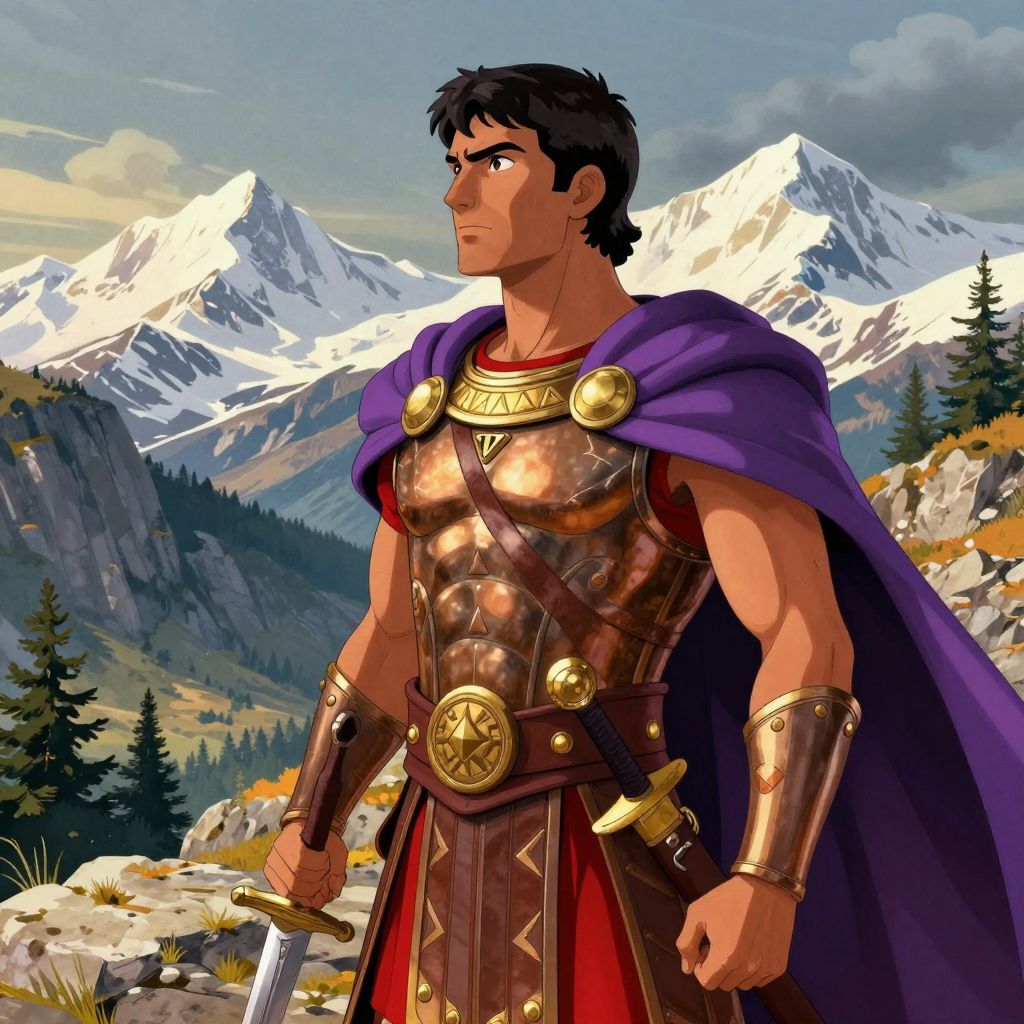
In 218 BCE, Hannibal Barca was twenty-nine years old. He had 50,000 soldiers, 9,000 cavalry, and 37 war elephants. He also had a plan so reckless that his own generals thought he'd lost his mind.
Rome expected him to attack by sea. They had spies along the coast, allies in the ports, legions ready to meet him wherever he landed. The obvious routes were covered.
Hannibal looked north. Toward the Alps.
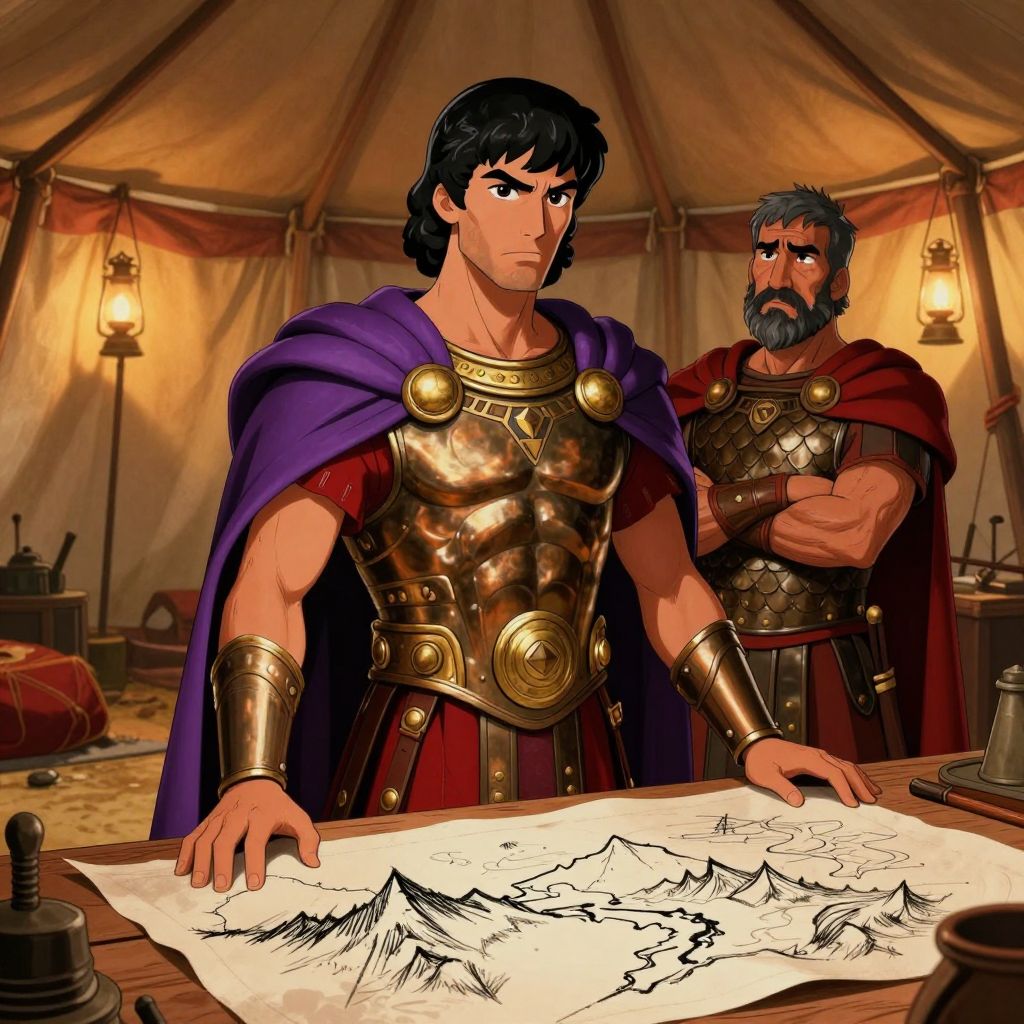
One of his generals pulled him aside before the march began. The mountains? Gallic tribes had crossed the Alps before, but no Mediterranean army had ever attempted it with a full fighting force. The passes were death traps — glaciers, rockslides, hostile tribes who knew every ledge and used it to roll boulders onto anyone who tried.
"Rome thinks we can't," Hannibal said. "That's why we will."
He wasn't being reckless. He was being ruthless. The sea route meant Roman spies would track him from port to port. Roman allies would slow him down. By the time he landed, every legion in Italy would be waiting. The coastal roads? Same problem. Rome controlled the Mediterranean. They had the home field advantage.
But the Alps? Rome wouldn't believe it until he was already through. The whole plan depended on surprise.
The March Begins
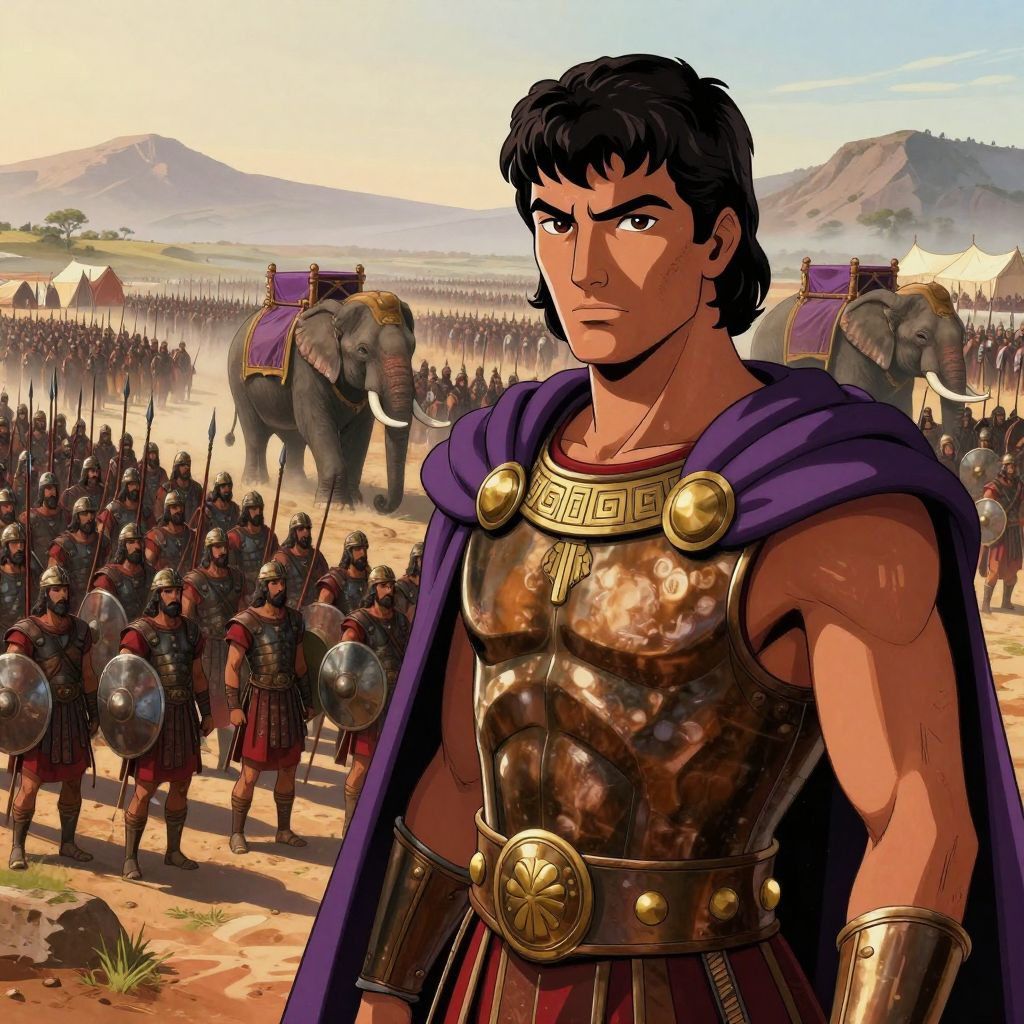
Hannibal moved fast through Gaul, keeping his army's destination secret as long as possible. But there was nowhere to hide from what came next.
The climb started in late autumn. Snow came early that year. The first day felt manageable — just a hard uphill march. The second day, soldiers started slipping on patches of ice. The third day, the first man fell off a narrow ledge. By the fourth day, they knew this was going to be worse than anyone had imagined.
The elephants were the first to show real distress. These were forest animals from the Atlas Mountains of North Africa — thick-skinned beasts bred for warm climates and intimidation on the battlefield. They'd never seen cold like this.
When the Cold Hit
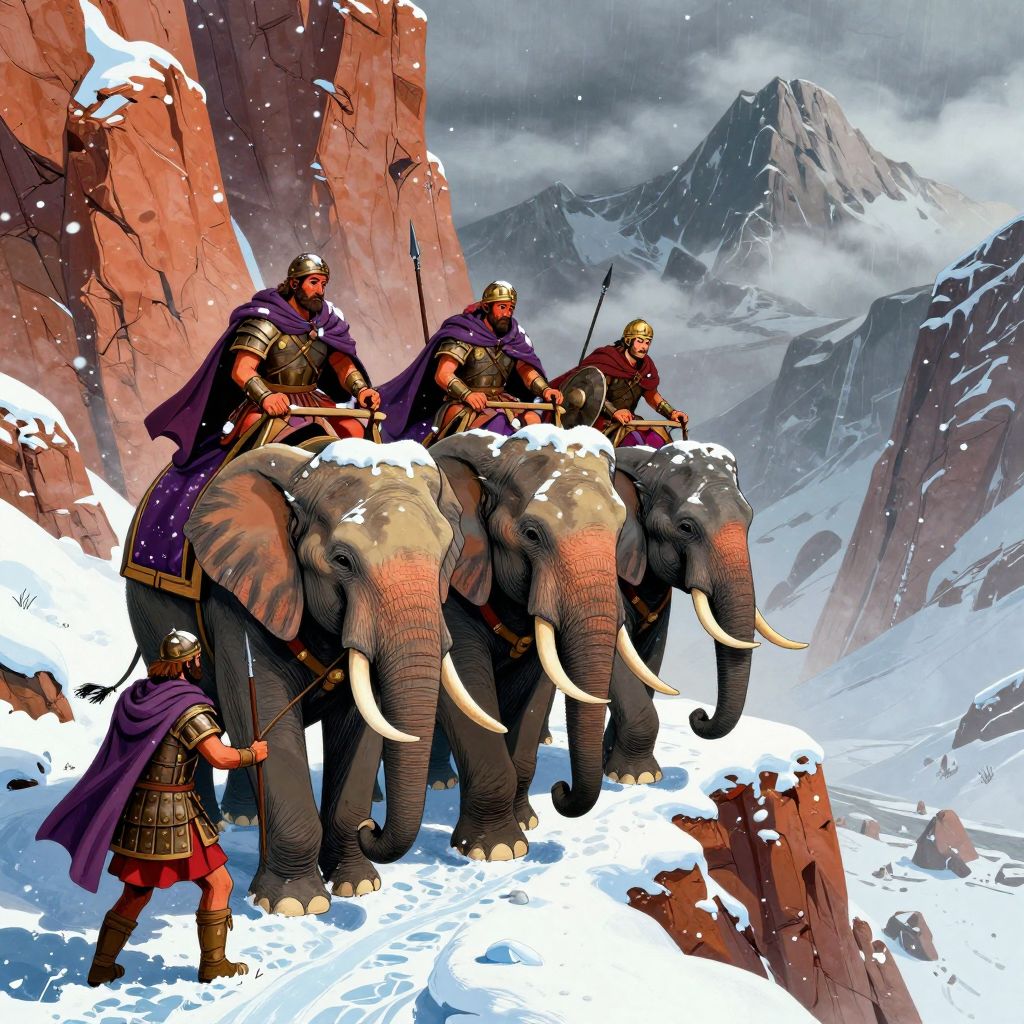
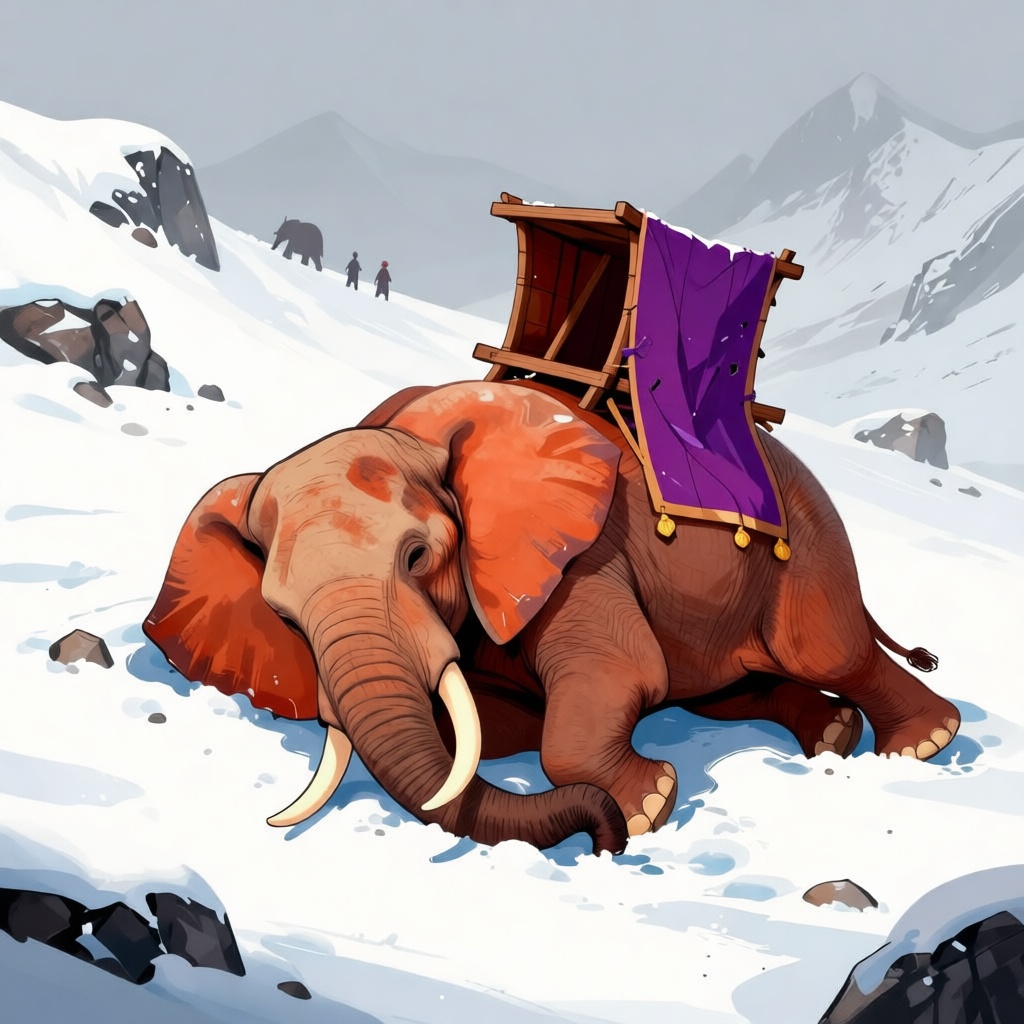
The elephants stumbled on ice and trumpeted in confusion. Their handlers tried everything — spreading sand, cloth, anything to give the beasts traction. Some elephants refused to move. They'd plant their massive feet and simply stop, blocking the entire column behind them. Others panicked when they felt the ground shift beneath them, thrashing and threatening to crush the men nearby.
The mahouts who'd trained these animals from birth watched their charges suffer. One elephant, terrified by a rockslide, backed up and fell. The scream it made as it tumbled down the mountainside echoed through the passes. The soldiers who heard it never forgot.
The Enemy in the Mountains
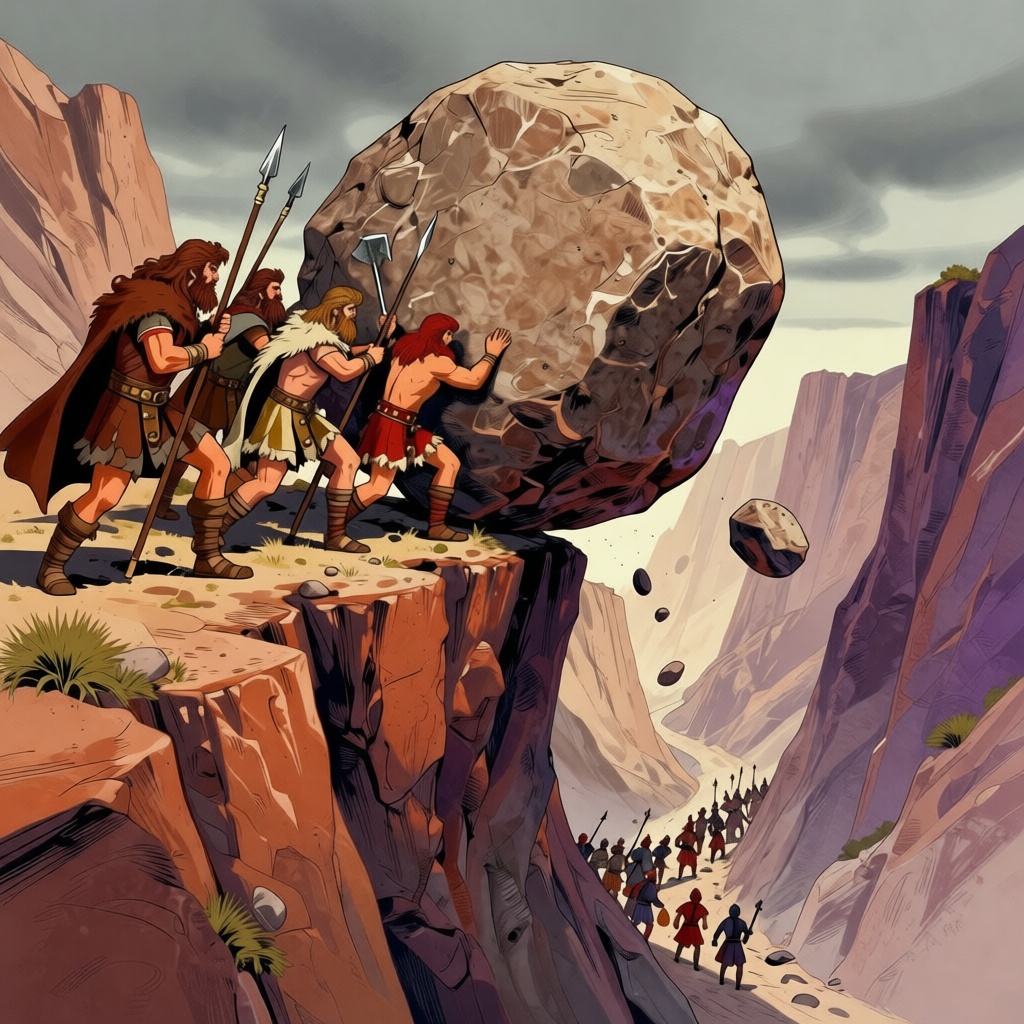
The Carthaginians weren't alone in the passes. Hostile Gaulish tribes lived in these mountains. They knew the terrain the way sailors know the sea — every ledge, every choke point, every place where gravity could do the killing for them.
Boulders came down without warning. A soldier would be walking next to his horse, talking to his friend, and then he wasn't. Just gone. The sound of falling rocks became the worst sound in the world — the clatter that meant someone behind you was about to die.
The column would freeze when it happened. Men would stare at the empty space where their comrade had been seconds before. Hannibal would ride up, furious and terrified, and order them forward.
He couldn't let them stop. Stopping meant thinking. Thinking meant mutiny. The only way through was forward, one foot in front of the other, ignoring the growing trail of dead behind them.
The Descent
If the climb was brutal, the descent was a prolonged nightmare. The path zigzagged down a near-vertical mountain face. In places it was so narrow that soldiers had to turn sideways to squeeze through. One loose rock, one moment of lost balance, and you were falling into darkness. No one heard you land.
One soldier's stumble could drag down the man behind him. The Carthaginians started tying themselves together with rope — a safety measure that sometimes saved lives and sometimes just meant dying in groups instead of alone.
The nights were when the real dying happened. The temperature dropped below freezing. Men huddled together for warmth, burning whatever they could find. Some fell asleep and didn't wake up. Others woke with fingers that had turned black overnight — frostbite setting in so fast they didn't feel it until it was too late.
Fifteen days of this. Fifteen days of choosing between moving forward and dying where they stood.
Leadership in Hell
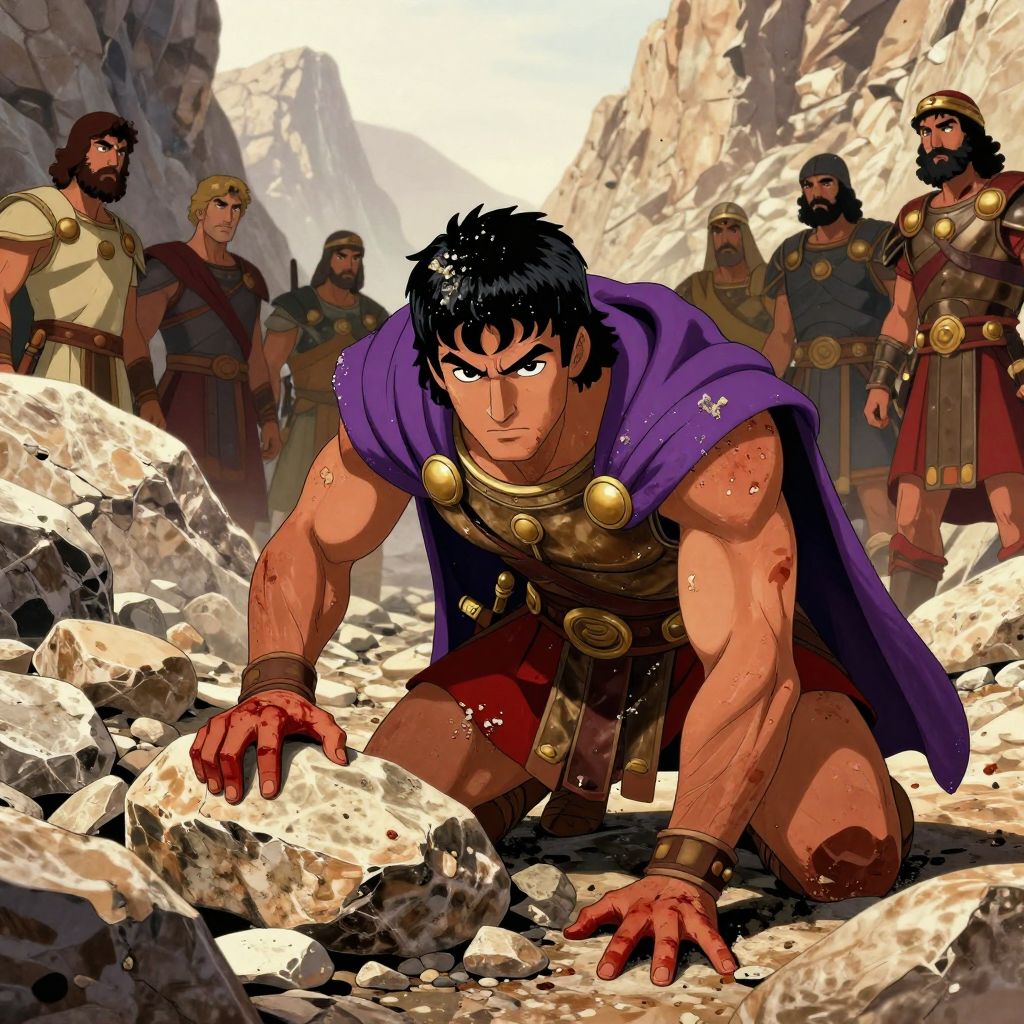
When a rockslide blocked the path — and they did, constantly — Hannibal didn't send soldiers to clear it. He didn't stand back and direct. He got down on his hands and knees in the ice and blood and moved rocks himself.
His hands became cut and raw. His expensive purple cloak was shredded. The gold torque he wore as a mark of command got crusted with dirt and ice. His generals watched. His soldiers watched.
That's why they followed him. That's why, even when men were dying every day, even when the situation seemed hopeless, there was no mutiny. The man giving the orders was suffering as much as anyone. More, because he carried the weight of every decision that led them here.
At the summit, when they finally caught their first glimpse of Italy spread out below them, Hannibal gathered his remaining officers. He pointed down toward the green plains of the Po Valley — a shock of color after weeks of white and gray.
"You see that?" he said. "That's Rome. Everything they have. Their farms, their cities, their legions. It's right there. We didn't come this far to turn back."
They didn't turn back.
The Butcher's Bill
When Hannibal's army finally staggered out of the mountains into the Po Valley of northern Italy, he counted his survivors.
Twenty thousand infantry. Down from fifty thousand.
Maybe six thousand cavalry. Down from nine thousand.
The elephants were the worst to count. Thirty-seven war elephants had entered the Alps. Most survived the crossing itself, but the brutal Italian winter that followed killed nearly all of them. After the Battle of the Trebia in December, a severe ice storm swept northern Italy and all but one elephant perished — a beast named Surus, who carried Hannibal himself through the marshes of Etruria. Beasts who'd been bred for war, trained from birth, transported across the Mediterranean — dead in a foreign winter, thousands of miles from home, for a conflict that had nothing to do with them.
By the time Hannibal fought the Battle of Cannae — his masterpiece of military strategy — the elephants played no role in his tactics. They were gone.
He'd lost more than half his army. Not to Rome. To the mountains.
Any other general might have broken. Might have counted his losses, looked at his decimated force, and sailed home claiming he'd done his best. The Alps were impossible. Everyone knew that now. No one could blame him for trying and failing.
But Hannibal wasn't any other general.
The Most Dangerous Army in the World
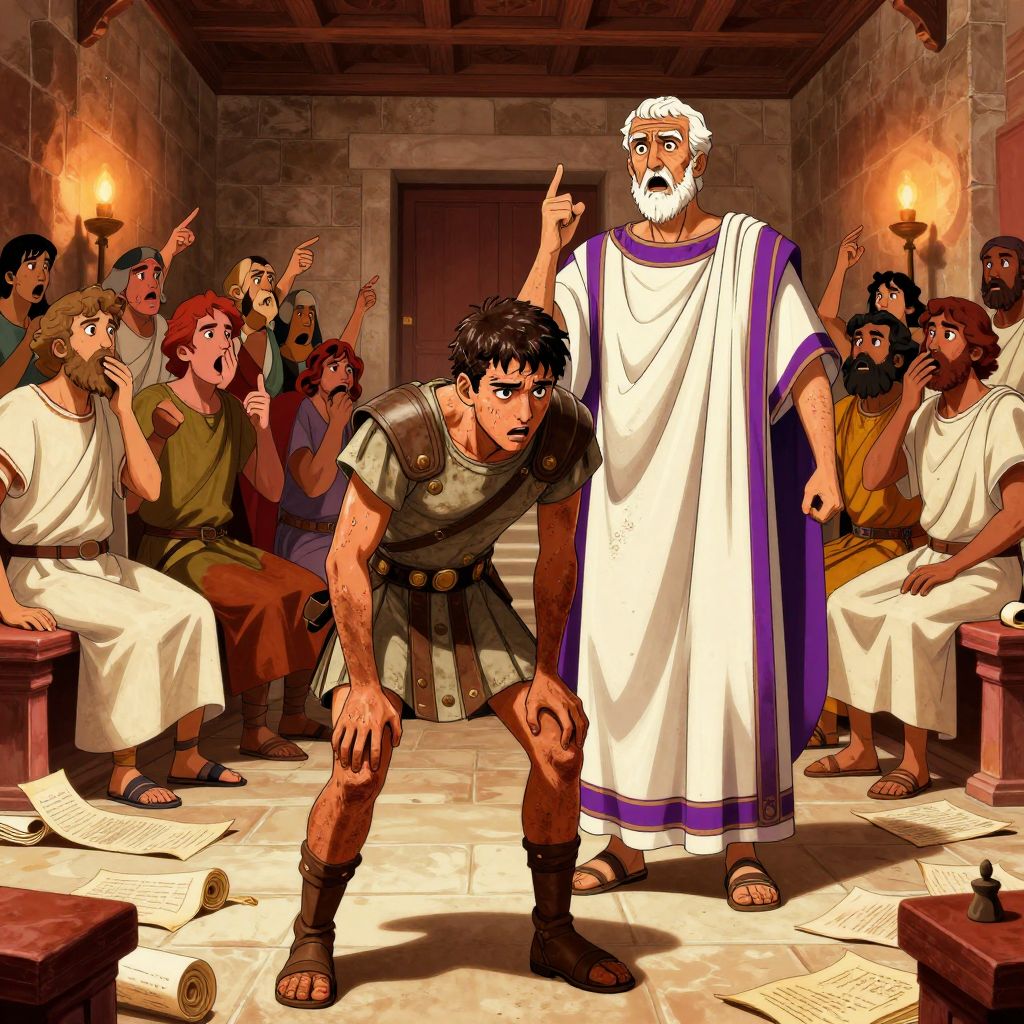
His men had just done the impossible. They were half-starved, half-frozen, and absolutely unbreakable. They'd watched their friends die. They'd lost toes to frostbite and sleep to nightmares. They'd buried comrades in ice and kept walking because stopping meant joining them.
These weren't the same soldiers who'd left Spain. The Alps had killed the weak, the unlucky, and the merely competent. What remained was something Rome had never faced before: an army that had already survived its worst nightmare.
Hannibal made camp at the edge of the Italian plains. He gave his men time to rest, to heal, to remember they were still alive. And then he started planning.
He had a third of his original force. Rome had legions. He was in enemy territory with no supply lines and no reinforcements. Every strategic advantage belonged to his enemy.
But he had one thing Rome didn't: an army that had already looked death in the face and kept walking.
When Rome Heard the News
Rome had been tracking Hannibal since he left Spain. Their spies reported he'd crossed into Gaul. Fine. That was expected. He was taking the long way around, through hostile territory. It would cost him men and time. When he finally arrived — if he arrived — the legions would be ready.
Then the reports stopped making sense.
A Carthaginian army had appeared in northern Italy. Not landed. Not marched down the coast. Appeared. In the Po Valley. With elephants.
The Senate didn't believe it at first. The messenger must have been confused. Maybe it was a different army. Maybe Hannibal had sent a detachment by ship and this was misdirection. The Alps were impassable. Every general knew it. Every geographer agreed. No Mediterranean army could cross those mountains, especially not with elephants.
Everyone knew that. Everyone except Hannibal.
When confirmation arrived — sightings from multiple sources, descriptions matching Carthaginian equipment, reports of African war elephants in the Italian countryside — the Senate erupted into chaos. They'd been outmaneuvered before the war even started. Their entire defensive strategy had assumed Hannibal would come by sea or by the coastal roads. They had legions positioned for those scenarios.
No one had stationed legions in the north to watch for an army that couldn't possibly exist.
Rome's Response
The Senate scrambled to respond. They dispatched Consul Tiberius Sempronius Longus north with an army to meet Hannibal at a river called the Trebia. Fresh legions against an exhausted, depleted Carthaginian force. The math seemed simple. Rome had him outnumbered. This would be over quickly.
It wasn't.
Hannibal baited the Romans into attacking across a freezing river in December. Roman soldiers waded through chest-deep icy water, then had to fight on the far bank, cold and exhausted, against an army that knew exactly where they'd emerge. The Carthaginians slaughtered them.
That was just the first battle.
What followed was a decade of Roman disasters. Lake Trasimene, where Hannibal ambushed an entire Roman army in fog and killed fifteen thousand men in three hours. And finally, Cannae — the single worst day in Roman military history. Eighty-six thousand Roman soldiers on the field. At least fifty thousand dead by sunset.
Every one of those battles began because Rome underestimated what Hannibal and his survivors were capable of.
What the Crossing Meant
The Alps crossing didn't just deliver an army into Italy. It forged one.
The soldiers who survived weren't the same men who'd left Spain. They'd watched the impossible happen because their general refused to accept that it couldn't. They'd kept walking when every rational instinct said to stop. They'd trusted Hannibal with their lives in the worst conditions imaginable — and most had died, but the survivors were still here.
What they'd been through together became Hannibal's greatest weapon. They trusted him absolutely because he'd bled with them in the ice.
When he asked them to march through the night to set up an ambush, they marched. When he told them to stand their ground against twice their number, they stood. When he devised insane tactical gambits that required perfect discipline under pressure, they executed.
They'd crossed the Alps. Compared to that, fighting Romans seemed almost easy.
The Strategic Genius
History remembers the Alps crossing as a feat of endurance. It was. But it was also a calculated strategic gamble that paid off in ways Hannibal probably didn't even expect.
First, complete surprise. Rome's entire defensive plan assumed coastal approaches. Hannibal appeared where no army could be, forcing Rome to react instead of prepare.
Second, instant credibility with the locals. When Hannibal told Italian tribes that Carthage could defeat Rome, he had proof: his army had just done something Rome said was impossible. Tribes that might have stayed neutral started joining him.
Third, the crossing forged bonds no amount of training could match. The survivors weren't just soldiers following orders. They were brothers who'd survived hell together. Suffering does that.
Fourth, myth. News of the crossing spread across the ancient world. Hannibal became the general who brought elephants over the Alps. That reputation preceded him everywhere. It made him larger than life, which is useful when you're outnumbered.
The cost was brutal. Half his army dead. Almost all his elephants gone. But Hannibal understood something Rome didn't: in war, impossible victories count for more than probable ones.
Rome had more soldiers, more resources, more allies. But Hannibal had myth. And for the next fifteen years, that myth would terrify the most powerful military force in the Mediterranean.
Frequently Asked Questions
1How many of Hannibal's elephants survived crossing the Alps?
Most or all of Hannibal's 37 war elephants survived the crossing itself. However, nearly all of them died during the harsh Italian winter of 218-217 BCE, shortly after the Battle of the Trebia. Only one elephant, named Surus, is known to have survived long-term. By the Battle of Cannae in 216 BCE, elephants played no significant role in Hannibal's tactics.
2How long did it take Hannibal to cross the Alps?
The crossing took approximately 15 days through the mountain passes. Hannibal began the march in late autumn of 218 BCE and emerged into the Po Valley with his surviving forces before winter fully set in.
3How many soldiers did Hannibal lose crossing the Alps?
Hannibal started with approximately 50,000 infantry and 9,000 cavalry. He emerged with roughly 20,000 infantry and 6,000 cavalry — a loss of more than half his army to the cold, rockslides, hostile tribes, and the brutal conditions of the mountain passes.
4Why didn't Hannibal attack Rome by sea instead?
Rome controlled the Mediterranean and had established spy networks, allied ports, and prepared defenses along all the expected sea routes. Hannibal chose the Alps precisely because Rome believed an alpine crossing was impossible, giving him complete strategic surprise when he appeared in northern Italy.
Experience Hannibal's Story
From his childhood oath of eternal hatred to his impossible crossing, hear Hannibal's campaign told by an immortal witness.


Listen to Related Stories
Elephants in the Snow
4 minA plan so insane that even his own generals thought he'd lost his mind.

Key Figures
Listen to the Full Story
Experience history through immersive audio lessons narrated by Lumo, your immortal wolf guide.