The General Who Refused to Fight
The year was 217 BCE, and Rome was dying.
Two consular armies had been annihilated in less than a year. At the Battle of Trebia, Hannibal had trapped and destroyed a Roman force in the freezing river. Months later, at Lake Trasimene, he sprung an ambush so complete that 15,000 Romans died in three hours. The consul Flaminius was among them.
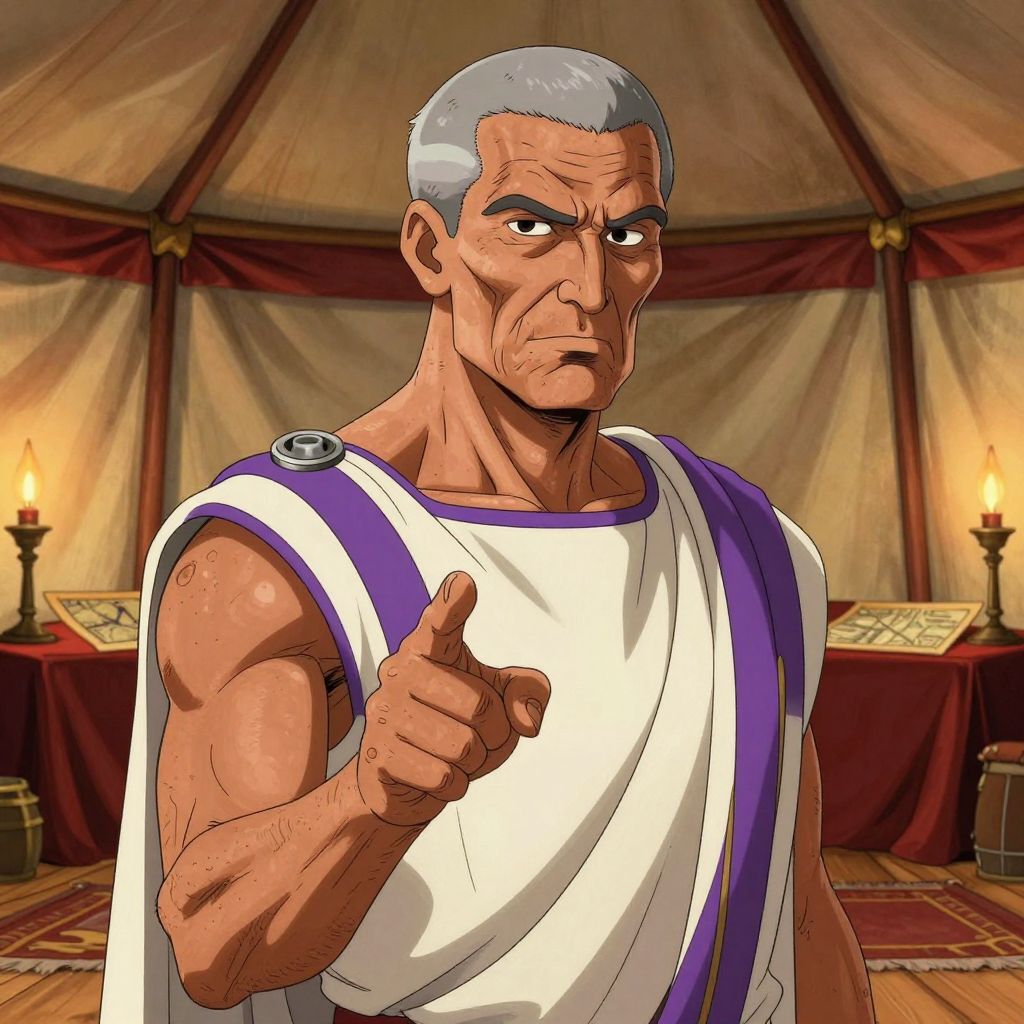
Rome's response was to appoint a dictator. Not the tyrannical kind we think of today, but a Roman emergency official given absolute power for six months. The man they chose was Quintus Fabius Maximus, a 63-year-old senator with a reputation for caution. The Romans expected him to raise fresh legions and avenge their dead.
Fabius had other plans.
The Strategy That Rome Hated
Fabius understood something that no other Roman general of his era could bring himself to accept: Hannibal could not be defeated in a pitched battle. Not by the forces Rome currently possessed. The Carthaginian general had spent his entire life preparing for this war. His army was a professional force bound by years of shared campaigns, led by a tactical genius who had never lost a major engagement.
Every Roman who had tried to fight Hannibal directly was dead.
So Fabius refused to fight.
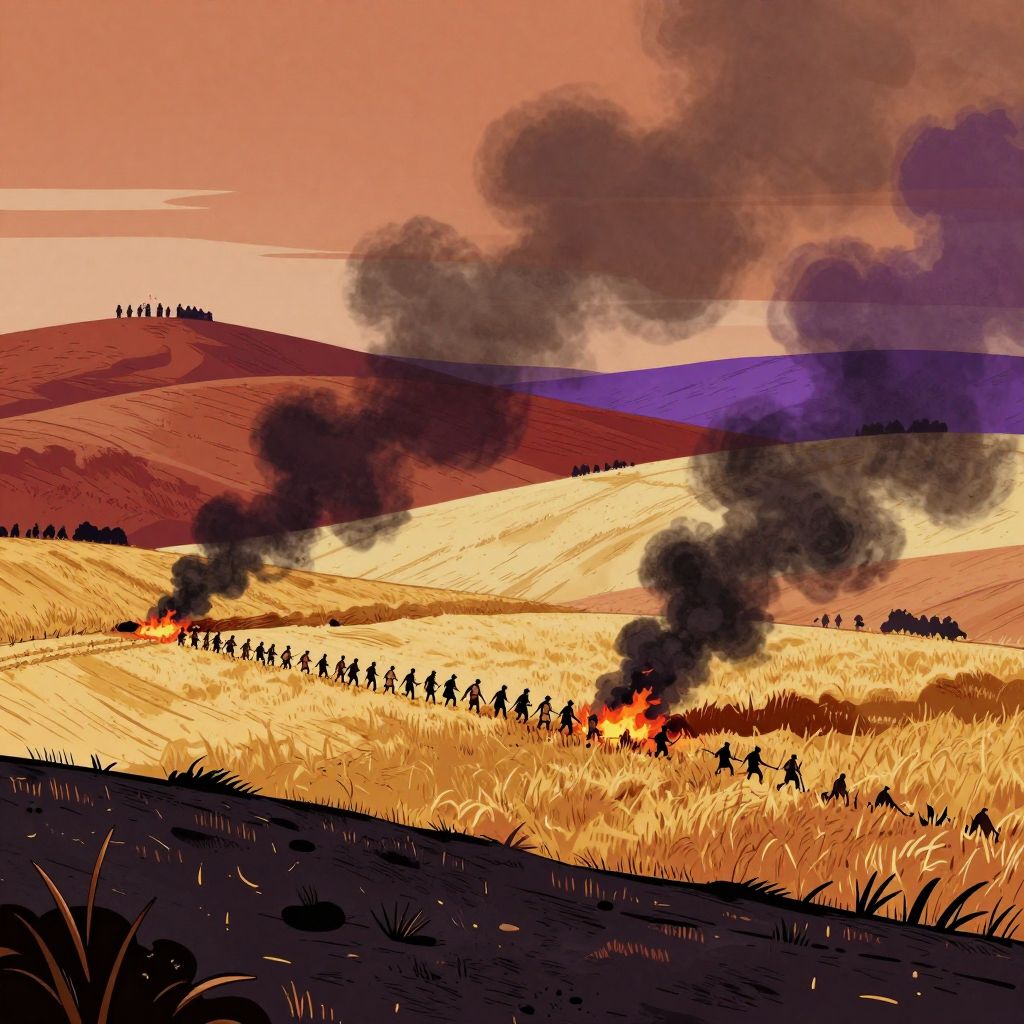
His strategy was simple in concept but brutal in execution. Roman forces would shadow Hannibal's army, always staying on high ground where the Carthaginian cavalry could not reach them. They would never offer battle. Instead, they would burn every field, slaughter every animal, and destroy every grain store before Hannibal could seize them. Supply convoys would be ambushed. Foraging parties would be cut down. But the main army would remain untouched.
The Romans called this strategy cowardice. They called Fabius "Cunctator" — The Delayer — and they meant it as an insult. Senators demanded action. Junior officers seethed with humiliation. The Roman people, raised on stories of glorious victory, could not understand why their dictator spent his days running away from a smaller enemy force.
What they failed to grasp was the mathematics of Hannibal's situation.
Why Hannibal Was Already Losing
Hannibal had crossed the Alps with roughly 26,000 men — the survivors of an army that had been nearly twice that size when it left Spain. He had no supply lines stretching back to Carthage. No reinforcements marching to join him. His brother Hasdrubal was pinned down in Hispania fighting other Roman forces. The Carthaginian senate, controlled by political rivals of the Barca family, showed no interest in sending help.
Every month that Hannibal spent in Italy, his army grew smaller. Not from Roman attacks, but from the slow grinding reality of occupation. Men died of disease. Local conscripts deserted. Soldiers aged out of fighting condition. Weapons broke and could not be replaced. Horses went lame and there were no remounts.
Fabius understood that time was Rome's ally. Every week without a major victory drained Hannibal's strength. Every burned field denied his army food. Every skirmish killed irreplaceable veterans. Rome could lose a dozen armies and raise more from its vast population and alliance system. Hannibal had one army, and when it was gone, he had nothing.
The strategy was working. Hannibal's army was starving. His Italian allies were having second thoughts. The great general who had humiliated Rome was being slowly strangled by an old man who refused to throw a punch.
Then Rome threw it all away.
The Disaster at Cannae
When Fabius's six-month term as dictator ended in 216 BCE, the Senate returned to its normal system of elected consuls. One of them, Gaius Terentius Varro, was a populist politician who had risen to power by promising to end the war quickly. He called Fabius's strategy a disgrace to Roman honor. He would meet Hannibal in open battle and destroy him.
At Cannae, Varro got his wish. He assembled the largest army Rome had ever fielded — over 80,000 men — and marched to confront Hannibal's force of perhaps 50,000.
The result was the most catastrophic defeat in Roman military history. Hannibal's double envelopment crushed the Roman army from all sides. Estimates suggest between 50,000 and 70,000 Romans died in a single afternoon. Among the dead were one consul, two proconsuls, two quaestors, and eighty senators. The gold rings stripped from the fingers of dead Roman knights were shipped to Carthage and poured out on the floor of the senate — a mountain of proof that Rome's nobility had been butchered.
In the aftermath, as Rome reeled from the greatest military disaster in its history, the Senate quietly adopted the strategy they had mocked for a year. Fabius was no longer called a coward. He was called the only Roman who understood the war.
Nine Years of Waiting
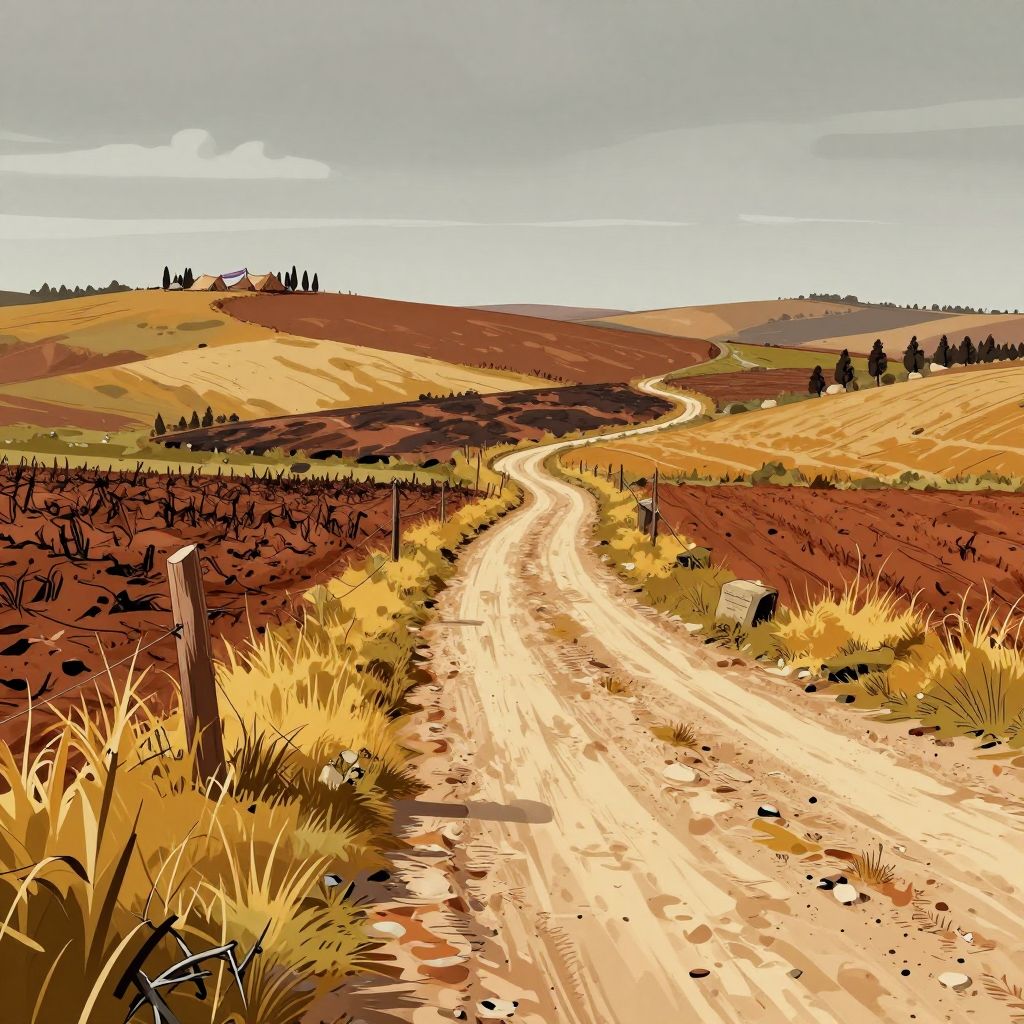
For the next nine years, Rome followed Fabius's doctrine. They built new armies but kept them on defensive positions. They fought Hannibal's Italian allies one by one, peeling them away through diplomacy and siege warfare. They sent armies to Spain to cut off any reinforcements. They starved, harassed, and exhausted the Carthaginian occupation.
Hannibal remained dangerous. His tactical brilliance meant that any Roman general who got too aggressive still risked destruction. But he could not force a decisive engagement. He could not march on Rome without siege equipment he did not have. He could not hold Italy without reinforcements that never came.
The great conqueror who had crossed the Alps was trapped. He held vast stretches of southern Italy, but he could not use them. The Fabian strategy had turned his victories into a cage.
The Death of Hope
In 207 BCE, Hannibal finally received word that help was coming. His brother Hasdrubal had broken through in Spain and was crossing the Alps with a fresh army. For the first time in nearly a decade, Hannibal allowed himself hope. He would march north to meet his brother. Their combined forces would finally have the strength to end the war.
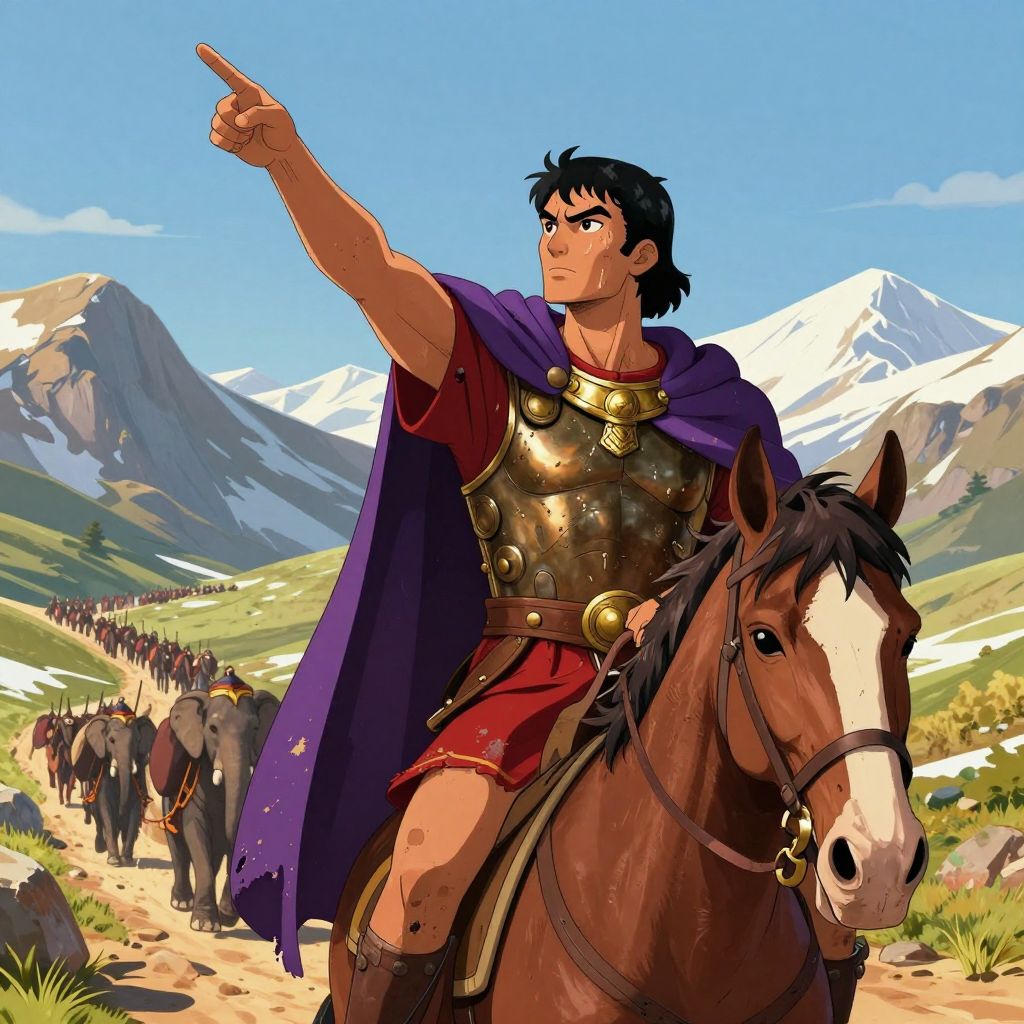
Rome understood the stakes. They sent every available legion to intercept Hasdrubal at the Metaurus River before he could link up with Hannibal. In a brutal battle, the Romans destroyed the Carthaginian relief force completely. Hasdrubal died fighting rather than face capture.
The Romans had a message for Hannibal. At dawn, their cavalry rode to his camp and threw something over the walls. It landed in the dirt at the feet of the Carthaginian soldiers.
It was Hasdrubal's severed head.
Hannibal walked out of his tent alone and unarmed. He knelt in the dirt and picked up what remained of his younger brother. Ancient sources record that he did not weep, did not rage, did not threaten vengeance. He simply held his brother's face and said: "Now, at last, I see the destiny of Carthage."
The war would continue for five more years. But in that moment, Hannibal knew it was already over.
The Delayer's Vindication
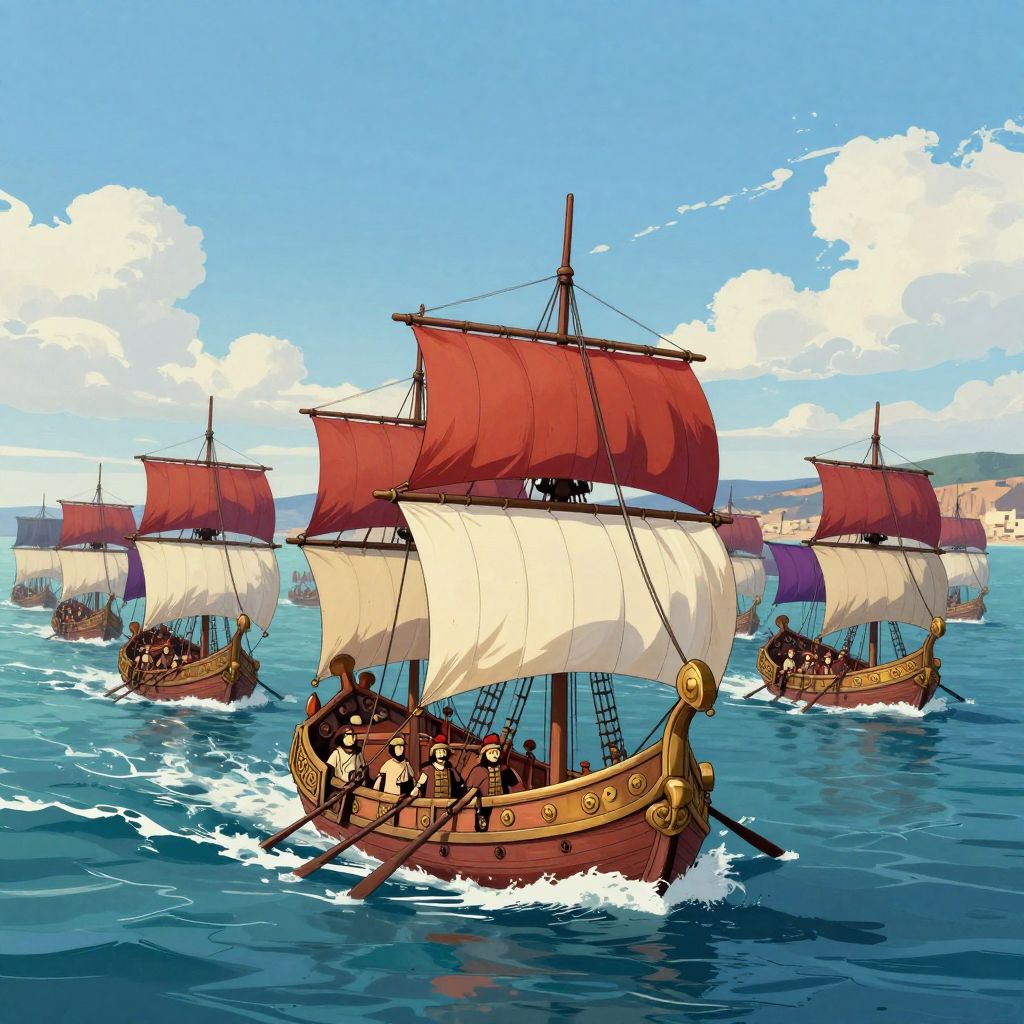
Fabius Maximus died in 203 BCE, one year before the war's decisive conclusion at the Battle of Zama. He was around 80 years old. He never got to see Hannibal defeated. But he lived long enough to see Rome adopt his strategy, survive its darkest hour, and begin the long recovery that would ultimately lead to victory.
Nine years the Romans had called him a coward. In the end, they built him a statue.
The younger generation of Roman generals who actually ended the war, most notably Scipio Africanus, understood what Fabius had achieved. By refusing to fight when fighting meant destruction, he had kept Rome alive until it could produce commanders capable of matching Hannibal's genius.
The Legacy of Fabian Strategy
Military historians still call it the "Fabian strategy": avoid decisive battle, wear down your enemy through attrition, deny them resources, and wait. Commanders have been borrowing from Fabius's playbook for over two thousand years.
George Washington used Fabian tactics against the British during the American Revolution, avoiding pitched battles he could not win while keeping the Continental Army intact. Russian commanders employed similar strategies against Napoleon in 1812 and Hitler in 1941, trading space for time while their enemies extended themselves into hostile territory. Mao Zedong's guerrilla doctrine drew heavily on Fabian principles.
The strategy is not glamorous. It requires leaders willing to accept short-term humiliation for long-term survival. It demands populations patient enough to endure years of apparent passivity while their territory burns. There is no moment of triumphant victory, only the slow grinding certainty that your enemy is dying faster than you are.
Most importantly, it requires the wisdom to recognize when a stronger enemy cannot be defeated head-on. Fabius saw what generations of Roman consuls could not: that Hannibal's army was a weapon Rome could not break by force. The only answer was to let it rust.
Rome's Transformation
The Second Punic War broke something in Rome and rebuilt it harder. Before Hannibal, Roman warfare had been seasonal campaigns fought by citizen-soldiers who returned to their farms after each summer's fighting. The endless grinding war in Italy forced Rome to maintain permanent professional legions. The disaster at Cannae swept away the old aristocratic officer class and created opportunities for men of talent to rise on merit.
The Rome that emerged from the war was harder, more militaristic, and more ruthless than the city Hannibal had invaded. Within fifty years it had conquered Greece, destroyed Carthage, and begun the transformation into a Mediterranean superpower.
None of that would have happened if Rome had died at Cannae. And Rome would have died at Cannae if Fabius hadn't bought it time with the only weapon he had: patience.
Frequently Asked Questions
1What does 'Cunctator' mean?
Cunctator is Latin for 'The Delayer.' It was originally an insult directed at Fabius Maximus for his refusal to engage Hannibal in battle. After the disaster at Cannae proved his strategy correct, Romans came to use the term with respect. Today it remains associated with the Fabian strategy of avoiding decisive engagement.
2Why didn't Hannibal receive reinforcements from Carthage?
Carthaginian politics played a major role. The Barca family, which included Hannibal and his father Hamilcar, had powerful rivals in the Carthaginian senate. These factions prioritized other theaters of war and showed little interest in supporting Hannibal's Italian campaign. Year after year, his requests for men and supplies went unanswered.
3Could Rome have defeated Hannibal in a direct battle?
With the forces and commanders available in 217-216 BCE, almost certainly not. Hannibal's army was a battle-hardened professional force led by perhaps the greatest tactical general of the ancient world. Every Roman army that met him in the field was destroyed. Only after years of indirect warfare weakened Hannibal's forces — and after Rome developed commanders like Scipio who could match his tactical skill — did direct confrontation become viable.
4How long did the Second Punic War last?
The war lasted 17 years, from 218 BCE when Hannibal crossed the Alps to 201 BCE when Carthage surrendered after the Battle of Zama. Hannibal spent 15 of those years in Italy, from 218 to 203 BCE.
5What happened to Hannibal after the war?
After Carthage's defeat at Zama, Hannibal became a political leader in his home city, implementing reforms that threatened Roman interests. Rome demanded his surrender, forcing him to flee into exile. He spent his remaining years as a military advisor to various Eastern Mediterranean kings, always pursued by Roman diplomatic pressure. He eventually took his own life in 183 BCE rather than be captured by the Romans.
6Is the Fabian Society named after Fabius Maximus?
Yes. The Fabian Society, founded in London in 1884, chose the name deliberately. Like Fabius against Hannibal, the organization believed in achieving socialist goals through gradual reform rather than revolutionary confrontation. The name reflected their strategy of patient, incremental progress.
Experience the Full Story
Hear how Fabius Maximus saved Rome, narrated by Lumo, the immortal wolf who watched empires rise and fall.


Listen to Related Stories
The Coward Who Saved Rome
4 minNine years. That's how long Hannibal waited for reinforcements...

Key Figures
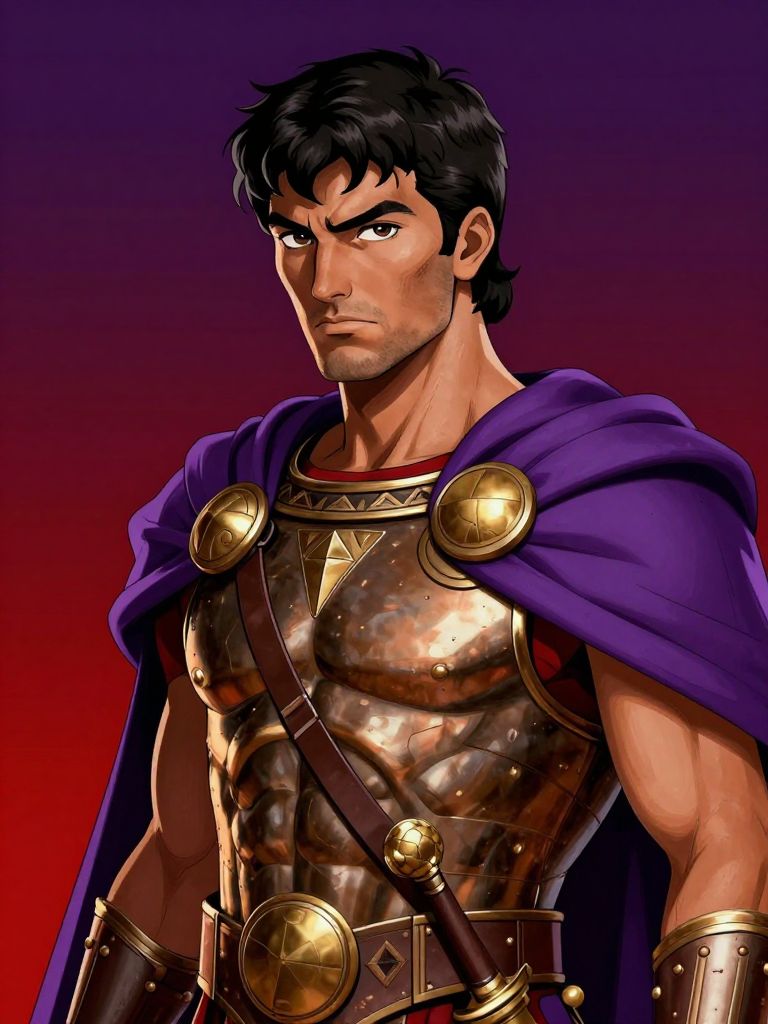
Listen to the Full Story
Experience history through immersive audio lessons narrated by Lumo, your immortal wolf guide.