The Student Beats the Master
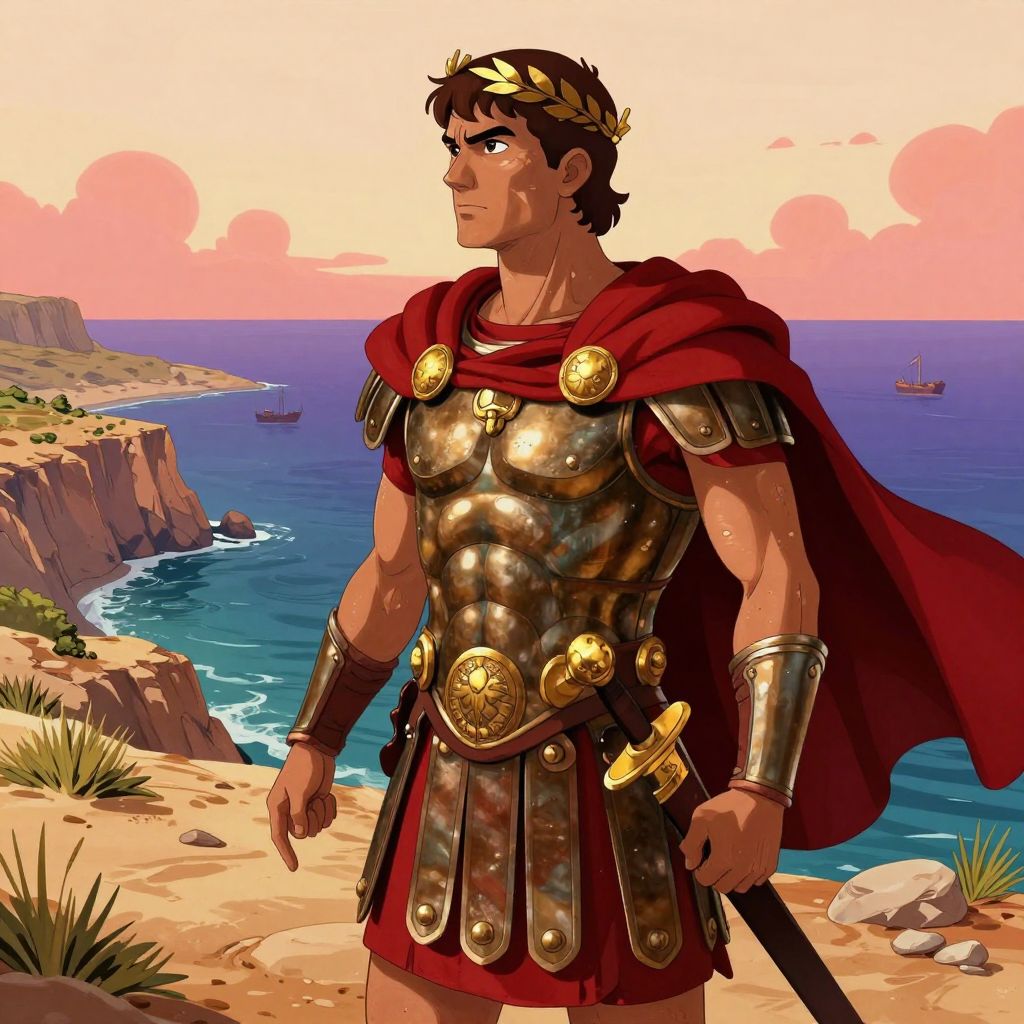
For seventeen years, Hannibal Barca had been winning. Trebia. Trasimene. Cannae. He killed tens of thousands of Roman soldiers, marched through Italy like he owned it, and Rome could do nothing except watch him.
Then a Roman general named Publius Cornelius Scipio stopped playing defense. Instead of chasing Hannibal around Italy, he loaded an army onto ships and invaded Africa. He went straight for Carthage.
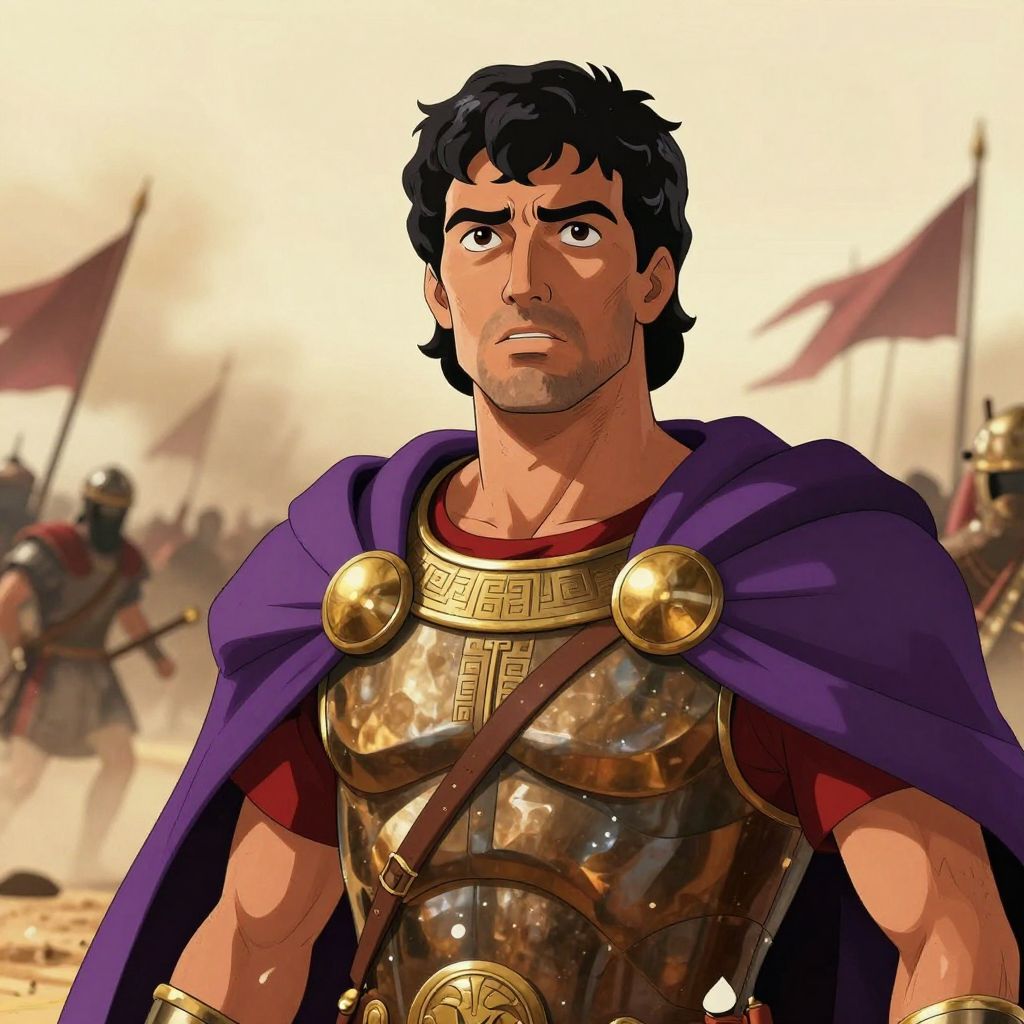
In October 202 BCE, on a plain called Zama in what is now Tunisia, the two generals finally met. Hannibal was forty-five years old. He had never lost a major battle. Scipio was thirty-four, a survivor of Cannae who had spent fourteen years studying his enemy. Every tactic Hannibal had ever used, Scipio had memorized.
What happened next was something no one expected: Hannibal lost. Not just lost. Got crushed. His own methods, the flexible tactics and calculated aggression he had taught Rome through sixteen years of defeats, were turned against him. When the sun set over Zama, twenty thousand Carthaginians were dead, and the war that had terrorized Rome for a generation was over.
Scipio's Gamble
The strategy that led to Zama came from desperation. After Cannae in 216 BCE, Rome stopped trying to fight Hannibal directly. They adopted what historians call the Fabian strategy: shadow his army but never engage. Let him waste time marching around Italy while Rome rebuilt its strength.
It worked, sort of. Roman forces survived. But Hannibal didn't leave. For years, he sat in southern Italy, winning every skirmish, raiding Roman allies, waiting for reinforcements that never came.
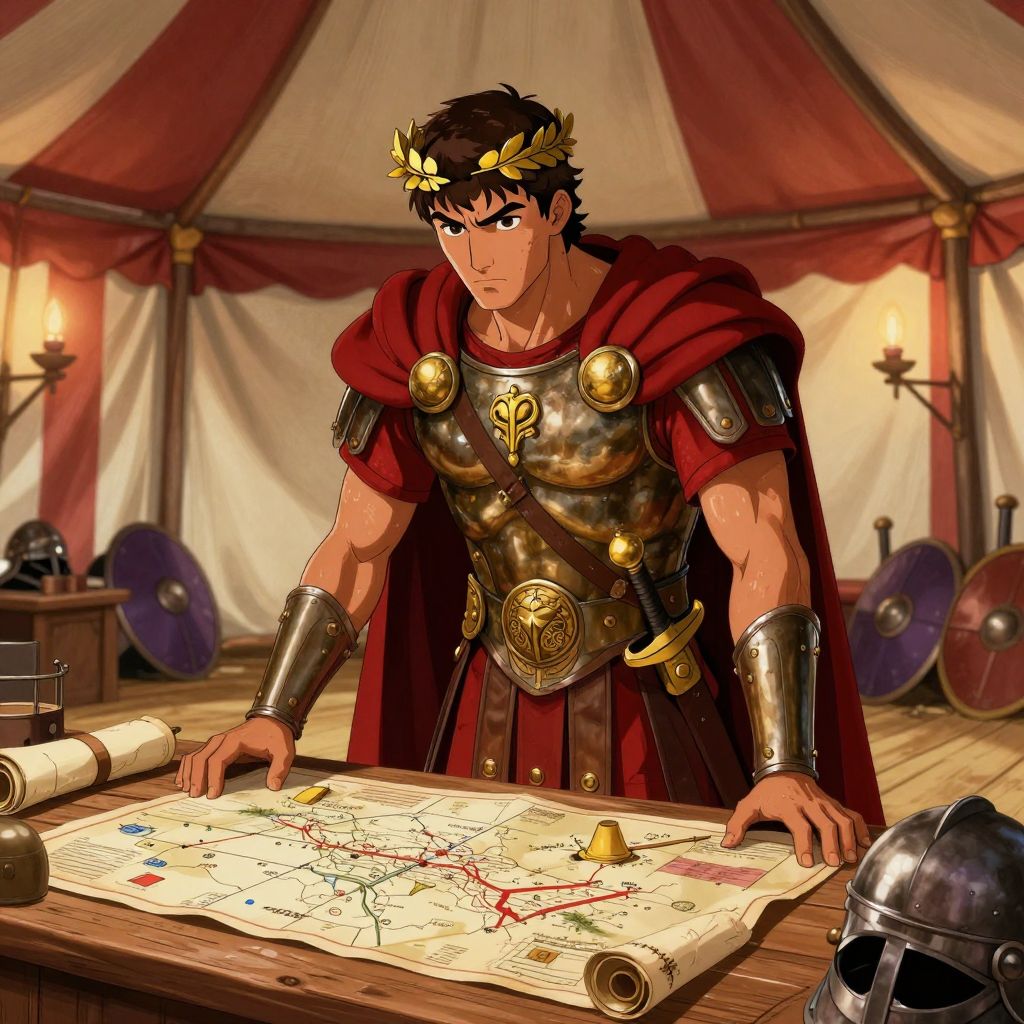
Scipio had a different idea. If Carthage was threatened, Hannibal would have to leave Italy and come home. Why fight him on his terms when you could force him onto yours?
In 204 BCE, Scipio landed in North Africa with about 25,000 troops. Over the next two years, he beat the local Carthaginian forces at Utica and the Great Plains. More importantly, he convinced the Numidian prince Masinissa to switch sides. The Numidians were the best cavalry in the region, and now they belonged to Rome.
By 203 BCE, Carthage was panicking. Their African armies were broken. Roman troops were within striking distance of the city. The Carthaginian Senate did what they should have done years earlier: they called Hannibal home.
Coming Home to a City That Abandoned Him
When Hannibal got the summons, he was still camped in Italy. Fifteen years of victories, and nothing to show for it. His brother Hasdrubal had tried to bring reinforcements across the Alps in 207 BCE. The Romans caught him at the Metaurus River and destroyed his army. According to Roman accounts, they cut off Hasdrubal's head and threw it into Hannibal's camp.
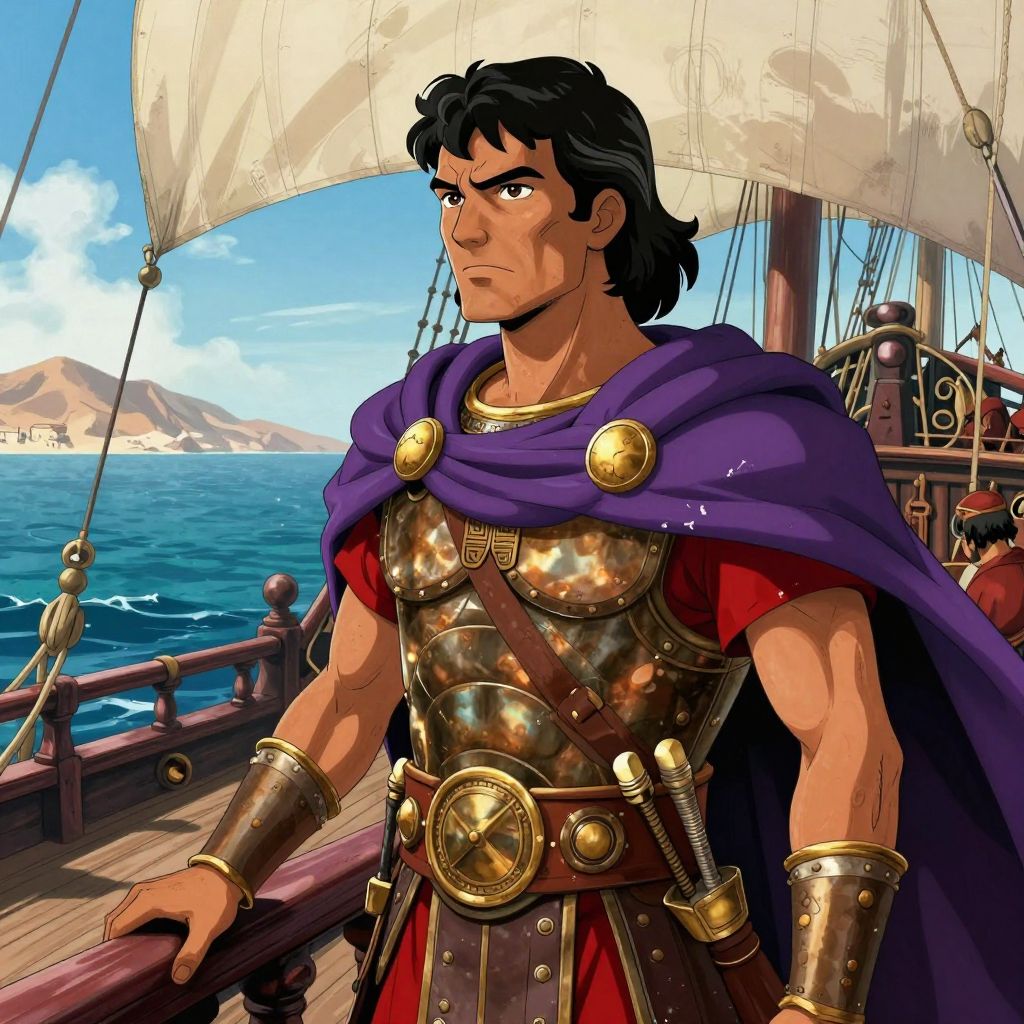
That was the moment Hannibal knew. No help was coming. The same senators who were now begging him to save them had spent fifteen years ignoring his requests for troops, supplies, siege equipment. He had won every battle and still lost the war.
Now they needed him again.
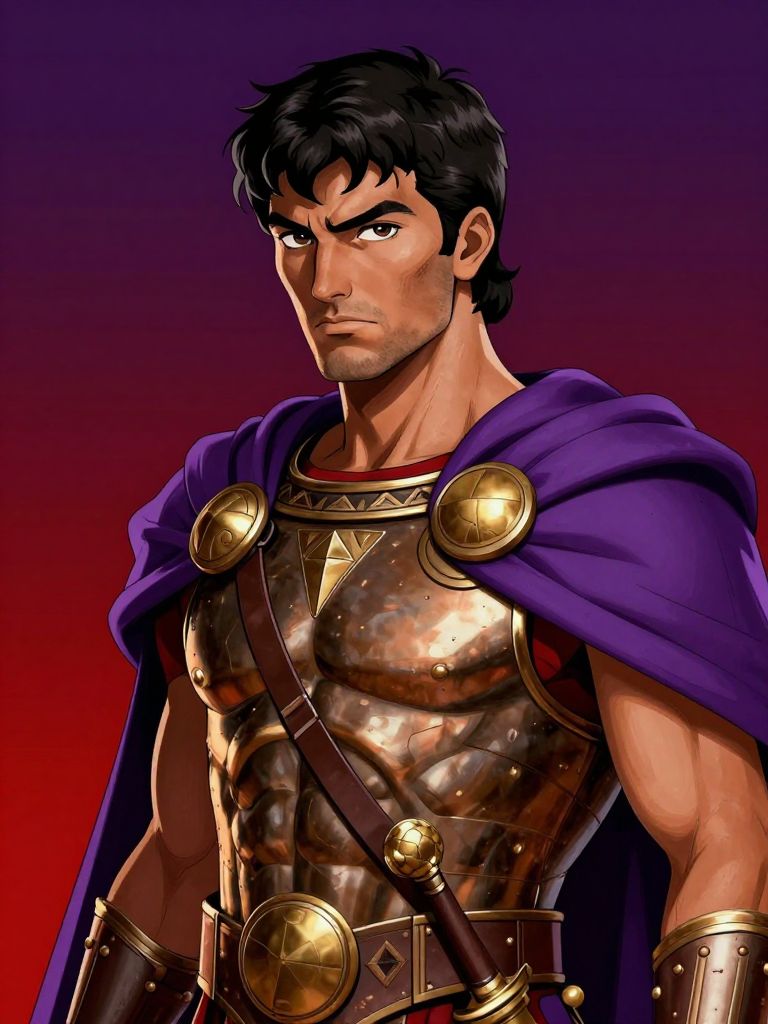
Hannibal landed at Leptis Minor in late 203 or early 202 BCE and started rebuilding an army from whatever he could find: his Italian veterans (the men who had followed him for fifteen years), new Carthaginian recruits (most of them barely trained), and about 80 war elephants. He ended up with roughly 36,000 infantry and 4,000 cavalry.
On paper, his numbers matched Scipio's. In practice, the quality was uneven. His veterans were the best soldiers alive. His recruits were farmers with spears. And his cavalry, once his greatest weapon, was weaker than it had ever been. Masinissa and his Numidians, the horsemen who had won him so many battles, now rode for Rome.
Face to Face
Ancient historians Polybius and Livy both say that Hannibal and Scipio met in person before the battle. Whether this actually happened or whether it was a story invented later, nobody knows. But the reported conversation captures what was at stake.
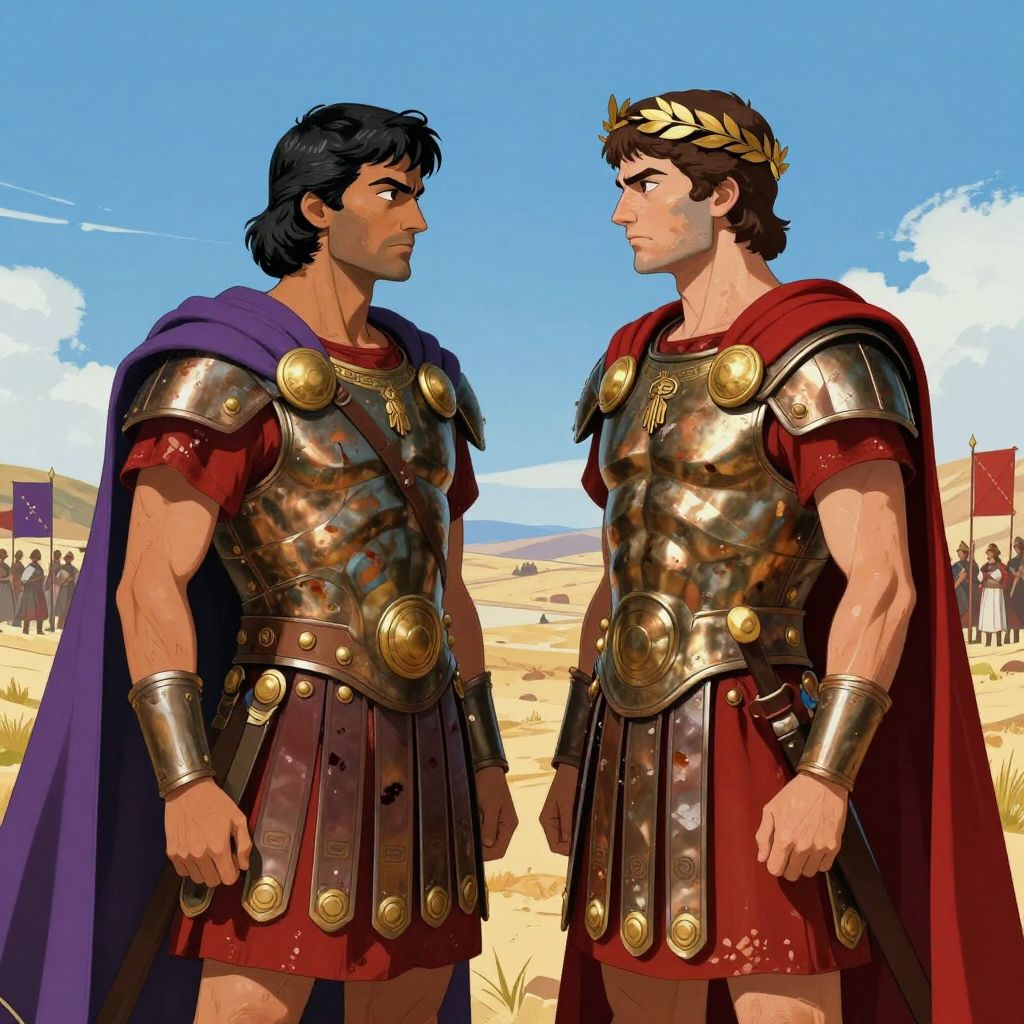
According to Livy, Hannibal proposed peace. Seventeen years of war. Hundreds of thousands dead. Maybe there was a way to end this without another battle.
Scipio said no. Carthage had broken too many treaties. Rome didn't want compromise. Rome wanted to win.
The meeting, if it happened, was short. Both men went back to their camps knowing that everything would be decided the next day.
The Elephant Problem
The exact site of Zama is uncertain. Ancient sources say "Zama" but don't give useful geographic details. It was somewhere on the plains southwest of Carthage, flat ground that favored cavalry.
Scipio had about 29,000 Roman and Italian infantry, plus 6,000 cavalry (including Masinissa's Numidians). Hannibal arranged his army in three lines. First line: Ligurians, Gauls, and Iberians, with Moorish and Balearic skirmishers out front. Second line: Carthaginian citizens and African levies. Third line: his Italian veterans, the men who had crossed the Alps and slaughtered Roman legions at Trebia and Trasimene and Cannae.
In front of all three lines, he put his 80 elephants.
War elephants had been a Carthaginian weapon throughout the Punic Wars. They terrified infantry. They scattered horses. Used right, they could break an enemy formation before the fighting even started.
The problem was these elephants weren't the trained animals Hannibal had used before. Many had been captured from the forest recently and weren't ready for battle. They were unpredictable.
The Lines Open
The battle started with the elephant charge. Eighty elephants, trumpeting and furious, running at the Roman lines. Hannibal expected them to smash into the Roman formation and create chaos his infantry could exploit.
Scipio had been waiting for this. He had spent years studying Hannibal's tactics. He had a counter-strategy ready.
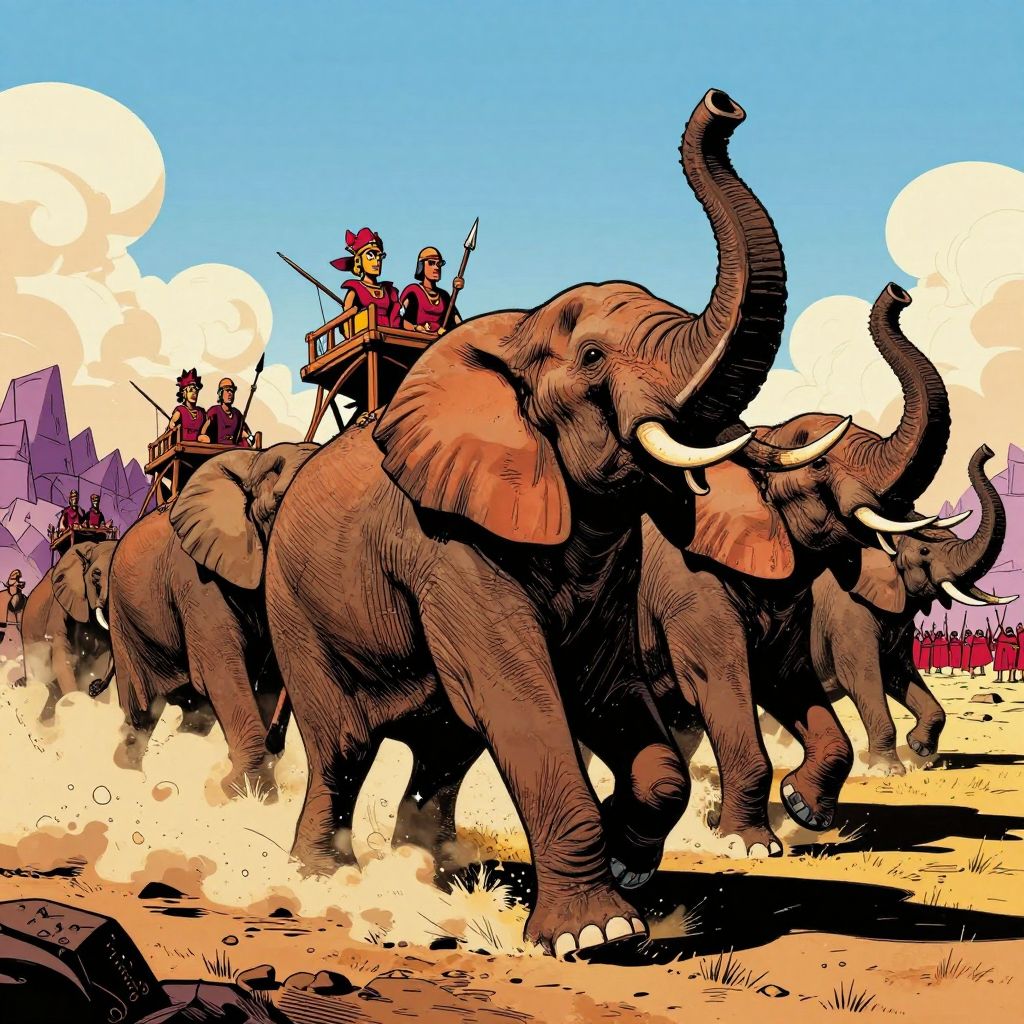
When the elephants charged, the Roman line opened up. Gaps appeared everywhere, lanes of empty space running straight through the formation. The elephants ran into the corridors and found nothing to hit. They thundered through and came out the other side, confused, panicking.
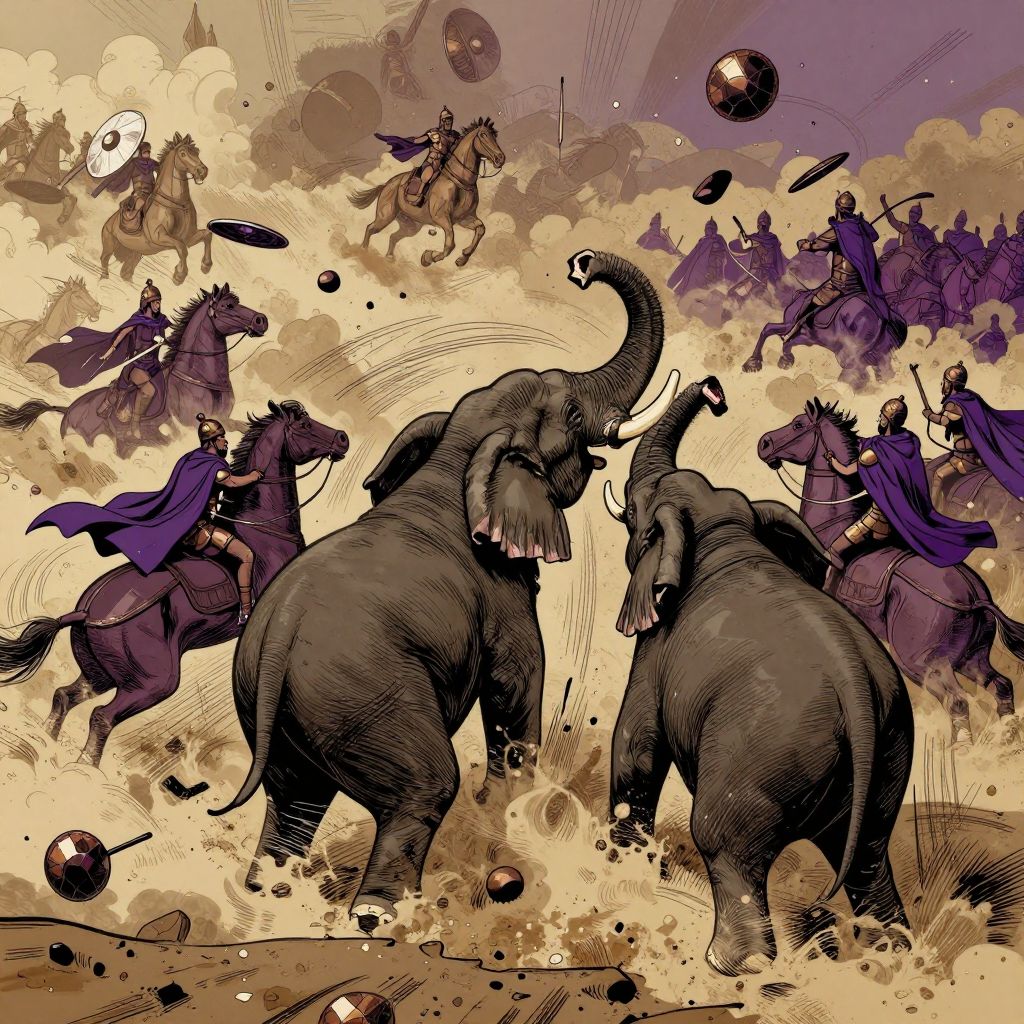
Roman velites (light-armed skirmishers) threw javelins at them as they passed. That made things worse. Some elephants turned and ran back the way they came, straight into Hannibal's own cavalry.
The Carthaginian wings fell into chaos. Masinissa and the Roman cavalry commander Gaius Laelius drove into the disordered Carthaginian horsemen and sent them running. Both cavalry forces, Roman and Carthaginian, disappeared off the battlefield in pursuit.
The infantry was left to decide the battle alone.
Infantry Grind
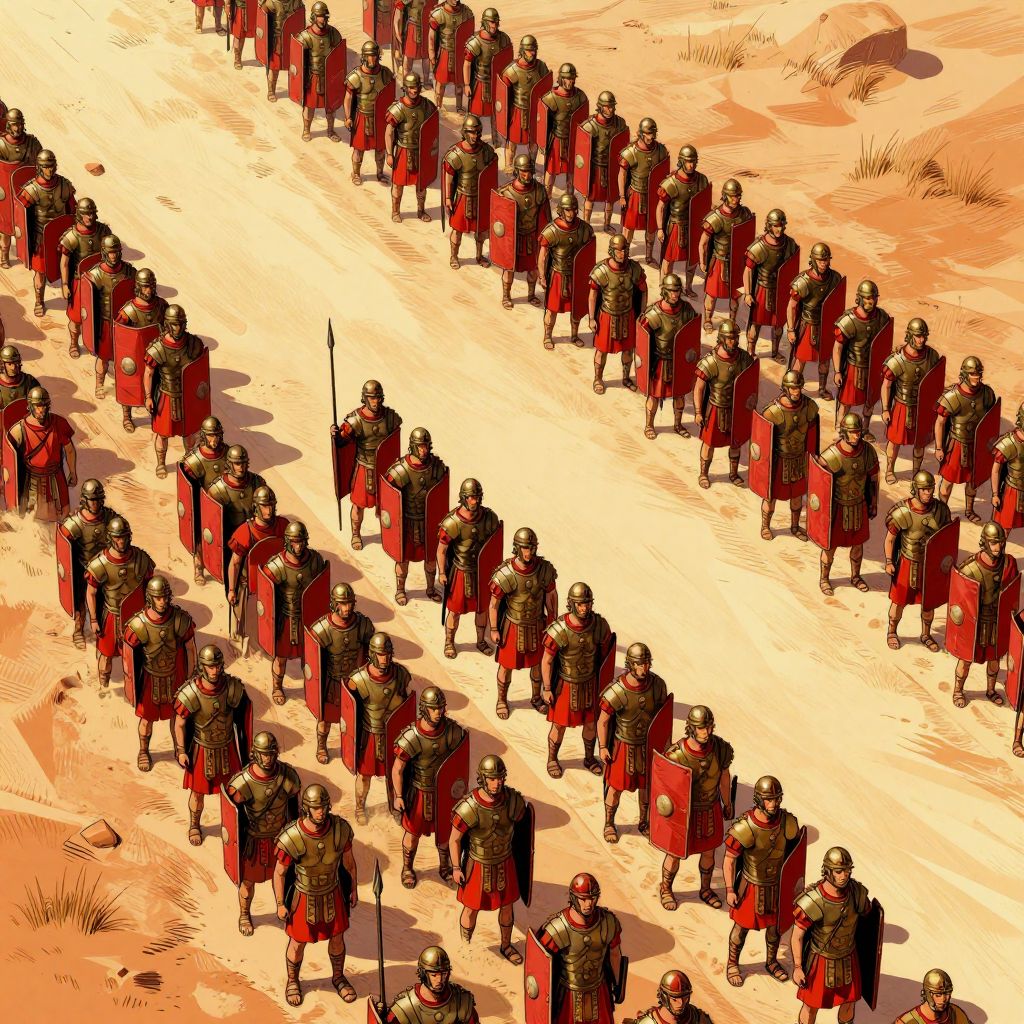
With the cavalry gone, what followed was brutal close-quarters fighting. Roman gladii against Gallic swords. Shield against shield. Men stabbing and shoving in the dust.
Scipio's legions pushed back Hannibal's first line and broke it. But Hannibal's second line didn't move forward to help. They held position. When the Roman advance reached them, they were fresh while the Romans were tired.
This kind of defensive depth was Hannibal's trademark. He had used it at Cannae to devastating effect. But Scipio understood what was happening. During a pause in the fighting, he reorganized his manipular units into a single extended line instead of the traditional three-line formation. This let him overlap Hannibal's third line on both flanks.
When the Romans hit Hannibal's veterans, the battle could have gone either way. These were the men who had survived everything: the Alps, the Italian winters, the endless Roman armies sent against them. They were the best soldiers Carthage had ever produced, and they were fighting for their lives.
Cannae in Reverse
The infantry battle might have ended in a stalemate. Then the cavalry came back.
Masinissa and Laelius had finished off the Carthaginian cavalry and circled back to the main battle. They hit Hannibal's infantry from behind.
Now the Carthaginians were surrounded. Attacked from front and rear. This was Cannae in reverse: the double envelopment that Hannibal had used to destroy Rome's legions was being used against him.
The result was a slaughter. Ancient sources say about 20,000 Carthaginians died and another 20,000 were captured. Roman losses were somewhere between 1,500 and 2,500. Even allowing for the way ancient historians exaggerated enemy casualties, the numbers tell a clear story. This was a total Roman victory.
Hannibal escaped with a handful of survivors. He retreated to Hadrumetum, then to Carthage, where he told the senate to make peace. There was nothing left to fight with.
What Carthage Lost
The peace treaty was brutal. Carthage had to surrender its entire war fleet except ten ships. Give up all the elephants. Pay 10,000 talents of silver over fifty years. Get Roman permission before waging any war, even to defend itself. Give up every territory outside the city's immediate area.
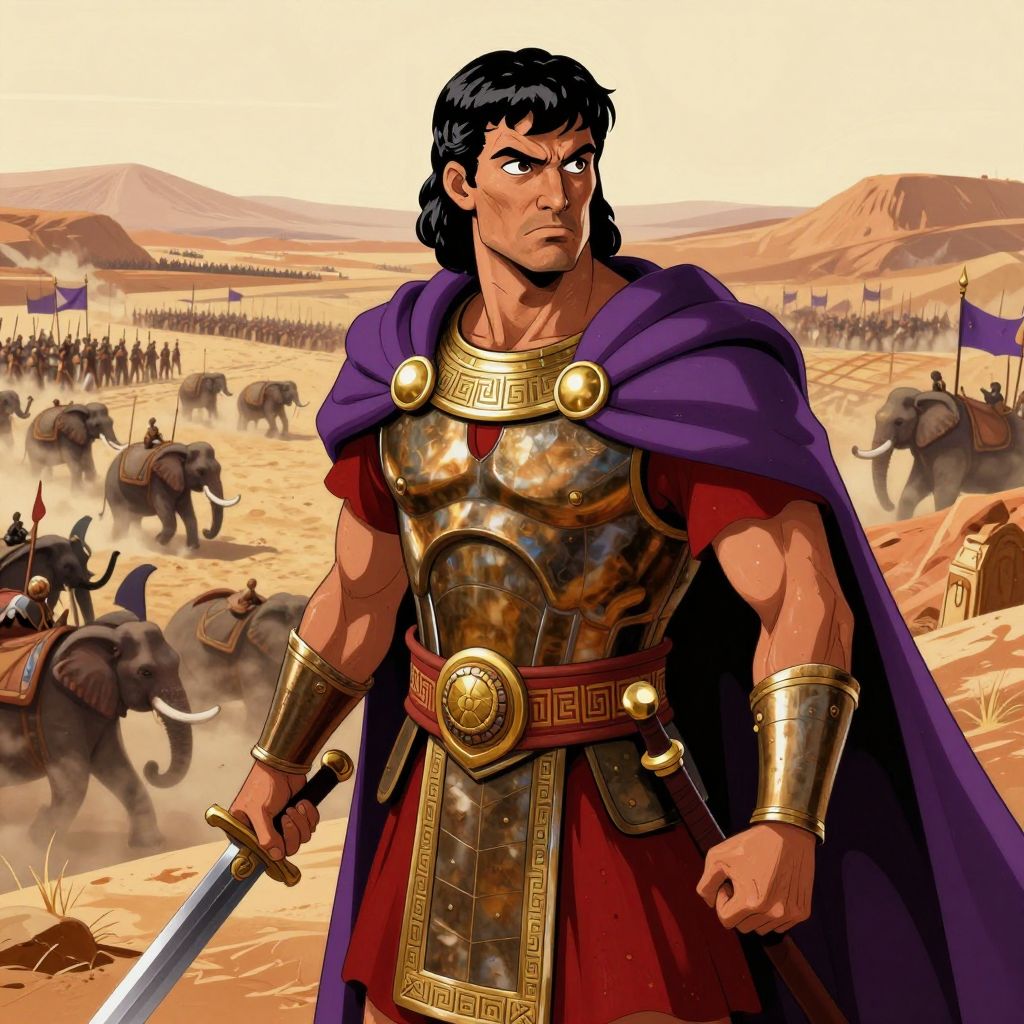
What had been a trading empire with colonies across the Mediterranean became a single city surrounded by Roman-allied territory. Carthage would survive for another fifty years, even become commercially prosperous again. But it would never challenge Rome. When the Romans finally destroyed the city in 146 BCE, they were finishing what Zama started.
For Rome, Zama opened the door to everything that came next. With Carthage neutralized, Roman legions moved east. Within decades they were fighting in Greece, Asia Minor, Syria. The Second Punic War had almost killed Rome; winning it made Rome the dominant power in the ancient world.
What Happened to Hannibal
Hannibal didn't die at Zama. He went into politics. He served as suffete (the highest Carthaginian office), pushed through financial reforms, and made enemies among the city's oligarchs. The same senators who had refused to support his war now feared his popularity with the common people.
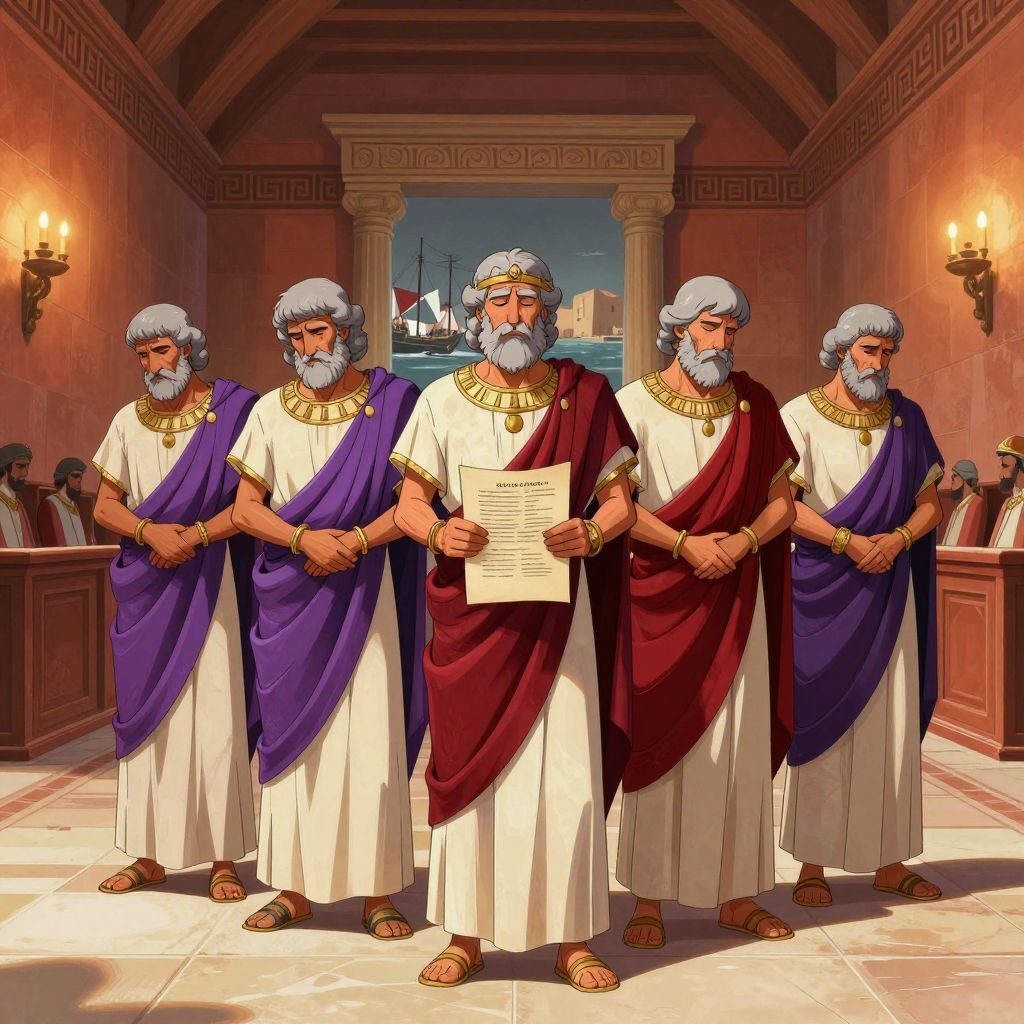
In 195 BCE, his enemies accused him of plotting with the Seleucid king Antiochus III against Rome. True or not, it gave them the excuse they needed. Hannibal fled east.
He spent his remaining years as a military advisor to various kings, always looking for someone who would help him fight Rome again. No one ever did.
He died around 183 BCE in Bithynia (modern Turkey). Roman agents had tracked him down. Rather than let them take him, he swallowed poison. He was about sixty-four.
His reported last words: "Let us relieve the Romans from the anxiety they have so long experienced, since they think it tries their patience too much to wait for an old man's death."
Scipio's End
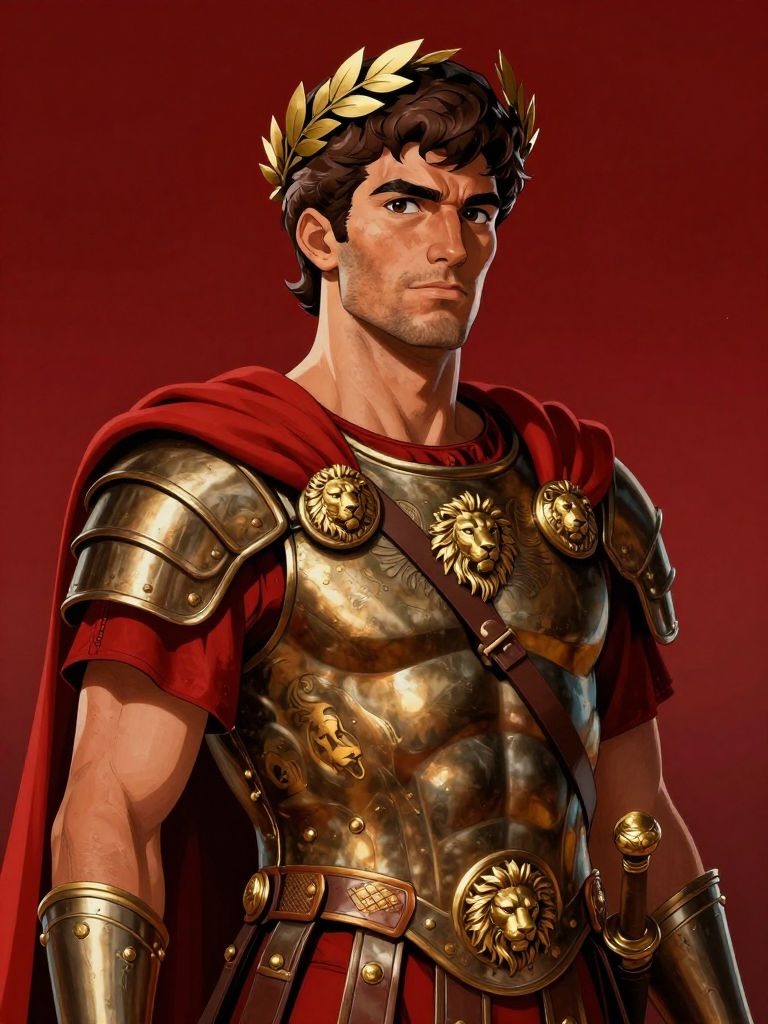
Scipio earned the name "Africanus" for his victory. He came home the greatest Roman hero of his generation. He served in politics, commanded armies, helped win the war against Antiochus III.
But Rome was hard on its heroes. In his later years, Scipio was prosecuted for financial irregularities during the Asian campaign. Instead of defending himself against what he considered political attacks, he retired to his estate at Liternum.
He died around 183 BCE. The same year as Hannibal.
The two great enemies of the Second Punic War died within months of each other: one fleeing Roman pursuit in Bithynia, the other in self-imposed exile from the city he had saved.
Why It Matters
Zama decided which power would shape the Mediterranean for the next several centuries.
If Hannibal had won, or if the battle had been a draw, Carthage might have gotten better terms. Hannibal might have rebuilt his army. Rome, exhausted after seventeen years, might have accepted a peace that left Carthage intact as a rival.
Instead, Zama was total. Carthage was broken. Rome faced no serious western rival for the next two hundred years.
But there's something else. Zama proved that Hannibal's methods could be learned. Scipio took the flexible tactics, the coordinated cavalry and infantry, the double envelopment that Hannibal had used to destroy Roman armies, and turned them into Roman military doctrine. The legions carried those lessons across three continents.
Hannibal spent his life trying to destroy Rome. In the end, he made it stronger.
Frequently Asked Questions
1When was the Battle of Zama fought?
The Battle of Zama was fought in October 202 BCE (some sources say October 19). It took place on the plains southwest of Carthage in modern-day Tunisia, though the exact location remains uncertain.
2How many soldiers died at the Battle of Zama?
Ancient sources report about 20,000 Carthaginian soldiers killed and 20,000 captured. Roman casualties were between 1,500 and 2,500 dead. While ancient casualty figures should be treated with caution, the numbers indicate a decisive Roman victory.
3Why did Hannibal lose at Zama?
Several factors: his cavalry was weaker because the Numidians had defected to Rome; his elephants panicked and caused chaos in his own ranks; Scipio had studied his tactics for years and developed counters; and his army mixed experienced veterans with barely trained recruits.
4What happened to Carthage after Zama?
Carthage signed a harsh peace treaty, surrendering its fleet, elephants, overseas territories, and the right to wage war without Roman permission. While the city survived for another fifty years, it never recovered as a major power. Rome destroyed it completely in 146 BCE.
5Did Hannibal and Scipio meet before the battle?
Ancient historians Polybius and Livy describe a pre-battle meeting where Hannibal proposed peace and Scipio refused. Whether this meeting actually happened or was invented later is still debated by scholars.
6How did Scipio defeat Hannibal's elephants?
Scipio ordered his infantry to form corridors instead of a solid wall. When the elephants charged, they ran through the empty lanes without hitting anything. Roman skirmishers then harassed them with javelins, causing many elephants to panic and turn back into the Carthaginian ranks.
Hear the Full Story
Experience the Battle of Zama narrated by Lumo, who watched Hannibal's only defeat. Available on iOS and Android.


Listen to Related Stories
His Own Trick
4 minHannibal had won every battle. Now Rome was about to use his own tactics against him.

Key Figures
Listen to the Full Story
Experience history through immersive audio lessons narrated by Lumo, your immortal wolf guide.