The Blade That Never Needed Sharpening
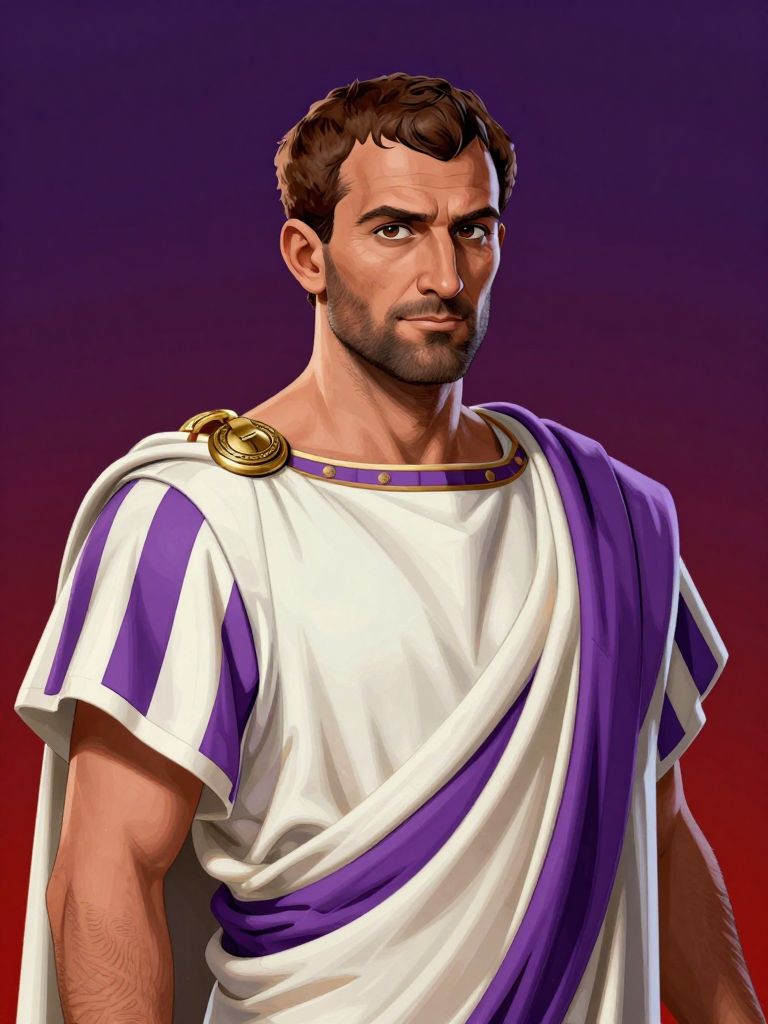
On a dusty road outside his villa in December 43 BCE, Marcus Tullius Cicero stretched out his neck from the litter and waited for the sword. He was sixty-three years old. The soldiers who caught him had been hired by Mark Antony. The man whose tongue had once controlled the Roman Senate would never speak again.
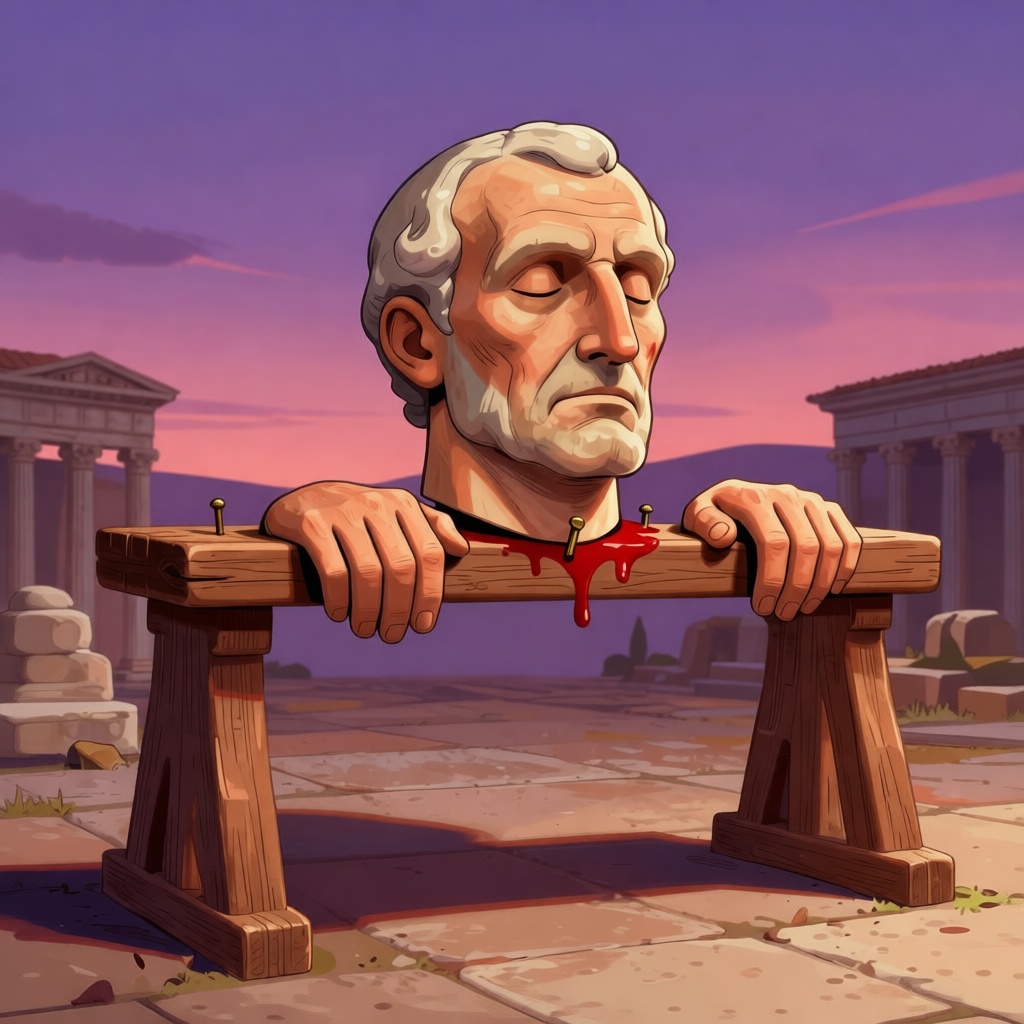
They cut off his head. They cut off his hands. Then they nailed all three to the Rostra in the Roman Forum. The same platform where Cicero had delivered the speeches that made him famous, that saved the Republic, that he would never let anyone forget about.
Fulvia, Antony's wife, reportedly pulled out Cicero's tongue and stabbed it with her hairpin. A petty revenge for years of insults. But by then, Cicero was beyond caring. The Republic he'd spent his entire life defending had died before him.
The New Man in a Room Full of Ancestors
Cicero was born in 106 BCE in Arpinum, a small town about sixty miles southeast of Rome. His family was respectable but unremarkable. They had money and local influence. What they lacked was what mattered most in Roman politics: ancestors.
Rome's Senate was dominated by patrician families who could trace their lineage back centuries. Consuls begat consuls. Military glory was inherited like furniture. When these men spoke in the Senate, they invoked the achievements of their great-grandfathers. Their family death masks lined the halls of their homes, staring down at dinner guests.
Cicero had none of this. He was a "novus homo," a new man. The first in his family to reach the Senate, let alone the consulship. In a culture obsessed with heredity, he had to earn every inch of credibility through his own efforts.
He chose words as his weapon.
Young Cicero studied rhetoric in Rome, Greece, and Asia Minor. He learned from the best teachers money could buy. He practiced speaking until his voice could fill a forum without cracking, until his pauses landed exactly where they needed to, until every gesture was calculated for maximum effect.
By his late twenties, he'd made a name defending clients in Rome's law courts. His breakthrough case came in 80 BCE when he defended Sextus Roscius, a man accused of murdering his own father. The real culprits were connected to the dictator Sulla. Taking the case was potentially suicidal.
Cicero won. He won by being so eloquent, so precise, so devastatingly logical that the jury couldn't ignore the truth. Then he left Rome for two years, just in case Sulla decided to make an example of him. When he returned, Sulla was dead, and Cicero's reputation was established.
Consul Without an Army
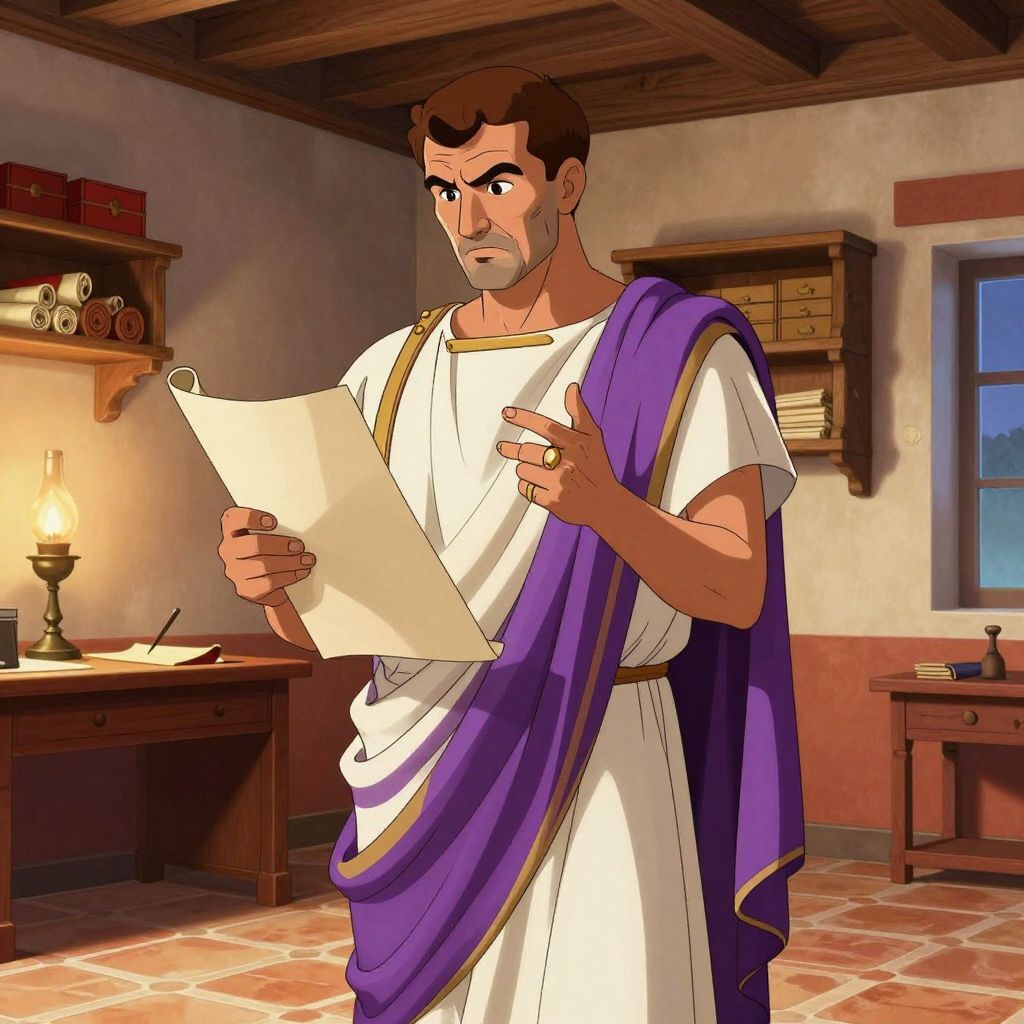
In 63 BCE, Cicero achieved what should have been impossible. A new man from a provincial town, with no military victories and no famous ancestors, was elected consul of Rome. The highest office in the Republic. For one year, he would be one of two men running the most powerful state in the Mediterranean.
His co-consul was Gaius Antonius Hybrida, a man whose main qualification was not being Cicero. The Senate aristocrats had accepted Cicero because the alternative was worse. And the alternative that year was a patrician named Lucius Sergius Catilina.
Catiline was everything Cicero wasn't: old blood, military experience, patrician bearing. He was also drowning in debt. After losing two elections, facing prosecution for corruption, and owing money to half the Senate, Catiline decided that if Rome wouldn't give him power through votes, he'd take it with swords.
He gathered an army of the desperate. Former soldiers who'd been promised land and never received it. Nobles who'd gambled away their fortunes. Anyone with nothing left to lose and everything to gain from chaos. The plan was simple: cancel all debts, kill the creditors, burn the records, start fresh.
Cicero's spies were everywhere. He knew the meeting places, the weapons caches, the night of the planned uprising. He knew because he paid good money to know. What he didn't have was proof the Senate would accept. Catiline was still a senator, still protected by the law. Cicero needed Catiline to make a mistake.
How Long, Catiline?
On November 8th, 63 BCE, the Senate met in the Temple of Jupiter Stator. Catiline walked in as if nothing had happened and took his usual seat.
Nobody sat near him. The benches emptied around him like he carried plague. Senators who'd eaten at his table the week before suddenly needed to be on the other side of the chamber.
Then Cicero rose.
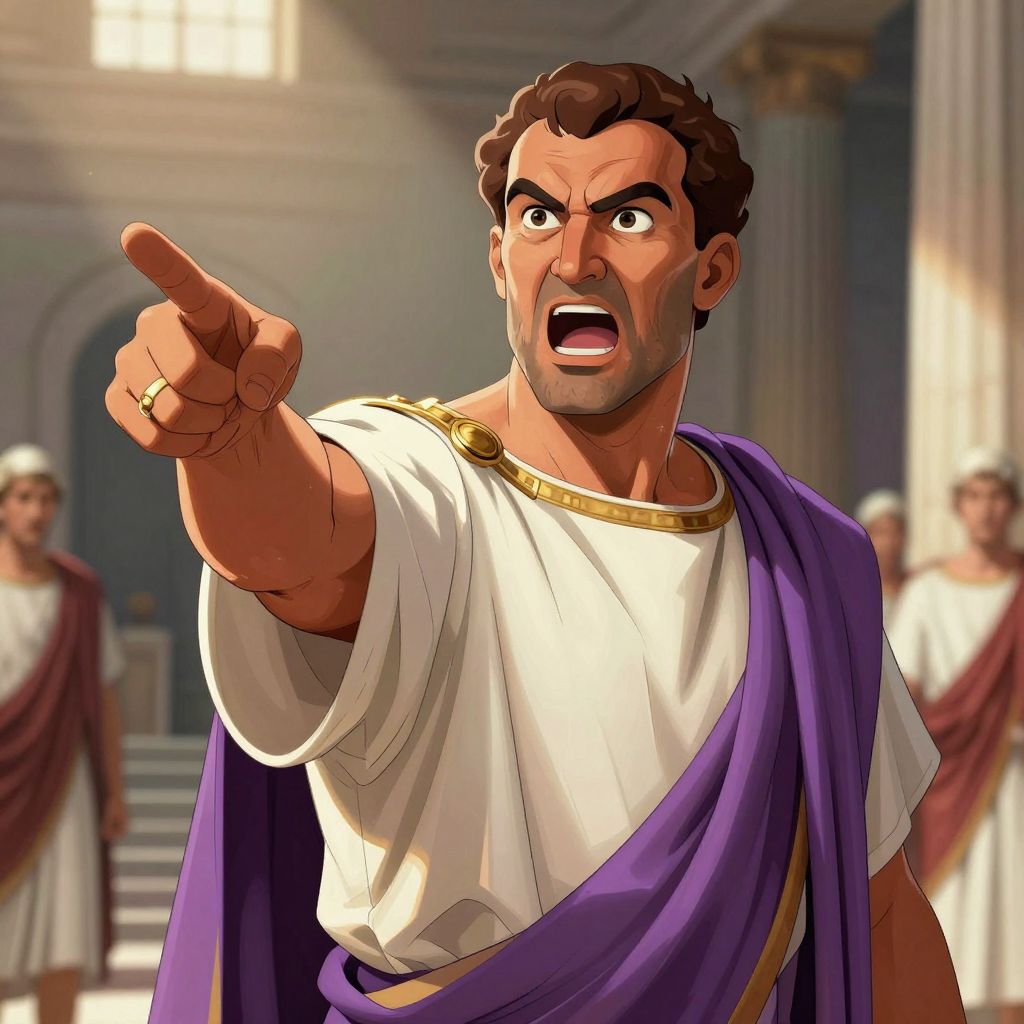
The first sentence of his First Catilinarian Oration became the most quoted words in Latin literature: "Quo usque tandem abutere, Catilina, patientia nostra?" How long, O Catiline, will you abuse our patience?
Cicero didn't shout. He didn't need to. Every word landed like a blade. He catalogued Catiline's crimes, his conspirators, his meetings, his plans. He spoke as if reading from a file, and in a sense he was. But the delivery transformed bureaucratic intelligence into theatrical condemnation.
The Senate sees you. The consul sees you. And still you live? Still you dare to sit among us?
Catiline tried to respond. The Senate howled him down. He fled Rome that night.
But he'd left conspirators behind. Cicero's spies caught them negotiating with ambassadors from a Gallic tribe, seeking military support for the uprising. Now Cicero had his proof. Physical evidence. Written letters. Confessions.
The Senate invoked the senatus consultum ultimum. The final decree. Emergency powers that allowed the state to kill its enemies without trial.
The Execution That Haunted Him
Cicero had five Roman citizens strangled in the Tullianum prison. No judge. No appeal. No lawyers arguing technicalities. Just rope and darkness in the oldest prison in Rome.
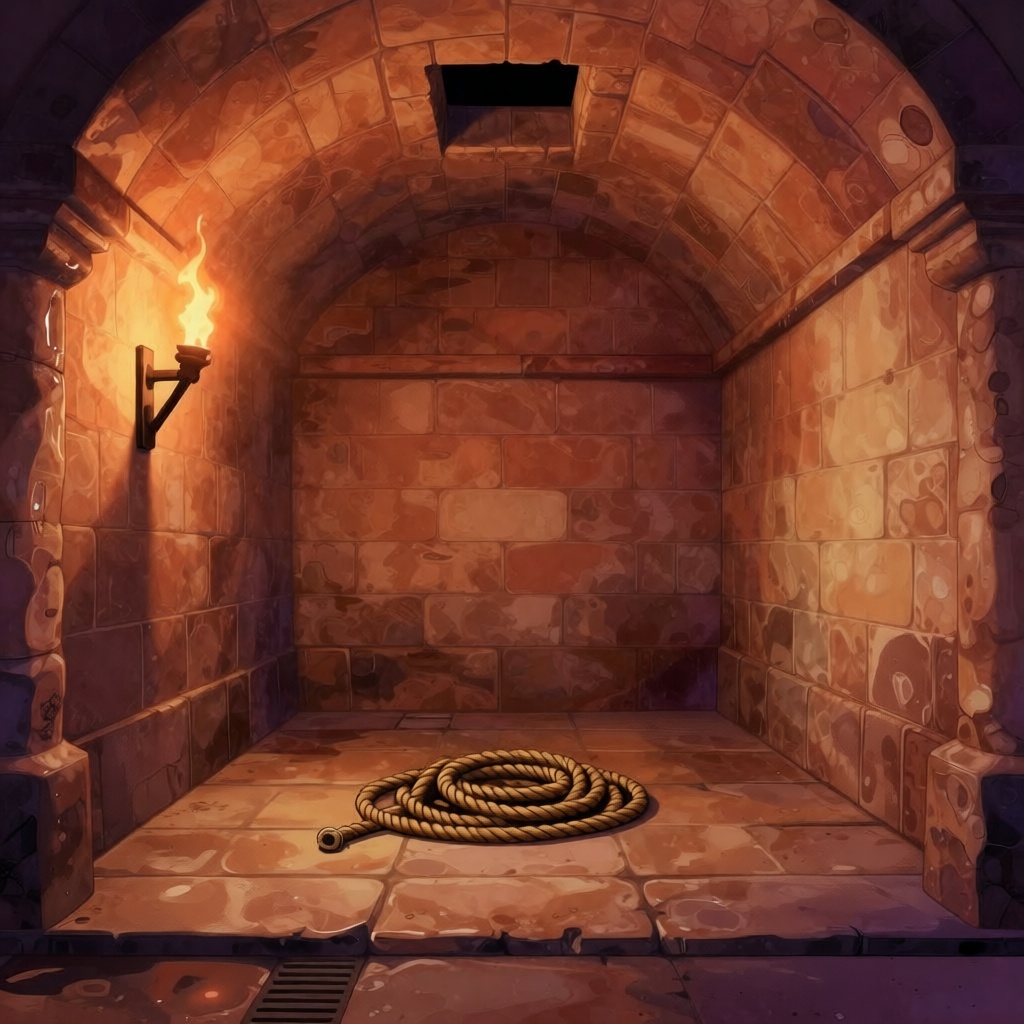
When he emerged from the prison, Cicero used a single word. "Vixerunt," he announced. They have lived. Past tense. It was over.
The crowd cheered. The Senate celebrated. They called him Pater Patriae, Father of the Fatherland. For one shining moment, Cicero was the savior of Rome. He'd stopped a revolution without an army. Words and political skill had been enough.
Catiline himself died fighting in January 62 BCE. Cornered by Roman legions near Pistoria, he charged into the enemy lines with his sword drawn. Even his killers admired how he fell.
But that execution without trial? It would haunt Cicero for the rest of his life.
In the Senate debate over what to do with the conspirators, a young politician named Julius Caesar had voted against execution. He argued for imprisonment, for due process, for the law. He lost the vote. But he remembered.
Caesar remembered grudges. And Cicero had just handed him one.
The Long Decline
Cicero saved the Republic. Or so he told everyone. Constantly. For the rest of his life.
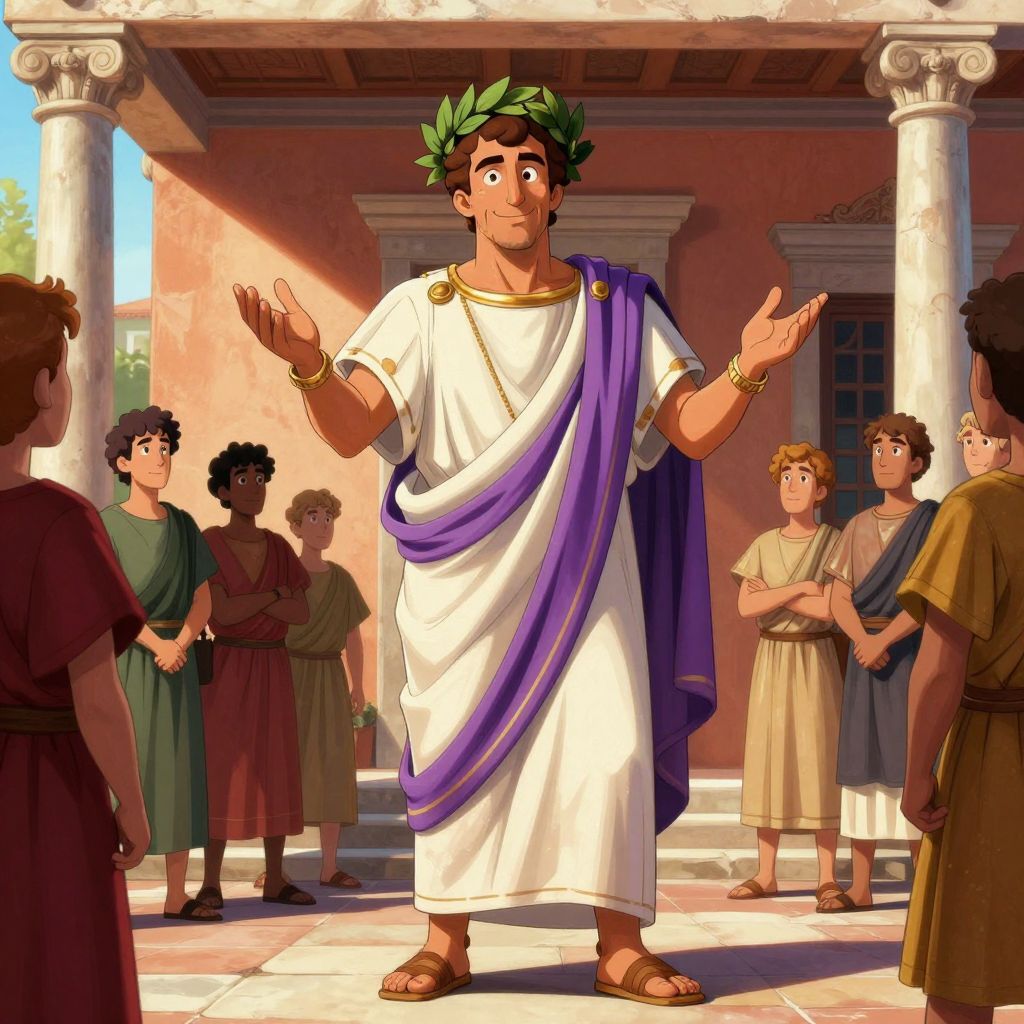
His habit of self-congratulation became a running joke among the Roman elite. He wrote poetry about his consulship. He wrote letters about his consulship. He inserted references to his consulship into speeches that had nothing to do with his consulship. One senator reportedly asked if there was any subject Cicero couldn't turn into an opportunity to remind everyone about the Catilinarian conspiracy.
But the political ground was shifting beneath him. In 60 BCE, Caesar formed the First Triumvirate with Pompey and Crassus. Three men with armies and money divided the Republic like wolves sharing a kill. Cicero wasn't invited. He had no legions. He had no fortune to match Crassus. He had only his voice, and voices don't command soldiers.
In 58 BCE, a tribune named Clodius passed a law that anyone who had executed Roman citizens without trial should be exiled. The law was retroactive. It was aimed directly at Cicero.
Clodius had personal reasons for hatred. Years earlier, Cicero had testified against him in a scandal involving Caesar's wife. Clodius had never forgotten. Now he had power, and he intended to use it.
Cicero fled Rome before the law could be formally applied. He wandered in exile for sixteen months, writing plaintive letters, begging for help, watching his houses in Rome burn. When he finally returned, recalled by the Senate, he was a diminished figure. The Father of the Fatherland had been chased from his country like a common criminal.
Between Caesar and the Senate
For the next decade, Cicero tried to find his place in a Republic that no longer functioned as a republic. The Triumvirate dominated everything. Caesar conquered Gaul and sent back propaganda disguised as war commentaries. Pompey controlled Rome. Crassus died in Parthia chasing the military glory his money couldn't buy.
After Crassus's death and the collapse of Caesar's alliance with Pompey, civil war became inevitable. Caesar crossed the Rubicon in January 49 BCE. Pompey fled. The Senate scattered.
Cicero agonized. He admired Pompey. He distrusted Caesar. But he was also a pragmatist who could read a map. Caesar had thirteen legions of veterans who'd conquered Gaul. Pompey had senators who'd never held a sword.
He eventually joined Pompey. It was the wrong choice. Caesar won at Pharsalus in 48 BCE. Pompey fled to Egypt and was murdered at the harbor. Cicero returned to Italy and begged for Caesar's mercy.
Caesar pardoned him. Of course he did. Caesar pardoned everyone who'd fought against him. It was brilliant politics. It created debts that could never be repaid. It made the pardoned feel small.
Cicero spent the years of Caesar's dictatorship writing philosophy. Treatises on friendship, on old age, on the nature of the gods. Some of the finest Latin prose ever written, produced by a man with nothing else to do. He'd lost his political influence. His daughter Tullia died in childbirth. His marriage collapsed. He retreated into books.
The Last Hope of the Republic
Then came the Ides of March.
When the conspirators stabbed Caesar in the Senate on March 15th, 44 BCE, Cicero wasn't among them. He hadn't been told. Brutus and Cassius didn't trust the old orator to keep a secret. But when Caesar fell, Brutus reportedly held up his bloody dagger and shouted Cicero's name.
Cicero was thrilled. In his letters, he could barely contain his joy. The tyrant was dead. The Republic could be restored. At sixty-two, he threw himself back into politics with the energy of a man half his age.
His targets were Mark Antony and Octavian, the men fighting over Caesar's legacy. Cicero delivered fourteen speeches against Antony, calling them the Philippics after Demosthenes' speeches against Philip of Macedon. They were brilliant, vicious, and ultimately suicidal.
In the Philippics, Cicero called Antony a drunk, a debtor, a disgrace. He catalogued his crimes, real and imagined. He mocked his appearance, his wife, his ambitions. The speeches were designed to destroy Antony's reputation utterly.
They almost worked. Antony was declared a public enemy. An army was raised against him. For a few months, Cicero controlled the Senate's policy, guiding Rome's response to the crisis with nothing but the power of his voice.
Then Octavian betrayed him.
The Proscriptions
In November 43 BCE, Octavian, Antony, and a general named Lepidus formed the Second Triumvirate. Unlike the first, this one was official. Legal. Brutal.
They published death lists. The proscriptions. If your name appeared, you were legally dead. Anyone could kill you and claim a reward. Your property was seized. Your family was ruined.
Thousands of names. Senators, businessmen, anyone with enemies in high places.
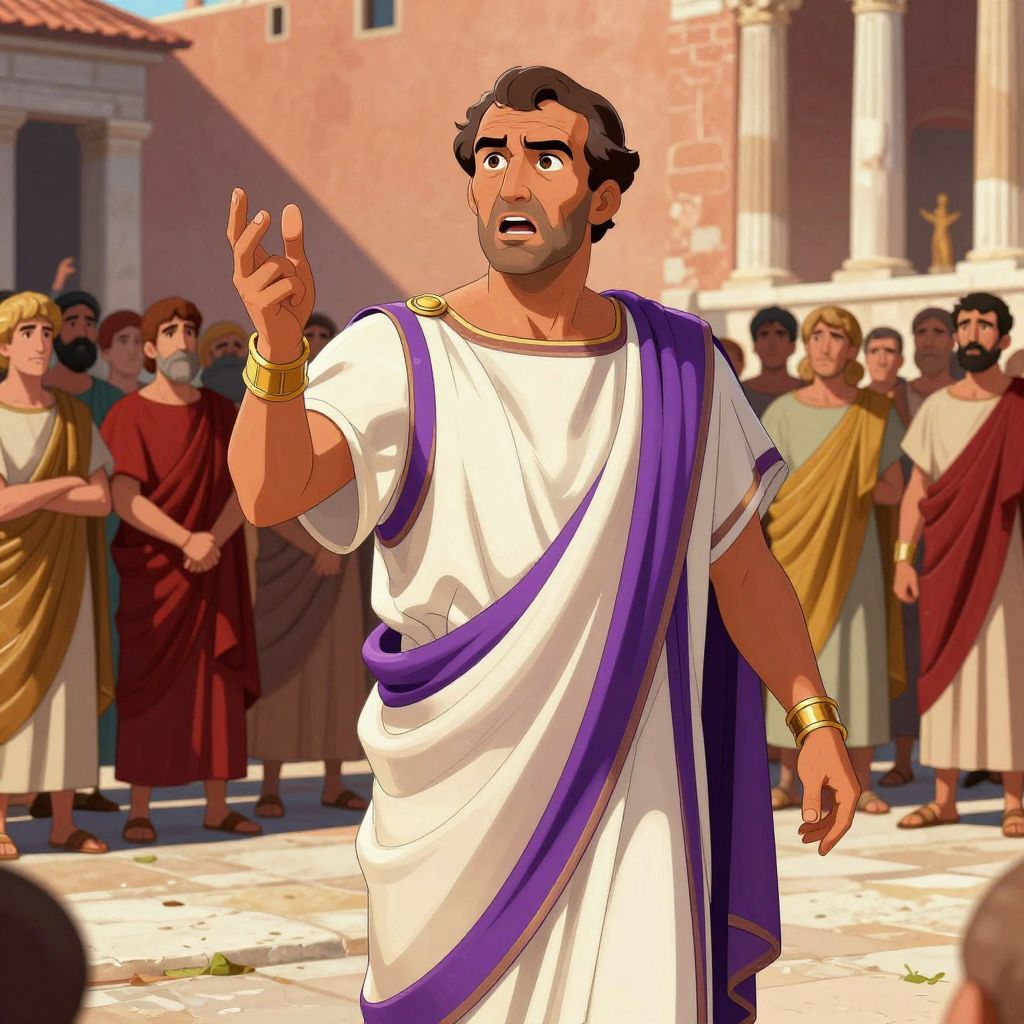
Antony insisted that Cicero's name go on the list. Octavian reportedly bargained. He traded away the man who'd supported him in the Senate, who'd given him legitimacy, who'd believed that a twenty-year-old could save the Republic.
Cicero ran. He made it almost to the coast. Almost to a ship. Almost to safety.
The soldiers caught him on the road. He stretched out his neck from the litter and told them to do their job properly. Then it was over.
The Legacy of Words
Cicero left behind more than fifty speeches, over nine hundred letters, and dozens of philosophical and rhetorical works. His Latin became the model for prose style. Schoolchildren memorized his sentences for a thousand years. The Renaissance rediscovered him and modeled their Latin on his. His letters give us the most detailed picture of Roman political life that survives.
His political career was a failure. He never stopped a revolution that wasn't going to happen anyway. He picked the losing side in every civil war. He was outmaneuvered by everyone with an army.
But his words outlasted every legion. Caesar's dynasty fell after a century. Rome's republic became an empire, then split, then fell. The languages changed. The borders moved.
Cicero's sentences still land exactly where he aimed them.
In 63 BCE, a new man with no army and no famous ancestors walked into the most powerful deliberative body in the ancient world and destroyed a conspiracy with nothing but his voice. That moment matters not because it saved the Republic. The Republic was already dying.
It matters because it proved what words could do. In a world that measured power in legions and gold, Cicero showed that a well-crafted argument could reshape reality. Not forever. Not completely. But long enough to matter.
His head and hands rotted on the Rostra. His speeches are still read today.
Maybe words were worth something after all.
Frequently Asked Questions
1Why is Cicero considered Rome's greatest orator?
Cicero dominated Roman legal and political rhetoric for decades. His speeches set the standard for Latin prose style that influenced Western writing for over a thousand years. He won seemingly impossible cases, destroyed political enemies with words alone, and left behind more surviving Latin speeches than any other Roman. His First Catilinarian Oration is still studied as a model of rhetorical technique.
2What was the Catilinarian Conspiracy?
In 63 BCE, a patrician named Lucius Sergius Catilina (Catiline) organized a plot to overthrow the Roman government, cancel all debts, and redistribute wealth. Cicero, then consul, exposed the conspiracy through a network of spies. After delivering four speeches against Catiline in the Senate, Cicero had five conspirators executed without trial under emergency powers. Catiline died fighting Roman legions in January 62 BCE.
3How did Cicero die?
In December 43 BCE, Cicero was caught by soldiers while fleeing Italy by sea. Mark Antony had placed him on the proscription lists after Cicero's Philippic speeches attacked him relentlessly. Cicero was killed on the road to his villa. His head and hands were cut off and nailed to the Rostra in the Roman Forum, the same platform where he had delivered his most famous speeches.
4What is the relationship between Cicero and Julius Caesar?
Cicero and Caesar had a complex relationship of mutual respect and political opposition. Caesar voted against Cicero's execution of the Catilinarian conspirators in 63 BCE. When Caesar crossed the Rubicon, Cicero eventually joined Pompey's side. After Caesar's victory, he pardoned Cicero, who spent the dictatorship years writing philosophy. Cicero was not part of the assassination conspiracy but celebrated Caesar's death.
5Why was Cicero called a 'new man'?
A 'novus homo' or 'new man' was someone who achieved high political office without having ancestors who had held similar positions. Roman aristocratic culture valued heredity intensely. Cicero was the first in his family to reach the Senate and the consulship, making his political success remarkable in a system dominated by established patrician families.
Hear Cicero's Story
From the Catiline conspiracy to the proscriptions, experience the rise and fall of Rome's greatest orator told by an ancient witness.


Hear Their Story
How Long, Catiline?
4 minA conspiracy to burn Rome. A consul with no army. And four words that would echo through history: 'How long, Catiline?'

The Last of the Brutuses
4 minCicero's head and hands nailed to the Rostra. The price for fourteen speeches against the wrong man.
Experience Marcus Tullius Cicero's Story
Go beyond the biography. Hear Marcus Tullius Cicero's story told by Lumo, your immortal wolf guide who witnessed these events firsthand.