The sacred office
For over three centuries, no one had dared harm a tribune of the plebs.
The office was as close to untouchable as Roman politics allowed. A tribune spoke for the common people of Rome. He could veto any law, halt any army, stop any magistrate in his tracks. His person was sacrosanct, protected by ancient oaths that invoked the wrath of the gods on anyone who touched him.
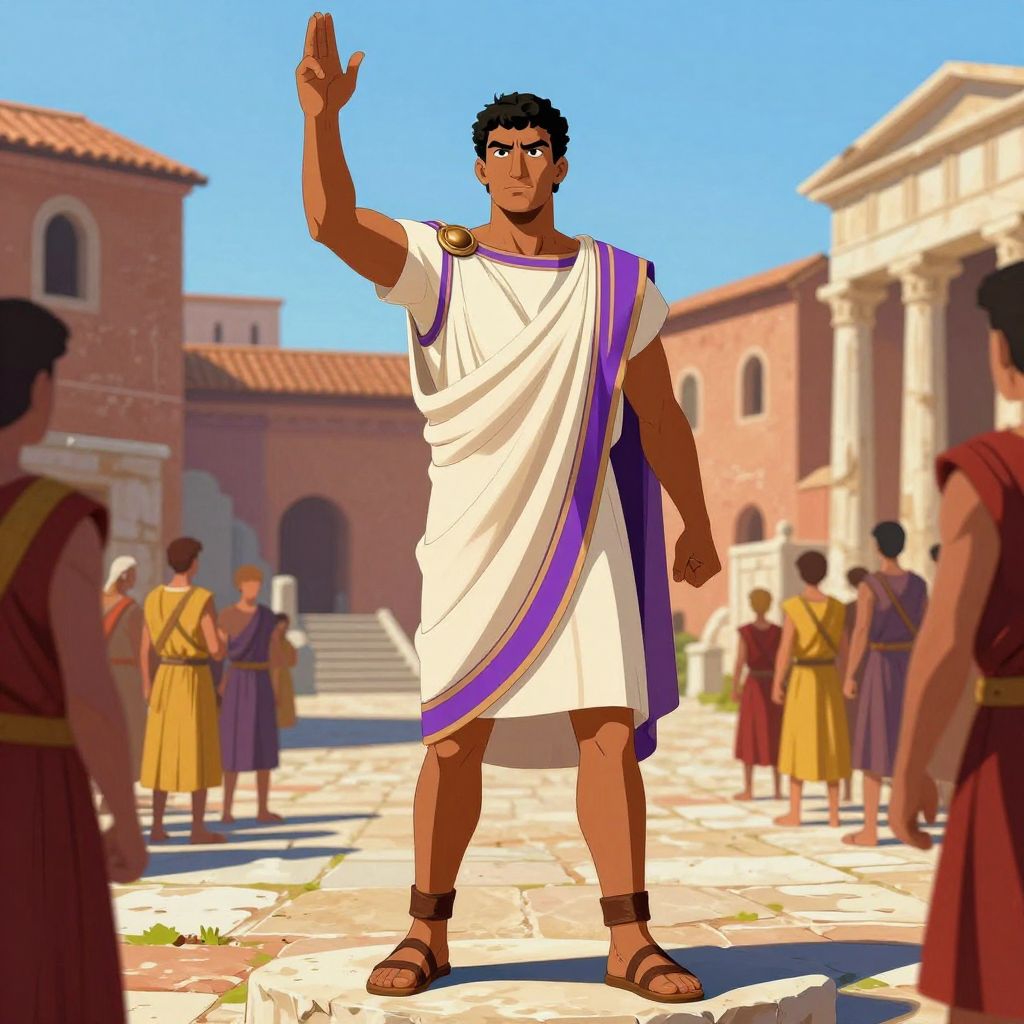
From 494 BCE, when the plebeians first won the right to elect tribunes, to 133 BCE, that protection held. Senators hated tribunes. Consuls resented their interference. Armies chafed under their vetoes. None of it mattered. The religious sanction was too powerful, the tradition too old.
On a summer day in 133 BCE, that tradition shattered. Three hundred senators, led by Rome's chief priest, beat a sitting tribune to death with furniture. They killed three hundred of his supporters alongside him. They threw the bodies into the Tiber like refuse.
The tribune's name was Tiberius Sempronius Gracchus. His crime was trying to give public land to the soldiers who had earned it.
The road from Spain
Tiberius Gracchus came home from Spain with questions that would cost him his life.
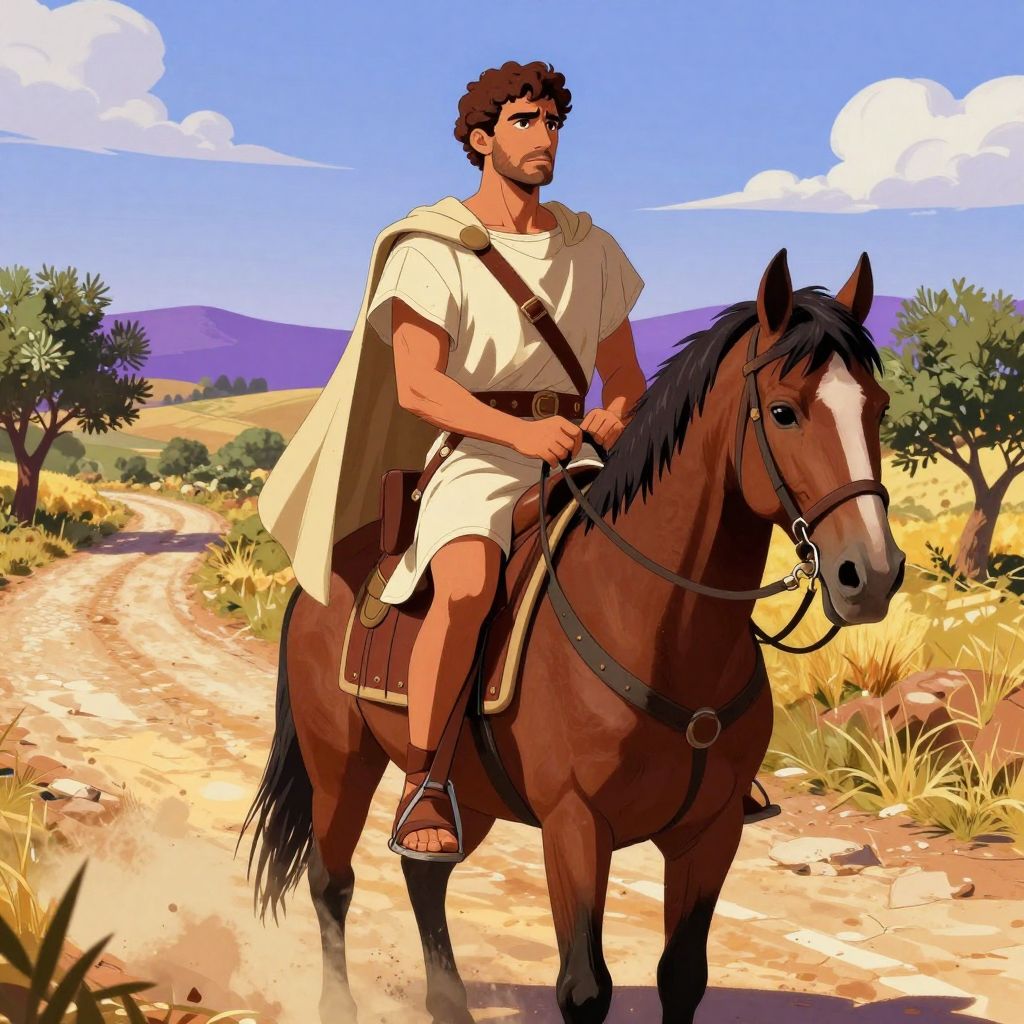
He was in his early thirties, son of one of Rome's most respected families. His father, also named Tiberius Gracchus, had been a successful general and twice consul. His mother Cornelia was the daughter of Scipio Africanus, the man who defeated Hannibal at Zama. By Roman standards, Tiberius had impeccable credentials.
In 137 BCE, he had served as quaestor under the consul Gaius Hostilius Mancinus during the disastrous siege of Numantia. The Celtiberian city of Numantia had trapped an entire Roman army. Twenty thousand soldiers faced starvation. Someone needed to negotiate their survival.
Tiberius stepped forward. His family name still commanded respect among the Numantines, who remembered his father as an honorable man who kept his treaties. Tiberius negotiated the army's release. Every soldier walked free.
The Senate thanked him by pretending he did not exist.
They rejected the treaty as humiliating to Roman honor. They stripped Tiberius of any credit for saving twenty thousand lives. To cleanse Rome's reputation, they delivered the consul to Numantia naked and in chains. The Numantines refused to accept the gesture. They found it absurd.
Tiberius returned to Rome in disgrace. No command awaited him. No political advancement. Just time to think about what Rome had become.
What victory had cost
The road home took Tiberius through the Italian countryside. What he saw there changed him.
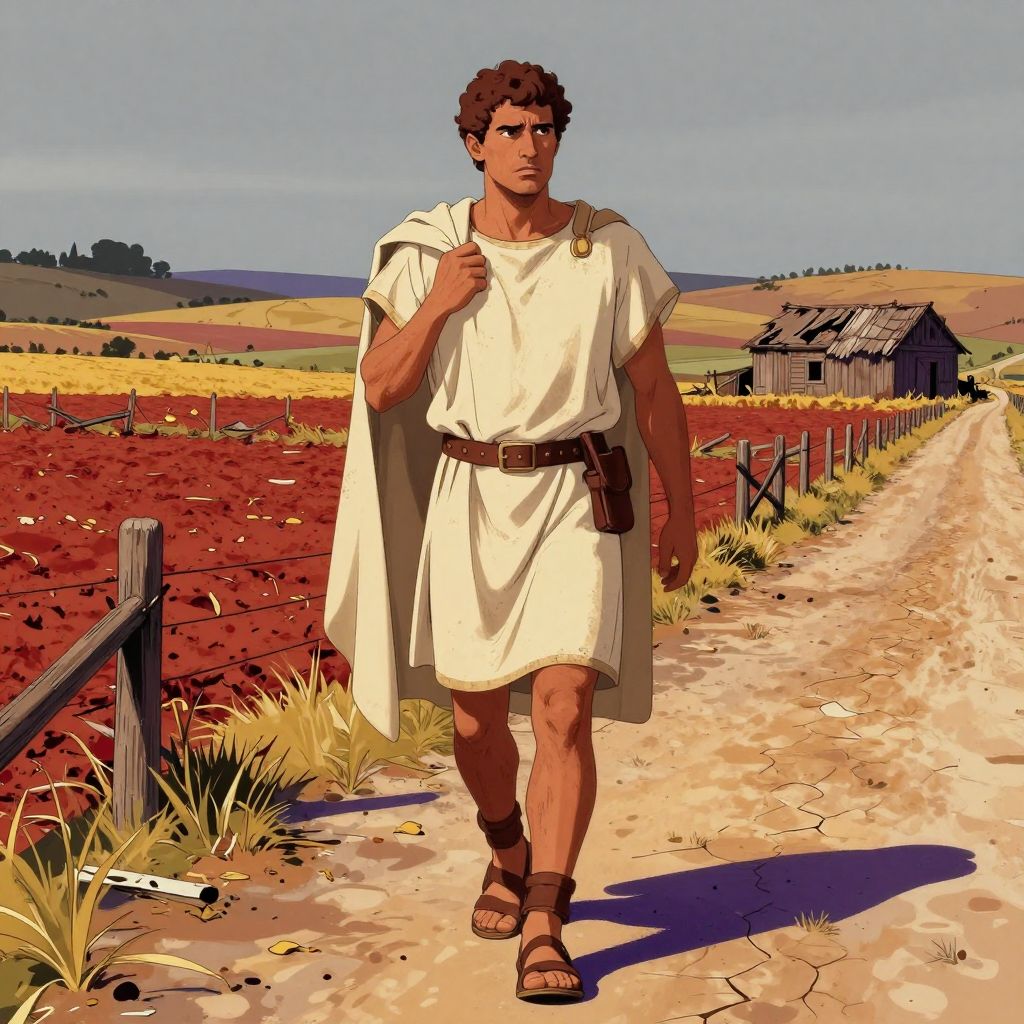
The small farms that had once dotted the landscape were vanishing. Rome's victories had flooded Italy with slaves, making large-scale agriculture suddenly profitable. Wealthy senators bought up land from struggling farmers, or simply occupied public land that legally belonged to the Roman people. Where families had once worked their own plots, now slave gangs labored on vast estates.
The soldiers who had conquered Rome's empire had nothing to show for it. A legionary might spend years fighting in Spain or Africa. When he returned, he often found his farm absorbed into a neighbor's holdings, his family destitute, his place in Roman society erased. The men who won Rome's wars could not afford to live in the Italy their blood had purchased.
By the mid-second century BCE, perhaps a third of Italy's population were slaves. In some regions, the ratio was higher. The citizen soldiers who had built Rome's power were being replaced by people who had no vote, no stake in Rome's future, no reason to care whether the Republic survived.
Tiberius saw the problem. He would later articulate it in words that echoed through Roman history.
"Nothing but air and light"
When Tiberius announced his candidacy for tribune of the plebs in 134 BCE, he came with a diagnosis and a cure.
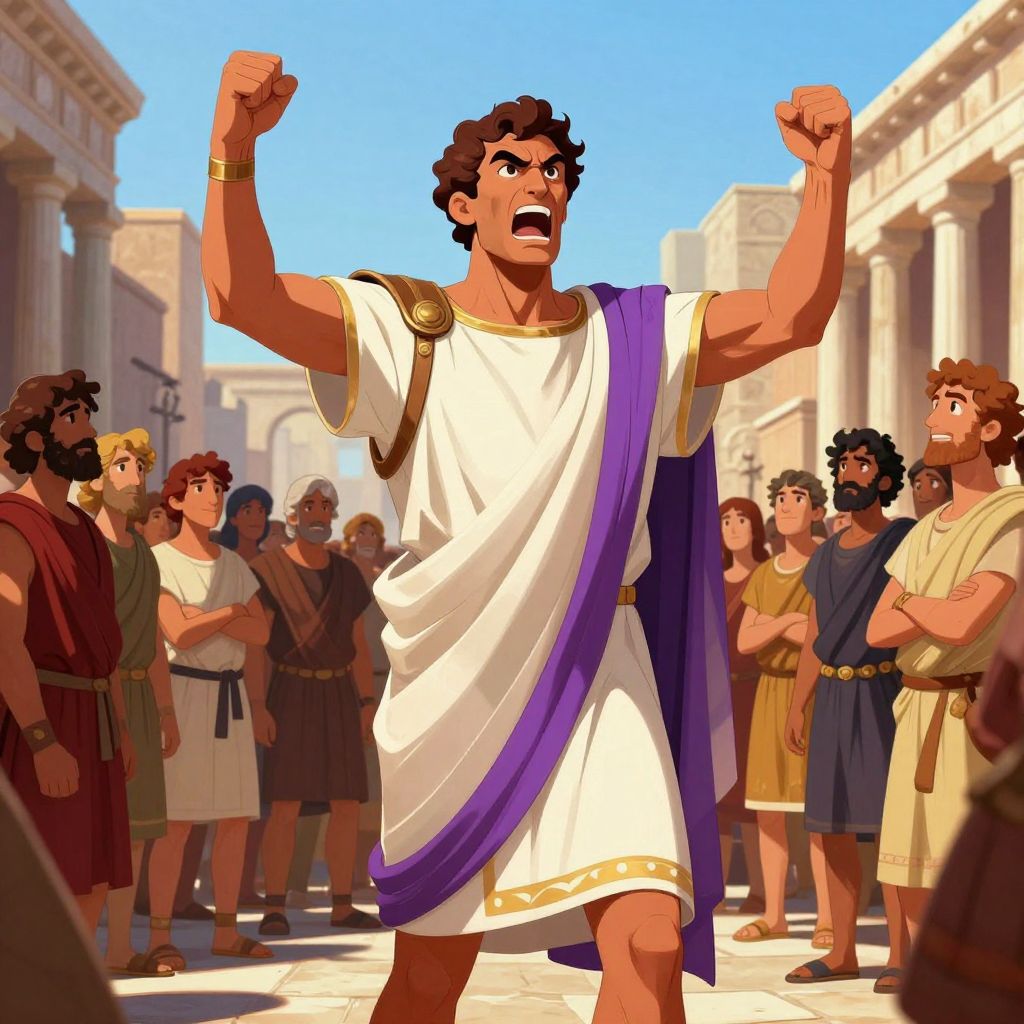
His speeches drew crowds. He spoke of what he had witnessed: empty farms, displaced citizens, soldiers with no future. He framed the crisis in terms that common Romans could feel in their bones.
The wild beasts of Italy had their dens, he told them. Even animals had somewhere to rest, somewhere to raise their young. But the men who fought and died for Rome had nothing. They wandered homeless, carrying their families from place to place. Generals called them masters of the world while they fought, but they owned not a single clod of earth to call their own.
This wasn't radical by Republican standards. Roman law had long limited how much public land any individual could hold. The problem was that no one enforced those limits. Senators who controlled the courts had little interest in prosecuting senators who controlled the land.
Tiberius proposed the lex Sempronia agraria. The law would enforce existing limits on public land holdings. Anyone holding more than 500 iugera of public land (roughly 300 acres) would have to give up the surplus. That land would be redistributed to landless citizens, particularly veterans, in small plots.
A commission of three men would oversee the redistribution. They would survey holdings, identify surplus land, and allocate plots to eligible citizens. The process would be gradual and legal.
The Senate was furious.
The senatorial response
To understand the senators' rage, you have to understand what Tiberius was threatening.
Roman politics ran on patronage, and land was the foundation. Senators did not simply own property; they controlled the livelihoods of thousands of tenant farmers, sharecroppers, and dependents. A senator's political influence rested on the number of clients who owed him favors, and land was the ultimate favor to grant or withhold.
Tiberius's law threatened to break that system. If veterans received land directly from the state, they would owe their loyalty to the state, not to individual patrons. The entire structure of senatorial power rested on a foundation that land reform would undermine.
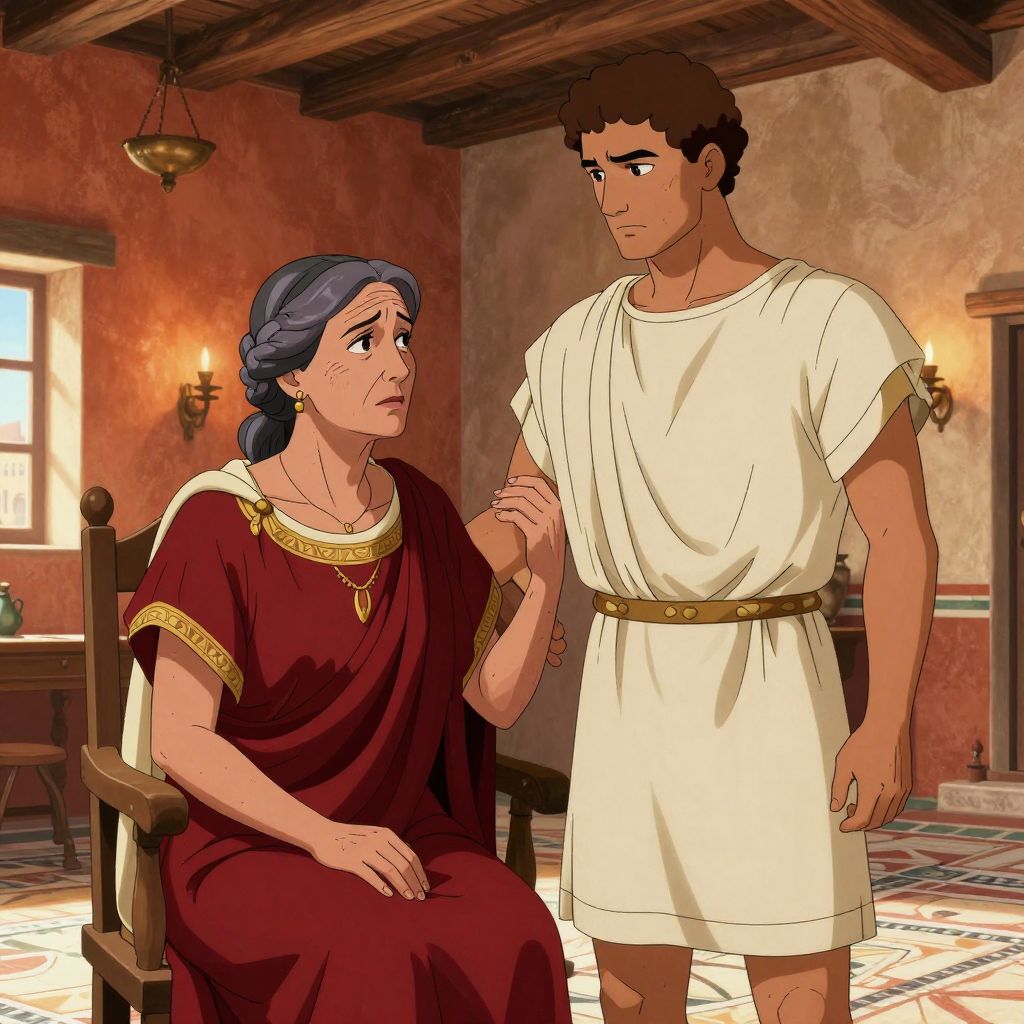
The senators found a weapon: another tribune named Marcus Octavius. Under Roman law, any tribune could veto any legislation. Octavius was a landowner himself, with property that would be affected by the reform. He announced he would veto the land law.
Tiberius tried persuasion. He tried compromise. He reportedly offered to compensate Octavius personally for any losses. Nothing worked. Octavius would not yield.
So Tiberius did something unprecedented. He called a vote to remove Octavius from office.
Breaking the rules
No tribune had ever been deposed before. The entire theory of tribunician sacrosanctity rested on the idea that the office was inviolable. What Tiberius proposed struck at the foundations of Roman constitutional practice.
He justified it with an argument that sounded reasonable but carried dangerous implications. A tribune, he said, was supposed to represent the people. A tribune who acted against the people's interests had forfeited his claim to the office. The people who granted the power could withdraw it.
The assembly voted. Octavius was stripped of his tribunate. The land law passed.
Tiberius had won. But he had also shown that constitutional protections could be overridden when popular will demanded it. If a tribune could be deposed for blocking legislation, no office was truly safe. The rules that had governed Roman politics for centuries suddenly looked negotiable.
His enemies accused him of wanting to be king.
In Rome, that was not hyperbole. That was a death sentence. The city's founding mythology centered on the expulsion of the Tarquin kings. Romans told themselves that they had traded monarchy for freedom and would kill any man who threatened to bring tyranny back. The accusation of seeking kingship was the most dangerous charge a Roman politician could face.
Tiberius pressed forward anyway. The land commission began its work. Veterans received plots. The displacement of Italian farmers started to reverse.
Then Tiberius made another decision that sealed his fate. He announced he would run for a second consecutive term as tribune.
The last campaign
Roman law did not explicitly prohibit consecutive tribunates, but tradition strongly discouraged them. The principle of annual magistracies, with gaps between terms, was supposed to prevent any individual from accumulating too much power. A tribune who held office year after year could build the kind of following that threatened the Republic's balance.
Tiberius had his reasons. The land commission needed protection. Without a friendly tribune, his enemies could undo everything he had built. His supporters urged him to seek reelection. His enemies saw the decision as proof of their worst fears.
Summer arrived. The election approached. Tiberius's opponents whispered that he was planning to make himself tyrant.
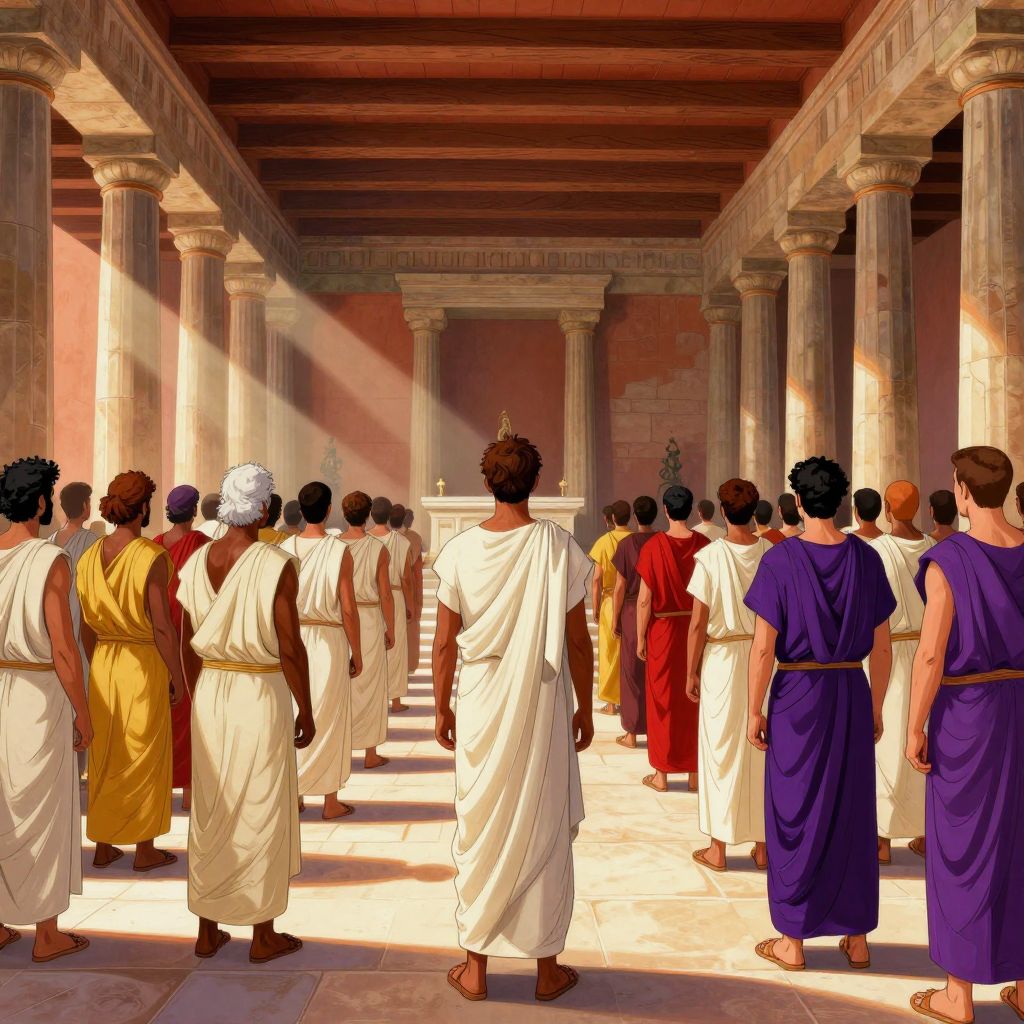
On election day, the Senate convened at the Temple of Fides on the Capitoline Hill. The temple was dedicated to the goddess of good faith, of keeping promises, of honoring oaths. The irony of what followed would not have been lost on anyone present.
Scipio Nasica, the Pontifex Maximus and Rome's chief priest, stood up. He demanded that the consul act against Tiberius. The consul, a moderate named Publius Mucius Scaevola, refused. He would not initiate violence against citizens without a trial.
Nasica's response became famous. He pulled his toga over his head in the ritual gesture of a priest preparing for sacrifice.
"Let those who love the Republic follow me," he declared.
The murder
Three hundred senators followed him down the Capitoline Hill.
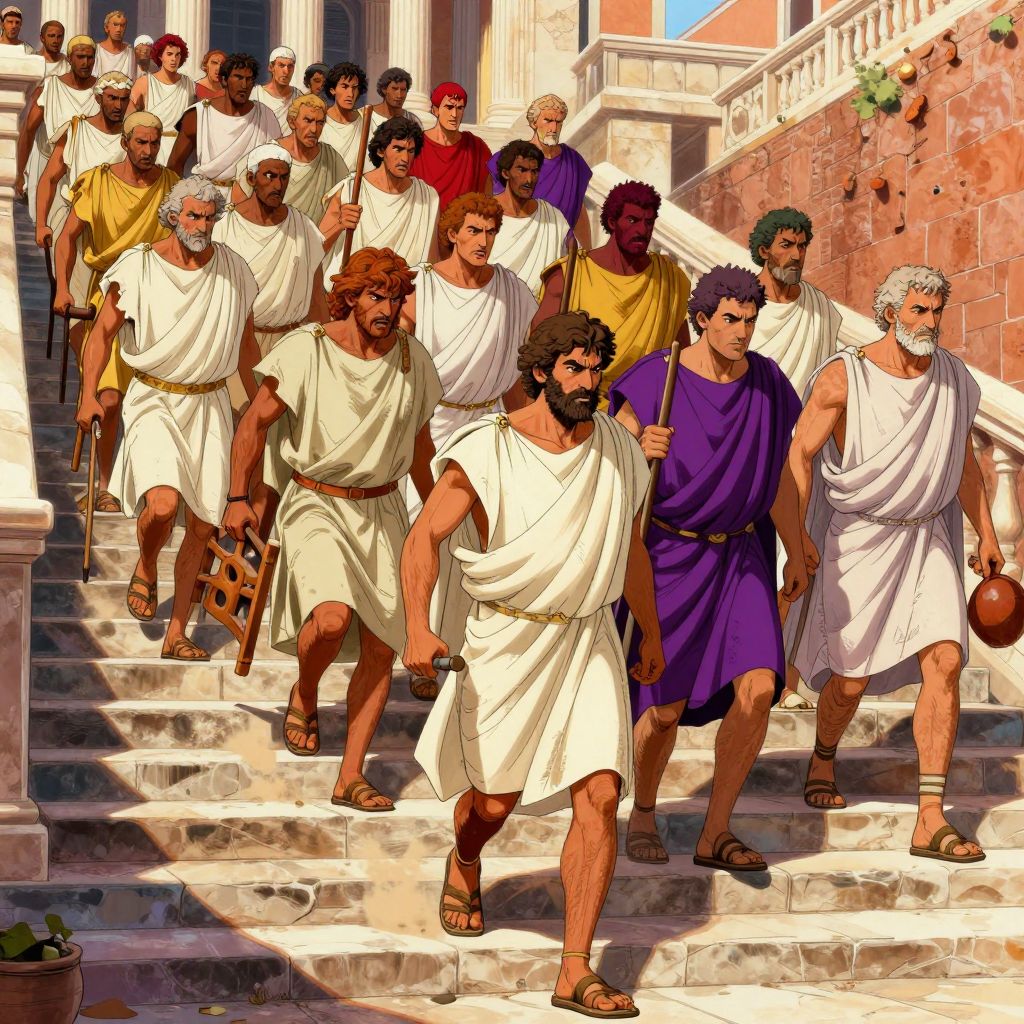
They did not carry swords. Swords were forbidden within the pomerium, the sacred boundary of the city. Instead, they grabbed whatever they could find: chair legs from the benches of the temple, fragments of broken furniture, stones torn from the pavement. Improvised clubs for improvised justice.
They found Tiberius in the assembly, surrounded by his supporters. He was seeking reelection as tribune, exercising his right as a Roman citizen to stand for office. Around him, citizens had gathered to cast their votes.
The first blow came from one of his fellow tribunes, a man named Publius Satureius. He struck Tiberius with a chair leg. Others rushed forward.
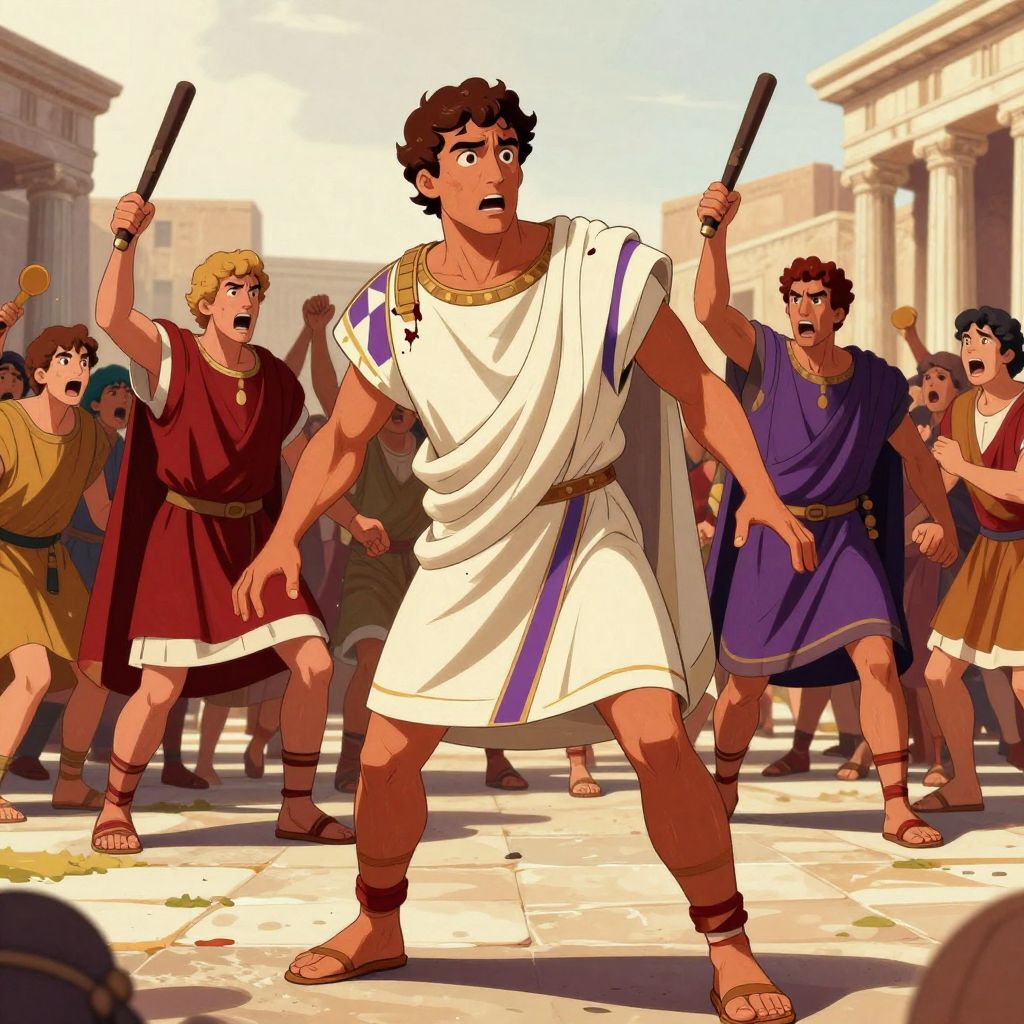
Tiberius stumbled. Turned. And saw them: senators he had dined with, men he had trusted, colleagues in government, coming at him with clubs raised. He understood, in that moment, exactly what was happening.
They beat him to death on sacred ground.
Three hundred of his supporters died with him. The assembly had no weapons. They had come to vote, not to fight. They fell beneath the clubs and stones of men who had served with them in the Senate, attended the same religious ceremonies, shared the same theaters and banquet halls.
When it was over, the bodies were thrown into the Tiber. No funeral rites. No mourning. No acknowledgment that Roman citizens had been murdered by Roman magistrates on the floor of the Roman assembly.
The broken peace
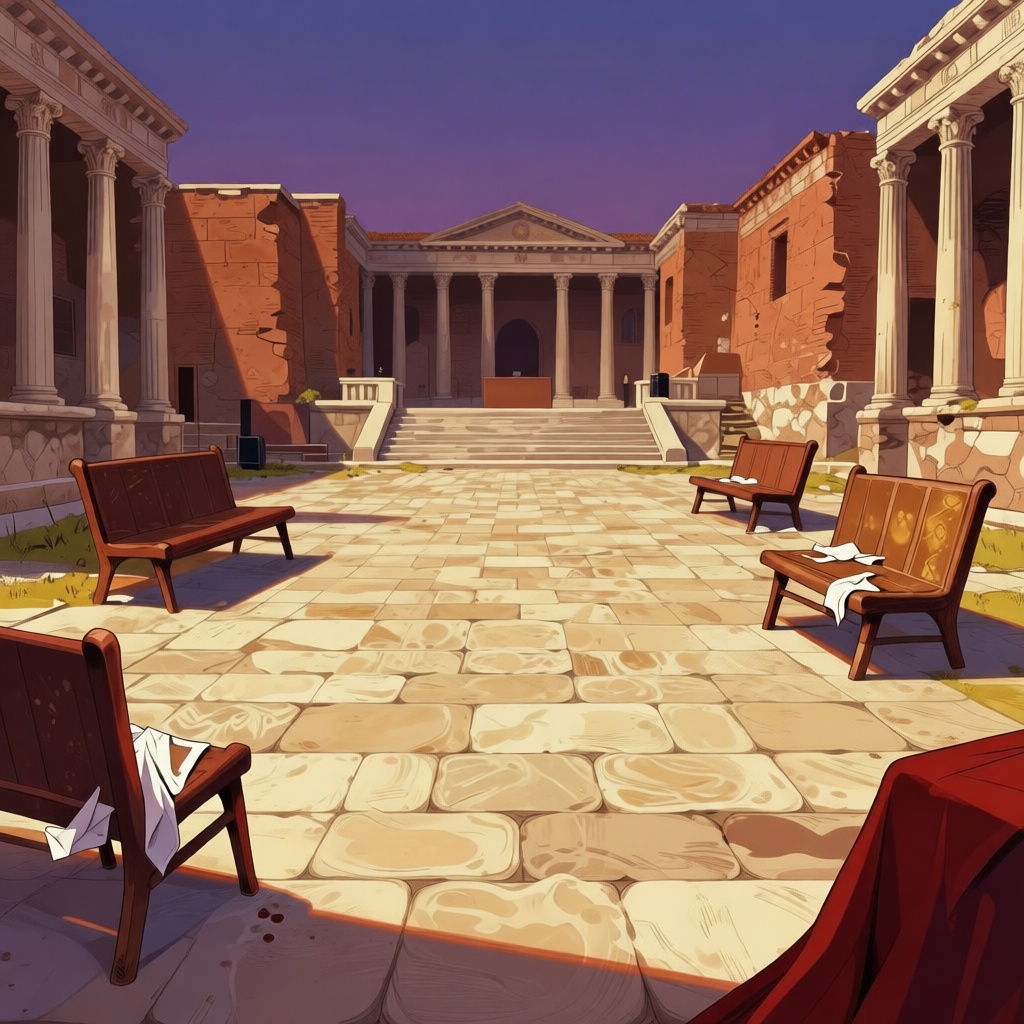
In over three and a half centuries of the Roman Republic, no political dispute had ended in mass killing. Romans had argued and schemed and vetoed and obstructed each other for generations. They had never before picked up furniture and beaten their opponents to death.
The taboo was absolute until it was broken. Then it was simply gone.
The Senate justified the killing as self-defense. Tiberius had been seeking tyranny, they said. He had violated constitutional norms. He had made himself a threat to the Republic. What choice did they have but to stop him?
No prosecutions followed. The men who committed the murders held their offices, kept their property, continued their political careers. Scipio Nasica was eventually sent abroad on a diplomatic mission, less as punishment than as a way to let the controversy fade.
The lesson was clear. If you threatened senatorial interests, the Senate would kill you. The constitutional protections that supposedly governed Roman political life were meaningless when one side was willing to use violence and the other was not.
The mother who lost everything
Cornelia received the news at her home in Rome. Her son was dead. Her son's body had been thrown in the river. Her son's murderers would face no consequences.
She had already buried nine of her twelve children. In an age of devastating infant mortality, she had watched child after child die. Only three survived to adulthood: Tiberius, his younger brother Gaius, and their sister Sempronia.
Now there were two.
Cornelia was the daughter of Scipio Africanus, the man who saved Rome from Hannibal. She had been raised in the tradition of public service, of sacrifice for the Republic. She had turned down a proposal from the king of Ptolemaic Egypt because she had children to raise, duties to fulfill.
She had raised Tiberius on stories of glory and duty. She had taught him that a Roman's obligation was to serve the state, to use his privileges for the common good. She had told him that his family name carried responsibilities.
Rome thanked her by murdering her son.
She never spoke publicly against the Senate. She maintained her dignity, her social position, her reputation as one of Rome's most admired women. But everyone knew what had been done to her family. Everyone understood the price of reform.
What Tiberius left behind
The land commission continued its work after Tiberius's death. His father-in-law Appius Claudius Pulcher and his brother Gaius took over its administration. Veterans received plots. The immediate goals of the reform were partially achieved.
But the larger wound never healed.
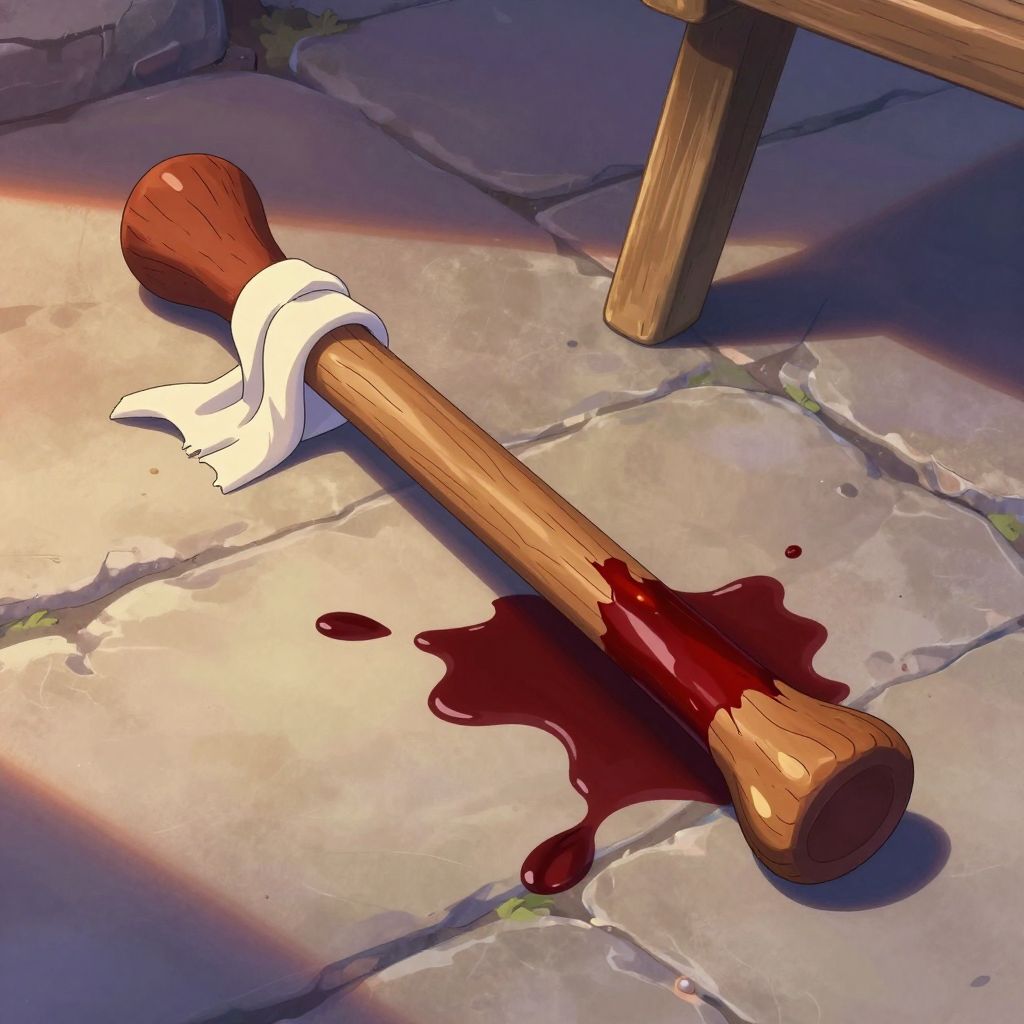
The Senate had shown that it would kill rather than compromise. Future politicians drew the obvious conclusion. If you wanted to reform Rome, you needed protection. If the Senate would use violence, you needed the capacity for violence yourself.
A generation later, Gaius Marius would understand this. He would not come to Rome with speeches and legislation. He would come with an army. The soldiers of his reformed legions would be loyal to him personally, not to the state that had failed their predecessors.
After Marius came Sulla, who marched those same legions on Rome itself. After Sulla came Pompey and Caesar, whose rivalry tore the Republic apart. After Caesar came Octavian, who became Augustus, who became emperor.
The Republic that Tiberius had tried to save died in 27 BCE when Augustus took absolute power. But its death sentence had been written decades earlier, on a summer afternoon, when three hundred senators proved that Roman law meant nothing if you were willing to kill.
The younger brother
Tiberius had a brother. Gaius was far away in Spain when the news arrived, serving in the army, doing his duty for a state that had just murdered his sibling.
He was twenty-one years old.
He came home. He smiled at the senators who had cheered his brother's death. He attended dinners and ceremonies. He spoke politely to men who had blood on their hands.
He waited.
Ten years of that rage, burning quiet, never cooling. Then he ran for tribune himself. He would not make Tiberius's mistakes. He would not trust the Senate's good faith. He would push harder, faster, and further.
The Senate would invent new weapons to stop him. They would create something called the Senatus Consultum Ultimum, the "final decree," which allowed them to kill citizens without trial. They would use it on Gaius and three thousand of his followers.
Cornelia would bury her second son.
Legacy
Rome eventually built a statue to Cornelia, the mother who had lost both sons to senatorial violence. The inscription read simply: "Cornelia, Mother of the Gracchi." It was the first public statue of a Roman woman.
The irony was bitter. Rome honored the mother while condemning the sons. It celebrated her sacrifice while refusing to acknowledge what it had taken from her.
Tiberius Gracchus saw something broken and tried to fix it. Roman soldiers who conquered an empire had no land to show for their service. Roman citizens who worked the land were being replaced by slaves. The Republic that supposedly served all Romans was serving only the few hundred families who controlled the Senate.
He was killed for noticing.
His reforms survived in fragments. The land commission distributed plots until it was eventually dissolved. Some veterans got their farms. Some of the displacement reversed. But the fundamental problem remained unsolved.
The rich held the land. The poor held nothing. And the Senate had taught future generations that the way to handle political disagreement was with clubs and stones.
The Marian reforms, decades later, would open the legions to the landless poor that Tiberius had tried to help through land distribution. Marius's solution worked, but it created armies loyal to generals instead of to Rome. The civil wars that followed killed more Romans than Hannibal ever had.
Tiberius had tried to solve the crisis with laws. He discovered that laws mean nothing when one side is willing to kill and the other is not.
That lesson echoed through every generation that followed, until there was no Republic left to save.
Frequently Asked Questions
1What was the lex Sempronia agraria?
Tiberius Gracchus's land reform law of 133 BCE. It enforced existing limits on public land holdings, requiring anyone with more than 500 iugera (about 300 acres) of public land to give up the surplus. The recovered land would be redistributed in small plots to landless citizens, particularly military veterans.
2Why was killing a tribune such a significant act?
Tribunes were considered sacrosanct under Roman religious law. For over 350 years, no one had violated a tribune's person. The office carried divine protection, and harming a tribune was considered an offense against the gods. Tiberius's murder broke this taboo completely.
3What role did Numantia play in Tiberius's story?
In 137 BCE, Tiberius negotiated the release of 20,000 trapped Roman soldiers at Numantia. The Senate rejected the treaty and stripped him of credit, sending him home in disgrace. The experience, combined with what he saw traveling through Italy, pushed him toward reform.
4How many people died in the attack on Tiberius Gracchus?
Ancient sources report that approximately 300 of Tiberius's supporters were killed alongside him on election day in 133 BCE. The bodies were thrown into the Tiber River without funeral rites.
5Was Tiberius actually trying to become king?
This was the most dangerous accusation in Roman politics, but modern historians generally view it as propaganda. Tiberius sought reelection to protect his reforms, not to establish personal rule. However, his methods, particularly deposing a fellow tribune, did break constitutional precedent in ways that alarmed traditionalists.
6What happened to Tiberius's land reform after his death?
The land commission continued operating under his brother Gaius and brother-in-law Appius Claudius Pulcher. Some land was redistributed to veterans, but the program gradually lost momentum and was eventually dissolved. The underlying economic crisis that created landless citizens remained largely unsolved.
Experience the full story
Hear the tragedy of Tiberius Gracchus told by Lumo, the ancient witness who watched Rome learn that violence works.


Listen to Related Stories
The Tribune's Last Day
4 minIn nearly four centuries, no one had dared harm a tribune. That ended in 133 BCE.

Listen to the Full Story
Experience history through immersive audio lessons narrated by Lumo, your immortal wolf guide.