The News from Spain
The messenger found him in Spain, serving with the Roman army as a young officer doing his duty for the Republic. Gaius Gracchus was twenty-one years old. He'd spent the past year proving himself in military service, earning respect from soldiers and commanders alike. He had a promising career ahead of him — the same path his older brother Tiberius had walked before entering politics.
The message was brief. His brother was dead. Beaten to death on the steps of the Capitoline Hill by a mob of senators wielding chair legs and clubs. His body had been thrown into the Tiber like refuse. Three hundred of his supporters had been murdered alongside him. No trials. No charges. Just violence dressed up as civic duty.
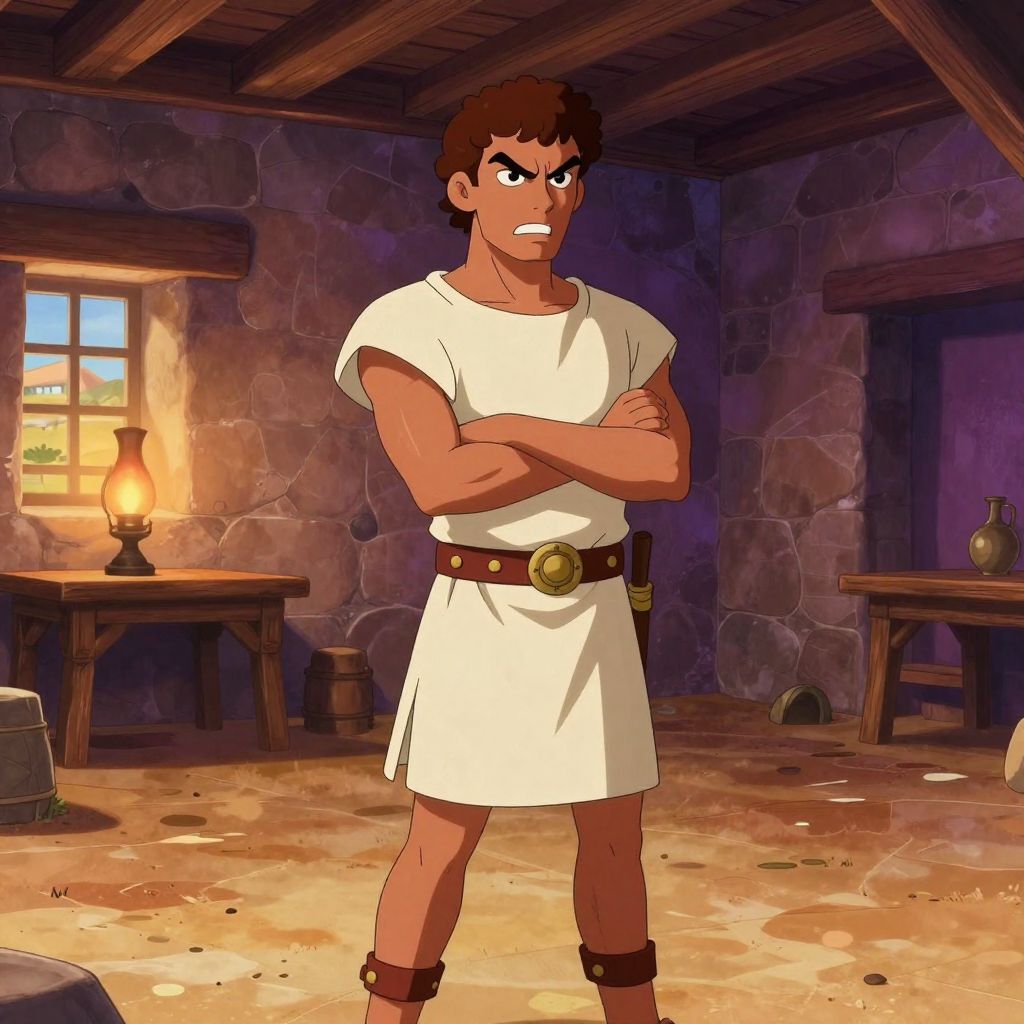
Gaius came home. He smiled at the senators who had cheered his brother's murder. He attended dinners and ceremonies. He spoke politely to men who had blood on their hands. He waited.
Ten years he carried that rage. Burning quiet. Never cooling. Never forgetting a single face.
The Family That Made Rome
To understand Gaius, you have to understand what he came from.
His mother was Cornelia, daughter of Scipio Africanus — the general who had defeated Hannibal and saved Rome from Carthage. She was one of the most respected women in the Mediterranean world, so admired that the king of Egypt proposed marriage. She turned him down. She had her children to raise.
She had borne twelve. Nine died in infancy, a catastrophe common in the ancient world but no less devastating for it. Two sons survived: Tiberius and Gaius. One daughter, Sempronia, married into the powerful Scipio family.
Cornelia gave her surviving sons the finest education Rome could offer. Tutors from Greece. Training in rhetoric, philosophy, law. She taught them that their family had an obligation — not just to maintain their status, but to serve the Republic that their grandfather had saved.
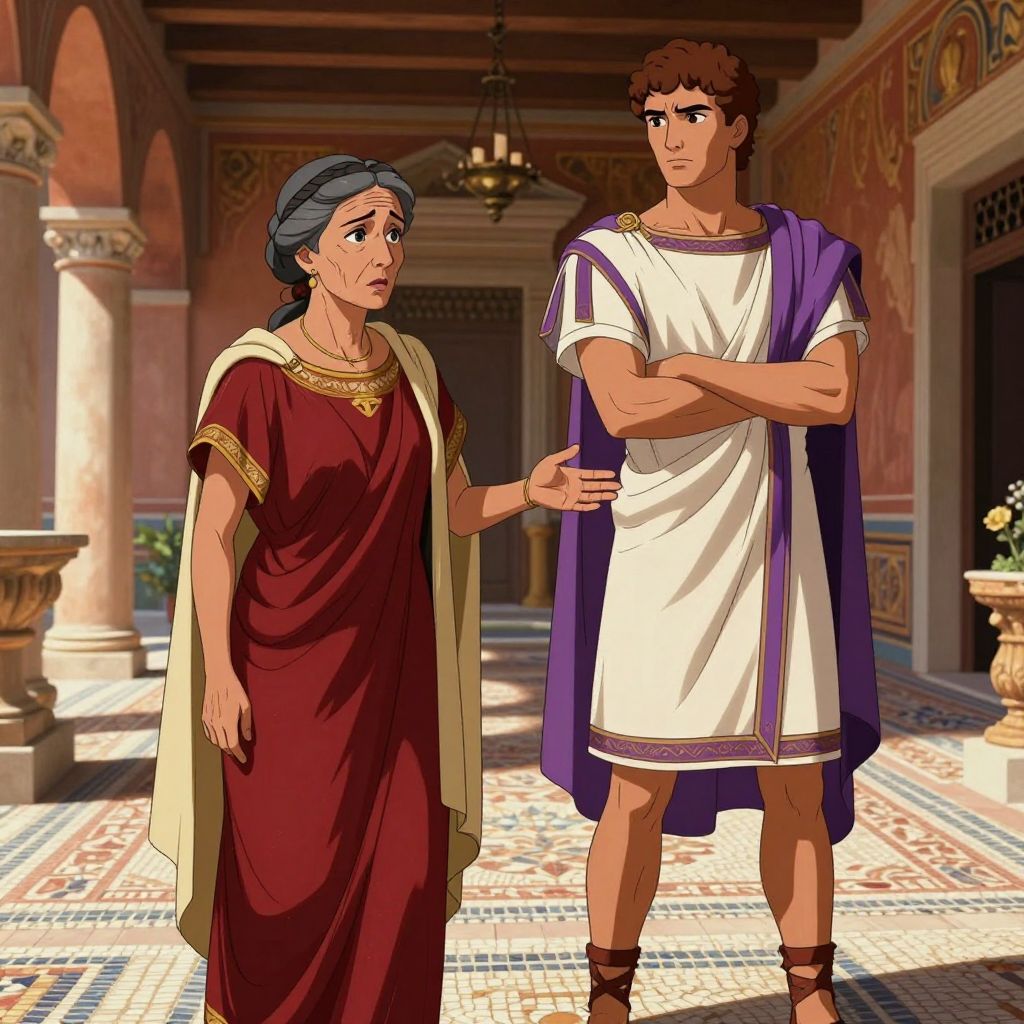
When visitors asked to see her jewelry, Cornelia famously gestured to her sons: "These are my jewels." The story became legend. The woman who had rejected a king's crown found her treasure in her boys.
Now one jewel was gone. Smashed against Roman marble by Roman hands.
The Crime That Haunted Rome
Tiberius Gracchus had been tribune of the plebs in 133 BCE. He had proposed a land reform bill to redistribute public land that wealthy senators had illegally occupied. The poor were starving. Roman soldiers who had conquered an empire had no farms to return to. Meanwhile, senators ran massive estates worked by slaves.
Tiberius's law was simple: enforce the existing limits on public land holdings. Redistribute the surplus to landless citizens. Give Roman soldiers something to fight for besides the glory of men who already had everything.
The Senate declared him a tyrant for it. Not in formal proceedings — they had no legal grounds. Instead, a mob led by Scipio Nasica, a senator and pontifex maximus, stormed the assembly where Tiberius was speaking. They beat him to death with furniture. They murdered his supporters. They threw the bodies into the river.
No one was prosecuted. The Senate called it self-defense of the Republic.
Gaius watched all of it from Spain. He noted every name. He remembered every excuse.
The Campaign
In 123 BCE, a decade after his brother's murder, Gaius announced his candidacy for tribune of the plebs.
Cornelia begged him not to do it. She had already lost nine children to the ordinary cruelties of the ancient world. She had watched her eldest son murdered by the state he had tried to serve. Now her last surviving son wanted to walk into the same slaughter.
Gaius told her the choice was between being a coward or being the brother of an unavenged man. Cornelia, who had raised her boys to serve Rome, had no answer to that.
He won by a landslide.
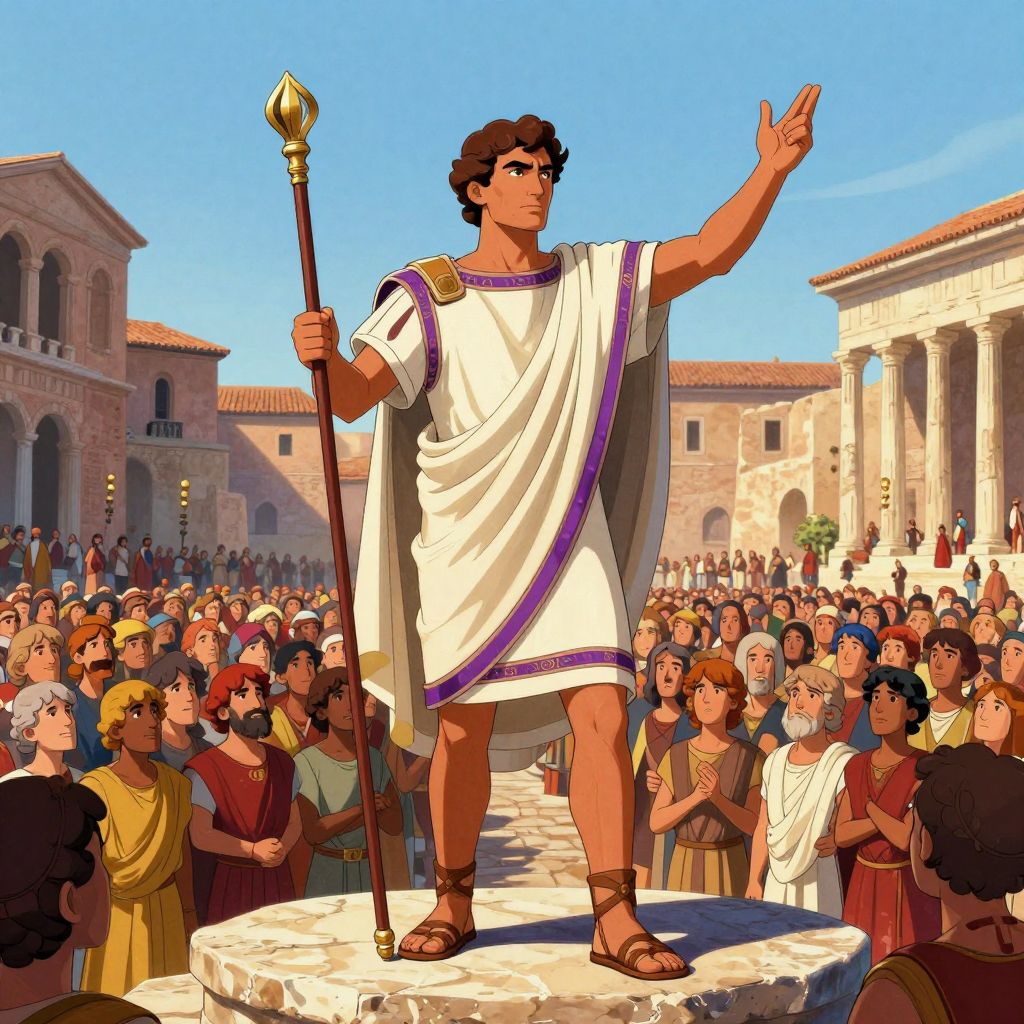
Then he won again in 122 BCE — consecutive terms that were almost unprecedented. The people loved him. They remembered his brother. They remembered what the Senate had done.
And they were hungry. Literally hungry. Rome had grown too fast. The city's population had exploded while its food supply remained precarious. Grain prices rose and fell with wars and harvests, and when they rose too high, the poor simply starved.
Gaius had an answer to that. He had answers to everything.
The Reforms That Terrified the Senate
Tiberius had focused on land redistribution. Gaius went further. He didn't just want to feed the poor — he wanted to break the Senate's grip on Roman political life.
His legislative program was the most ambitious in Roman history:
The Grain Law (Lex Frumentaria): The state would sell grain to citizens at a fixed, subsidized price. No more starvation during price spikes. No more depending on the charity of wealthy patrons. The people would eat because the law guaranteed it.
The Judiciary Law (Lex Iudiciaria): Senators had controlled the jury courts that tried provincial governors for corruption. Unsurprisingly, corrupt governors were almost never convicted — their jury was made up of men who planned to govern provinces themselves. Gaius transferred jury duty to the equestrians, the wealthy non-senatorial class. Suddenly, corrupt senators would face judgment from men who had no reason to protect them.
Road Construction: Gaius initiated a massive infrastructure program, building roads throughout Italy. This provided employment for the poor and improved military logistics, but it also created a network of clients loyal to Gaius himself.
Colonial Expansion: He proposed founding colonies throughout Italy and even on the site of Carthage (destroyed by Rome in 146 BCE). Landless citizens would receive plots. Roman power would spread. The poor would have somewhere to go.
Italian Citizenship: Perhaps most radically, Gaius proposed extending Roman citizenship to Latin allies and Latin rights to other Italian allies. The Italian allies had fought Rome's wars and paid Rome's taxes, but they couldn't vote and held no political rights. Gaius wanted to change that.
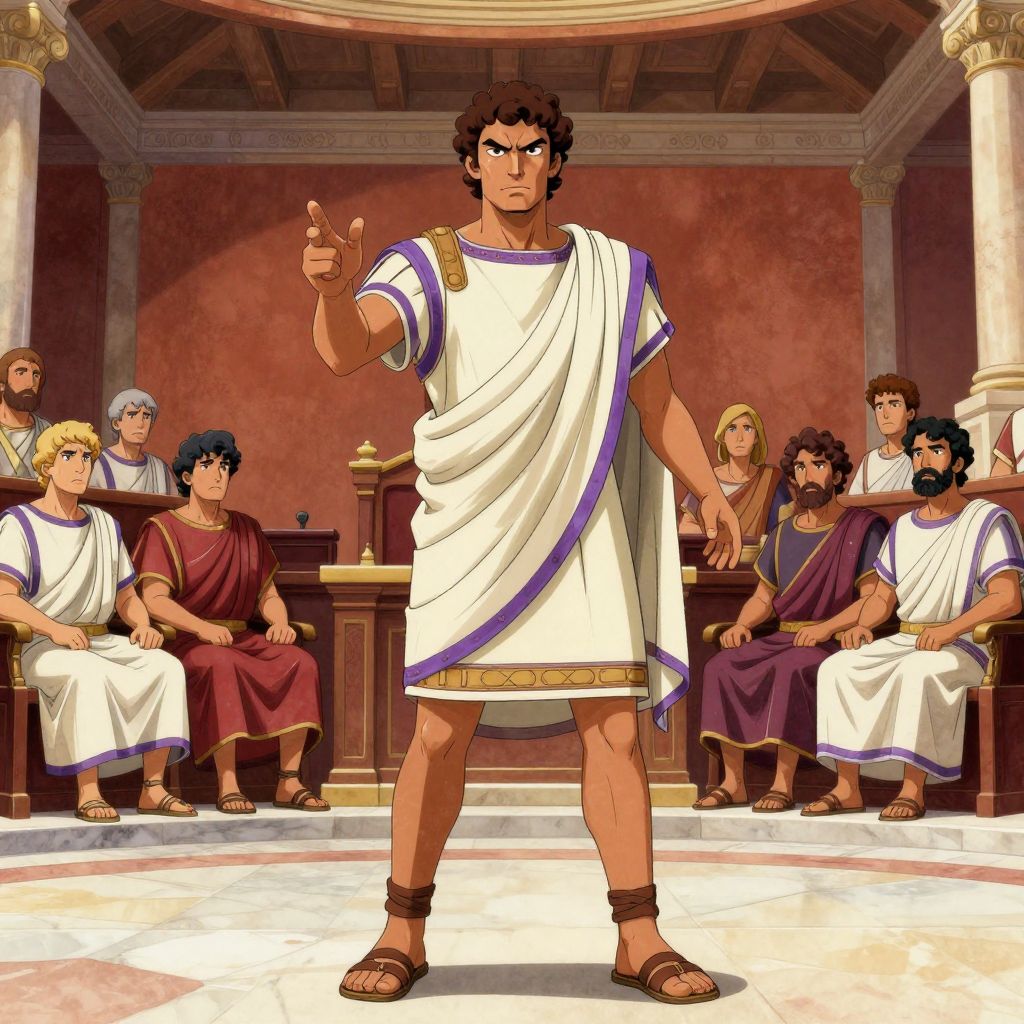
Each reform cut at senatorial power. The grain law reduced the people's dependence on aristocratic patrons. The judiciary law destroyed the Senate's ability to protect its own from corruption charges. The colonial and citizenship laws threatened to dilute senatorial influence over the growing Roman state.
The Senate couldn't attack him directly. He was too popular, his programs too beneficial to too many people. So they found another way.
The Senate's Weapon: Livius Drusus
If you can't beat a demagogue with arguments, outbid him with lies.
The Senate found Marcus Livius Drusus, another tribune, and funded his counter-campaign. Drusus promised everything Gaius promised, but more. More land. More colonies. More grain. Things Rome's treasury couldn't possibly deliver.
He proposed twelve colonies to Gaius's two. He promised to exempt the new colonists from rent payments that Gaius's legislation required. He offered the appearance of generosity without any of the hard work of actual governance.
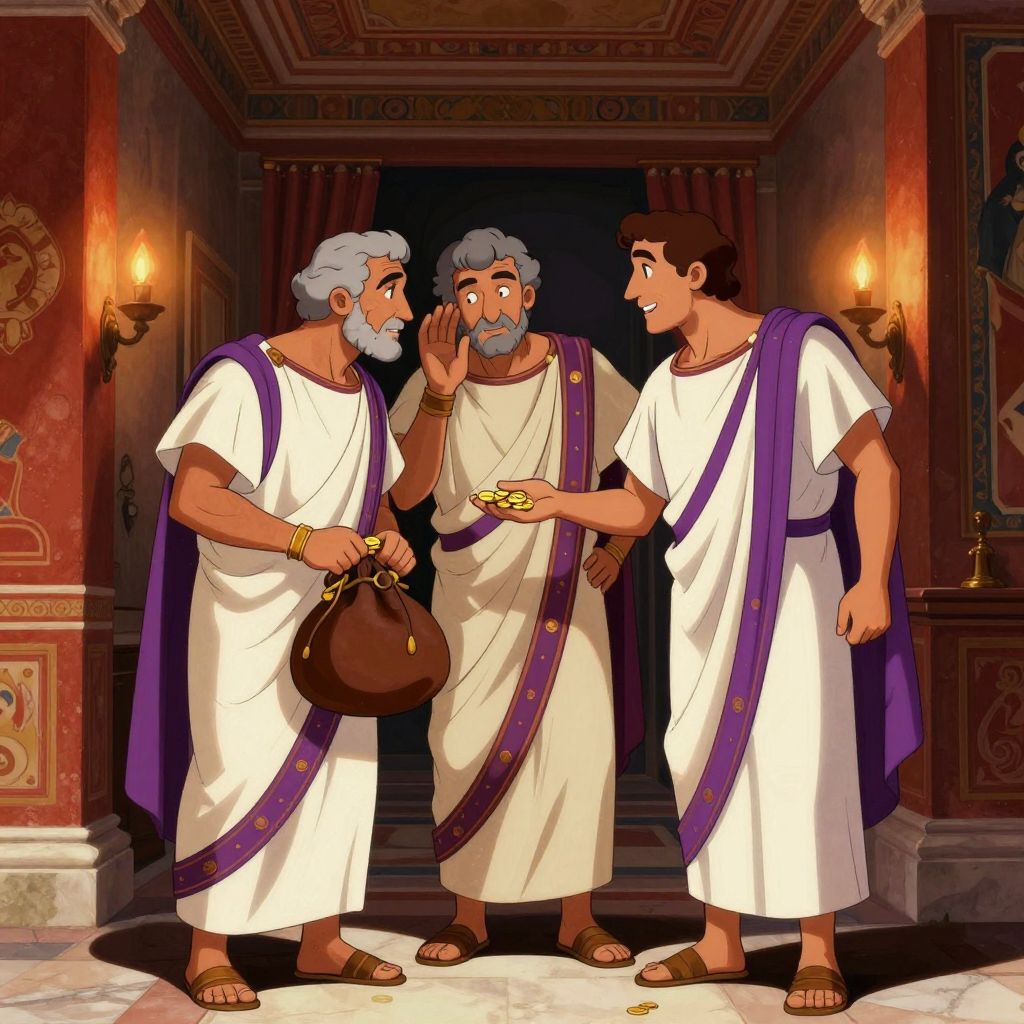
The strategy worked. Drusus didn't have to deliver on his promises — he just had to make Gaius look stingy by comparison. The Roman people, desperate for relief, chose the bigger numbers.

In 121 BCE, Gaius failed to win a third term as tribune. The magic was broken. The invincible reformer had been outmaneuvered.
Now he was vulnerable.
The Final Decree
With Gaius no longer protected by tribunician sacrosanctity, the Senate moved against him.
A new consul, Lucius Opimius, was openly hostile to the Gracchan faction. When a minor altercation broke out at a public meeting — one of Opimius's attendants was killed, apparently by Gracchan supporters — the Senate saw its opportunity.
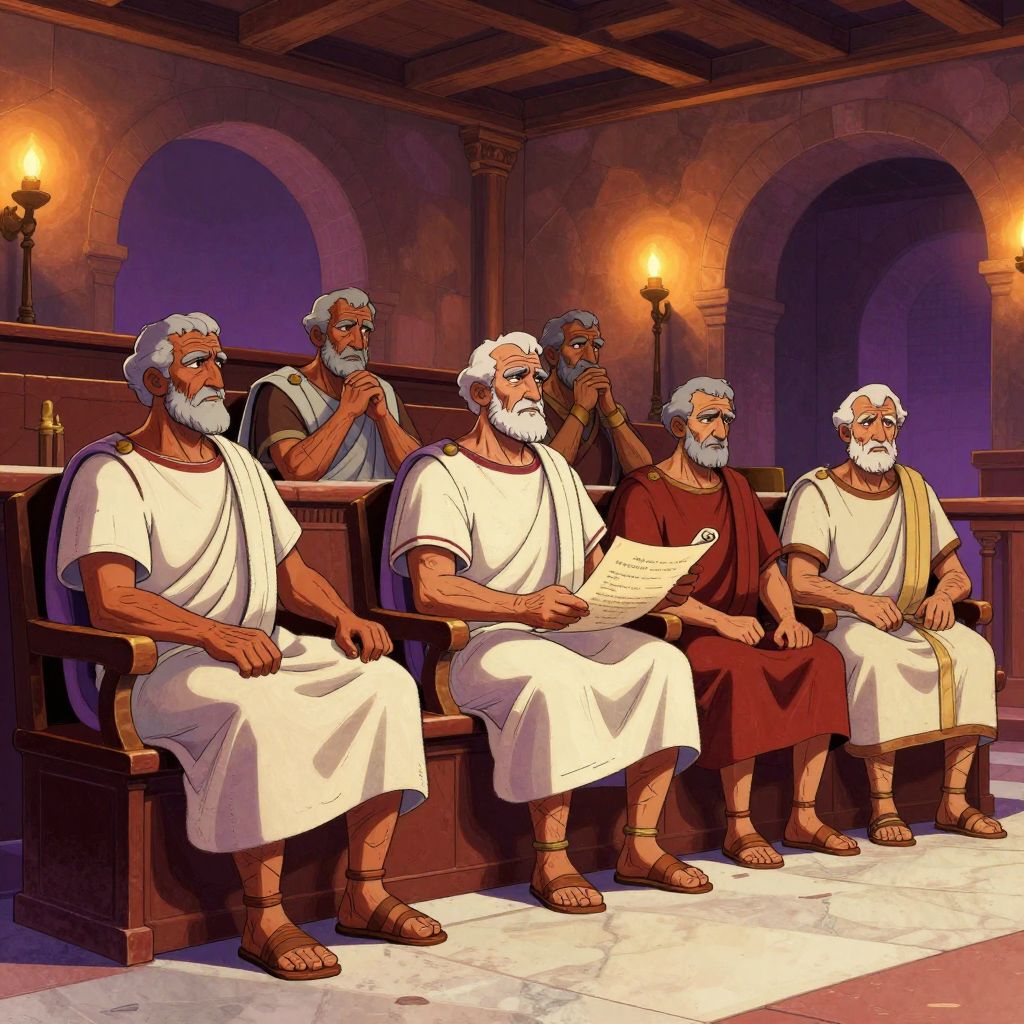
They passed something unprecedented: the Senatus Consultum Ultimum. The "final decree." It declared Gaius and his supporters enemies of the state and authorized the consul to take any action necessary to defend the Republic.

The implications were extraordinary. This wasn't a trial. There were no charges, no evidence, no defense. The Senate simply declared that certain citizens had no rights and could be killed on sight. They'd never done this before. They would do it many times after.
The decree gave legal cover to what was essentially martial law. Opimius gathered armed supporters — including Cretan archers, foreign mercenaries — and marched against Roman citizens in the streets of Rome.
The Aventine
Gaius and his supporters retreated to the Aventine Hill, the traditional refuge of the plebeians in times of crisis. Centuries earlier, during the Struggle of the Orders, the plebeians had withdrawn to this hill to force the patricians to grant them political rights. Gaius hoped the symbolism might protect him.
It didn't.
His wife clung to him that morning. She knew, as he knew, what was coming. Gaius had no army, no realistic means of defense. He had a few hundred loyal supporters against the full might of the Roman state.
He could have fled. He could have gone into exile, waited for the political winds to shift, returned when he had more allies. Many Romans in his position had done exactly that.
Gaius chose to stay. He chose to die rather than abandon the cause his brother had died for.
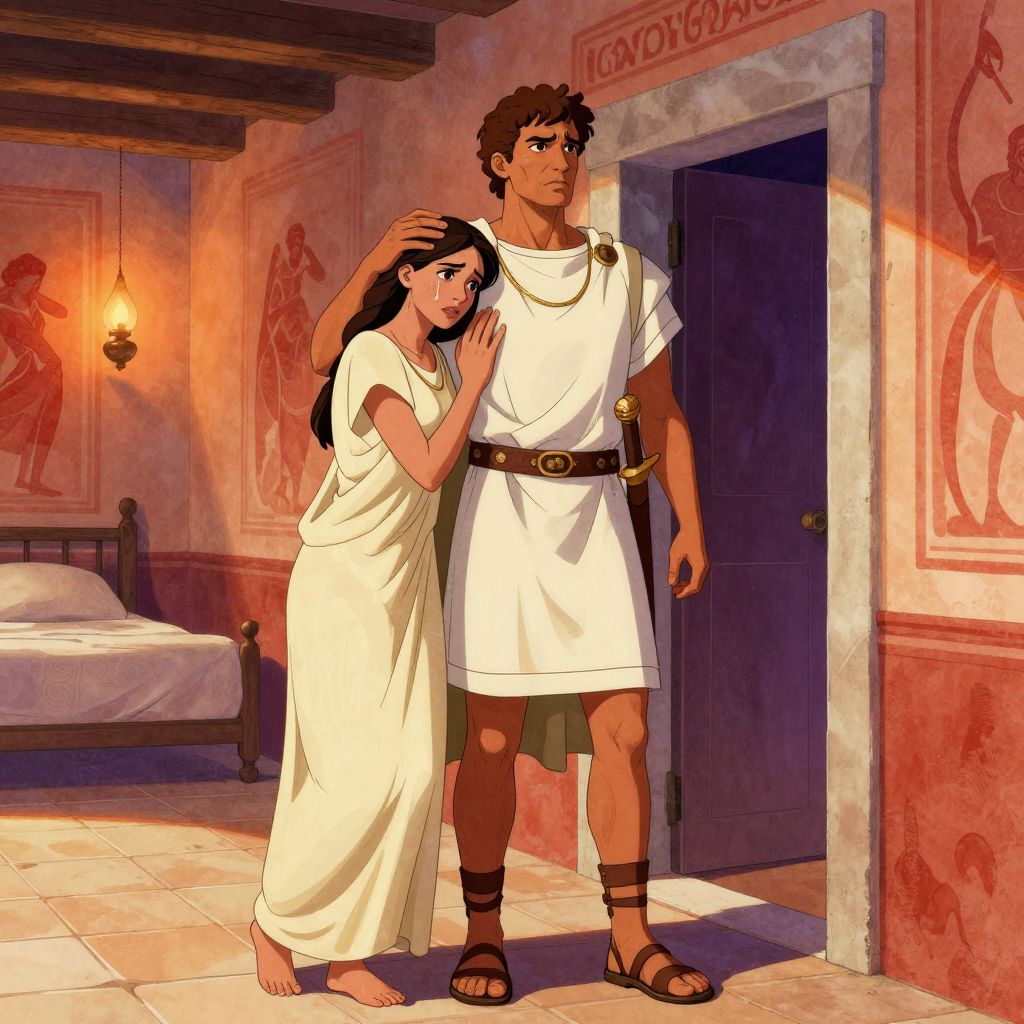
Opimius offered amnesty to anyone who surrendered. Some did. Others stayed with Gaius. When the consul's forces attacked, it was a massacre.
Cornered in the Grove of Furrina, a sacred wood near the Tiber, Gaius ordered his slave Philocrates to kill him. He would not give the Senate the satisfaction of capturing him, parading him through the streets, executing him as a criminal.
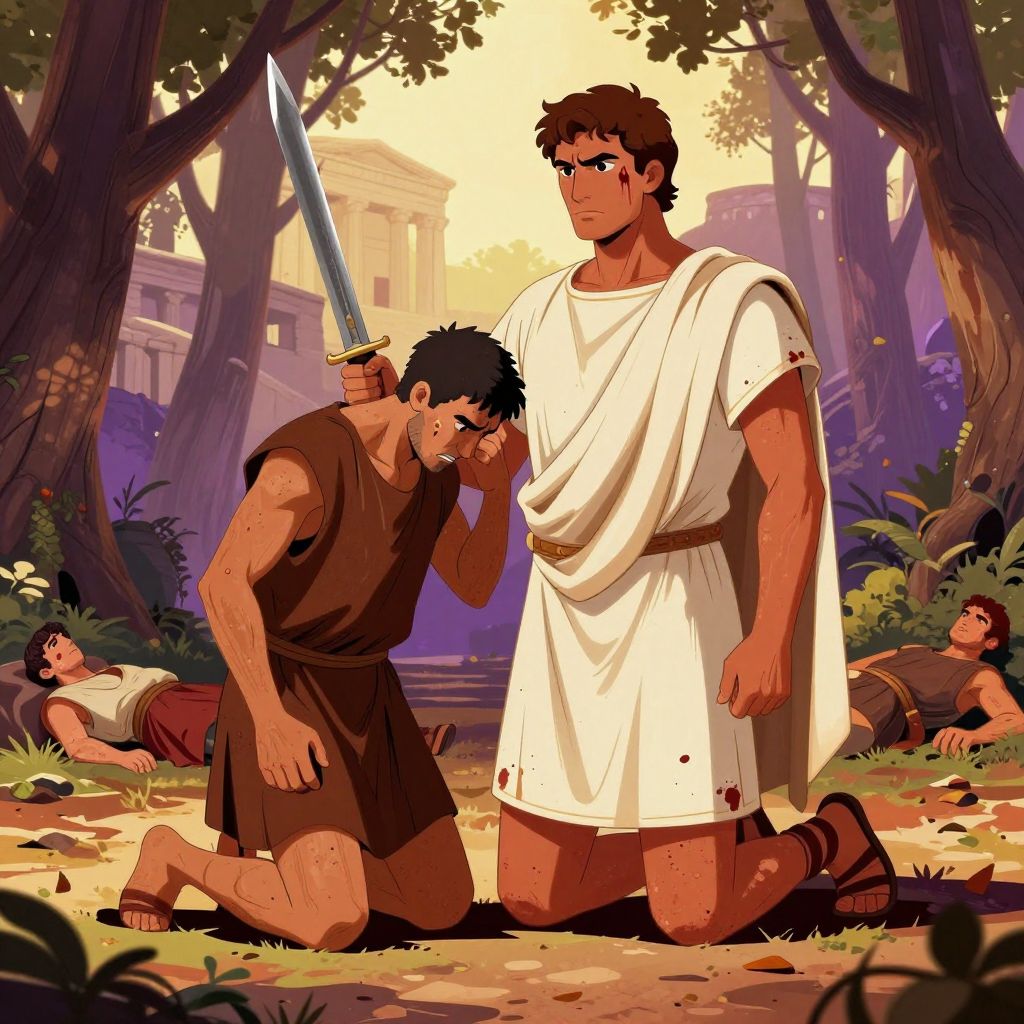
Philocrates obeyed, then killed himself. The man who had killed a tyrant's brother was now just another body in a Roman sacred grove.
The Aftermath
Three thousand of Gaius's supporters were killed. Not in battle — executed afterward, under the authority of the Senatus Consultum Ultimum. They received no trials. Their property was confiscated. Their families were forbidden from mourning publicly.
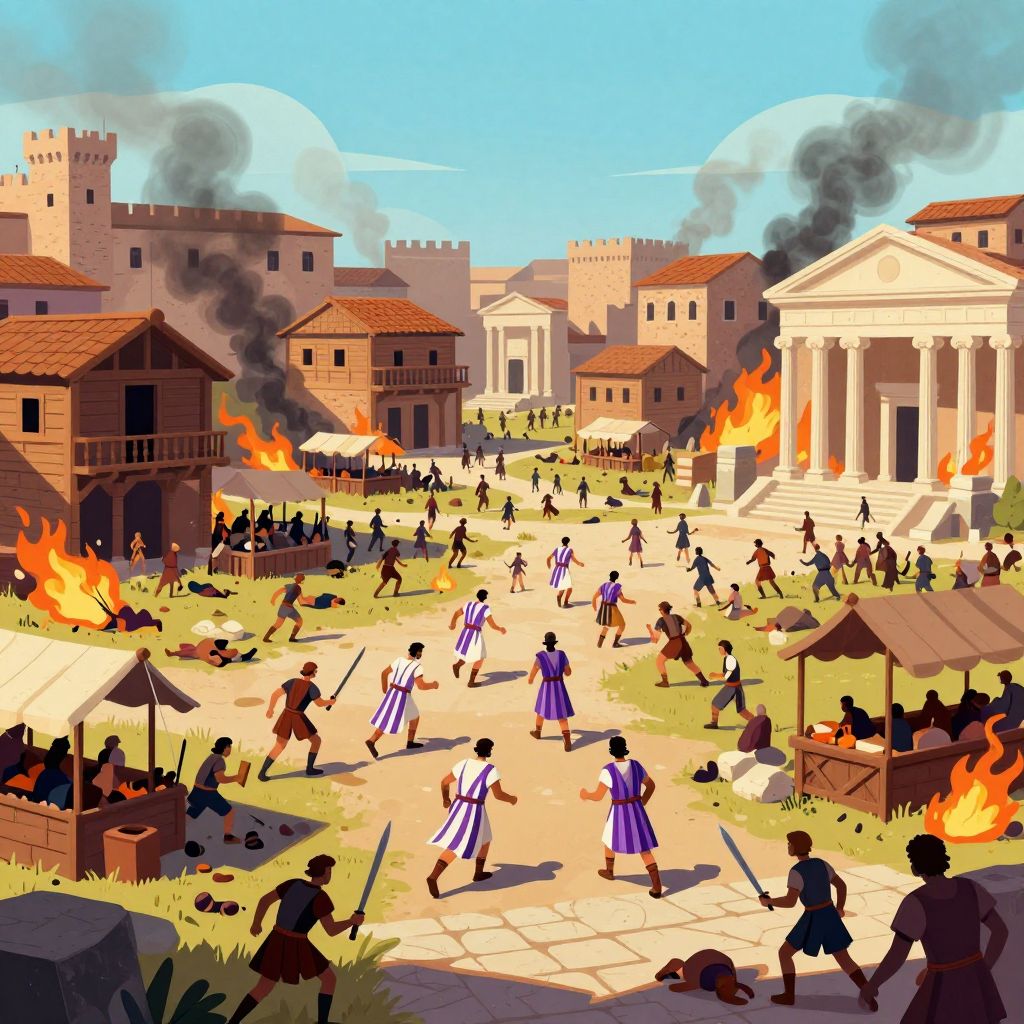
Opimius reportedly offered a bounty for Gaius's head — its weight in gold. A man named Septimuleius delivered it, having removed the brain and filled the skull with lead to increase the payout. When the fraud was discovered, he received nothing. The cynicism was complete.
Cornelia survived to bury her second son.
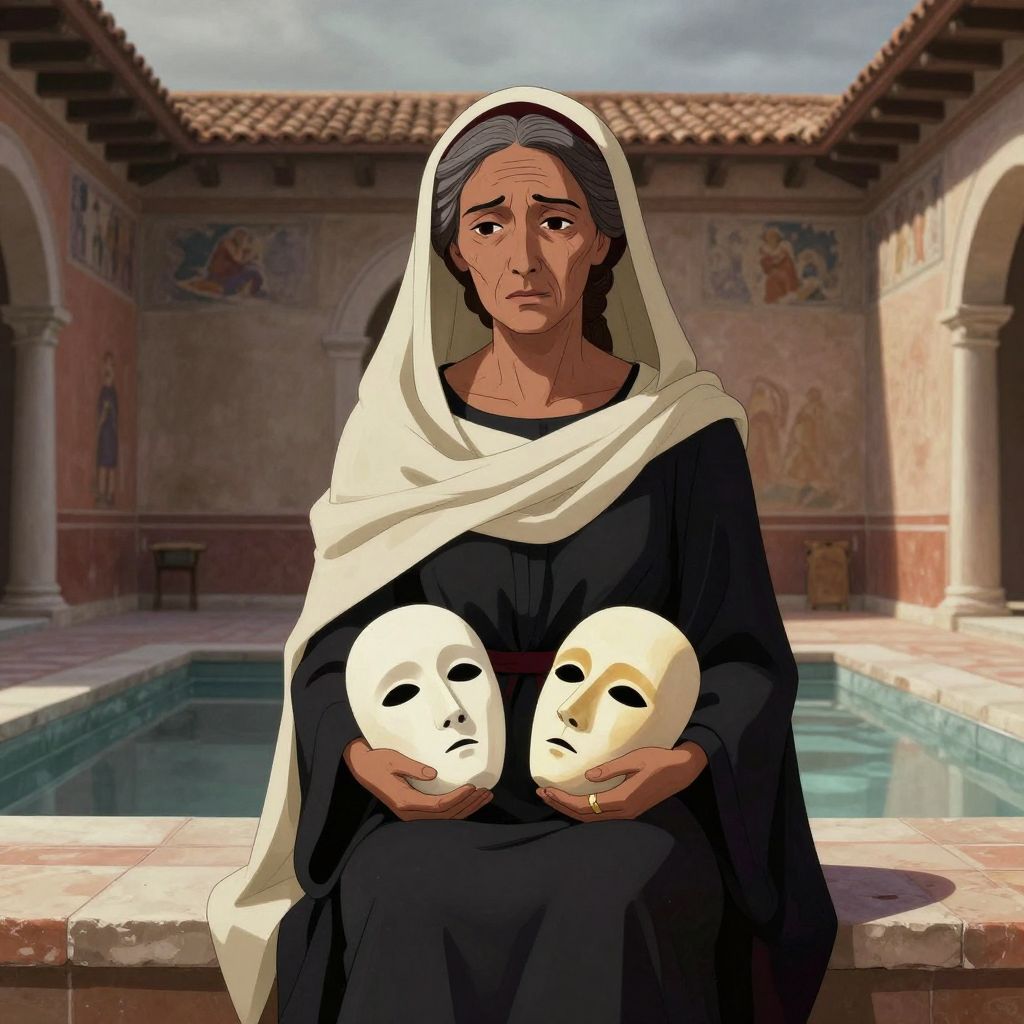
The daughter of the man who had saved Rome from Hannibal. The mother who had turned down a king's proposal to raise her boys. She watched Rome murder both of them for trying to feed the poor.
She never spoke publicly against the Senate. She maintained her dignity until she died, years later, still respected, still hosting intellectuals and philosophers in her home. But everyone knew what had been done to her family. Everyone knew the price of reform.
The Lesson the Senate Learned
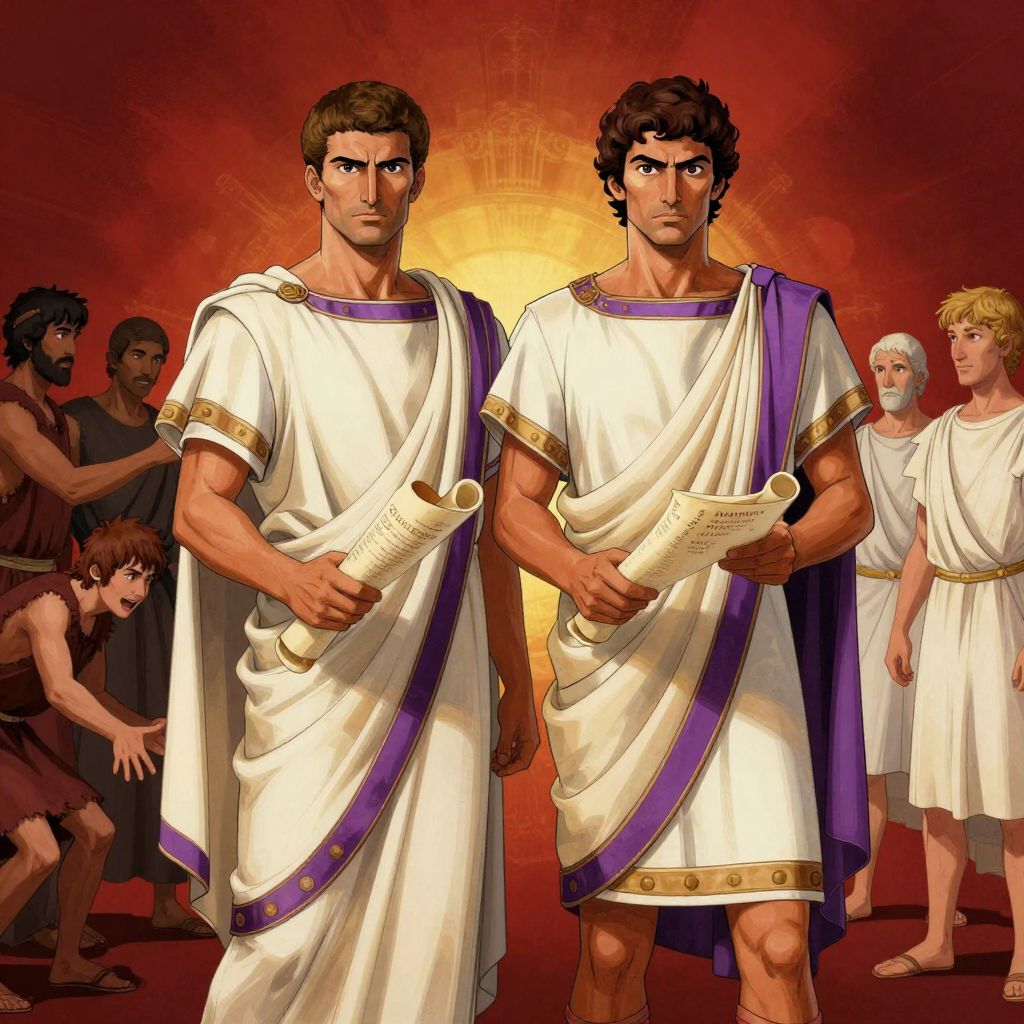
Both Gracchi brothers tried to help the poor. Both were murdered for it.
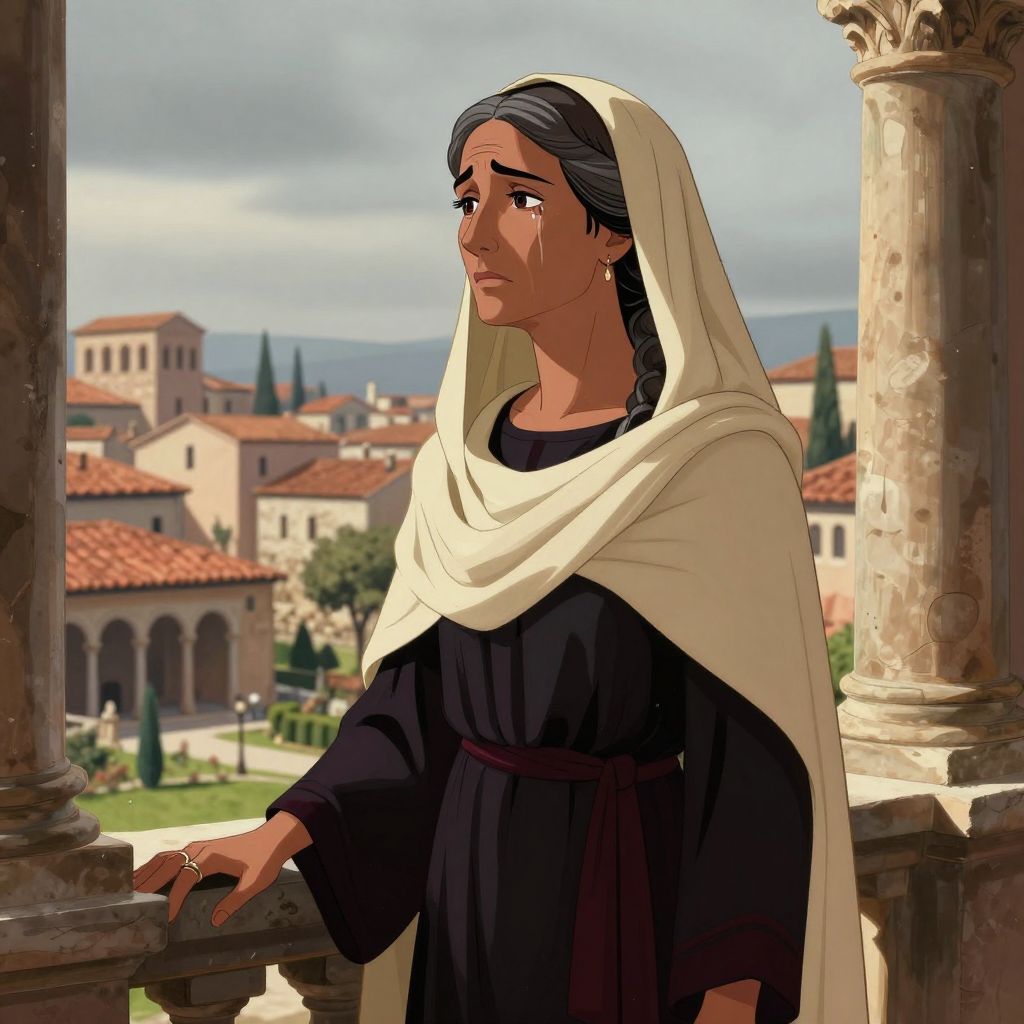
They weren't perfect. Their methods were aggressive, their politics divisive. Tiberius had deposed a fellow tribune — an unprecedented violation of constitutional norms. Gaius had pushed his reforms through with populist tactics that alarmed moderates. Both had enemies who genuinely believed the brothers were dangerous to the Republic.
But the brothers saw something broken and tried to fix it. Rome's poor were suffering. Rome's soldiers had nothing. Rome's wealth was hoarded by a few hundred families who controlled the Senate.
The Gracchi were killed for noticing.
And the Senate learned something useful: violence works.
If votes don't go your way, kill the voters. If a popular politician threatens your power, declare an emergency and murder his supporters. Dress it up in constitutional language, call it defense of the Republic, and enough people will believe you.
The Senatus Consultum Ultimum became a favorite tool. Senators would use it against Saturninus in 100 BCE, against the Catilinarian conspirators in 63 BCE, against countless others. Each time, the Republic's guardians discovered that the fastest way to end a political crisis was to end the people causing it.
The Road to Empire
The Gracchi's failure didn't stop reform — it just taught future reformers that they needed armies.
A generation later, a general named Gaius Marius rose to power. He learned from the Gracchi. He didn't come to Rome with speeches and legislation. He came with soldiers loyal to him personally, not to the state.
After Marius came Sulla, who marched his legions on Rome itself — the first time a Roman general had conquered his own city. Sulla used the Senatus Consultum Ultimum and proscription lists to murder thousands of his enemies.
After Sulla came Pompey and Caesar, whose rivalry tore the Republic apart. Caesar crossed the Rubicon because he knew what happened to politicians who trusted the Senate's good faith.
After Caesar came Octavian, who became Augustus, who became emperor.
The Republic the Gracchi tried to save died in 27 BCE when Augustus took absolute power. But it had really died nearly a century earlier, on the slopes of the Aventine, when the Senate proved that Roman political disputes would now be settled with swords.
The Gracchi had tried to fix Rome with laws. They discovered that laws mean nothing when one side is willing to kill and the other isn't.
The Memory
Rome never forgot the Gracchi. Their reforms — particularly the grain dole — became permanent features of Roman political life. Future politicians invoked their names. Future reformers studied their methods and their mistakes.
Cornelia's dignity made her a symbol. The Senate eventually erected a statue to her — the first public statue of a Roman woman — with an inscription: "Cornelia, Mother of the Gracchi." The same Republic that had murdered her sons honored her for raising them.
The irony was bitter. Rome celebrated the mother while condemning the sons. It honored her sacrifice while refusing to acknowledge what it had taken from her.
Gaius Gracchus carried his brother's murder for ten years before he acted. He spent those years planning, waiting, building support. When he finally moved, he moved with a comprehensive program that addressed Rome's structural problems in ways that would have transformed the Republic.
He failed. Not because his ideas were wrong, but because he was fighting men who would kill rather than compromise. The Senate proved that constitutional reform was impossible when one side was willing to declare emergencies and murder citizens.
The lesson echoed through the centuries that followed. Change the system, and the system will change you — into a corpse.
Unless you bring an army.
Frequently Asked Questions
1How long did Gaius Gracchus wait before running for tribune?
Ten years. Gaius was twenty-one when his brother Tiberius was killed in 133 BCE. He ran for tribune in 123 BCE, at age thirty-one. He spent the intervening decade in military service and building political connections, waiting for the right moment to act.
2What was the Senatus Consultum Ultimum?
The 'Final Decree' was an emergency measure the Senate invented specifically to deal with Gaius Gracchus in 121 BCE. It declared certain citizens enemies of the state and authorized consuls to take any action necessary to defend the Republic — effectively suspending normal legal protections. It became a template for political violence throughout the late Republic.
3How did Gaius Gracchus die?
Cornered by consul Opimius's forces in the Grove of Furrina near the Tiber, Gaius ordered his slave Philocrates to kill him rather than be captured. The slave obeyed and then killed himself. According to some sources, Opimius offered Gaius's head's weight in gold, and someone delivered it after filling the skull with lead.
4How many of Gaius's followers were killed?
Ancient sources report that approximately 3,000 supporters of Gaius Gracchus were executed after his death in 121 BCE. These were not battlefield casualties but political executions carried out under the authority of the Senatus Consultum Ultimum, without trials.
5Were the Gracchi reforms permanent?
Some were. The grain subsidy that Gaius established became a permanent feature of Roman politics, evolving into the free grain distributions that emperors used to maintain popular support. The judicial reforms were modified over time but established the principle that senatorial courts shouldn't judge their own. The broader political reforms, however, died with the brothers.
6What happened to their mother Cornelia?
Cornelia survived both her sons and maintained her status as one of Rome's most respected women. She continued hosting intellectual gatherings at her home and never publicly criticized the Senate. She died years later and eventually received Rome's first public statue of a woman, inscribed 'Cornelia, Mother of the Gracchi.'
Hear the Full Story
Experience the tragedy of the Gracchi brothers told by an ancient witness who watched Rome learn that violence works.


Listen to Related Stories
Ten Years of Rage
4 minTen years. That's how long Gaius carried it. Then he ran for tribune.

Listen to the Full Story
Experience history through immersive audio lessons narrated by Lumo, your immortal wolf guide.