When Rome Surrendered
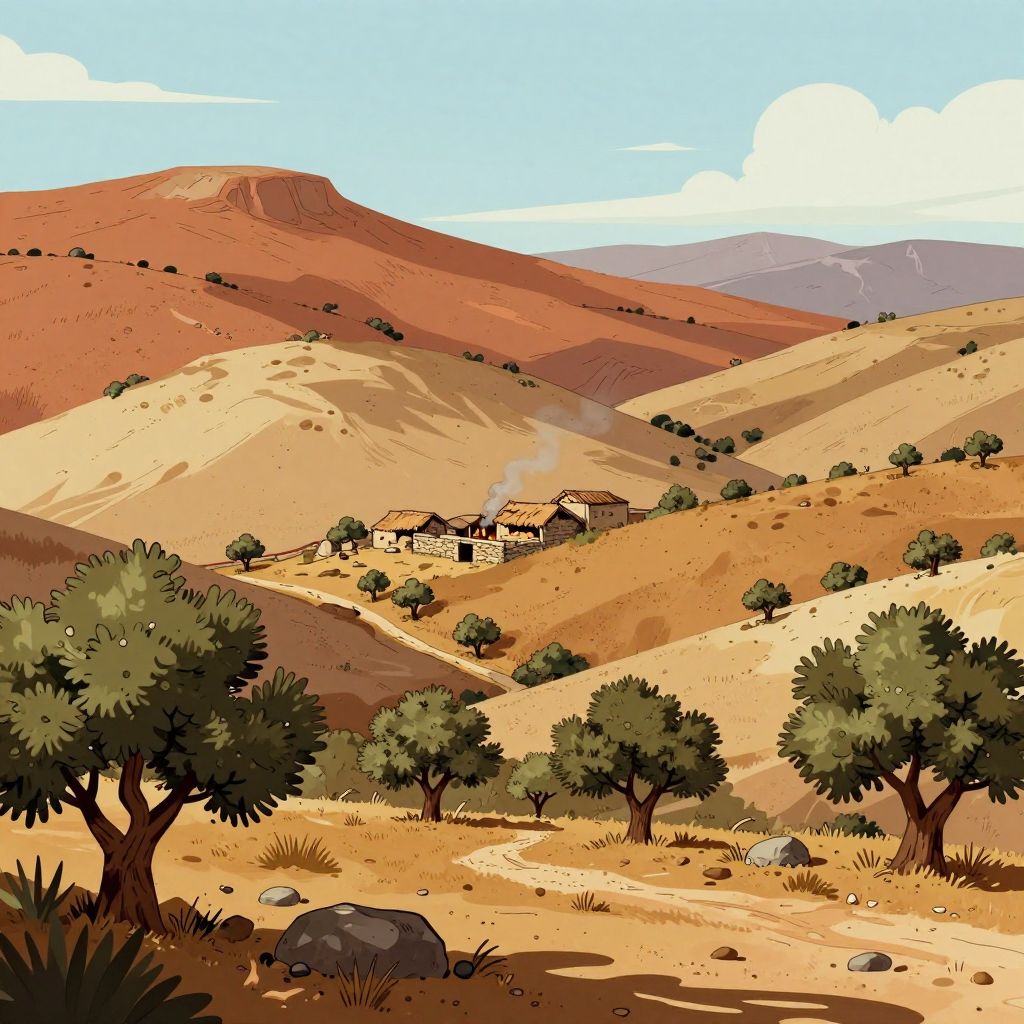
In 137 BCE, a Roman consul named Gaius Hostilius Mancinus knelt in the dirt before a hilltop city of roughly four thousand people.
Behind him: twenty thousand Roman soldiers. Surrounded. Starving. Defeated.
The city was Numantia, a Celtiberian stronghold in what is now north-central Spain. For two decades, Rome had tried to break it. Six commanders. Armies of twenty, thirty, sixty thousand men. Numantia beat them all.
That day, Rome surrendered.
A Splinter That Wouldn't Come Out
Numantia sat on a hill where the Duero and Tera rivers meet, about 140 miles northeast of modern Madrid. Rocky highlands. Scrub brush. Deep ravines and sudden cliffs. The Celtiberians who lived there had been fighting Rome since 154 BCE.
The numbers were absurd. Maybe eight thousand people in Numantia, four thousand who could fight. Rome kept sending armies ten times that size. It didn't matter.
Rome's commanders kept making the same mistake. They expected pitched battles. The Celtiberians gave them guerrilla warfare instead: supply lines cut, night raids, sudden ambushes, then vanishing into mountains. When cornered, they fought like people who considered retreat worse than death. Which they did.
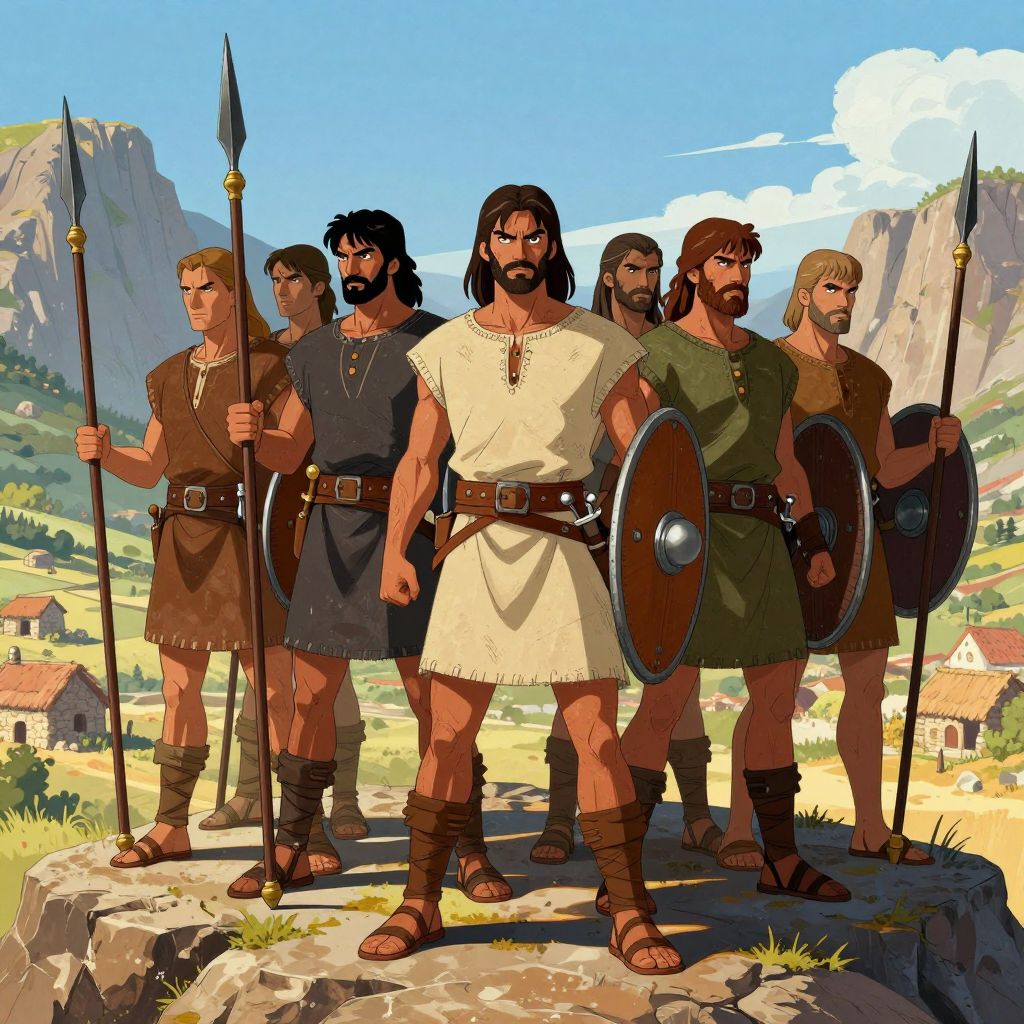
Between 143 and 133 BCE, a succession of Roman commanders arrived at Numantia with grand plans. Quintus Caecilius Metellus. Quintus Pompeius. Popillius Laenas. Others. All of them left with shattered armies. Some negotiated treaties they had no authority to enforce. Others just retreated in confusion.
Back in Rome, senators started asking uncomfortable questions. How could a republic that had destroyed Carthage not handle a single Spanish hill town? Soldiers called Numantia service a death sentence. Recruitment dried up.
The Naked Consul
Gaius Hostilius Mancinus arrived as consul in 137 BCE. His campaign went badly from the start. The Numantines cut his supply lines, ambushed his foraging parties, outmaneuvered him at every turn. Within months his army was surrounded and starving.
Mancinus did something almost unprecedented: he negotiated surrender.
Among the officers handling negotiations was a young quaestor named Tiberius Sempronius Gracchus. Tiberius had an advantage. His father had been governor in Spain four decades earlier and left behind a reputation for fairness. The Numantines trusted the Gracchus name when they trusted nothing else Roman.
Tiberius saved twenty thousand lives. Every soldier walked free. The price: Rome would recognize Numantine independence.
The Senate was furious.
When word reached Rome, the reaction was outrage. The treaty was "humiliating." Senators who had never seen Numantia declared they would rather have lost the army than accept such terms. The treaty was rejected.
To cleanse Roman honor, the Senate voted to deliver Mancinus to the Numantines stripped naked and in chains. The gesture was supposed to void the treaty while punishing the man who signed it.
The Numantines refused to accept him. They watched from their walls while a naked, chained Roman consul stood at their gates, and they didn't bother to collect him. The gesture struck them as absurd. Which, honestly, it was.
Tiberius was spared the same fate, partly because of his family name and partly through Scipio Aemilianus, his brother-in-law. But he returned to Rome in disgrace, his political future uncertain. He had too much time to think about what Roman honor actually meant.
Scipio's Arrival
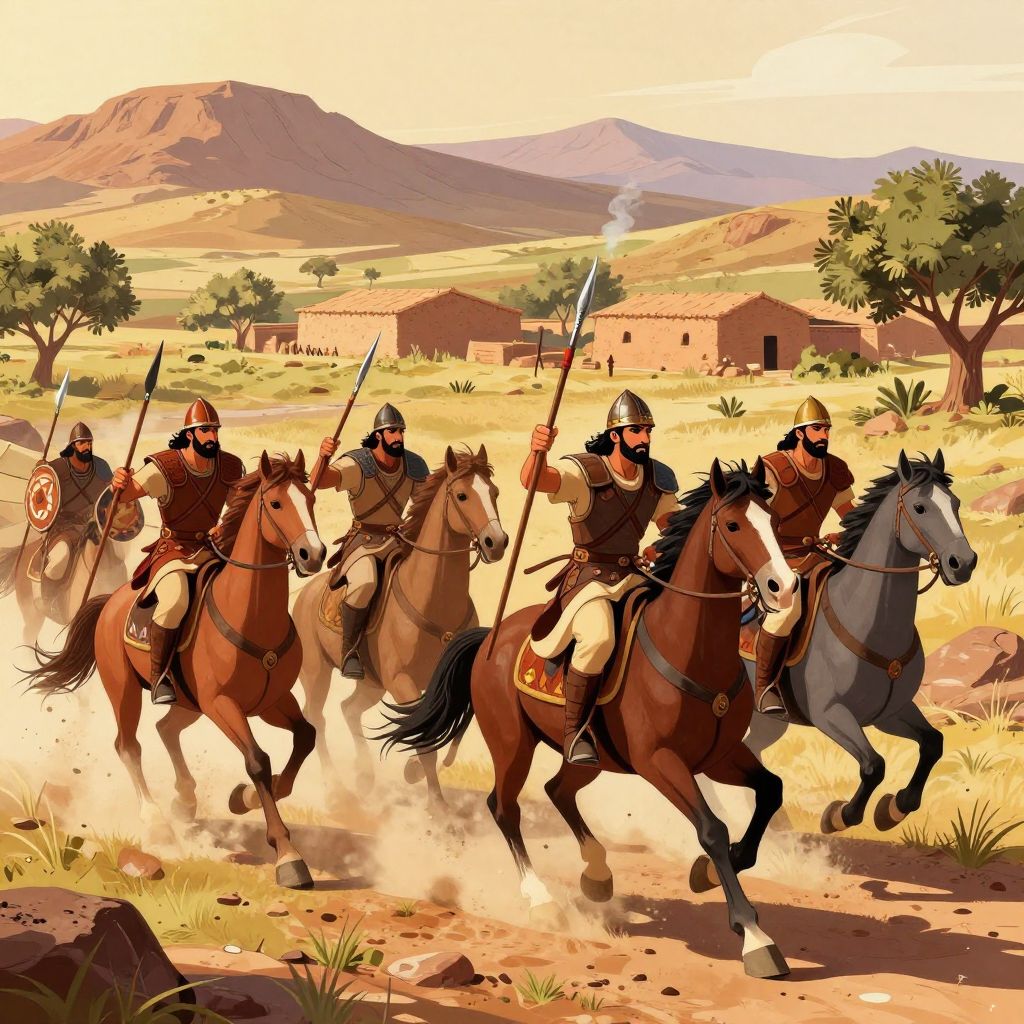
In 134 BCE, the Senate acknowledged how bad things had gotten. They waived the law requiring a ten-year gap between consulships and elected Scipio Aemilianus for a second term. His mission: end the Numantine War.
Scipio was Rome's most famous living general. Twelve years earlier he had burned Carthage to the ground. The Greek historian Polybius had stood beside him while it happened and recorded a strange moment: Scipio weeping, quoting Homer about Troy's fall, wondering aloud whether Rome itself might someday meet the same end.
Now he was being sent to handle a problem that had embarrassed Rome for two decades.
Scipio brought trusted companions, including Jugurtha (future king of Numidia) with Numidian cavalry and twelve war elephants. Polybius probably came too. When Scipio saw the state of Roman forces in Spain, he understood why previous commanders had failed. The camps were full of merchants, fortune-tellers, prostitutes. Soldiers rode mules instead of marching. Officers had grown comfortable with defeat.
Scipio's first campaign was against his own army.
He expelled everyone who wasn't a soldier. Banned mules and carts. Ordered the troops to sleep on straw (he did too). Made them march, dig, build camps, tear those camps down, and build them again. Over and over until they remembered what Roman soldiers were supposed to be.
Only then did he march on Numantia.
Nine Kilometers of Wall
Scipio didn't try what his predecessors had tried. No storming the walls, no open battles where the Celtiberians' terrain knowledge gave them every advantage. He would use Rome's real strength: engineering.
He built a circumvallation, a wall of siege works encircling the entire city. Nine kilometers long, made of stone and timber, with towers at regular intervals. From platforms ten feet up, Roman archers could shoot directly into Numantia's streets.
Outside this, he built a second line of fortifications facing outward to protect against relief forces. Between the walls, seven fortified camps, each capable of supporting the others if attacked.
The Duero River was a problem. It flowed through the siege lines, meaning the Numantines could potentially receive supplies or escape by water. Scipio's engineers built towers on both banks and strung cables across the water embedded with blades. No boats. No swimmers.
Numantia was sealed.
The Numantines understood what was happening. They attacked the construction with fierce sorties, trying to break through before the walls were complete. Scipio's coordinated defenses threw them back each time. By the time the circumvallation was finished, the Celtiberians had lost their last chance to break the siege by force.
Now they could only wait.
Boiling Leather for Soup
The siege lasted about eight months. (Ancient sources disagree; some say as long as sixteen months. The experience was the same either way: slow starvation behind impenetrable walls.)
First month: stalemate. The Numantines still had supplies. Brave runners tried breaking through Roman lines at night. Some made it. Most were caught or killed.
Third month: the horses were gone. Roman scouts saw Numantines boiling leather for soup, scraping nutrition from hides and straps. Dogs disappeared. Children grew quiet.
The later months were worse. The historian Appian, writing from sources close to the events, recorded it without flinching. When leather ran out, the Numantines allegedly ate the bodies of those who had already died. Appian described people so weakened by hunger they had become foul-smelling, their bodies wasted to near-skeletons.
Numantia sent peace envoys. They asked for liberty in exchange for complete surrender. Scipio refused. No negotiated settlement. No terms that let the Numantines walk out with any dignity. Rome demanded unconditional submission.
When the envoys returned with this answer, the Numantine population killed them. They assumed the ambassadors had made a secret deal with Rome, trading their people's freedom for personal safety. They couldn't accept that Rome simply wouldn't bargain.
Fire Over Surrender
The end came in summer 133 BCE.
Facing certain defeat, the survivors made a decision that would echo through Spanish history for the next two thousand years. Rather than march in chains behind a Roman chariot, rather than watch their children sold as slaves and their city demolished by foreign hands, they would destroy themselves.
Families poisoned themselves together. Warriors turned their weapons on their own bodies. The city's weapons and valuables were gathered and burned so nothing of worth would fall to Rome. Houses blazed from within.
When the Numantines finally opened their gates, maybe fifty people staggered out. Nobles mostly, whose status made them valuable hostages. They were, Appian says, filthy and starving and barely human in appearance.
Those fifty would march in Scipio's triumph. Everyone else in Numantia had chosen differently.
Scipio's soldiers found corpses and ashes. The city that had defied Rome for twenty years had destroyed itself rather than be destroyed.
The Man Who Stopped Crying
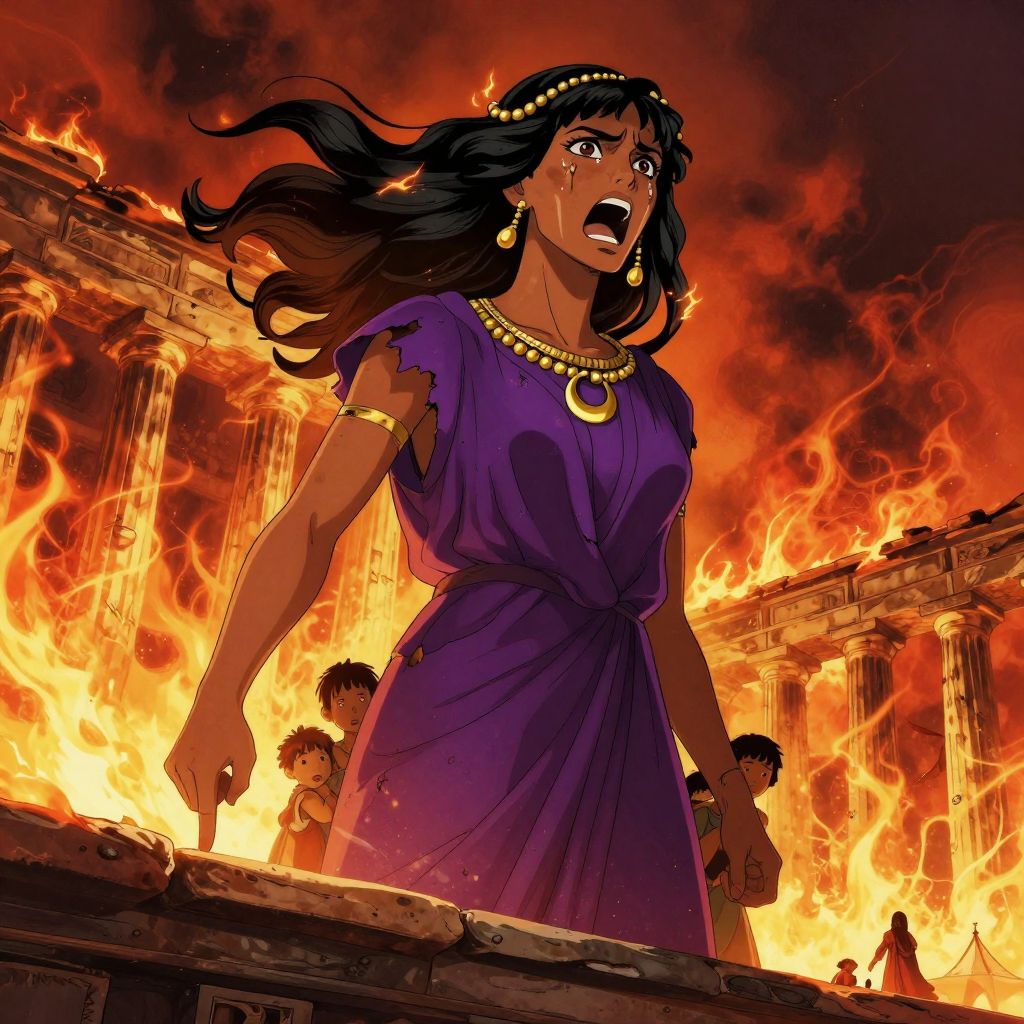
At Carthage twelve years earlier, Scipio Aemilianus had wept. Polybius recorded it: the general weeping for an enemy civilization, quoting Homer about Troy's fall, afraid Rome might share the same fate someday.
At Numantia, the historians noted something different. No tears. No philosophical reflections. No Homer.
Whatever capacity for empathy had moved him at Carthage seems to have worn away. Twelve more years of Roman expansion. Twelve more years of watching civilizations fall. The man who had cried for his enemies had learned to stop feeling. Or at least stopped showing it.
Scipio ordered the ruins leveled. Numantia was erased from the landscape as thoroughly as Roman engineers could manage.
Polybius, if he was present, left no surviving account of his own reactions. His history of the Numantine War is lost, preserved only in fragments quoted by later writers like Appian. Whatever the Greek witness thought about another civilization annihilated, he kept it to himself.
What Tiberius Saw on the Road
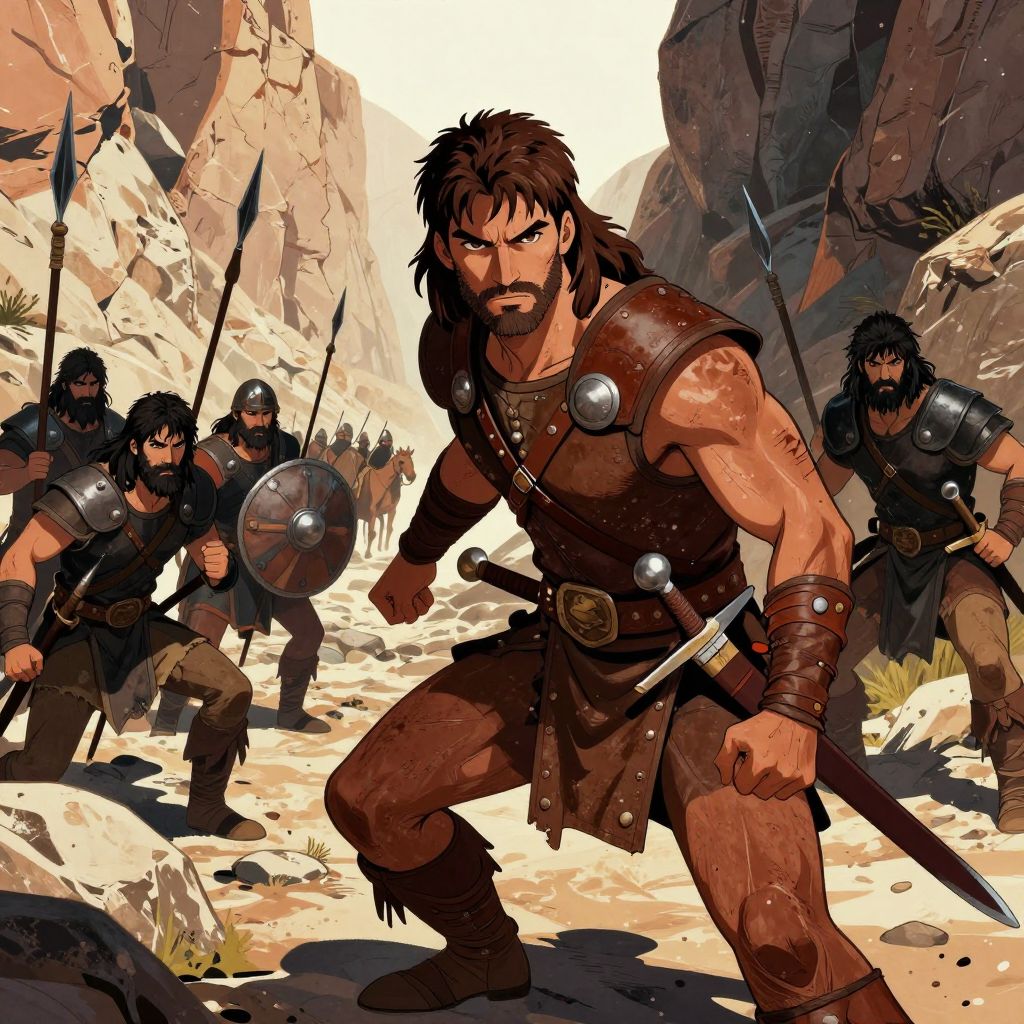
Four years before Scipio's final siege, Tiberius Gracchus had marched through Italy on his way to the Numantine campaign. The journey showed him things that changed his life.
The countryside had transformed since his father's generation. Farms that had once been worked by Roman citizens were now worked by slaves, human spoils from Rome's endless wars. Free farmers had been pushed off their land, unable to compete with slave labor. Veterans who spent years fighting Rome's enemies came home to find they had no homes.
The men who won Rome's wars had nothing. The men who stayed home and bought up land cheap during wartime had everything.
Tiberius carried those images back to Rome. They festered during his years of disgrace after the Numantia treaty. They hardened into conviction: something was broken in the Roman system.
In 133 BCE, the same year Numantia burned, Tiberius was elected tribune of the plebs. He proposed a land reform law to redistribute public land that wealthy senators had accumulated illegally. The land would go to the soldiers who had won it for Rome.
The Senate, which owned that land, understood what he was really proposing.
Defensa Numantina
The Spanish phrase still means a last-ditch, hopeless resistance against overwhelming force. Numantia became Spain's Masada.
Miguel de Cervantes wrote a tragedy about it in the sixteenth century. For Spanish national identity, Numantia represented something pure: resistance without compromise.
The archaeological site was excavated between 1905 and 1912 by the German archaeologist Adolf Schulten. His team uncovered remains of both the Celtiberian city and Scipio's siege works. The nine-kilometer circumvallation was there. The fortified camps were there. The river blockades matched what Appian had described.
Today the site is a museum and archaeological park near Soria. You can walk the perimeter where Roman soldiers stood watch, waiting for starvation to finish what their swords couldn't.
What Victory Cost
Scipio got his triumph in 132 BCE. He had done what six commanders couldn't. Roman territory in north-central Spain doubled.
But the victory said something uncomfortable about Rome itself. A republic that needed twenty years and its greatest living general to defeat four thousand Celtiberians wasn't as powerful as it pretended. The endless wars were straining Roman society: slaves flooding in, citizens flooding out, the conditions building for civil conflicts that would eventually tear the Republic apart.
Polybius spent seventeen years watching Rome transform. Carthage. Corinth. Numantia. He watched a republic learn patterns that would eventually consume it.
Tiberius Gracchus watched too. When he proposed redistributing land to dispossessed farmers, he set in motion events that led to his death in a riot later that same year, 133 BCE. His brother Gaius took up the cause a decade later and also died violently. The Gracchi became martyrs to reform that Rome's aristocracy refused to accept.
The generation that destroyed Numantia was the generation that began destroying itself. The Republic that burned so many foreign cities would, within a century, burn its own.
Frequently Asked Questions
1How many people lived in Numantia?
Maybe 4,000 to 8,000, with about half capable of fighting. Despite these small numbers, the city resisted Rome for twenty years and required a sixty-thousand-man army under Scipio Aemilianus to finally defeat.
2Did the Numantines really practice cannibalism during the siege?
According to Appian, yes. After exhausting food supplies and boiling leather, starving Numantines allegedly ate the bodies of those already dead. Archaeology can't confirm this, but the siege conditions were certainly desperate enough to make it plausible.
3Why didn't Scipio just storm the city?
Previous commanders tried direct assaults and failed. The Celtiberians were fierce fighters on their own terrain, and Numantia's hilltop position made attacks costly. Scipio chose to build a nine-kilometer wall and starve the defenders instead.
4What happened to Tiberius Gracchus after the Numantia treaty?
He returned to Rome in disgrace after the Senate rejected the treaty he negotiated. Years later, in 133 BCE (the same year Numantia fell), he was elected tribune and proposed land reforms that threatened senatorial interests. He was killed in a riot later that year.
5Is Numantia really comparable to Masada?
The parallel is often drawn. At Masada in 73 CE, Jewish defenders killed themselves rather than submit to Rome. At Numantia in 133 BCE, Celtiberian inhabitants burned their city and took their own lives rather than be enslaved. Both became symbols of national resistance.
Experience the Full Story
Hear the siege of Numantia told by Lumo, the immortal wolf who witnessed Rome's rise and the price of empire.


Listen to Related Stories
The Last of Numantia
4 min137 BCE. A Roman consul kneels in the dirt before a hill-fort city of four thousand people.

The Shepherd's Knife
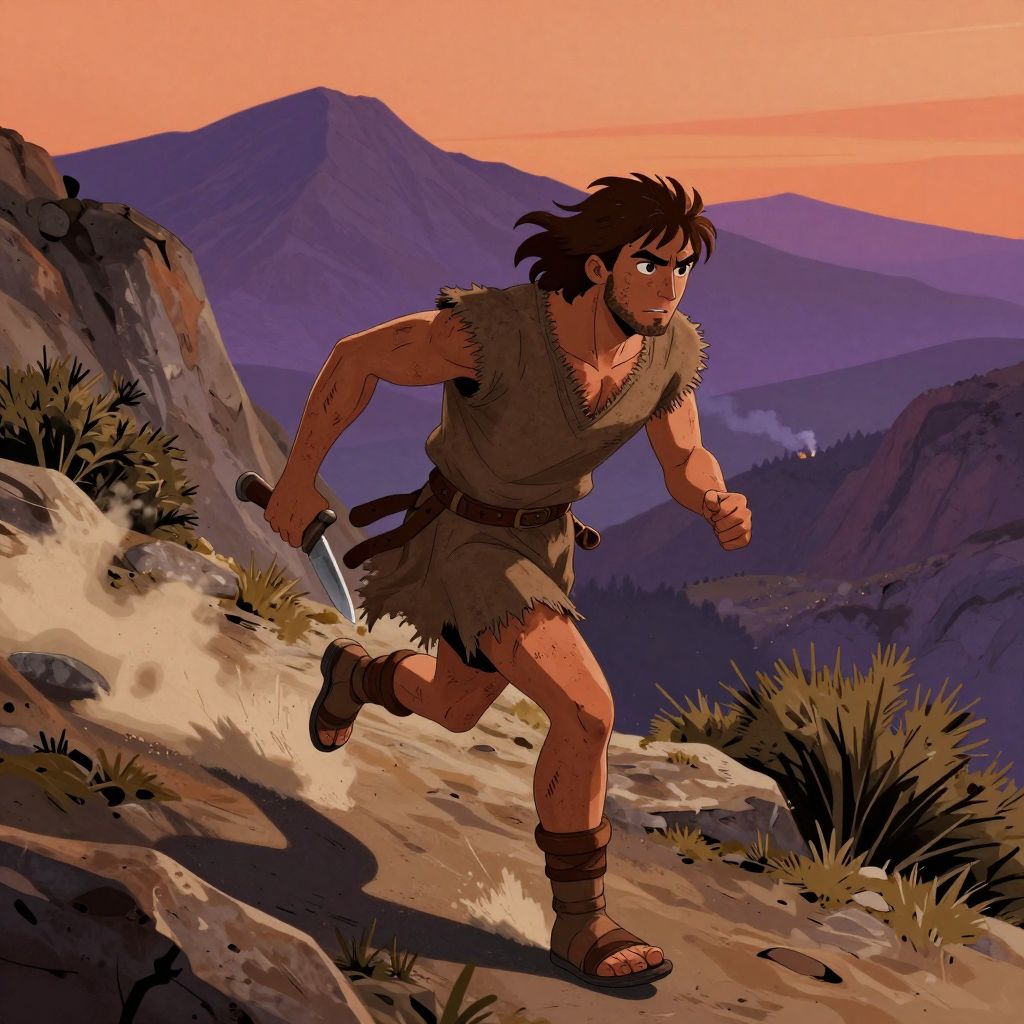
4 minOne of the few who escaped was a shepherd named Viriathus. He ran into the hills with nothing but a knife.
Listen to the Full Story
Experience history through immersive audio lessons narrated by Lumo, your immortal wolf guide.