A Festival Built on Lies
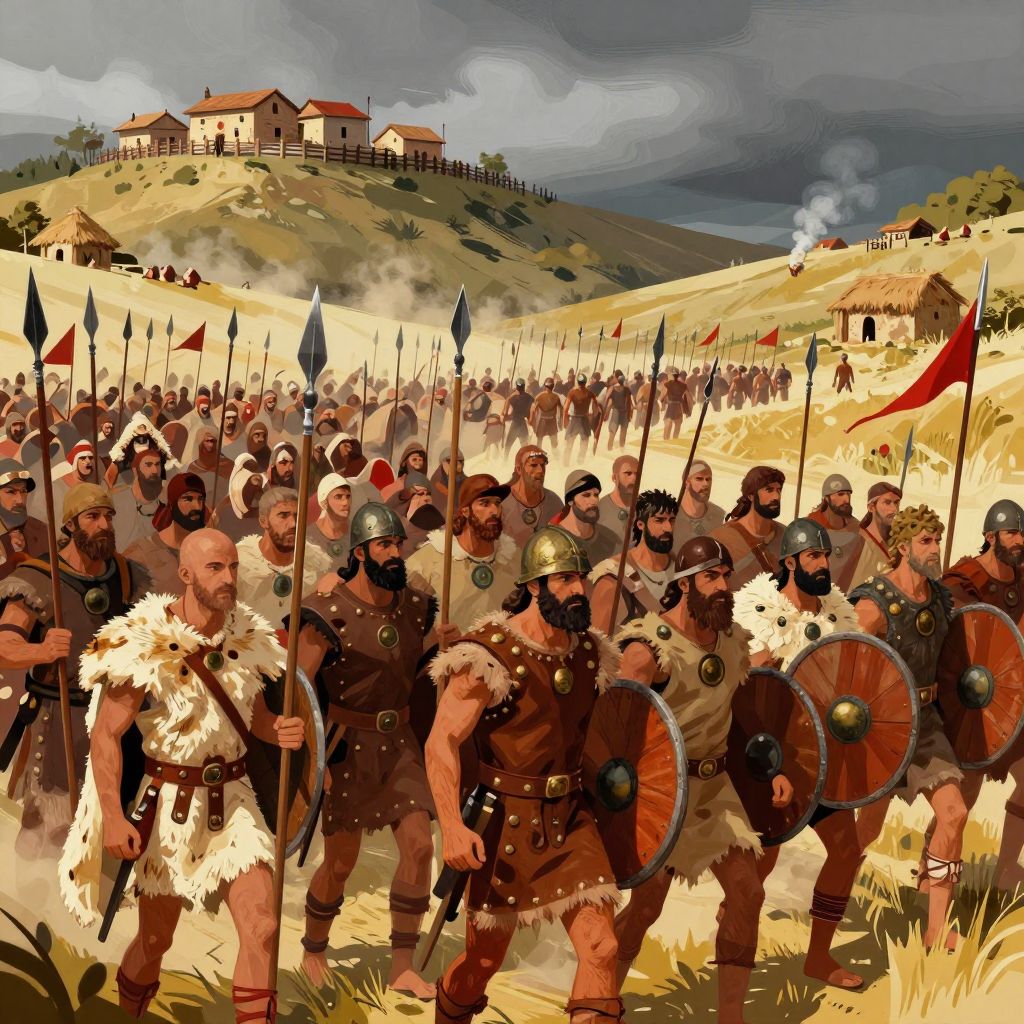
Rome's founding myth involves a murder. Romulus killed his twin brother Remus over a wall and a dispute about who the gods favored. But the event that transformed Rome from a desperate settlement into a sustainable city was not murder — it was mass abduction.
The Latin term is raptio, which means seizure or carrying off by force. Modern translations render it as "rape," though the ancient meaning emphasized kidnapping rather than sexual assault specifically. The distinction matters historically, though it changes nothing about the violence of the act itself.
In approximately 753 BCE, Romulus had a problem. His new city was growing — refugees, outcasts, and runaway slaves from across Italy had flocked to Rome's promise of sanctuary. But they were almost exclusively men. Without wives, Rome would die within a generation. No children meant no future citizens, no soldiers, no farmers. The city that had survived a fratricide would perish from demographics.
Romulus tried diplomacy first. He sent envoys to neighboring tribes requesting the right of intermarriage — conubium in Roman legal terms. Every tribe refused. Why would they marry their daughters to a mob of outlaws and vagabonds squatting on seven hills? Rome had no prestige, no history, no wealth to offer. The neighboring peoples viewed the Romans as criminals unworthy of legitimate marriage alliances.
The refusals were reasonable. Romulus's response was not.
The Consualia Games
The Roman king announced a grand religious festival in honor of Consus, god of stored grain and harvest. He invited all the neighboring peoples to attend — the Sabines, the Caeninenses, the Crustumini, and the Antemnates. Come celebrate, Romulus said. Come see what Rome has built.
They came in droves. The Sabines brought their entire families, curious to see the upstart settlement that had been sending marriage proposals. Livy, writing centuries later, describes their arrival: fathers, mothers, sons, and especially daughters, all dressed for a festival, expecting entertainment and hospitality.
What they got was a coordinated attack.
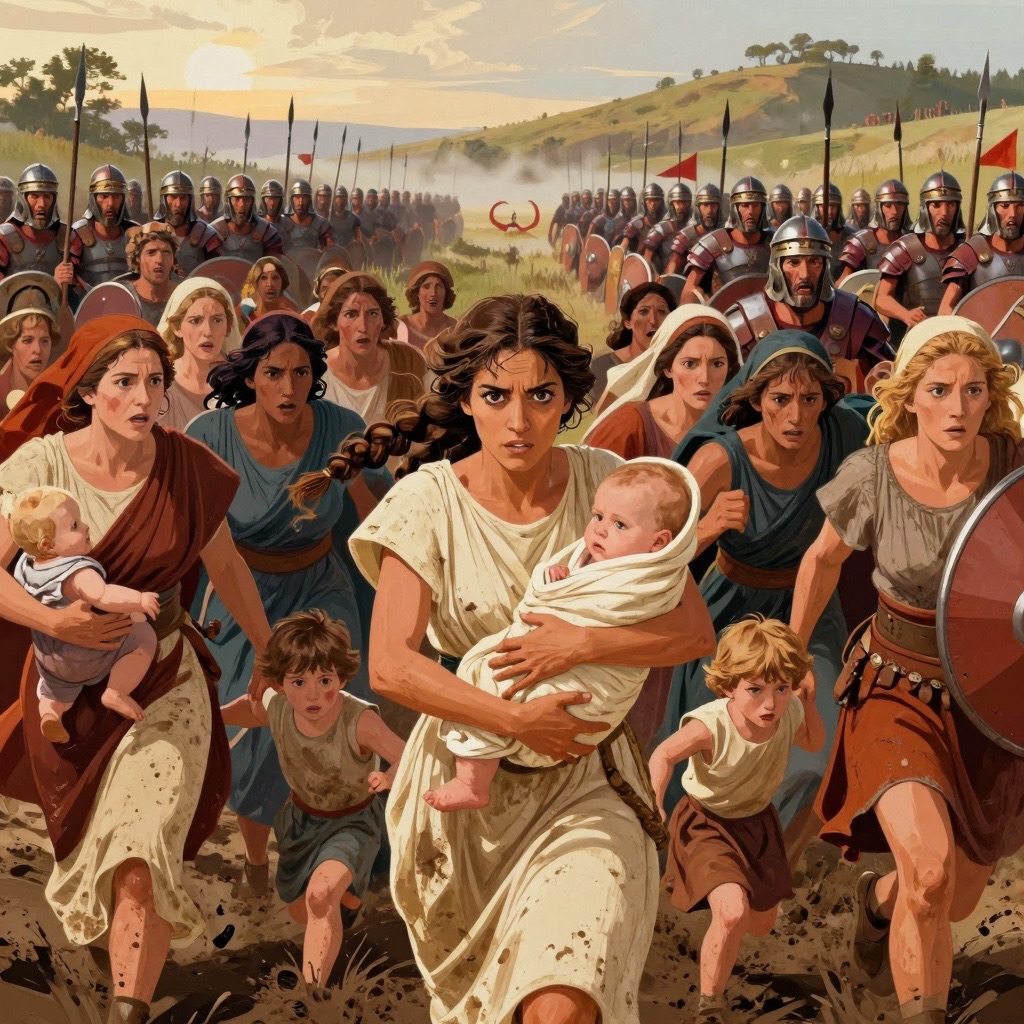
At a prearranged signal during the games, Roman men seized the unmarried women from the crowd. Chaos erupted. Fathers tried to fight back, but they were unarmed at a religious festival. The Roman men had planned every detail. They grabbed the women they wanted and dragged them toward Roman homes while the Sabine families fled in terror.
Ancient sources disagree on the exact number. Livy mentions that Romulus divided the people into thirty curiae (political wards) named after the abducted women, but notes the actual number taken was "undoubtedly somewhat greater" than thirty. Other accounts suggest hundreds were taken. The discrepancy likely reflects both the fog of ancient history and later Romans' discomfort with the scale of their founding crime.
Romulus's Bargain
According to Roman tradition, Romulus addressed the terrified captives personally. He did not apologize. He explained.
The neighboring tribes had refused Rome legitimate marriages. This was their fault, not his. The women would be treated well — better, Romulus claimed, than they would have been treated in their home villages. They would be Roman wives, not slaves. They would own property, raise children who would inherit Roman citizenship, and share in whatever prosperity Rome might achieve.
It was a monstrous bargain dressed in the language of opportunity. The women had not chosen Rome. They had been stolen at a festival where they had come as guests. Their consent was never asked because Romulus knew no one would give it.
And yet, the historical record suggests something troubling: within months, some of the abducted women had indeed adapted to their new lives. They were pregnant. They were building households. The line between coercion and resignation blurred in ways that made later Romans uncomfortable and makes modern readers more uncomfortable still.
The Sabine Fathers Come for Their Daughters
The neighboring tribes did not accept Romulus's fait accompli. The Caeninenses attacked first, separately, and were crushed. Romulus killed their king in single combat and dedicated the spoils to Jupiter — the first Roman spolia opima, the highest military honor, awarded for killing an enemy commander in personal battle.
The Crustumini and Antemnates followed. Both were defeated. Rome absorbed their populations, forcing the conquered peoples to relocate to the city. Each victory made Rome stronger and demonstrated that the kidnapping had not been desperate improvisation but calculated strategy. Romulus was building a state.
But the Sabines were different. They were the largest tribe in the region, with the strongest warriors and the most abducted daughters. They did not attack immediately. Instead, Titus Tatius, king of the Sabines, took his time. He gathered allies. He built an army larger than anything Rome had yet faced.
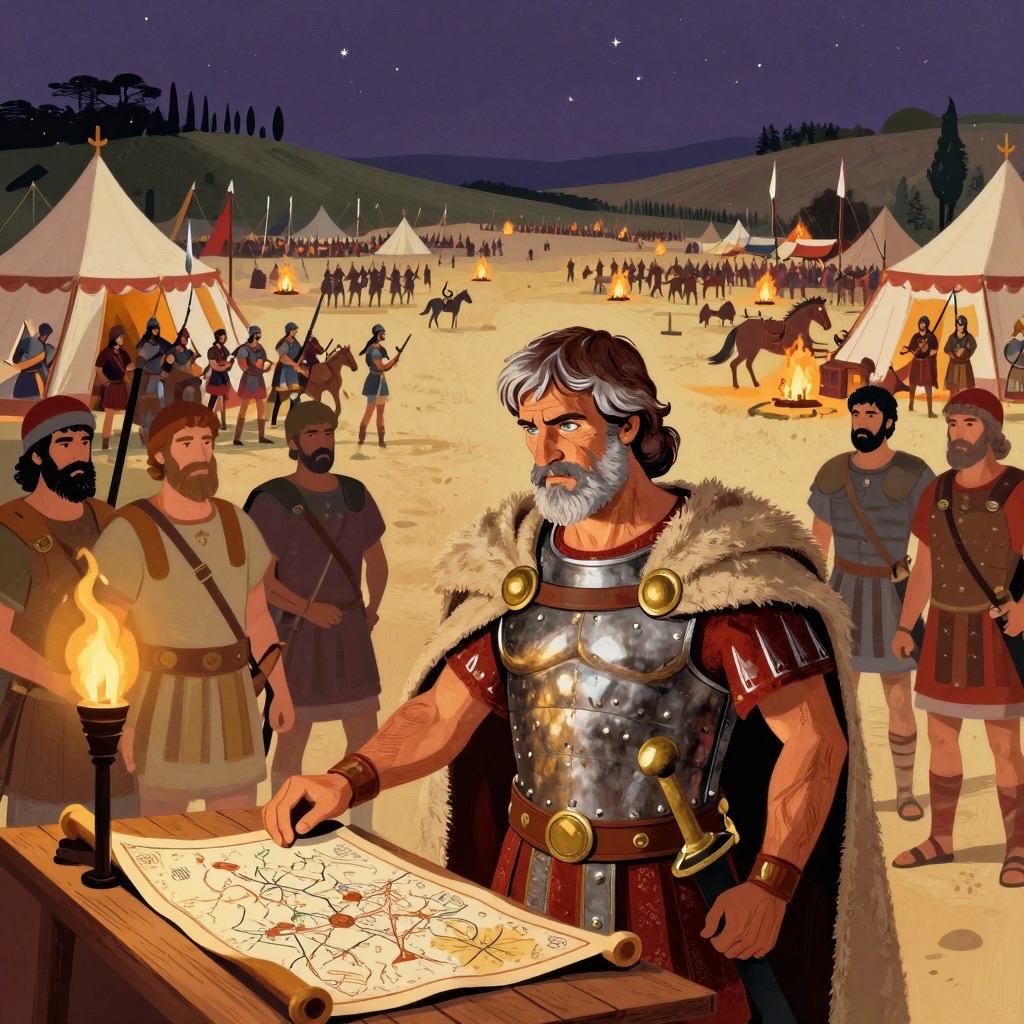
When the Sabines finally marched on Rome, probably in 752 or 751 BCE, the abducted women had been in Roman homes for months. Many had given birth to children who were half-Roman and half-Sabine. The dynamics of the conflict had shifted in ways no one had anticipated.
Tarpeia's Betrayal
Rome's defenses held against the Sabine assault. The walls were strong, the Roman warriors disciplined, and Titus Tatius could not breach the city by direct attack. The siege might have continued for months.
Then came Tarpeia.
She was the daughter of Spurius Tarpeius, commander of the Capitoline citadel — Rome's most important fortress. Most ancient sources identify her as a Vestal Virgin. Ancient sources paint her as greedy, noticing the golden bracelets worn by Sabine warriors and wanting them for herself. Other accounts suggest she may have been a Sabine sympathizer, horrified by what Rome had done to her neighbors' daughters.
Whatever her motivation, Tarpeia approached the Sabines with an offer: she would open the citadel gates in exchange for what the soldiers wore on their left arms.
The Sabines agreed.
At night, Tarpeia unbarred the gates. The Sabines flooded into Rome's most defended position. And they gave Tarpeia exactly what she had asked for.
The soldiers wore golden bracelets on their left arms. They also carried heavy shields on those same arms. The Sabines threw both at her — piling shields on her body until she was crushed to death beneath them.
"We keep our promises," a Sabine soldier supposedly remarked.
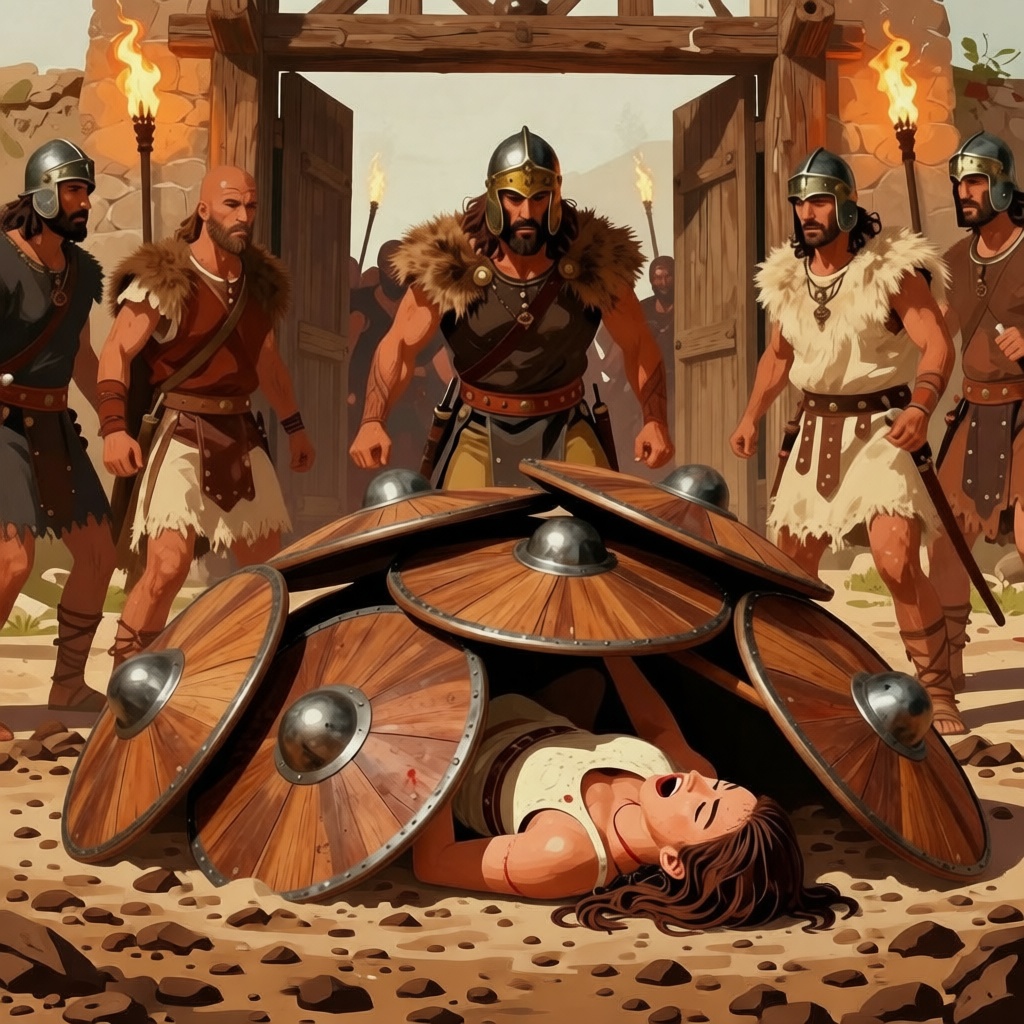
The Romans named a cliff on the Capitoline after her — the Tarpeian Rock. For centuries afterward, they threw traitors and murderers from its edge. The punishment memorialized the treachery, though it also immortalized the traitor herself.
War in the Valley
With the Capitoline in Sabine hands, the fighting settled into a brutal stalemate. The valley between Rome's hills — the marshy ground that would someday become the Roman Forum — became a killing field. Skirmishes happened daily. Bodies piled up. Neither side could win decisively.
Romulus led his warriors into the valley. Titus Tatius met him there. Ancient accounts describe the battle in apocalyptic terms: men dying in mud too thick to stand in, shields cracking under blows, the screams of the wounded echoing off the surrounding hills.
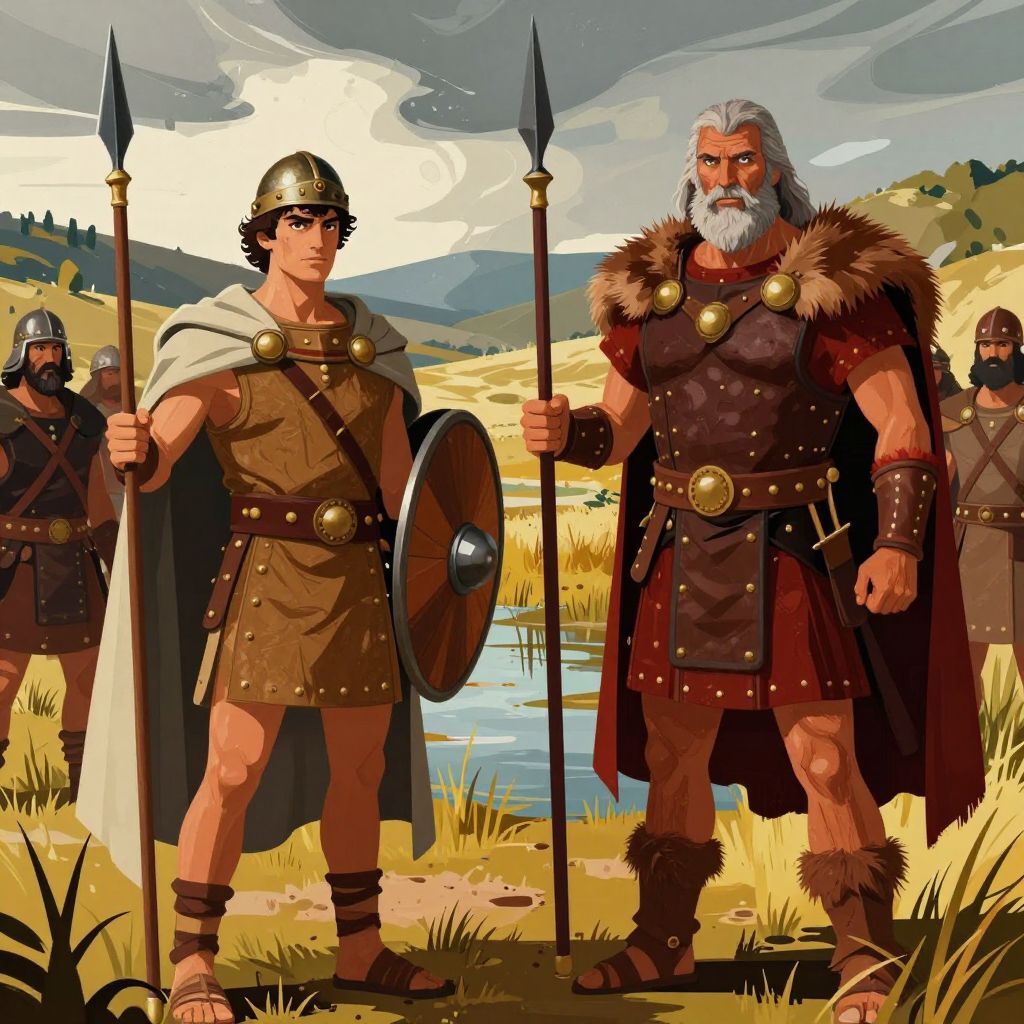
The fighting raged for hours with no resolution. Sabine fathers wanted their daughters back. Roman husbands would not surrender their wives. Both sides were ready to die for their positions.
And then the women ran between them.
The Women's Impossible Courage
When the battle reached its peak, the abducted women themselves ran directly into the no-man's land between the two armies. They carried their children — infants who were half-Sabine, half-Roman, born from the original crime and now caught between armies that wanted to avenge or defend it.
Livy describes the women's collective plea to both armies — they placed the blame on themselves and begged their fathers and husbands to stop, declaring they would rather die than live as widows or orphans. The tradition names Hersilia — identified in some sources as Romulus's wife, in others as the wife of the Roman champion Hostus Hostilius — as a central figure in the peace effort, though Livy presents the intervention as a collective act by all the abducted women rather than one leader's initiative.
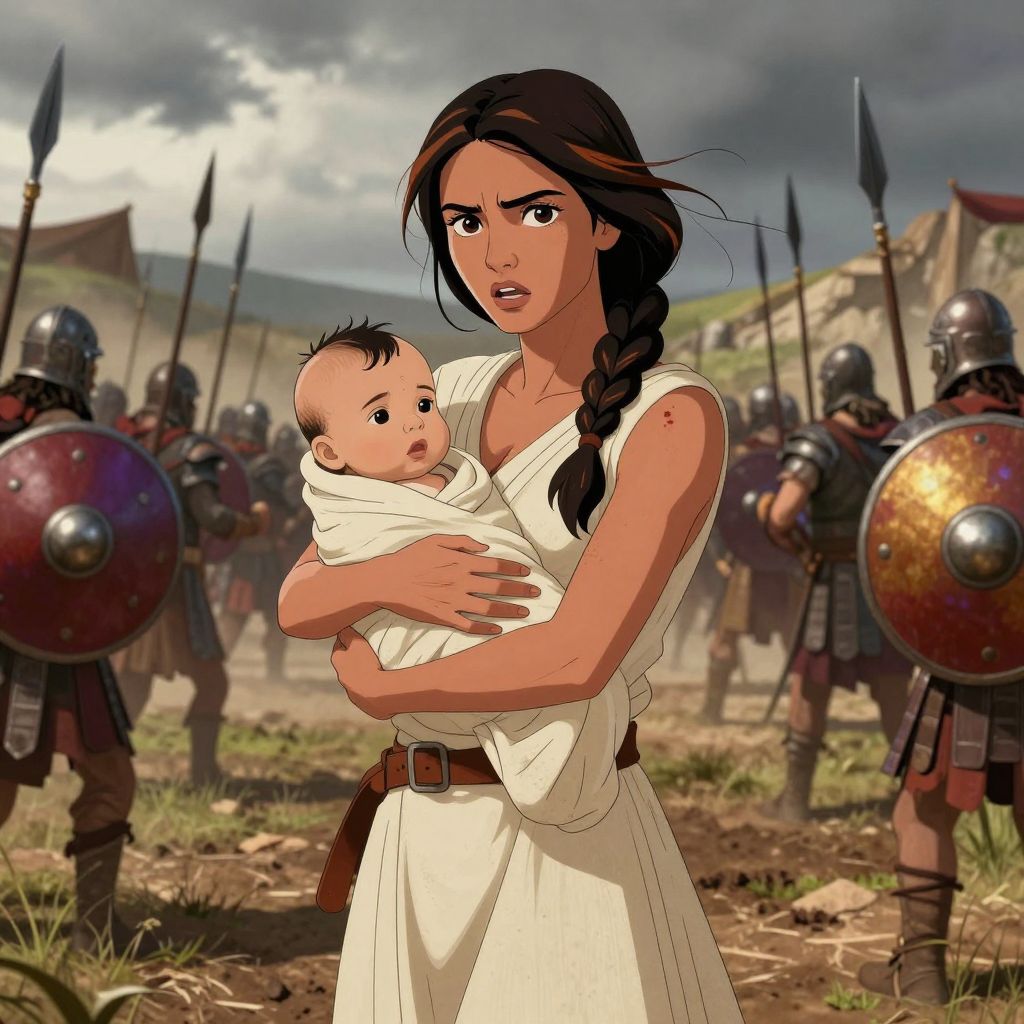
The warriors stopped. On both sides, men lowered their weapons. Sabine fathers saw their daughters holding Roman children. Roman husbands saw their wives standing between them and the enemy. Nobody could swing a sword without cutting through the women who had, in the most complicated way imaginable, become the only people in that valley with ties to both sides.
The women had understood something that generals often forget: wars end when the cost of fighting exceeds the cost of stopping. By placing themselves and their children in the line of fire, they made the cost of continuing infinitely higher than any possible victory.
A Merged People
Romulus and Titus Tatius met that same day. They agreed to peace — not just a truce, but a permanent merger. The Sabines would relocate to Rome. The two kings would rule jointly. Romans and Sabines would become one people.
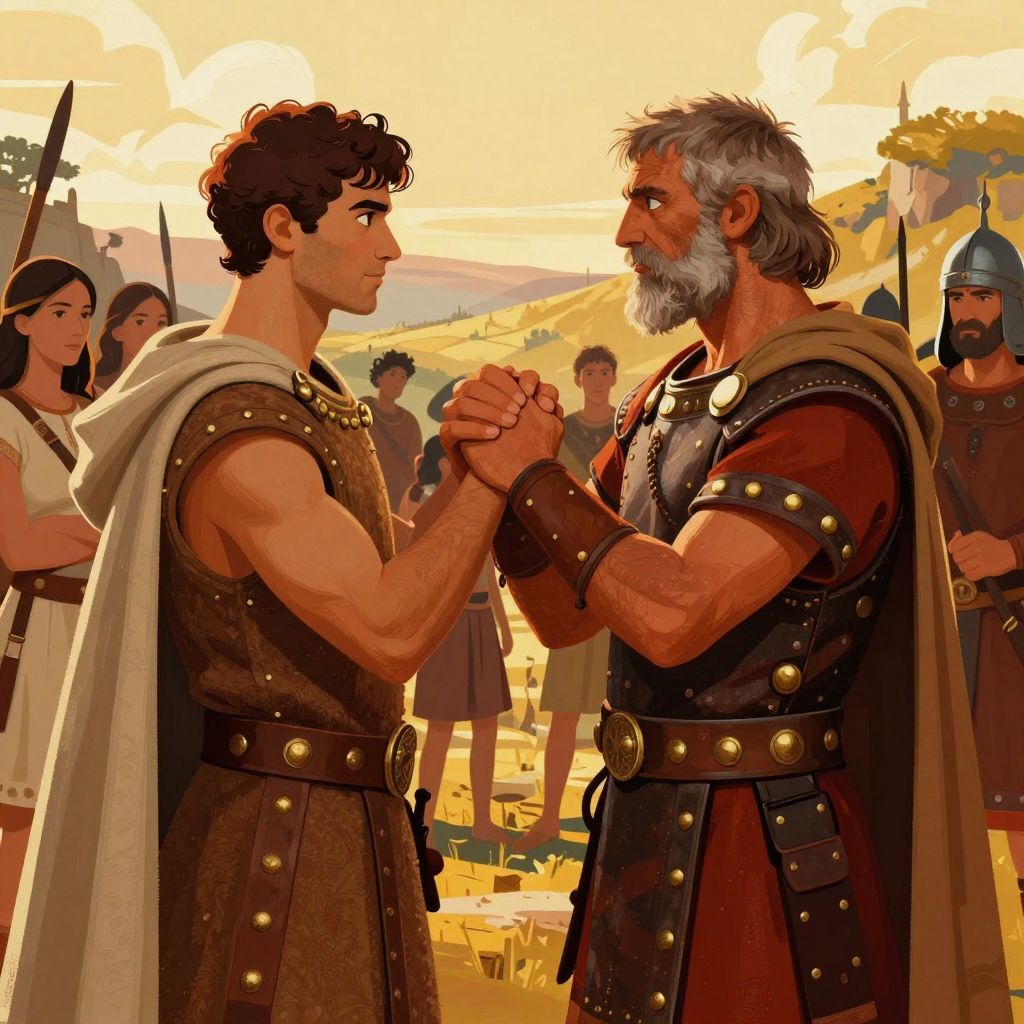
The arrangement lasted five years. Titus Tatius governed alongside Romulus until he was killed by citizens of Lavinium seeking revenge for crimes his followers had committed. Romulus expressed appropriate grief and then continued ruling alone.
But the merger itself endured. Sabine families became Roman families. Sabine religious practices blended with Roman ones. Sabine names entered the Roman lexicon. The very distinction between Sabine and Roman began to fade within a generation.
Historians debate how much of this narrative reflects actual events. The story was already centuries old when Livy wrote it down. But even if the details are legendary, the demographic reality was not: early Rome was genuinely short on women, and the Sabine population did become part of the Roman people. Something brought them together. The tradition of the abduction and its aftermath explained what that something might have been.
The Uncomfortable Legacy
Rome never apologized for the seizure of the Sabine women. Later Romans, including Livy himself, treated it as regrettable but necessary — an unpleasant means to an essential end. Without wives, Rome would have died. Without children, there would have been no empire. The abduction was wrong, Roman moralists admitted, but it had been successful.
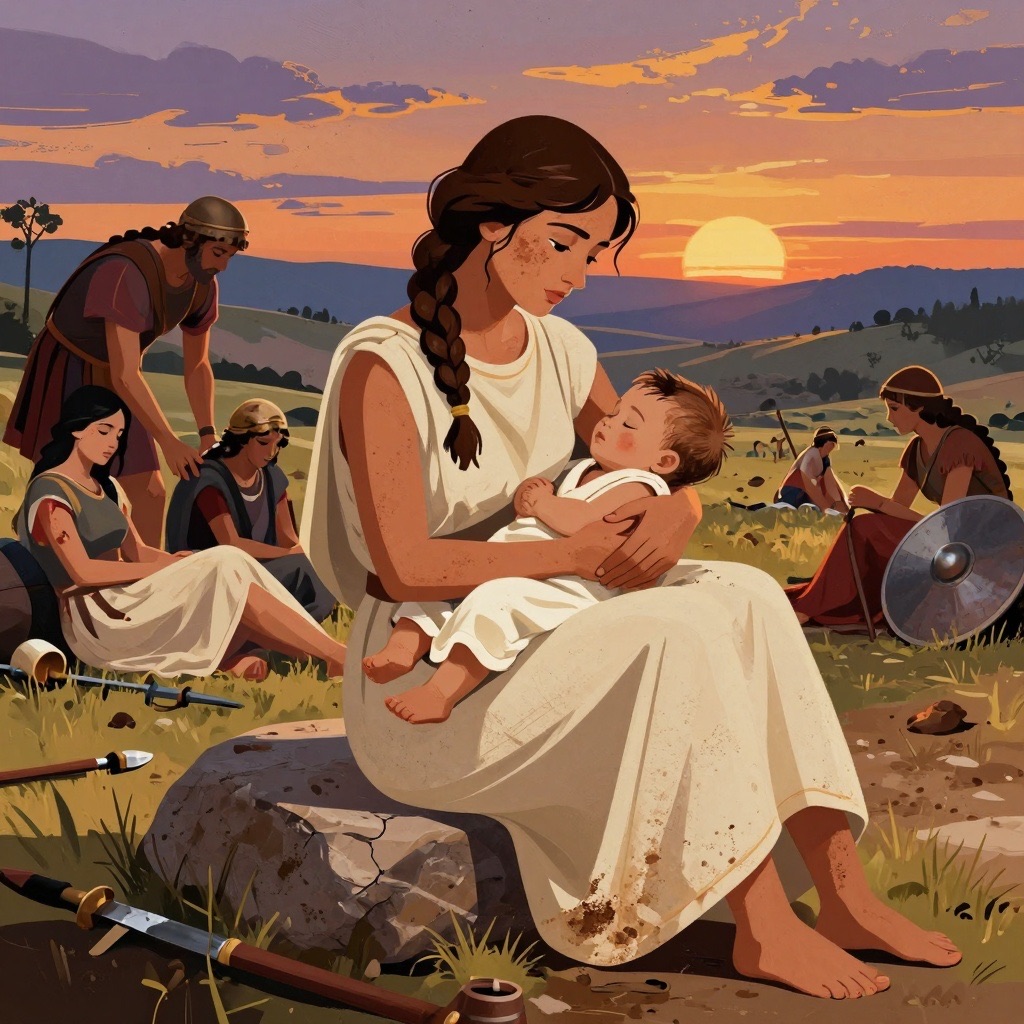
This attitude shaped how Romans understood their own origins. Rome was not founded on consent or righteousness. It was founded on murder, theft, and coercion. The brothers who built it killed each other. The women who populated it were stolen. The peace that followed came only when the cost of war became unbearable.
And yet Rome thrived. The empire that would one day stretch from Britain to Mesopotamia began with desperate outlaws kidnapping their neighbors' daughters. For Romans, this was not a contradiction. Great things came from dark beginnings. Power was not pretty. History belonged to those who seized it.
The founding of Rome was built on blood — first Remus's, then the tears of abducted women, then the corpses that piled up in a swamp before the women ran between the armies and forced everyone to stop killing.
Rome did not pretend otherwise. That honesty about origins may have been the most Roman thing of all.
Frequently Asked Questions
1What does 'Rape of the Sabine Women' actually mean?
The Latin word 'raptio' means seizure or carrying off by force, emphasizing kidnapping rather than sexual assault specifically. The women were abducted to become wives, not enslaved or attacked in the modern sense of rape. However, they were taken without consent and forced into marriages they had not chosen — a form of violence regardless of terminology.
2Who was Hersilia and what did she do?
Hersilia was one of the abducted Sabine women — identified in some ancient sources as Romulus's wife, in others as the wife of the Roman champion Hostus Hostilius. Roman tradition names her as a central figure in the peace effort between the two peoples. Livy describes the abducted women collectively running between the armies to stop the fighting, while later traditions gave Hersilia a leading role in that intervention.
3Why did the Sabines kill Tarpeia when she helped them?
Tarpeia asked for 'what they wore on their left arms,' meaning their golden bracelets. The Sabines gave her exactly what she requested — but they also threw their heavy shields (also worn on left arms) at her, crushing her to death. Whether this was punishment for treachery or literal fulfillment of a poorly worded bargain, Romans named the Tarpeian Rock after her and threw traitors from it for centuries.
4Did the Sabine women really stop a battle?
According to Roman tradition, yes. Livy and other ancient sources describe the women running between the armies with their children, forcing both sides to stop fighting. Whether the specific details are historical or legendary, the story explained how two hostile peoples merged into one city — a demographic reality that did occur in early Rome.
5What happened to Titus Tatius?
After ruling Rome jointly with Romulus for about five years, Titus Tatius was killed by citizens of Lavinium seeking revenge for crimes committed by his followers. Romulus investigated but accepted the killers' explanations, and continued to rule alone until his own mysterious disappearance years later.
6Why is this event depicted in so much Renaissance art?
The Rape of the Sabine Women became a popular subject for Renaissance and Baroque artists because it combined drama, movement, violence, and the human form in ways that showcased artistic skill. Works by Giambologna, Nicolas Poussin, Peter Paul Rubens, and Jacques-Louis David all depicted the scene. The subject allowed artists to portray extreme emotion and physical struggle while remaining connected to respectable classical history.
Experience Rome's Origins
Hear the full story of the Sabine women, from the abduction to the battle to the peace that merged two peoples into one city.


Listen to Related Stories
Between Two Armies
4 minThe Sabine army came for their daughters. And then the women ran between them.

Key Figures
Listen to the Full Story
Experience history through immersive audio lessons narrated by Lumo, your immortal wolf guide.