Rome Woke Up Empty
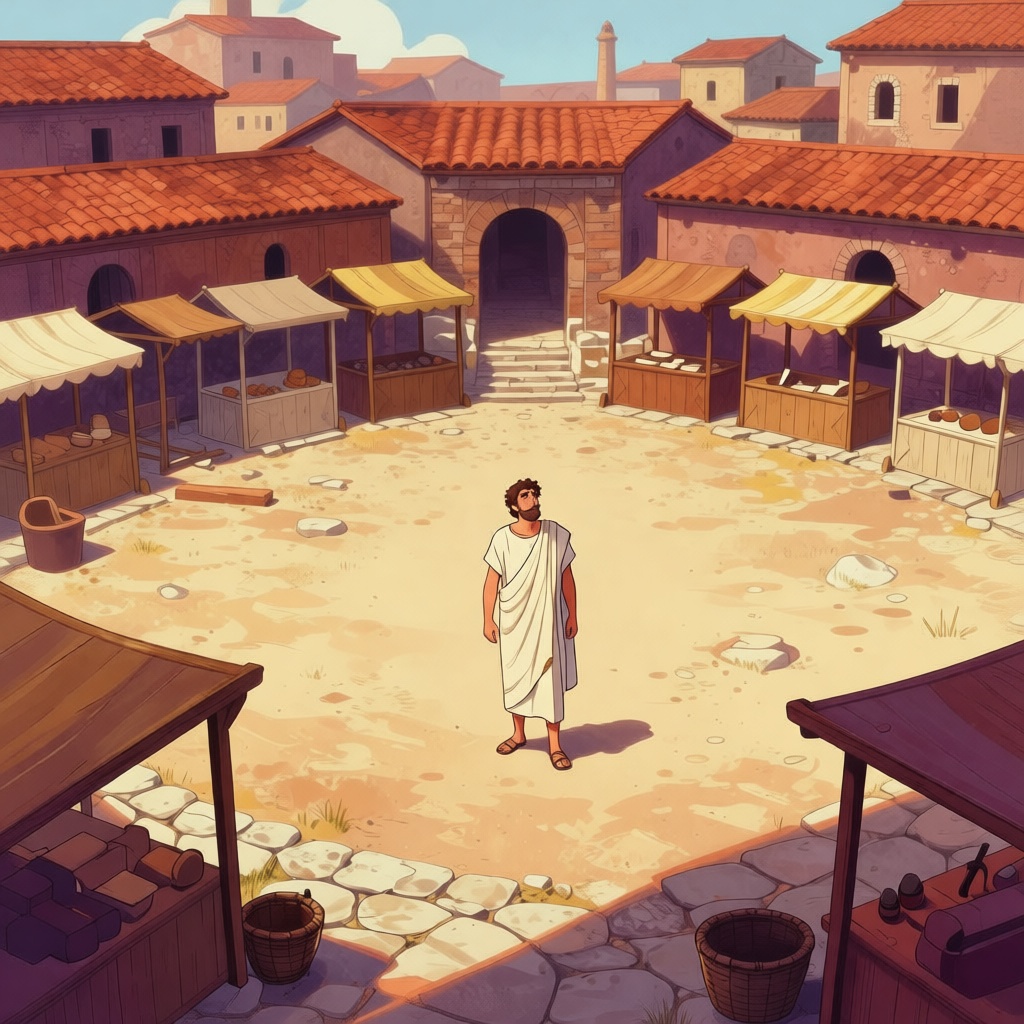
One morning in 494 BCE, the Roman Forum fell silent. The clatter of commerce stopped. No vendors shouting. No hammers ringing from workshops. Patricians wandered through empty streets, staring at abandoned market stalls and cold ovens. The bakers were gone. The farmers were gone. The soldiers who protected Rome's walls were gone.
Every plebeian in the city had walked out overnight.
This was the First Secession of the Plebs, the earliest recorded general strike in history. The common people of Rome did not riot or burn buildings or murder aristocrats. They simply left. No society functions without its workers, and Rome was about to learn that lesson the hard way.
The patricians, Rome's hereditary aristocracy, had spent generations accumulating power while treating the plebeians as disposable. Now they stood in their fine togas, looking around their empty city, confronting a question they had never seriously considered: what happens when the people you exploit refuse to be exploited any longer?
Two Classes of Citizen, One Class of Human
To understand why Rome's working class staged the ancient world's first coordinated labor action, you need to understand the system they were fighting against.
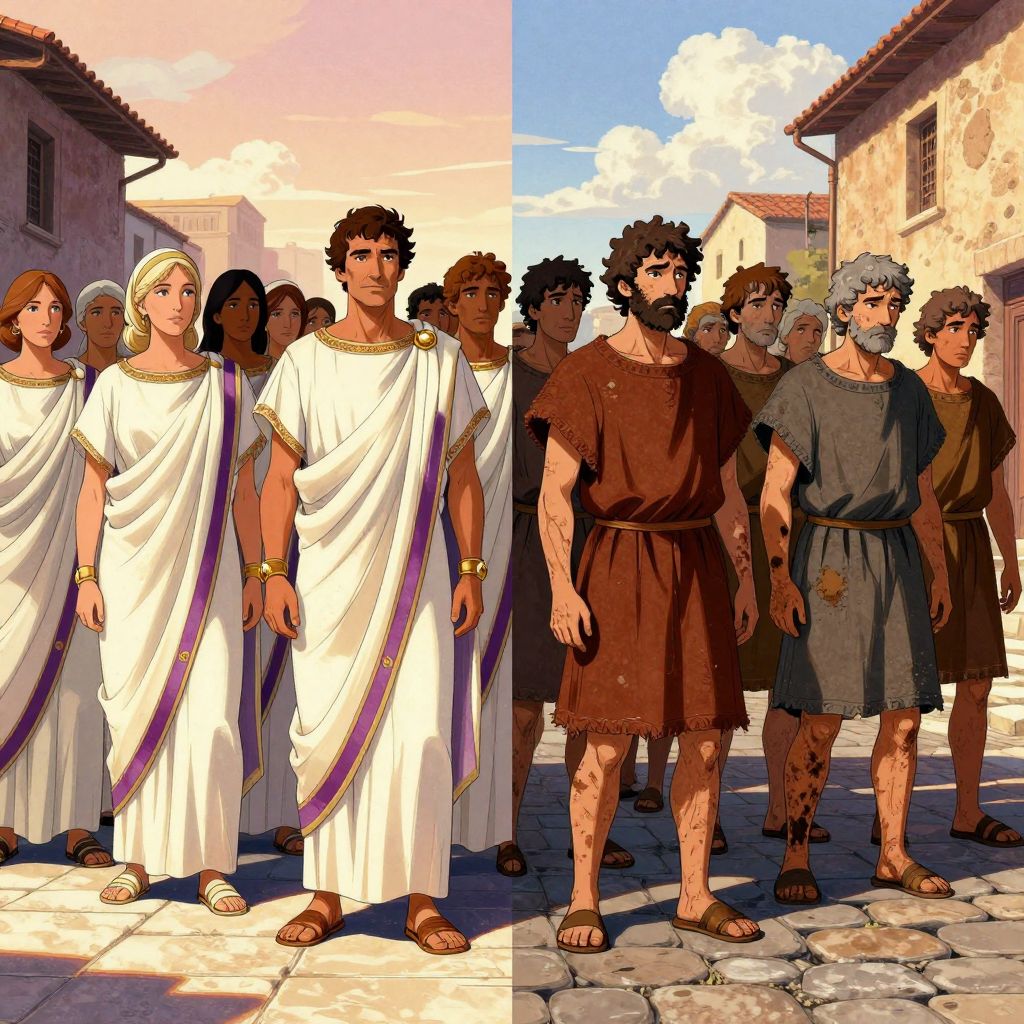
Early Republican Rome divided its citizens into two rigid classes. Patricians were the old families who traced their ancestry back to Rome's founding. They owned the land, controlled the courts, staffed the priesthoods, and monopolized political office. The two annual consuls who ruled Rome were always patricians. The Senate was filled with patricians. The laws were interpreted by patricians.
Plebeians were everyone else. Free Roman citizens, yes, but citizens with few meaningful rights. They could serve in Rome's armies and die in Rome's wars, but they could not hold high office. They could work the land, but the land they worked often belonged to patrician families. They could not even marry patricians. The two classes were legally and socially separated.
Slavery existed beneath both classes. Enslaved people were property, not citizens. But the plebeians discovered that their citizenship offered less protection than they had assumed. The gap between a plebeian farmer and an enslaved laborer could narrow frighteningly fast when debts came due.
The Debt Trap
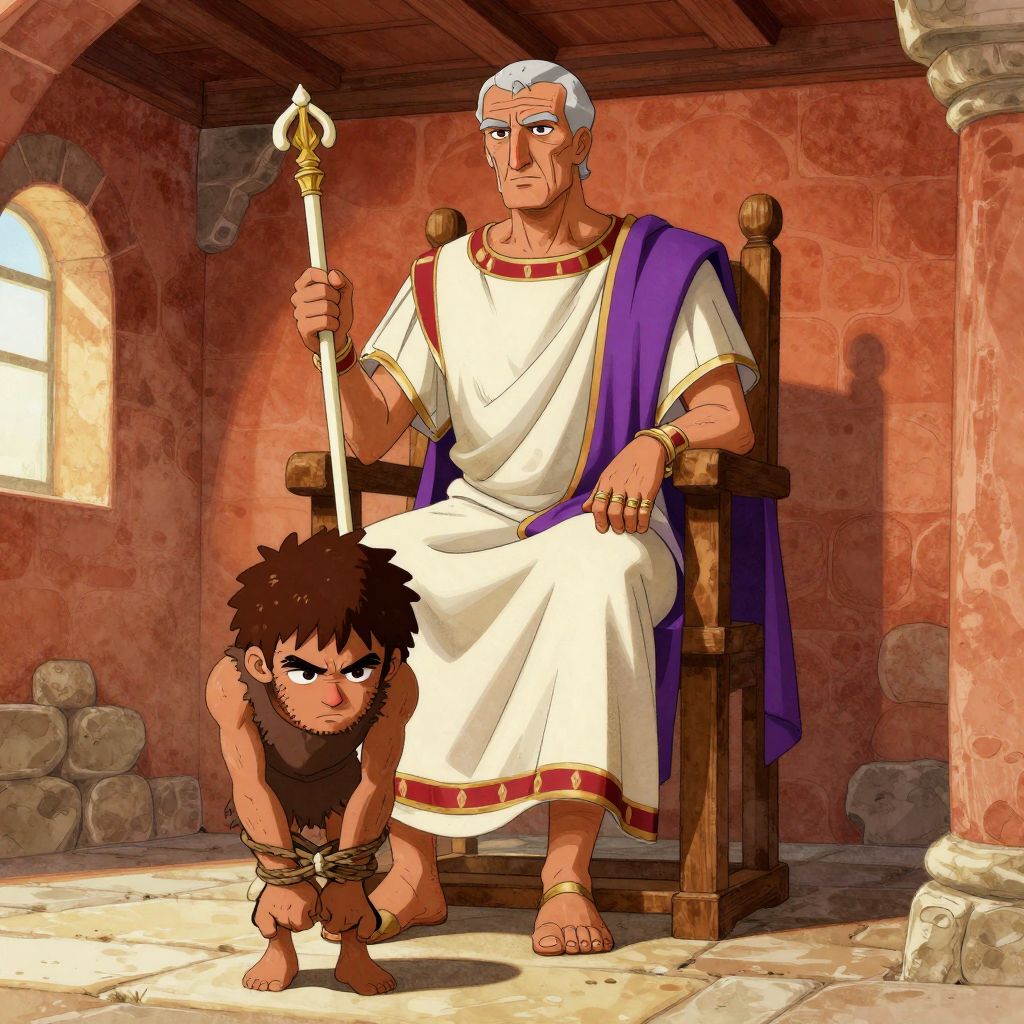
The immediate trigger for the secession was Rome's brutal debt system. A practice called nexum allowed creditors to seize debtors who could not pay, forcing them into a form of bondage. A plebeian who fell behind on payments could be bound to work off his debt on his creditor's land. He remained technically a citizen, but he had effectively lost his freedom.
The system was designed to fail. A plebeian farmer might be called away to fight in Rome's endless wars against neighboring tribes. While he was gone, his fields went unplanted or his crops went unharvested. He returned home to find his family in debt. He borrowed to survive. Interest accumulated. Eventually, he lost everything.
The ancient historian Livy records the story of an elderly veteran who threw himself into the Forum in a desperate bid to tell his story. He appeared emaciated, pale, with a long unkempt beard and tattered clothing. His body bore the scars of combat from years of military service. This man had been an officer in Rome's wars against the Sabines. While he fought, enemy forces burned his farm and slaughtered his cattle. To rebuild, he borrowed money. When crop failures prevented repayment, he was beaten and thrown into a creditor's dungeon.
This was not one man's misfortune. This was the system working as designed. Patricians lent money to plebeians, knowing that military service, crop failures, or simple bad luck would eventually deliver the debtor into their hands. The debt trap converted free farmers into dependent laborers and concentrated land ownership among fewer families.
The Laws Existed Only in Memory
What made the debt crisis even more devastating was that plebeians had no reliable way to defend themselves in court. Roman law in 494 BCE was not written down. Legal customs and precedents existed only in the memories of the patrician priests who interpreted them.
When a dispute arose, the patrician judges simply declared what the law was. If that declaration happened to favor patrician creditors over plebeian debtors, who could challenge them? There was no text to consult, no record to examine. The law was whatever the patricians said it was.
This system invited abuse. A veteran could return from serving Rome faithfully for fifteen years to discover that debts he never agreed to had somehow accumulated against his property. The courts would rule against him based on legal principles he had never heard of, interpreted by judges who had every incentive to side with creditors.
The plebeians understood that without written, public laws, they would always be at the mercy of those who controlled legal interpretation. This demand for codified law would simmer for another forty-five years until the publication of the Twelve Tables in 449 BCE. But that victory lay in the future. In 494 BCE, the plebeians had a more immediate problem to solve.
The Walk to the Sacred Mountain
A man named Lucius Sicinius Vellutus proposed something radical. Instead of rioting, instead of fighting, the plebeians should simply leave. Let the patricians see what Rome looked like without the people who actually made it function.
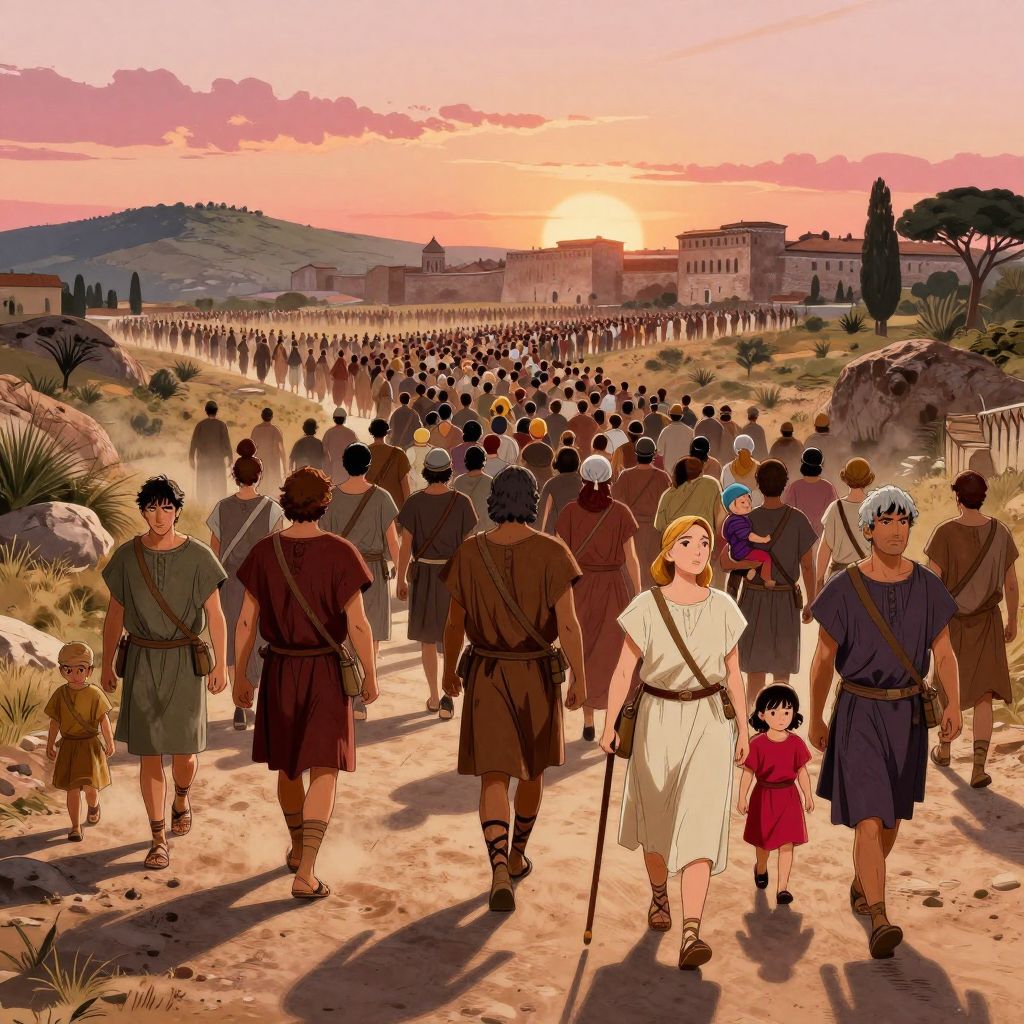
The plebeians followed his advice. They gathered their families and their few possessions and marched three miles northeast of the city to a hill called the Mons Sacer, the Sacred Mountain. There they established a fortified camp with ramparts and trenches. And they waited.
The choice of location was significant. The site may have already had religious associations, used for rituals by priests and diviners. By camping there, the plebeians gave their protest a sacred dimension. This was not merely a labor dispute. This was a moral stand, sanctified by the gods.
The timing was also strategic. Rome was at war with neighboring peoples, including the Volsci and Aequi. The city's armies were composed largely of plebeian soldiers. Without them, Rome had no defense. The patricians could watch enemy forces approach and do nothing, or they could negotiate.
Some ancient sources place the secession on the Aventine Hill, closer to Rome, but most historians follow Livy in locating it on the Sacred Mountain. The distance mattered. Three miles was far enough to demonstrate independence but close enough to remind the patricians that the plebeians could return, if given sufficient reason.
The Fable of the Belly and the Limbs
After several days of anxious deliberation, the Senate sent envoys to negotiate. They chose Agrippa Menenius Lanatus, a former consul known for his speaking skills and, importantly, for his plebeian ancestry. Menenius was one of the few patricians the plebeians might actually listen to.
Menenius told the crowd a fable. Once, the human body's limbs decided they were tired of working to feed the stomach. The hands gathered food, the mouth chewed it, but the stomach just sat there, getting fat. So the limbs went on strike. They refused to bring food to the mouth or allow the mouth to chew.
The result was predictable. Without nourishment, the entire body began to weaken. The limbs grew tired. The hands could no longer grasp. The legs could no longer walk. The body was dying, and only then did the limbs realize their mistake. The stomach was not idle. It digested the food and distributed nourishment throughout the body. Without it, everyone starved.
The message was clear: patricians and plebeians were parts of the same body. The plebeians might think they did all the work, but the patricians performed essential functions too. Neither could survive without the other.
It was elegant rhetoric. It was also, as the plebeians recognized, largely nonsense.
Sicinius Calls the Bluff
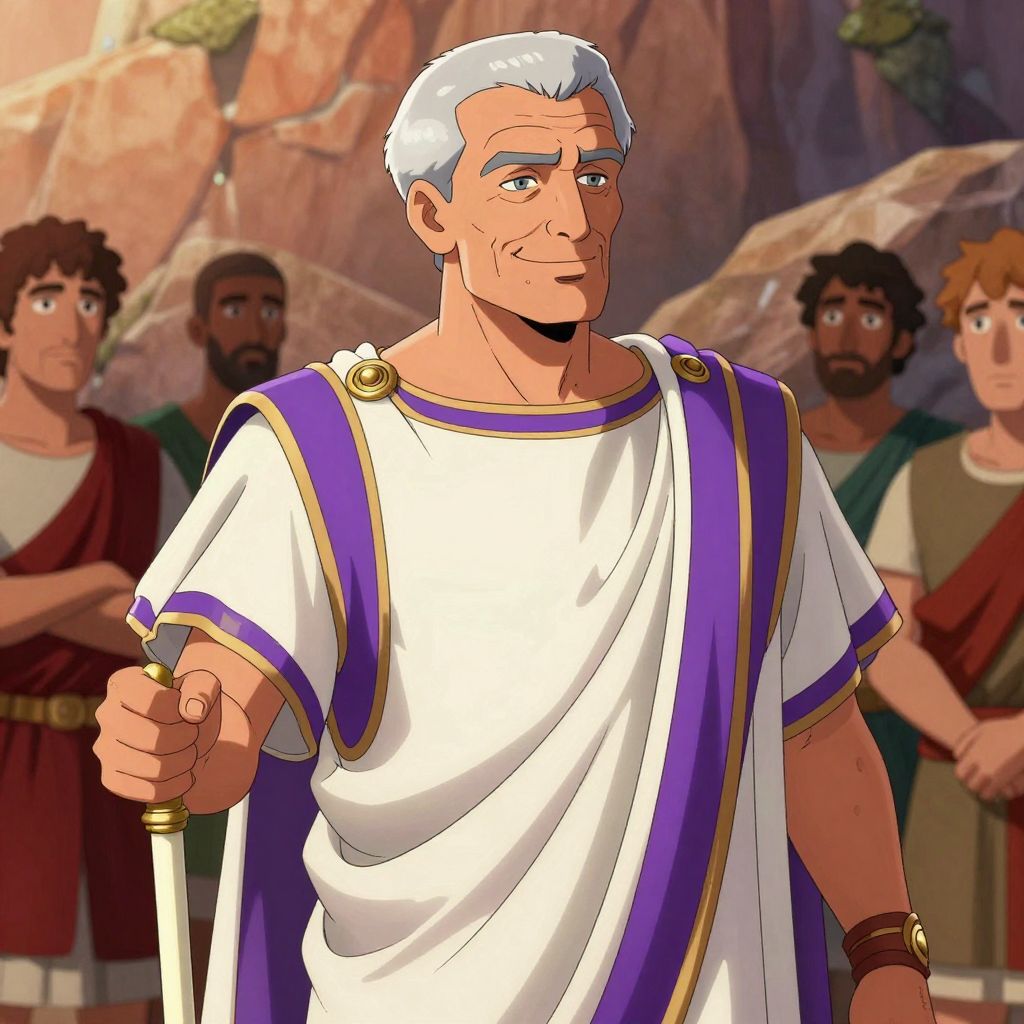
Sicinius, the veteran who had led the plebeians to the Sacred Mountain, stepped forward to respond. He had fought for Rome for fifteen years. His hands bore the scars and missing fingers to prove it. He had watched men sacrifice everything for the Republic, only to return home and lose their farms to the very people they had defended.
According to tradition, Sicinius accepted the fable's premise and turned it against the patricians. Fine, he said. We are the limbs. But limbs can choose not to work. What is the belly going to do, digest itself?
The patrician envoys had no answer. The fable assumed that the limbs, once they understood their proper role, would voluntarily resume their labor. But Sicinius showed that understanding was not the same as acceptance. The plebeians understood exactly how the system worked. That was why they had left.
The belly needed the limbs more than the limbs needed the belly. Everyone on that hillside knew it.
The Birth of the Tribunate
The patricians capitulated. They agreed to create a new office: the tribune of the plebs. These officials would be elected by plebeians alone, from among the plebeians. Their job was simple: protect the common people from patrician abuse.
The tribunes received extraordinary powers. They could veto any action by the consuls, the Senate, or any other magistrate. One word, veto, Latin for "I forbid," could stop a law mid-passage, halt a trial, or freeze the Senate in mid-vote. This was not the power to act. It was the power to prevent action. And against a system designed to exploit them, prevention was exactly what the plebeians needed.
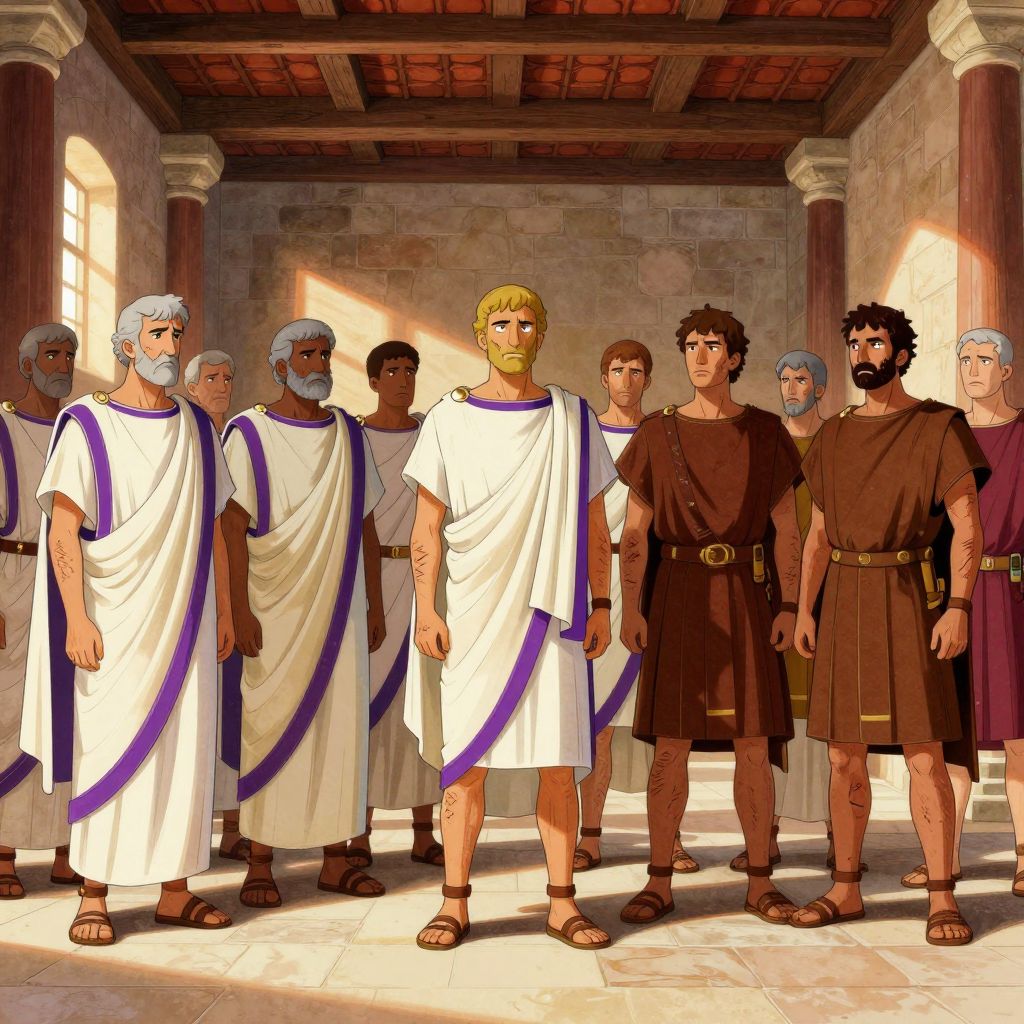
The tribunes were also declared sacrosanct. Any person who harmed a tribune, or even interfered with a tribune performing his duties, was declared an outlaw. Plebeians were bound by oath to defend the tribunes, and they had the right to kill anyone who violated tribunician sacrosanctity on the spot. No magistrate could veto a tribune's actions. No court could try a tribune. They were, within the boundaries of Rome, legally untouchable.
Initially, there were probably two tribunes, though some sources say five. The number would eventually increase to ten and remain there throughout the Republic's history. The first tribunes included Sicinius himself and another plebeian leader named Lucius Albinius.
Why It Worked
The First Secession succeeded because the plebeians had leverage and the discipline to use it. Rome's military strength depended on plebeian soldiers. Its economy depended on plebeian farmers and craftsmen. The patricians could not simply replace them. There were no alternative workers waiting in the wings.
The plebeians also showed remarkable unity. There is no record of significant defections or internal divisions during the secession. They stayed on the Sacred Mountain until they got what they wanted, despite the hardships of camping outdoors with their families.
The plebeians were also not asking for revolution. They were not demanding the abolition of patrician privilege or the redistribution of all land. They wanted protection within the existing system. The tribunate gave them a defensive weapon, not an offensive one. Patricians could still dominate Roman politics, but they could no longer act without any check at all.
This moderation made the settlement sustainable. The patricians gave up something real (the power to act without opposition) in exchange for keeping something they valued more (their dominant position in Roman society). It was a compromise that both sides could accept, at least temporarily.
The Long Struggle Continued
The First Secession did not end the conflict between patricians and plebeians. It merely opened a new chapter. The two centuries following 494 BCE saw at least four more secessions, along with a steady expansion of plebeian rights.
In 449 BCE, the plebeians finally won written laws with the publication of the Twelve Tables. These bronze tablets, displayed publicly in the Forum, codified Roman legal customs for all to see. The patricians could no longer simply invent laws to suit themselves.
In 445 BCE, the Lex Canuleia permitted intermarriage between patricians and plebeians, breaking down one of the legal barriers that separated the classes.
In 367 BCE, the Licinio-Sextian laws opened the consulship to plebeians for the first time. One of the two annual consuls now had to be a plebeian.
In 287 BCE, the Lex Hortensia declared that decisions of the Concilium Plebis (the plebeian assembly) were binding on all Roman citizens, not just plebeians. This effectively ended the Conflict of the Orders. For legal and political purposes, patricians and plebeians were now equal.
The process took nearly two hundred years. But it began on that hillside in 494 BCE, when Sicinius and his fellow veterans decided that they had sacrificed enough for a Republic that gave them nothing in return.
The Legacy of the Tribunate
The office of tribune of the plebs became one of the most powerful positions in the Roman Republic. Tribunes could paralyze the government with a single word. They could prosecute corrupt officials. They could propose legislation directly to the people without senatorial approval.
This power made the tribunate both essential and dangerous. In the final century of the Republic, ambitious politicians sought the tribunate as a path to power. Julius Caesar used tribunes to push his agenda. The tribune Tiberius Gracchus was murdered by senators who feared his land reform proposals. The tribunate, designed to protect the weak against the strong, became a weapon in the power struggles that ultimately destroyed the Republic.
After Augustus established the Empire in 27 BCE, he stripped the tribunate of its independence while keeping its powers for himself. The emperors held "tribunician power" as part of their authority, using the office's sacred status and veto power to justify their rule. The institution survived, in a sense, by being absorbed into the monarchy.
But the principle that the First Secession established has outlasted Rome itself. Workers can withhold their labor to demand better treatment. The powerful need the powerless more than they admit. Collective action can force concessions from those who hold all the formal authority. These lessons have been rediscovered and reapplied throughout human history.
What Sicinius Won
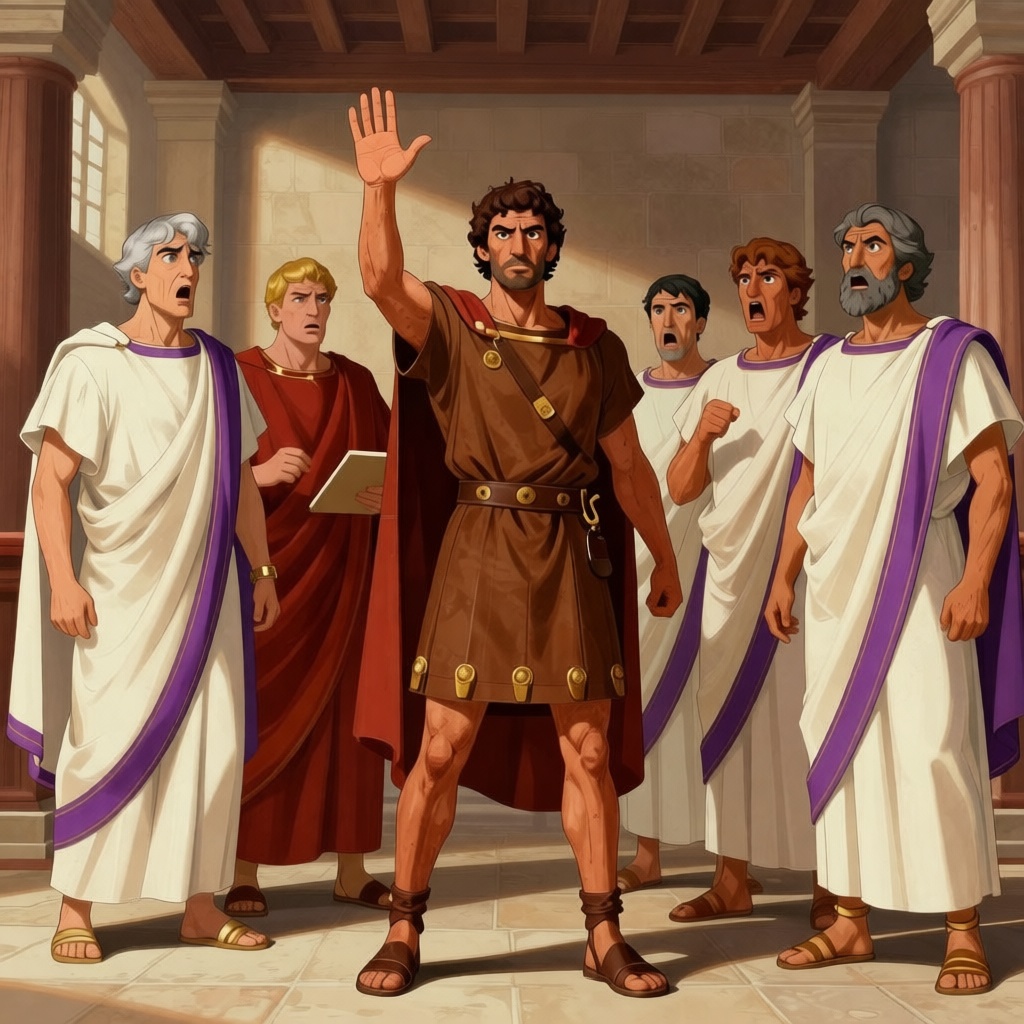
Sicinius became one of the first tribunes of the plebs. He walked back to Rome that day, not celebrating but exhausted. He had done what Lucius Junius Brutus, who expelled the Tarquin kings fifteen years earlier, never managed. He had made the patricians afraid of the people they ruled.
The veteran did not get his farm back. That was not what the tribunate provided. But he and every plebeian who came after him gained something perhaps more valuable: an official whose entire job was to say no on their behalf. Someone who could stand between a debt collector and his victim, between a corrupt magistrate and an innocent defendant, and utter that single powerful word.
Veto.
I forbid.
Sicinius did not want to lead a revolution. He just wanted justice for men like himself, veterans who had given everything and received nothing. Sometimes wanting justice badly enough is the same thing.
Frequently Asked Questions
1What was the First Secession of the Plebs?
The First Secession of the Plebs (494 BCE) was history's first recorded general strike. Rome's common citizens (plebeians) abandoned the city en masse and camped on the Sacred Mountain (Mons Sacer) three miles away, refusing to work or fight until the patrician aristocracy granted them political protections.
2What did the plebeians win from the First Secession?
The plebeians won the creation of the tribune of the plebs, an official elected by plebeians to protect their interests. Tribunes had the power to veto any government action and were declared sacrosanct, meaning anyone who harmed them could be killed on the spot.
3Who was Lucius Sicinius Vellutus?
Lucius Sicinius Vellutus was a veteran soldier who led the plebeians to the Sacred Mountain and became one of the first tribunes of the plebs. He responded to the patrician fable about the body's limbs and stomach by pointing out that limbs can choose not to work.
4What is the fable of the belly and the limbs?
The patrician envoy Menenius Agrippa told a fable about the body's limbs refusing to feed the stomach, only to realize that without the stomach distributing nourishment, the whole body would die. It was meant to convince plebeians that patricians served an essential function, but Sicinius turned it against them by noting that limbs can choose to stop working.
5What does 'veto' mean and where does it come from?
Veto is Latin for 'I forbid.' It was the word Roman tribunes used to block any government action. A tribune needed only to be physically present and speak this single word to halt laws, trials, or Senate votes. The term and concept passed into modern political systems worldwide.
6How many secessions of the plebs were there?
Ancient sources record five secessions between 494 BCE and 287 BCE. Each secession won additional rights for the plebeians, including written laws (the Twelve Tables in 449 BCE), the right to hold the consulship (367 BCE), and full legislative equality (287 BCE).
Experience the First Secession
Walk with the plebeians to the Sacred Mountain and witness Rome's first general strike, narrated by Lumo, the immortal wolf who watched it happen.


Listen to Related Stories
The Sacred Mountain
4 minRome woke up empty. No bread in the ovens. No hammers in the workshops.

Listen to the Full Story
Experience history through immersive audio lessons narrated by Lumo, your immortal wolf guide.