The Fire-Breather
Four hundred slaves stormed the gates of Enna on a summer night in 135 BCE. They carried farm tools, stolen swords, burning torches. At their head marched a Syrian named Eunus who claimed the goddess Atargatis spoke to him in visions.
He had a trick. A hollow walnut shell filled with hot coals. When he breathed on it just right, flames seemed to pour from his mouth.
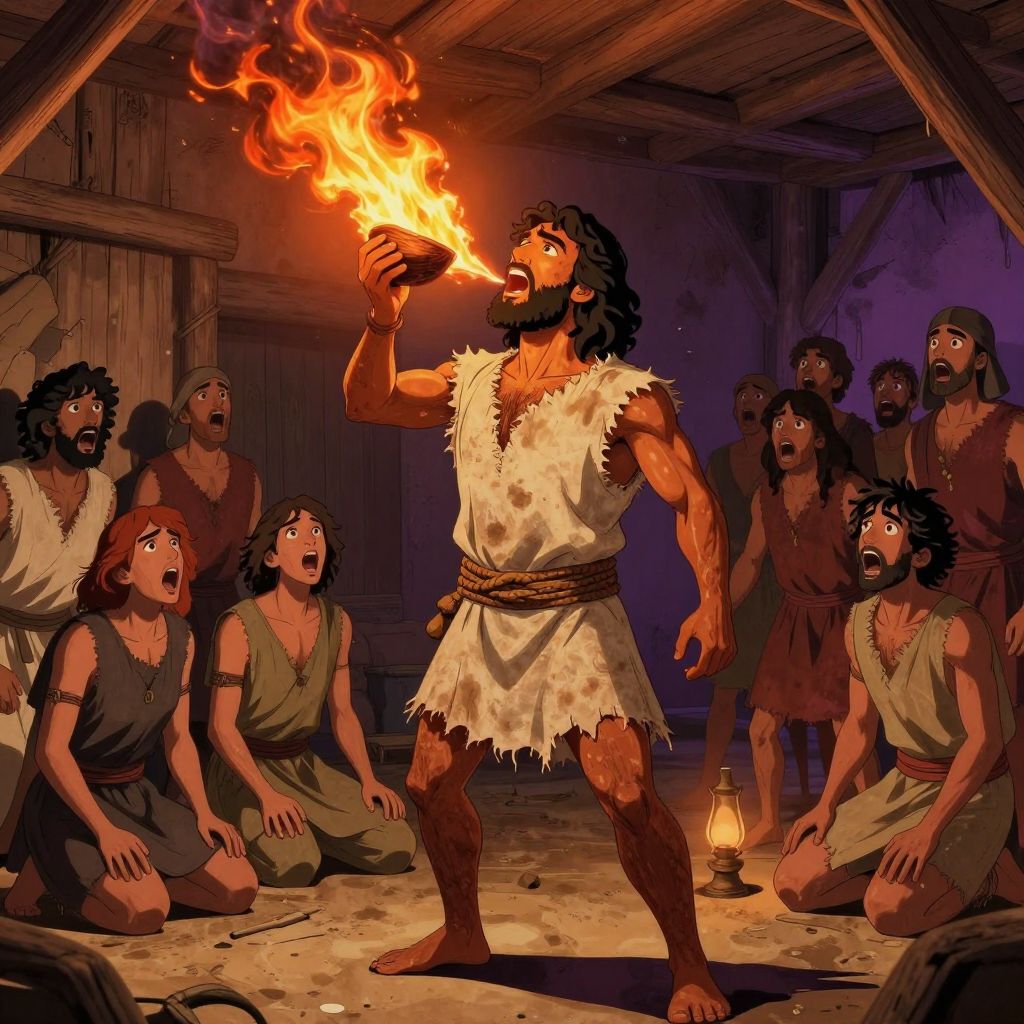
Was it a con? Probably. But sixty years before Spartacus would lead gladiators in the most famous slave revolt in history, Eunus proved something that terrified Rome: slaves could organize. Slaves could fight. And slaves could win.
The First Servile War lasted three years. It took multiple Roman armies, three consular commands, and systematic starvation to end it. When it finally collapsed, Rome lined the roads with twenty thousand crosses.
This is the story Rome tried to forget.
Victory's Curse: How Conquest Destroyed the Conquerors
To understand why Sicily exploded in 135 BCE, you have to understand what Rome's military victories had done to its own citizens.
By the mid-second century BCE, Rome had crushed Carthage, conquered Greece, and dominated the Mediterranean. The spoils were staggering: treasure, art, grain. Above all, people. Hundreds of thousands of war captives flooded into Italy and Sicily as slaves.
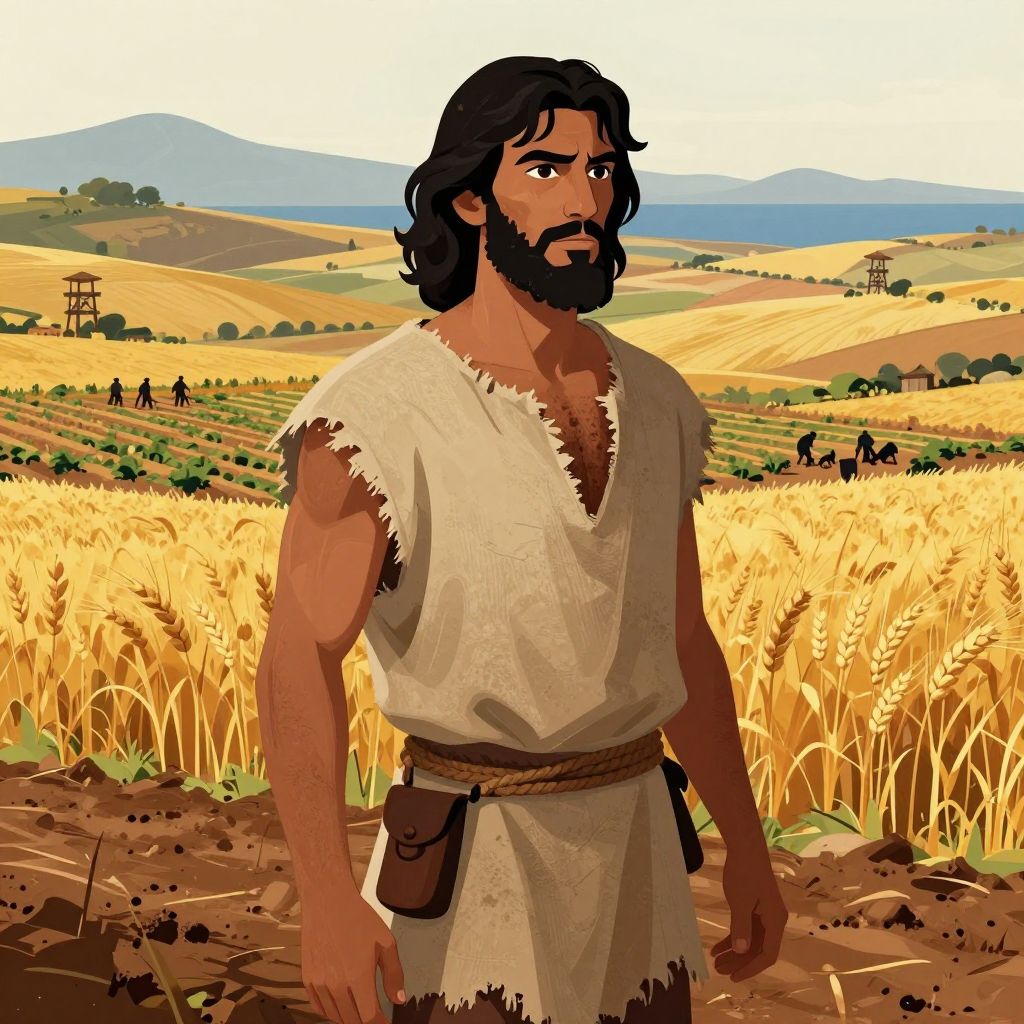
The Roman aristocracy saw opportunity. Land in Sicily was cheap. Slaves were cheaper. Small farmers who had worked the soil for generations couldn't compete with operations that paid nothing for labor.
This created the latifundia system: massive agricultural estates worked entirely by enslaved people. These weren't family farms with a servant or two. They were industrial operations with hundreds, sometimes thousands, of workers in chains.
Diodorus Siculus, writing roughly a century after the revolt, described conditions on these estates in terms that still disturb. Slaves received minimal food and clothing. Many worked in chains. Beatings were routine. The mortality rate ran so high that owners considered it cheaper to work people to death and buy replacements than to maintain them properly.
The math was simple: grain had to be cheap for Rome's markets, so labor had to be cheaper still.
The Trap That Broke Men
One Sicilian slave owner became notorious even by the standards of his time. His name was Damophilus of Enna. Diodorus describes him as exceptionally cruel, his wife Megallis perhaps worse.
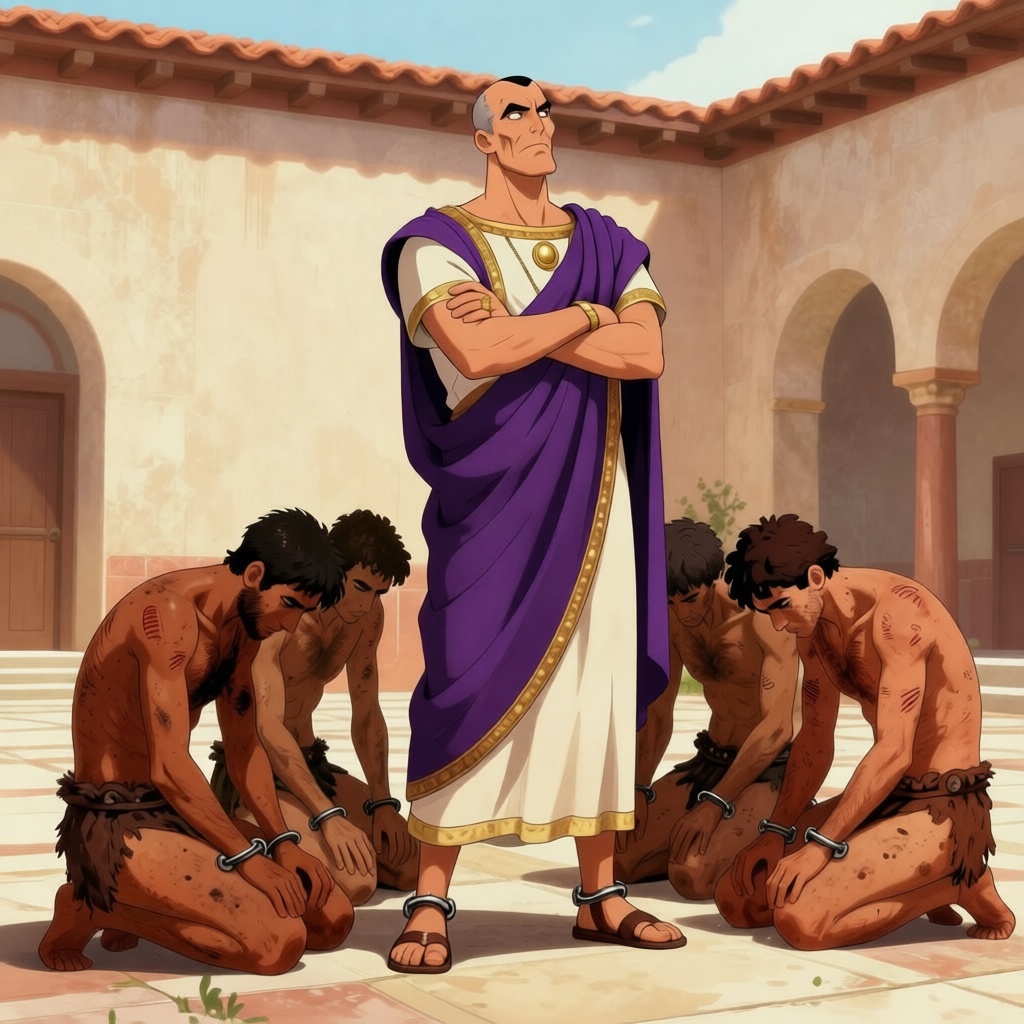
Damophilus paraded his slaves naked through town. When they begged for clothing, he told them to steal from travelers on the roads. When they did, he had them whipped for theft. It was a psychological trap designed to break them: obey and freeze, disobey and suffer.
The abuse wasn't unique to Damophilus. Throughout Sicily, the latifundia system had created conditions ripe for explosion. Owners armed their rural slaves and encouraged them to supplement their meager provisions through robbery. This created roving bands of desperate men who knew how to use weapons.
The Roman historian Florus noted that Sicily's slaves had become skilled fighters out of necessity. They hunted wild animals for food. They raided travelers for clothing. They formed gangs for protection.
Rome had created an army. They just hadn't realized it yet.
A Prophet Rises
Into this powder keg walked Eunus.
The ancient sources paint a complicated picture. He was Syrian, possibly from Apamea, enslaved and brought to Sicily. He claimed visions from the goddess Atargatis, a major Syrian deity associated with fertility and protection. Unlike many religious leaders who emerge during crises, Eunus had been making these claims for years before the revolt.
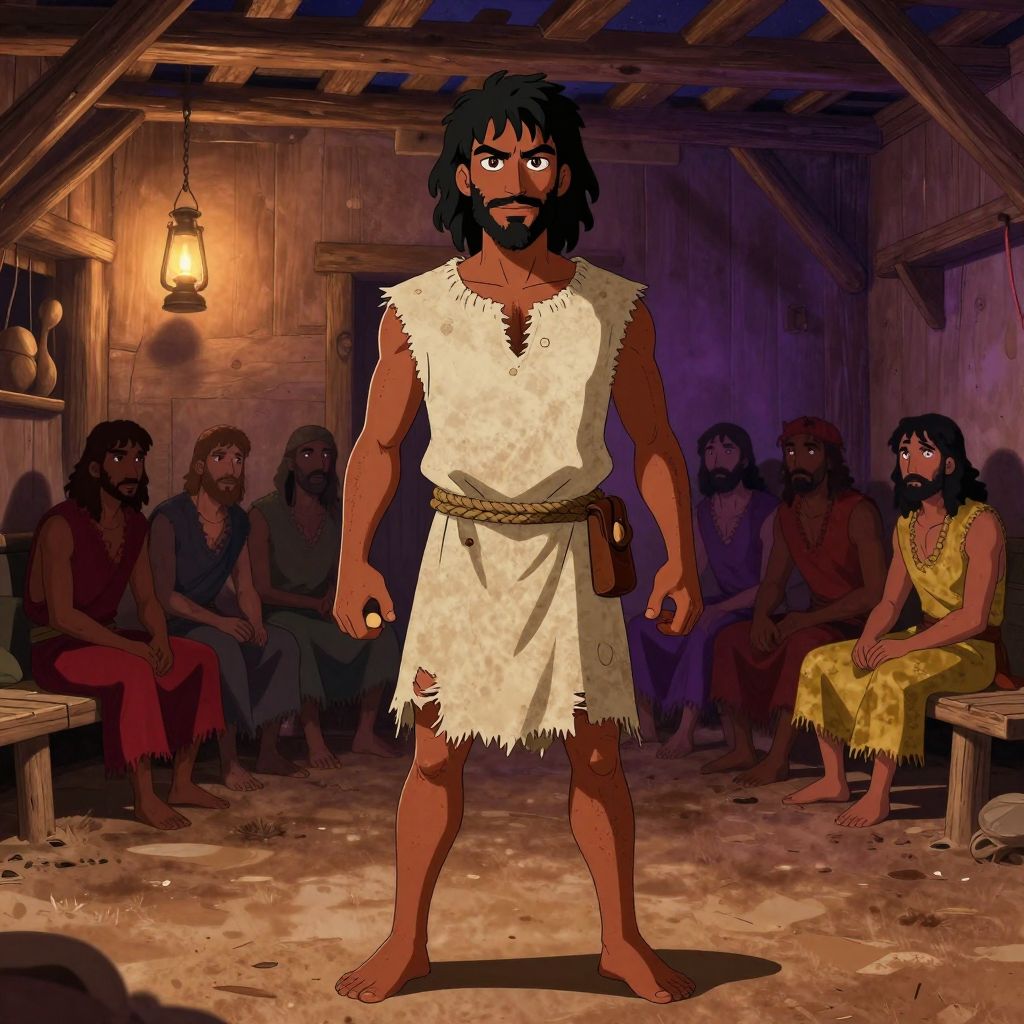
His fire-breathing trick fascinated his fellow slaves and amused his owner. Eunus was passed around at dinner parties as entertainment. The wealthy Romans laughed at his prophecies, tossed him scraps from their tables, asked him to remember them when he became king.
They thought it was a joke.
Diodorus provides an interesting detail: Eunus told his fellow slaves that the goddess had promised him a crown. He said this openly, repeatedly, for years. No one took it seriously until suddenly everyone did.
How much of Eunus's religious persona was calculated manipulation? How much was genuine belief? When you tell people for years that you're destined to be king, and they eventually rise up and make you one, does that prove you were right?
The line between con man and prophet blurred. Maybe it always does.
The Night Enna Burned
The revolt began in 135 BCE. Four hundred slaves, organized by Eunus, stormed the town of Enna.
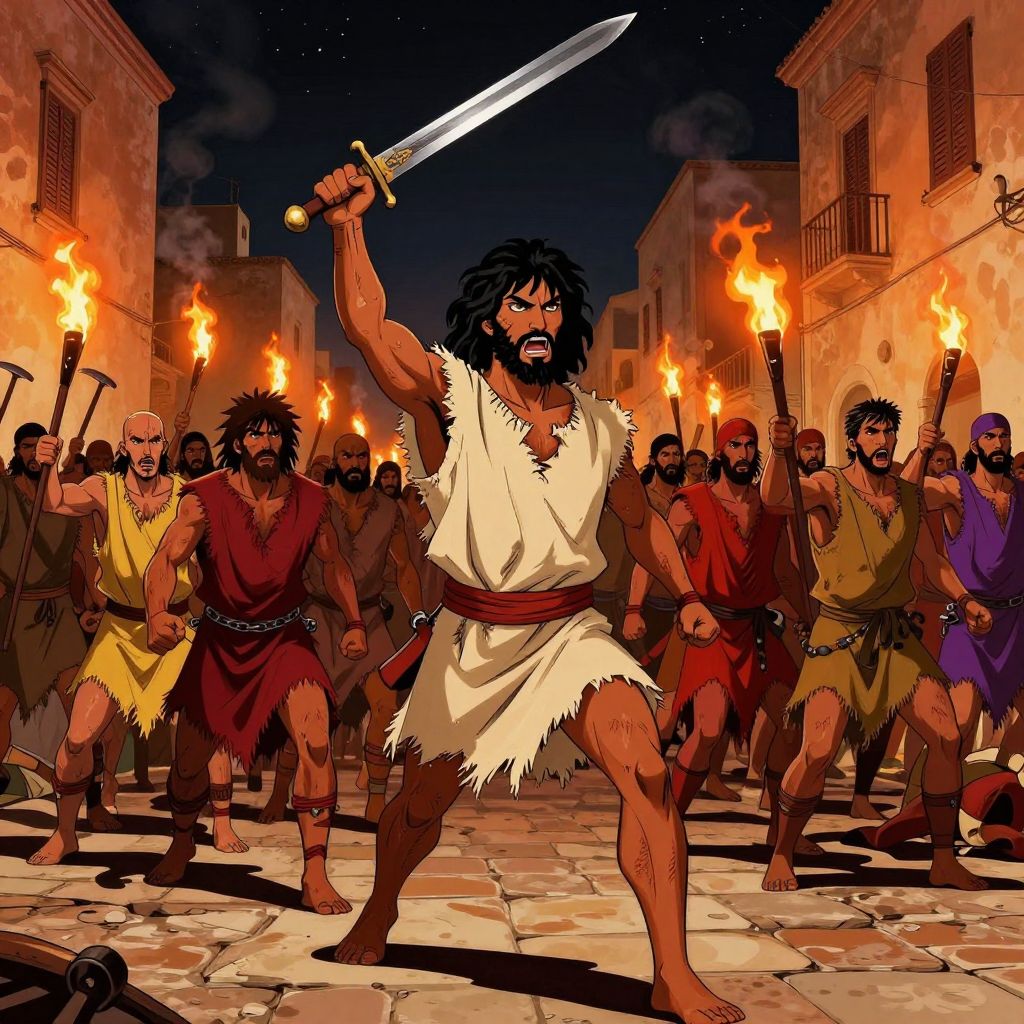
The attack was coordinated and devastating. Enna's garrison was small; Sicily had been at peace for decades. The slaves broke through the gates, seized weapons from the armory, and began systematic retaliation against their former masters.
Damophilus was dragged to the theater where he had once watched gladiatorial games. Now he was the entertainment. His wife Megallis was handed to her female slaves. They took their time.
But their daughter, who according to Diodorus had shown consistent kindness to slaves, was escorted safely out of the city and returned to relatives. Even in the chaos of revolution, the rebels kept accounts.
Within days, four hundred became four thousand. Slaves streamed in from surrounding estates. They didn't need to be recruited. They just needed a signal.
Eunus was the signal.
King Antiochus of the Slaves
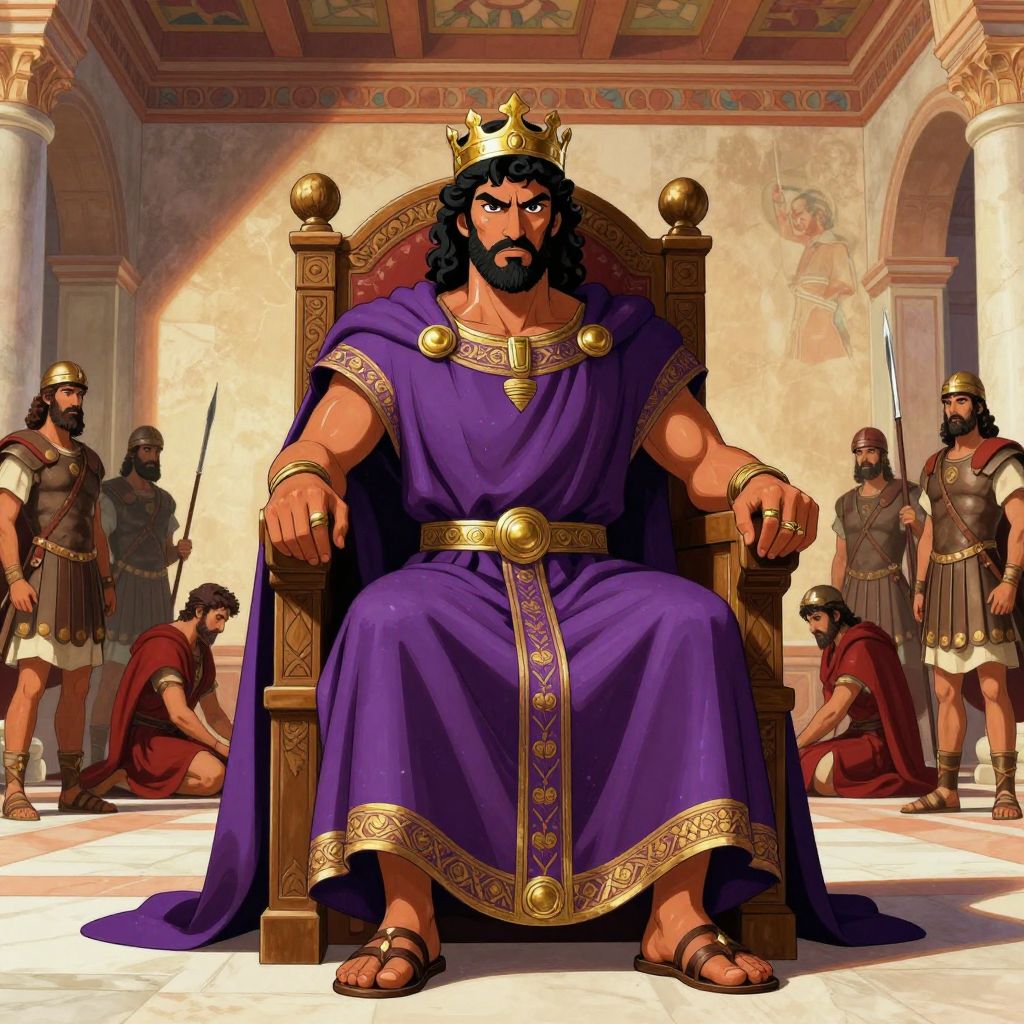
Eunus crowned himself King Antiochus. He chose the name of the Seleucid dynasty that had ruled his Syrian homeland. This wasn't pretension for its own sake. By taking a royal name associated with legitimate Hellenistic kingship, Eunus claimed an identity beyond successful rebellion.
He minted coins. He held court. He appointed officials. He wore purple, the color reserved for kings.
The slave kingdom of Sicily functioned as an actual state, however briefly. Eunus established a council of advisors and organized his followers into something resembling an army. Cleon, who had led a separate uprising, joined forces and became Eunus's military commander rather than a rival.
This cooperation was remarkable. Slave revolts typically fragmented into competing factions. The First Servile War produced a unified command structure that lasted for years.
Seventy Thousand
By summer of 135 BCE, Eunus commanded an army of seventy thousand.
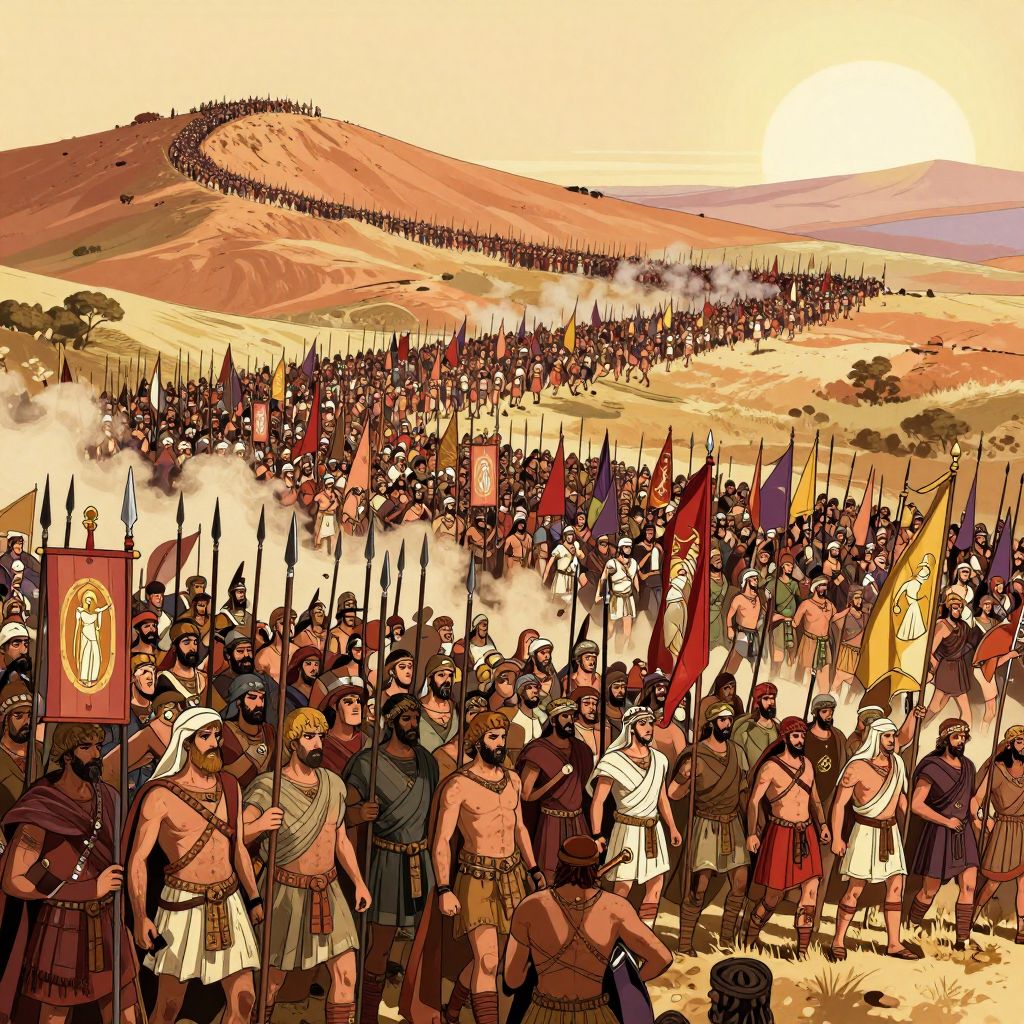
Rome sent armies. The rebels destroyed them.
The first Roman forces to arrive were local militias and garrison troops, unprepared for the scale of the uprising. They were annihilated. Rome then sent praetors with proper legionary forces. Lucius Hypsaeus led the first expedition. He was defeated. Several more praetors followed. Same result.
Four Roman armies in succession marched into Sicily. Four were destroyed or scattered.
The sources describe Romans as bewildered. Slaves weren't supposed to fight like this. They weren't supposed to have competent leadership. They weren't supposed to maintain unit cohesion or execute tactical maneuvers.
But many of these slaves had been soldiers before their enslavement. They were prisoners of war from Rome's conquests in the east, men who had fought in professional armies before being captured and sold. They knew how to form shield walls. They knew discipline. They knew how to win.
Rome hadn't enslaved farmers. Rome had enslaved warriors.
The Senate Wakes Up
The Roman Senate, which had initially treated the revolt as a provincial nuisance, began to panic. This wasn't a minor uprising requiring a police action. This was an enemy occupation of one of Rome's most important provinces.
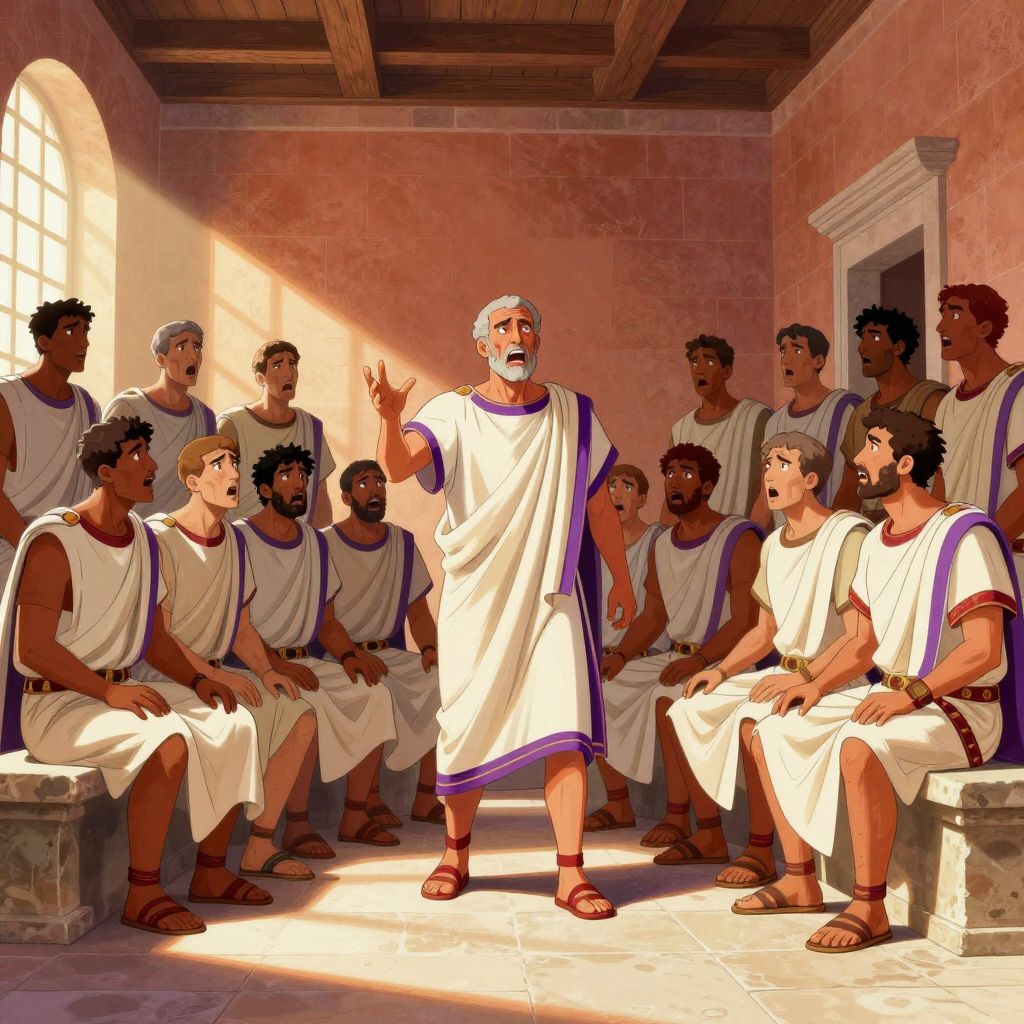
Sicily was Rome's breadbasket. The grain that fed the capital came largely from Sicilian estates. Every month the revolt continued, Rome's food supply remained uncertain.
But the Senate's fear went deeper than logistics. If slaves could successfully revolt in Sicily, what about the millions of enslaved people in Italy itself? What about the mines, the farms, the households of Rome?
The ancient sources suggest that slave owners throughout the Roman world began watching their property more carefully. The idea that slaves might say no, and make it stick, terrified the ruling class in a way that military defeat never could.
In 134 BCE, Rome sent the consul Gaius Fulvius Flaccus. His campaign achieved nothing decisive. In 133 BCE, the consul Lucius Calpurnius Piso Frugi took over. He recaptured Messana and made progress, but couldn't end the war. In 132 BCE, the consul Publius Rupilius received the command. He brought a serious army and a serious strategy: siege warfare.
The End of the Dream
Rupilius understood that he couldn't defeat Eunus's forces in open battle. The rebels knew the terrain. They were motivated by desperation. They had nothing to lose.
So he starved them out.
Tauromenium fell first. The siege was brutal. The defenders, cut off from supplies, resorted to cannibalism before the city fell. Rupilius executed every survivor.
Then came Enna itself. The siege lasted months. Inside the walls, people ran out of food, then leather, then hope. They ate their dead. Disease spread through the weakened population.
When Enna finally fell in 132 BCE, the rebellion was over. Cleon died fighting during the final assault. Eunus was captured hiding in a pit with four companions: his cook, his barber, his jester, and the man who rubbed him in the bath.
The fire-breather who had made himself a king was taken to Morgantina and thrown into a cell. According to Diodorus, his flesh disintegrated into a mass of lice. He died in captivity before he could be judged. The sources agree on the ugliness of the end. They usually do, when it comes to slaves.
The Forest of Crosses
Rome's vengeance was systematic.
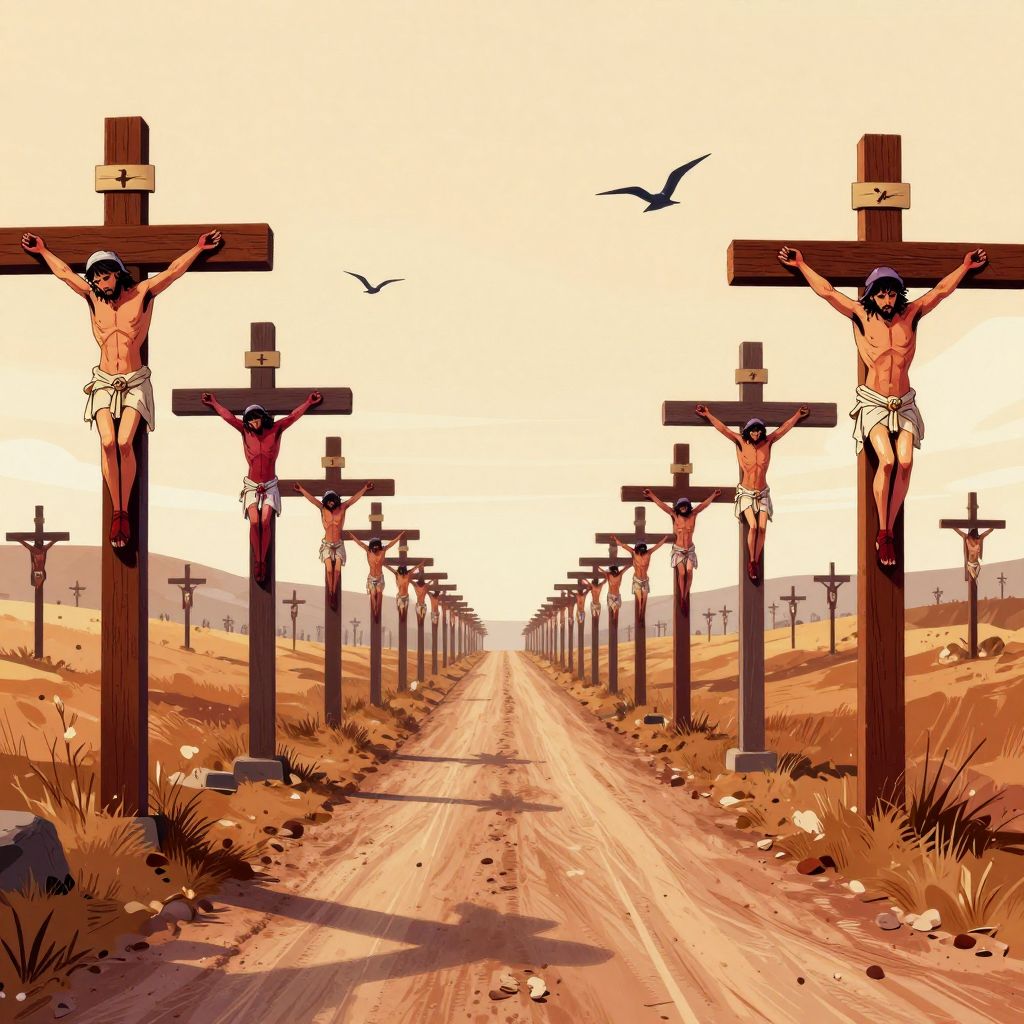
Twenty thousand captured rebels were crucified along the roads of Sicily. The ancient sources describe it as a landscape of death: crosses stretching to the horizon, bodies rotting in the Mediterranean sun, the stench lasting for months.
Crucifixion wasn't just execution. It was terror. The dying could take days. The bodies were left as warnings. Every traveler, every merchant, every slave passing those roads would see what happened to those who defied Rome.
The message was clear: This is what rebellion costs.
What Rome Learned (And What It Didn't)
The First Servile War should have taught Rome that the latifundia system was unsustainable. That treating people as expendable equipment created the conditions for catastrophe. That cruelty breeds revenge.
Rome learned none of these lessons.
Instead, Rome learned that crucifying twenty thousand people keeps the survivors quiet. That sufficient terror prevents rebellion. That fear works.
The latifundia system continued. The abuse continued. The conditions that created Eunus remained in place.
Sixty years later, Spartacus would lead seventy gladiators in an escape from a training school in Capua. Within two years, seventy thousand rebels would follow him. Six thousand would end up crucified along the Appian Way.
The Second Servile War erupted in Sicily in 104 BCE. Tens of thousands of slaves rose up, requiring years and multiple Roman armies to suppress.
Three times, Rome's slaves rose in massive revolts. Three times, Rome crucified thousands. Three times, Rome refused to change the system that created the revolts.
The lesson Rome took from the First Servile War was not that slavery was wrong. It was that slaves needed to be controlled more effectively. More guards. More chains. More fear.
The Prophet-King's Legacy
Eunus left no writings. We have no speeches, no manifestos, no philosophical treatises. Everything we know about him comes from Roman sources, written by men who considered him property that malfunctioned.
Yet certain facts survive.
He created a functioning state that lasted three years. He unified separate slave uprisings into a coordinated rebellion. He defeated multiple Roman armies. He established administrative systems, minted currency, and maintained order among tens of thousands of desperate people.
Whatever tricks he used to build his following, his organizational abilities were real. The fire-breathing may have been theater. The military victories were not.
His name itself tells a story. "Eunus" means "well-disposed" or "favorable" in Greek. It was probably a slave name, given by his owner to mark him as good-natured property. When he took the name Antiochus, he reclaimed an identity beyond his servitude.
For three years, a man Rome considered property ruled a kingdom. That fact alone terrified the masters of the Mediterranean.
The First Servile War established a pattern that would repeat. Slaves could rebel. They could win battles. They could hold territory. And ultimately, Rome would crush them with overwhelming force and mass crucifixion.
But every generation, someone would try again. Because the conditions never changed. Because people will only endure so much before they decide that death fighting is preferable to death serving.
Eunus breathed fire from a hollow walnut shell. Seventy thousand people believed in what the fire represented. That belief built a kingdom, however briefly.
The crosses came down eventually. The kingdom dissolved into Roman farms again. The name Eunus faded from popular memory, overshadowed by Spartacus's more dramatic story.
But he was first. The fire-breather who made Rome afraid. The slave who wore purple. The prophet-king of Sicily.
Frequently Asked Questions
1How did the First Servile War start?
In 135 BCE, about 400 slaves led by Eunus stormed the Sicilian town of Enna. The revolt spread rapidly as slaves from surrounding plantations joined. Within months, the rebel army numbered 70,000. The uprising was fueled by brutal conditions on Sicily's massive slave-worked agricultural estates called latifundia.
2Who was Eunus and why was he important?
Eunus was a Syrian slave who claimed to receive visions from the goddess Atargatis. He performed a fire-breathing trick using hot coals hidden in a hollow walnut shell, which helped him gain followers among fellow slaves. After the revolt succeeded, he crowned himself King Antiochus, minted coins, and ruled parts of Sicily for three years. He was the first slave leader to establish a functioning rebel state against Rome.
3How many Roman armies did the slave rebels defeat?
The rebels defeated four Roman armies in succession between 135 and 133 BCE. Rome initially underestimated the revolt and sent inadequate forces. The slaves, many of whom had been soldiers before being captured in Rome's eastern wars, proved capable of organized military resistance that humiliated multiple Roman commanders.
4How did Rome finally end the First Servile War?
Consul Publius Rupilius ended the war in 132 BCE through siege warfare. Rather than fight the rebels in open battle, he systematically besieged their strongholds. The defenders of Enna endured starvation and disease for months before the city fell. Eunus was captured hiding in a pit and died in captivity at Morgantina. About 20,000 captured rebels were crucified along Sicily's roads.
5What were the latifundia that caused the revolt?
Latifundia were massive agricultural estates that replaced small family farms in Sicily and Italy during the 2nd century BCE. They were worked by enslaved people, often war captives from Rome's conquests. The system was brutally efficient: slaves received minimal food and clothing, worked in chains, and were often worked to death. Conditions on these estates created the desperation that fueled the revolt.
6How does the First Servile War relate to Spartacus's rebellion?
The First Servile War (135-132 BCE) was the first of three major slave revolts against Rome. Spartacus led the Third Servile War about 60 years later (73-71 BCE). Both rebellions followed similar patterns: rapid growth from small beginnings, multiple Roman military defeats, eventual suppression through overwhelming force, and mass crucifixion of survivors. Rome never addressed the underlying conditions that caused these revolts.
Experience the Full Story
From the fire-breathing trick to the forest of crosses, hear Eunus's story told by an ancient witness.


Listen to Related Stories
The Prophet-King
4 minA Syrian slave claimed he could breathe fire. Seventy thousand people believed him.

Listen to the Full Story
Experience history through immersive audio lessons narrated by Lumo, your immortal wolf guide.