The Day Rome Almost Died
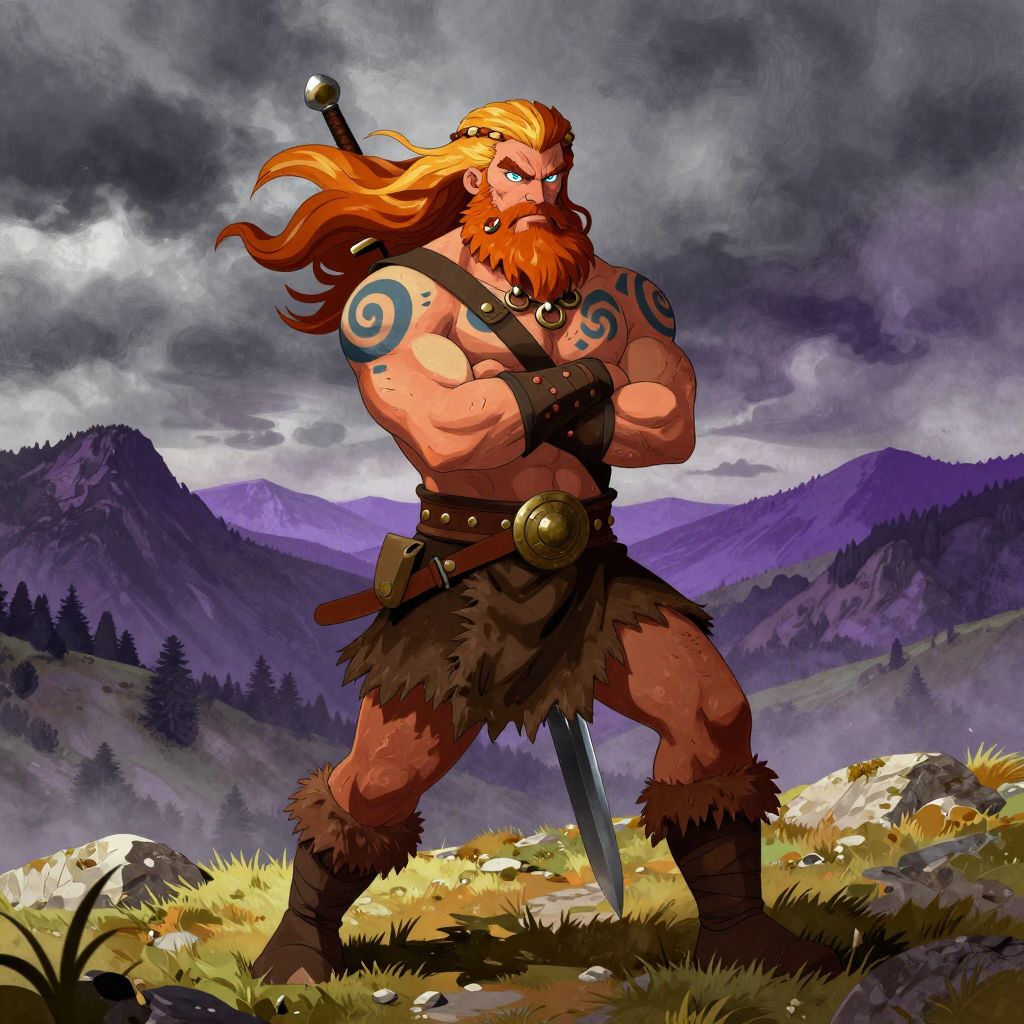
390 BCE. The Gauls came from beyond the Alps — Celtic tribes who treated warfare like religion. They collected the heads of their enemies as trophies. Mounted them on poles outside their camps like other cultures displayed flowers.
Romans had whispered about them for generations. "Behave, or the Gauls will get you." Every parent's favorite threat.
That year, the stories walked through their gates.
The Disaster at the Allia
It started at a river called the Allia, about eleven miles north of Rome. A wide, shallow waterway flowing over smooth stones. Peaceful. Ordinary. The kind of place you'd water your horses without a second thought.
The Romans sent their army. Not a token force: their commanders, most of their fighting men. Everything they had. The Senate must have watched them march out and felt confident. Rome had conquered its neighbors for a century. What were some barbarians from beyond the mountains?
The Gauls destroyed them in a single afternoon.
Not defeated. Destroyed.
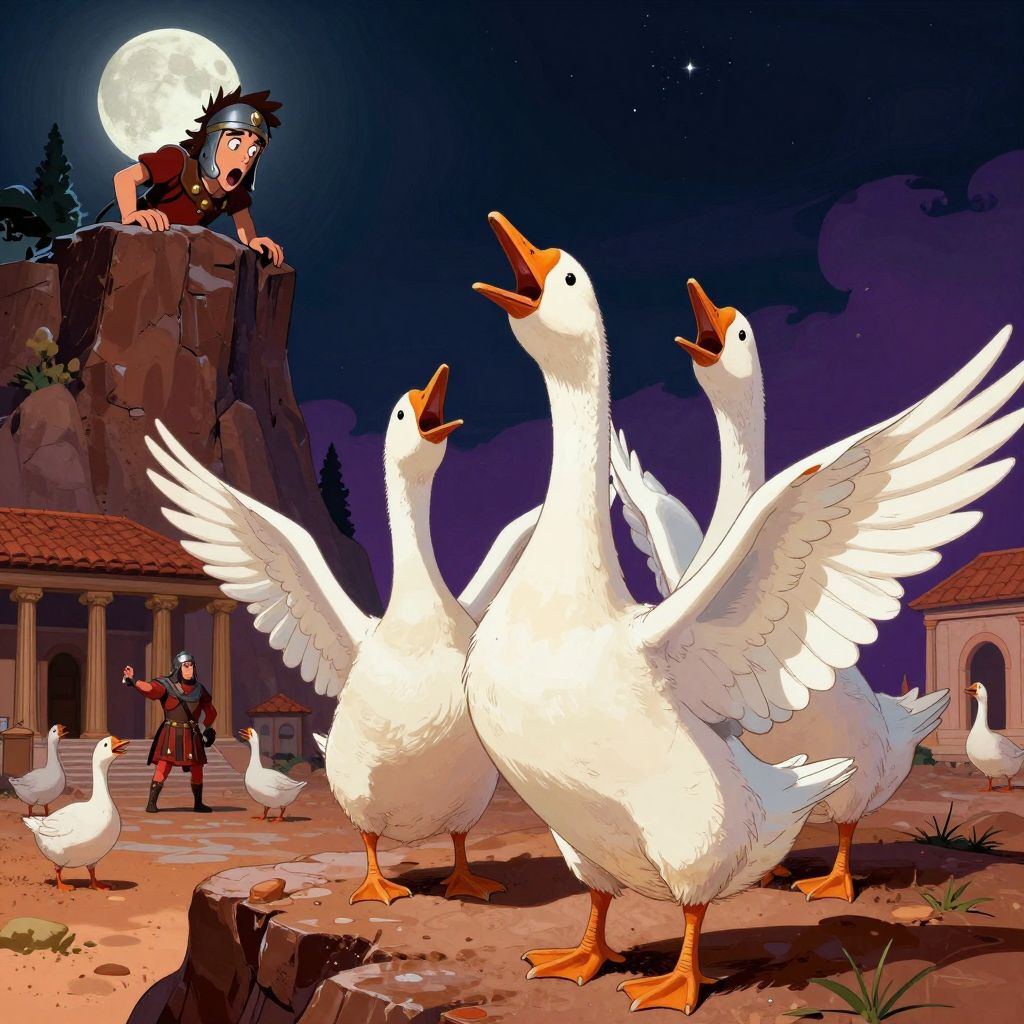
The survivors who made it back to Rome didn't stop to explain tactics or strategy. They just kept running. And then the city realized: there was no one left to defend it.
The evacuation became chaos. Women grabbing children. Men carrying what they could. The streets became a river of people running uphill, away from the sound of Gallic war horns.
The young soldiers who hadn't died at the Allia climbed the Capitoline Hill — steep, cliff-sided, defendable. But not everyone could climb.
The Old Men
The oldest senators made a choice the young soldiers couldn't.
Too frail to fight. Too old to run. But too Roman to hide.
They went home. They dressed in their ceremonial robes, the purple and white togas they'd worn at triumphs and sacred rituals. They walked to the Forum like it was any other day. Found their ivory curule chairs, the symbols of their office. Sat down in perfect rows.
And waited to die.
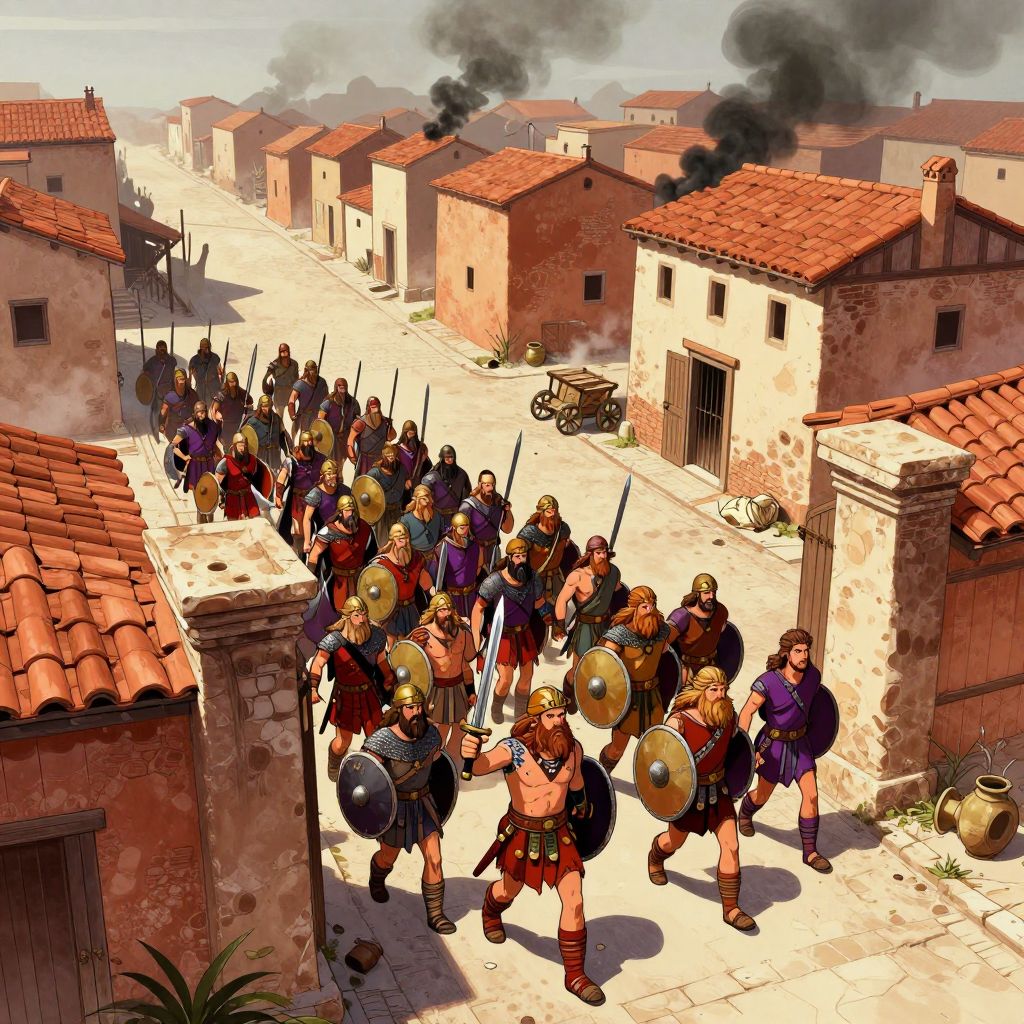
When the Gauls entered Rome, they found a ghost city. Empty streets. Barred doors. The temples still smoking where panicked citizens had tried to save sacred objects, then fled.
And these old men, sitting perfectly still in their finest clothes in the Forum's center. Ivory scepters in their hands. Eyes forward. Not hiding. Not cowering.
The Gauls stopped. They actually hesitated.
Were these statues? Some kind of religious installation? Gods in human form? The scene was so strange, so theatrical, that even warriors who collected heads as trophies felt unease.
One Gaul stepped forward. Reached out. Tugged an old senator's beard.
The senator's eyes blazed. He raised his ivory scepter — a symbol of authority, not a weapon — and struck the Gaul on the head.
The Gaul killed him. And then they killed them all.
The senators died sitting in their chairs. Dressed for the Senate. Facing forward. A final act of defiance that was strategically meaningless but symbolically everything.
Rome would remember them.
The Long Siege
The siege of the Capitoline dragged on for months. Both sides starving.
The Romans on the hilltop had saved themselves but trapped themselves too. Limited food. Limited water. The young defenders eating their belts, watching the city burn below.
And the geese. Juno's sacred geese. Fat white birds that no one was allowed to touch, even during a siege. Even when soldiers were gnawing leather. Religious law held firm. The dogs — the actual guard dogs — had gone silent from hunger. But the geese stayed fat.
The Gauls tried assaults. The defenders threw them back. The cliff faces were too steep, the approaches too narrow. But the Gauls didn't leave. They settled in. Waited. Let hunger do their work.
Weeks became months. Both sides wasted away. The Gauls couldn't take the hill. The Romans couldn't come down.
The Geese That Saved Rome
Then one night, a Gallic scout found something: a crack in the cliff face. A narrow route up the rock that no one had thought to guard because no one thought it was climbable.
The Gauls moved in complete silence. No torches. No war cries. No noise. They climbed like they were hunting deer, not assaulting Rome's last stronghold. Hand over hand. Foot by foot. Almost at the top.
And then the geese started honking.
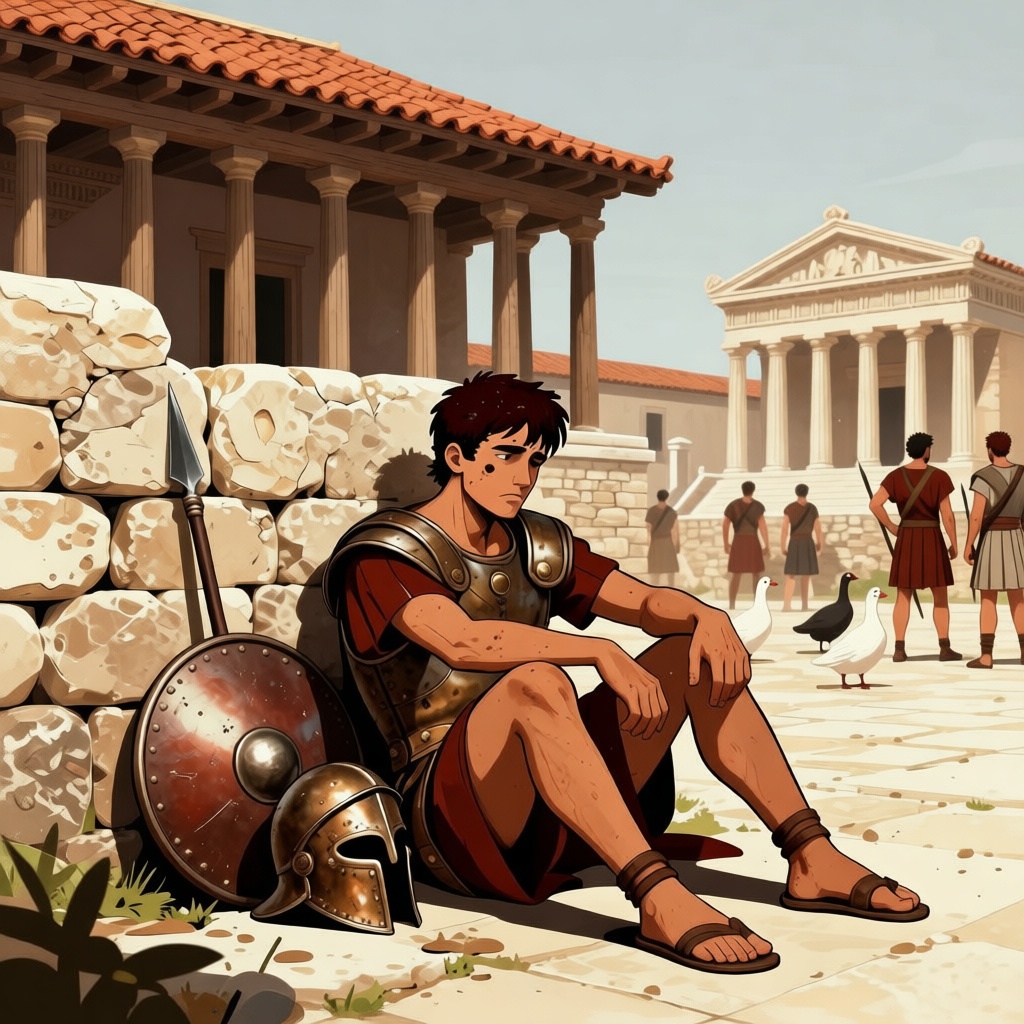
Those fat, sacred, untouchable birds screamed like the world was ending. Wings flapping. Necks extended. Making enough noise to wake the dead.
A Roman officer, exhausted, half-starved, probably asleep moments before, reached the cliff edge first. He slammed his shield into the lead Gaul's face. The warrior fell backward into the climbers behind him. One body knocked loose another. The whole column went tumbling down the cliff face in the darkness.
Rome survived that night because of sacred geese and one fast soldier.
The Gauls didn't try the cliff again. But they didn't leave either. They settled back into the siege. Waiting. Starving. Knowing Rome would break eventually.
Vae Victis
Finally, the Romans agreed to pay ransom: a thousand pounds of gold. Everything they had left.
They carried it out from the Capitoline — the last wealth of a city that had conquered its neighbors for a century. Gold coins. Jewelry. Ornate vessels. Sacred objects from temples. All piled onto bronze scales in the Forum while Gauls watched and Romans tried not to weep.
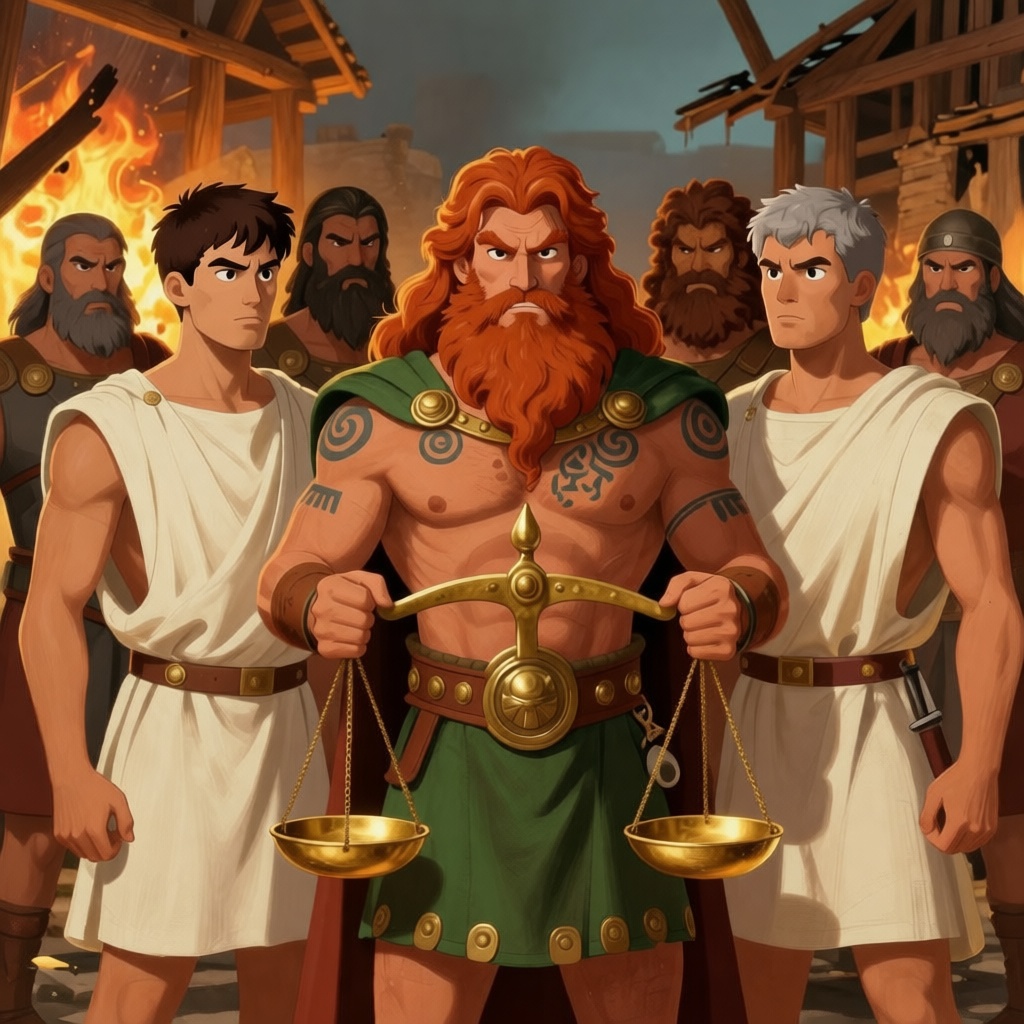
A thousand pounds. They watched their gold pile onto the scales. And then the Romans noticed something.
The weights were wrong.
The Gauls had rigged the scales. The bronze weights were heavier than they should be. Every pound Rome paid was actually more. The scales were designed to cheat Rome even in defeat.
A Roman officer stepped forward, outrage overcoming fear. "These weights are false!"
Brennus, the Gallic chieftain, smiled. That cold smile of a man who knows he holds all the power.
He walked to the scales. Drew his heavy iron sword, worth a few more pounds of weight itself. And threw it onto the pile of rigged weights.
"Vae victis."
Woe to the vanquished.
Three syllables in Latin. Rome would remember them for a thousand years. They'd quote them when they conquered Gaul. When they burned Carthage. When they crushed every enemy who'd ever laughed at them.
Brennus meant it as mockery. Rome made it a mission statement.
The Hero Who Saved Rome (Maybe)
The stories say Camillus arrived at that exact moment.
Marcus Furius Camillus — Rome's greatest general. The one who'd conquered Veii after a decade-long siege. The one Rome had exiled in a fit of jealous pettiness just years before.
He marched into the Forum with an army at the precise instant of Rome's humiliation. Sword drawn. Eyes blazing with righteous fury.
"Rome ransoms itself with iron, not gold."
The Gauls were driven out. The gold was recovered. They called him the Second Founder of Rome because the first Rome was ashes.
The timing was probably messier than the stories say. Did Camillus arrive? Eventually. Did he drive out the Gauls? More or less. But that perfect dramatic moment with the sword on the scales? That's the kind of timing that sounds better in hindsight than it probably was in reality.
What's certain: Romans paid gold. Romans felt humiliation. And Romans remembered.
What Rome Became
The city rebuilt. Fast. Desperate. Cramped streets thrown up without planning, twisting like intestines. The new Rome was ugly. Functional. Built in haste by people who'd lost everything.
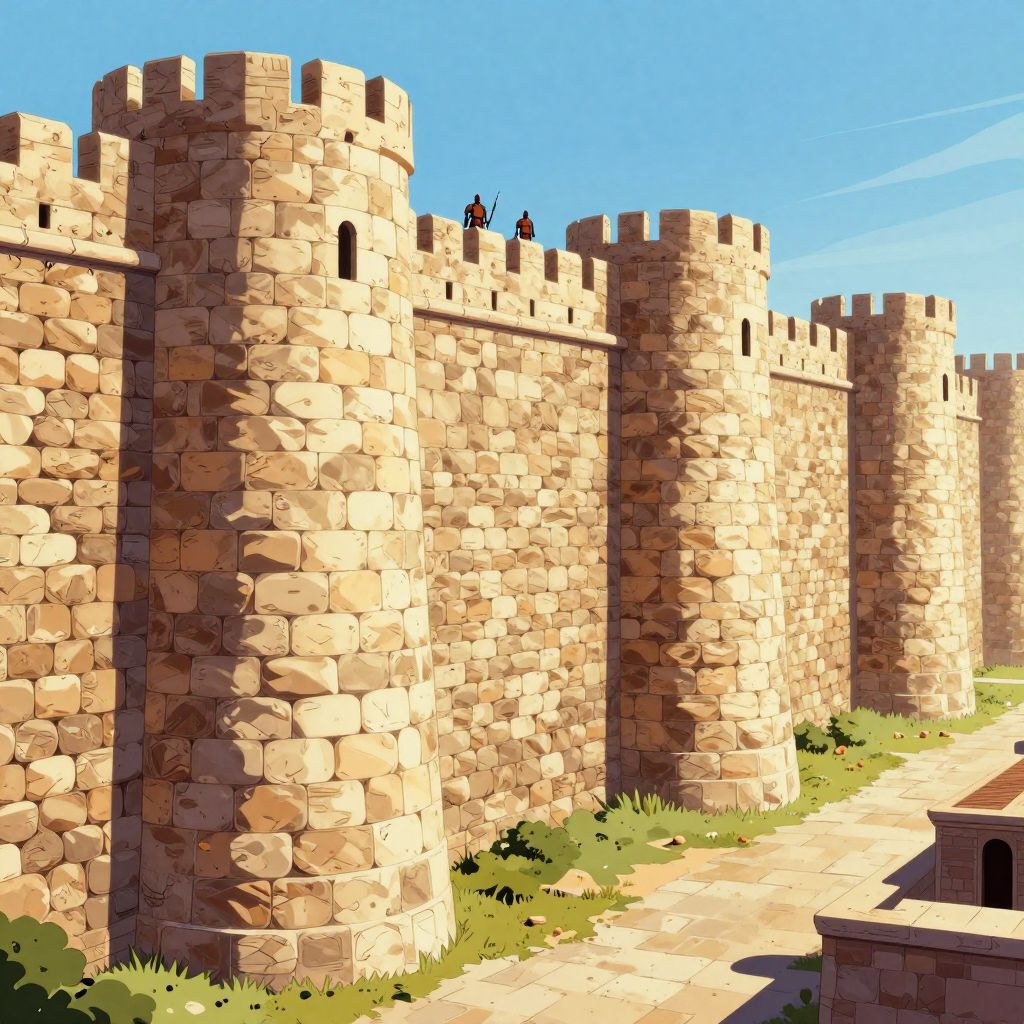
But the walls? The new walls were massive.
Stone from Veii's quarries, a conquered enemy now fortifying its conqueror. Thirty feet high. Twelve feet thick. Defensive towers at intervals. The kind of walls you build when you never want to feel afraid again.
And something else was being built. Something harder to see.
Rome started raiding its neighbors. Not the Gauls — they'd retreated north. No, Rome raided Italian tribes who'd had nothing to do with the invasion.
Their crime? They'd been quiet during the sack. They'd watched Rome burn and done nothing. That was enough.
Villages burned. Livestock seized. Women screaming. The soldiers didn't ask why they were raiding people who'd never attacked them. The orders came down. They followed.
A general gave orders for a raid. A war widow spat on Gallic prisoners being paraded through the streets. Children threw stones. The guards didn't stop them.
Rome had learned something from Brennus: the strong decide what matters.
Thirty Years of Revenge
Over the next three decades, Rome would fight almost continuously. Not defensive wars. Aggressive campaigns. Revenge wars.
Every tribe that had stayed neutral during the Gallic invasion got a visit. Every neighbor who'd watched Rome's humiliation without helping would pay.
The Aequi. The Volsci. The Hernici. Old rivals and former allies alike — but none of them had invaded Rome. They hadn't burned the temples or rigged the scales.
It didn't matter. Rome had learned to strike first. To never let an enemy build strength. To never trust that peace meant safety.
The generation that rebuilt Rome built something different from what had burned. Not just different walls. A different mindset. Rome had been violated. Rome would make sure it never happened again.
"Vae victis." Woe to the vanquished.
Brennus meant it as mockery. Rome made it a promise. A template. A philosophy that would carry them from a burned-out city on seven hills to masters of the Mediterranean world.
Every enemy would learn what those three syllables meant. Rome would make certain of it.
Frequently Asked Questions
1Did the sacred geese really save Rome?
According to Roman tradition, yes. The geese of Juno were kept at her temple on the Capitoline Hill and were considered sacred. When Gallic warriors attempted a night climb up the cliff, the geese raised the alarm while the starving guard dogs remained silent. Whether literal history or legend, Romans credited the geese with saving the Capitol.
2What does 'Vae victis' mean?
'Vae victis' is Latin for 'Woe to the vanquished' or 'Woe to the conquered.' Brennus supposedly said it when Romans complained about rigged scales during the ransom payment. The phrase became a symbol of Rome's humiliation and motivated centuries of expansion.
3Who was Brennus?
Brennus was the chieftain of the Senones, a Gallic tribe that sacked Rome in 390 BCE. His name may actually be a title meaning 'king' in Gaulish rather than a personal name. He's remembered for the 'vae victis' incident with the scales.
4Did Camillus really arrive at the perfect moment?
Roman tradition says Camillus arrived exactly as the gold was being weighed and drove out the Gauls. Historians suspect the timing was 'messier' — Camillus probably did help drive out the Gauls, but the dramatic rescue story was likely embellished. What's certain is that Rome paid ransom and never forgot the humiliation.
Experience Rome's Darkest Hour
Hear the full story of the Gallic sack, the sacred geese, and the three words that changed Rome forever.


Listen to Related Stories
Geese and Gold
4 minThe Gauls. Every Roman parent's favorite nightmare. 'Behave, or the Gauls will get you.' They weren't wrong to be afraid.

Woe to the Vanquished
4 minThree syllables. Rome would remember them for a thousand years.
Listen to the Full Story
Experience history through immersive audio lessons narrated by Lumo, your immortal wolf guide.