Who Was Hector of Troy?
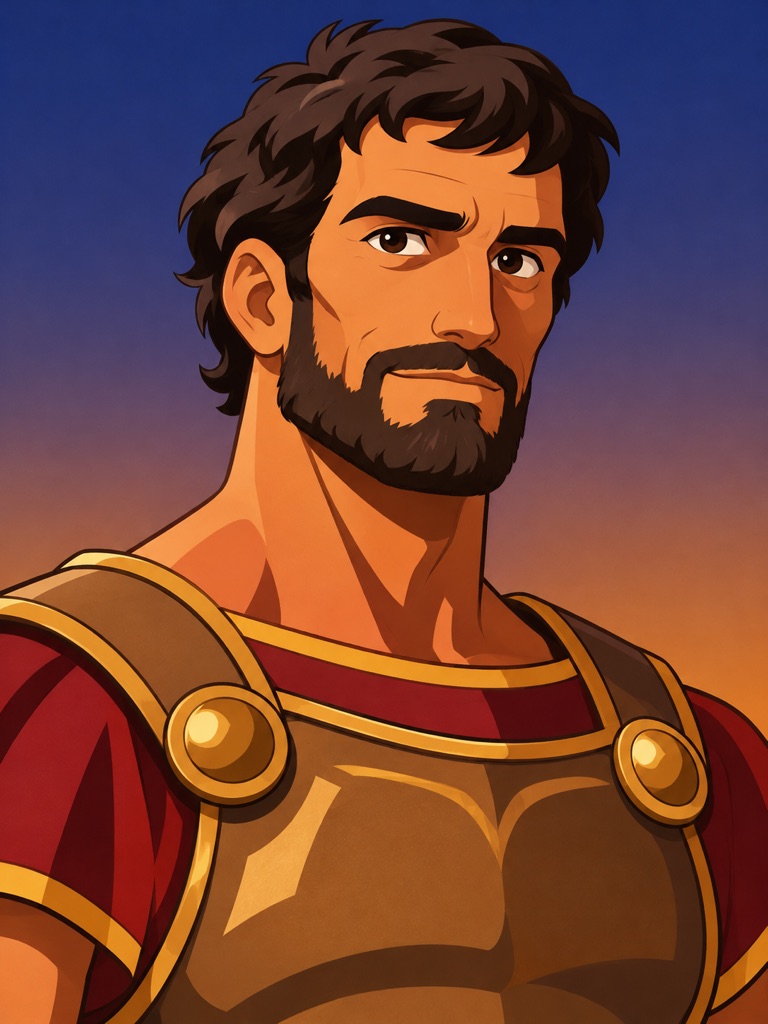
Hector of Troy is the eldest son of King Priam and the greatest Trojan warrior in Homer's Iliad. He leads the defence of the city for ten years, kills Achilles' friend Patroclus, and dies when Achilles chases him three times around the walls of Troy and kills him with a spear through the throat. The Iliad ends with his funeral.
He is a figure of legend. No inscription or archaeological find names him, and the question of whether Troy itself was real is separate from the poem. But the Greeks who sang about the Trojan War gave their best lines to an enemy. Achilles is the greatest fighter in the Iliad. Hector is its most likeable man: a husband, a father and a son, fighting for a city that is not to blame for the war and a brother he does not respect.
Homer calls him "Hector, tamer of horses", "Hector of the shining helmet" and "man-killing Hector". His parents were Priam and Queen Hecuba. His wife was Andromache, and their baby son was Astyanax, a name meaning "lord of the city", because, Homer says, Hector alone guarded Troy. Hector himself called the boy Scamandrius, after the river of Troy.
Hector and Paris
Hector's younger brother Paris started the war by taking Helen from her husband Menelaus in Sparta. Hector never pretends this was a good idea. In Book 3 of the Iliad, when Paris shrinks back from Menelaus on the battlefield, Hector tells him he wishes Paris had never been born, or had died unmarried. Paris agrees and offers to fight Menelaus in single combat. He loses, and Aphrodite rescues him.
In Book 6 Hector finds Paris at home polishing his armour while the Trojans die outside, and drives him back to the fighting. Helen, standing nearby, tells Hector that she wishes she had died the day she was born, and asks him to sit and rest. He refuses kindly. He has no time.
Hector fights not for Paris or Helen but because he is the eldest son of the king and the city's only real shield. He knows the war is unjust and fights it anyway. That is part of why the poem feels so sorry for him.
Hector and Andromache: Iliad Book 6
The most famous scene in Hector's life is not a battle. In Book 6 he comes back into the city to ask the women of Troy to pray to Athena. On his way out he meets his wife at the Scaean Gate, with a nurse carrying their baby son.
Andromache begs him to stay. Her father and her seven brothers were all killed by Achilles in a single day when he sacked her home city, and her mother died soon after. "Hector," she says, "you are my father and my mother and my brother, and my husband too." She asks him to stay on the wall and defend the weak point by the fig tree.
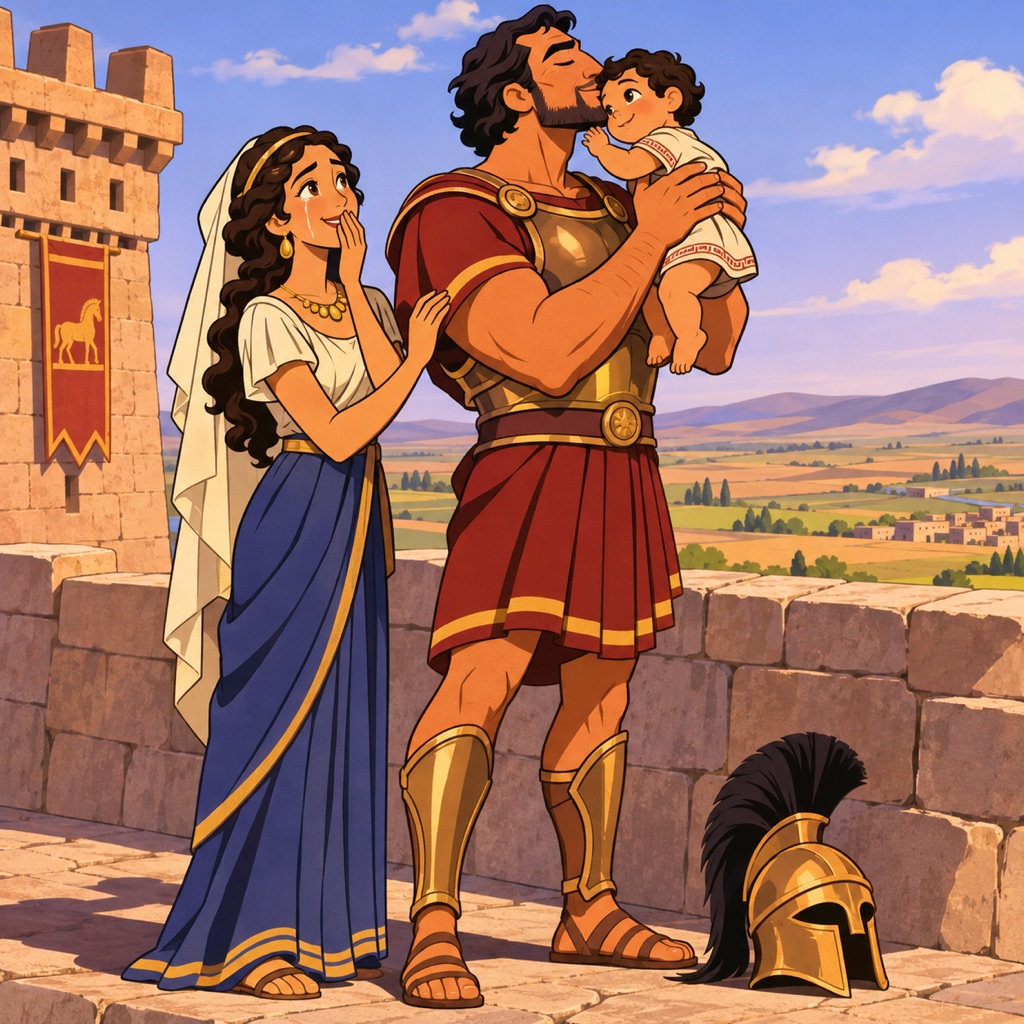
Hector answers that he would be ashamed before the men and women of Troy if he hid from the fighting. Then he says something no hero in Homer usually says. He knows that a day will come when sacred Troy will fall, with Priam and all his people. And what hurts him most is not his own death, or his parents', but the thought of Andromache being led away in tears by some Greek to carry water and weave cloth for a foreign mistress. He hopes he is dead and buried before he hears her cry.
Then he reaches for his son. The baby screams and shrinks back into the nurse's arms, frightened by the bronze helmet and the horsehair crest nodding on top. Hector and Andromache both laugh. He takes off the helmet, sets it on the ground, kisses the boy and lifts him up, and prays to Zeus that one day people will say, "He is far better than his father", when the boy comes home from battle.
He gives the baby back to Andromache, who takes him "smiling through her tears". Hector tells her not to grieve too much: no man will send him to his death before his fate, and no man escapes his fate once he is born. Andromache goes home, looking back over her shoulder, and she and her maids begin to mourn Hector in his own house while he is still alive.
The Battle at the Ships
After that, the fighting turns in Hector's favour. Achilles has quit the war after his quarrel with Agamemnon, and Zeus has promised Achilles' mother to let the Trojans win for a while.
In Book 7 Hector challenges any Greek to single combat. The giant Ajax answers. They fight until nightfall without a winner, and part with gifts: Hector gives Ajax a silver-studded sword, and Ajax gives Hector a purple belt. Later Greeks found this exchange ominous. In Sophocles' tragedy Ajax, Ajax kills himself with Hector's sword.
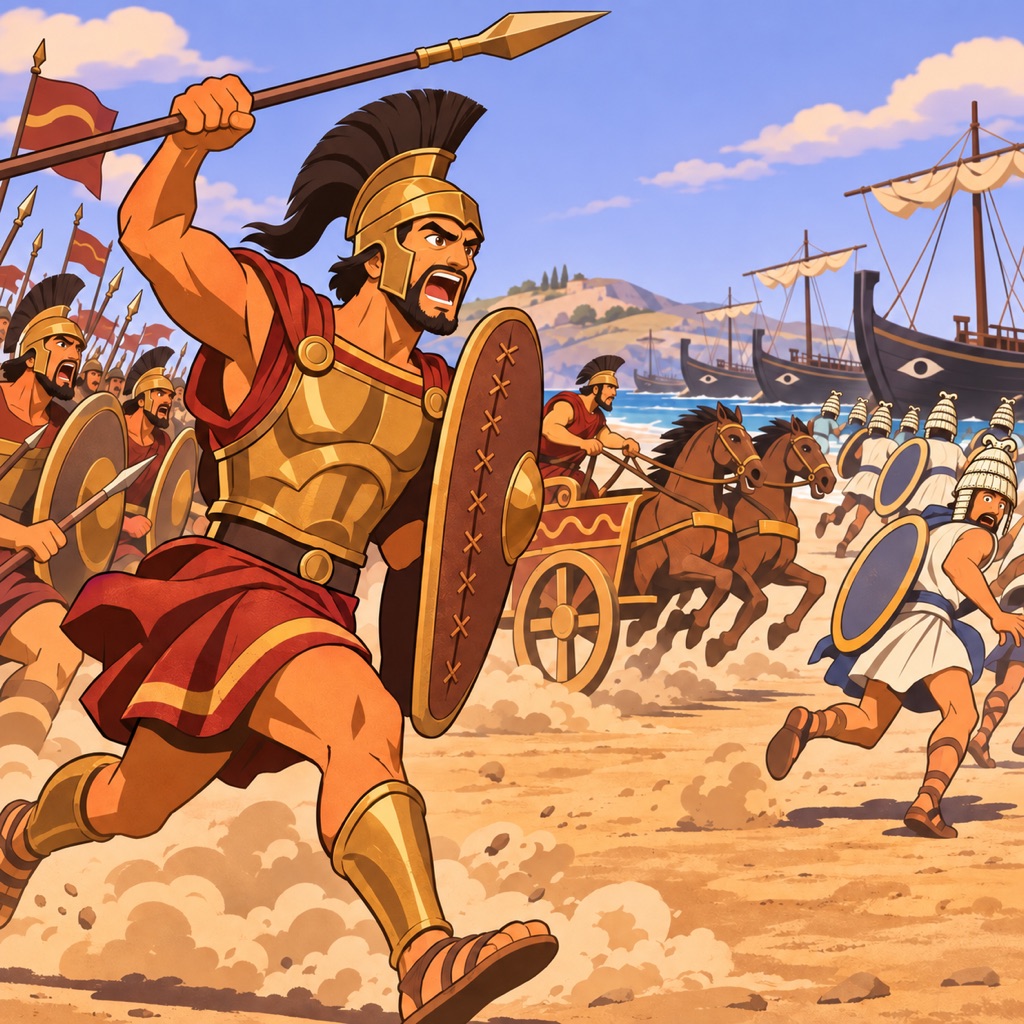
Over the next days, the Trojans push the Greeks back across the plain. For the first time in the war they camp outside the walls. In Book 12 they storm the wall the Greeks built around their ships, and Hector smashes one of the gates with a boulder so heavy that two ordinary men could hardly lift it. When his adviser Polydamas warns him of a bad omen, Hector answers with one of the most quoted lines of the poem: "One omen is best: to fight for your country."
In Book 15 Hector reaches the ships. He grabs the stern of the first ship and calls for fire. Ajax holds him off for a long time, but in Book 16 a Greek ship finally burns.
Killing Patroclus
The burning ship brings Patroclus into the battle, wearing Achilles' armour. He drives the Trojans back to the walls, but Apollo strikes him from behind and stuns him, a Trojan named Euphorbus wounds him, and Hector kills him with a spear thrust. Hector boasts over him. The dying Patroclus answers that fate and Apollo killed him, and Euphorbus among men, so Hector was only the third, and that Hector's own death is near, at the hands of Achilles.
Hector strips the armour from the body and puts it on. Zeus watches him and feels pity: Hector is wearing the armour of the best of men, and he will never bring it home for Andromache to take from him.
That night, after Achilles' terrible shout from the trench sends the Trojans into panic, Polydamas advises pulling back inside the walls. Hector refuses. The Trojans cheer him, and Homer says Athena had taken away their wits. It is Hector's great mistake, and he knows it the next day.
How Did Hector Die?
Hector died at the hands of Achilles, outside the Scaean Gate of Troy, in Book 22 of the Iliad. After a day in which Achilles kills Trojans by the hundreds, the survivors run inside the walls. Hector stays outside alone.
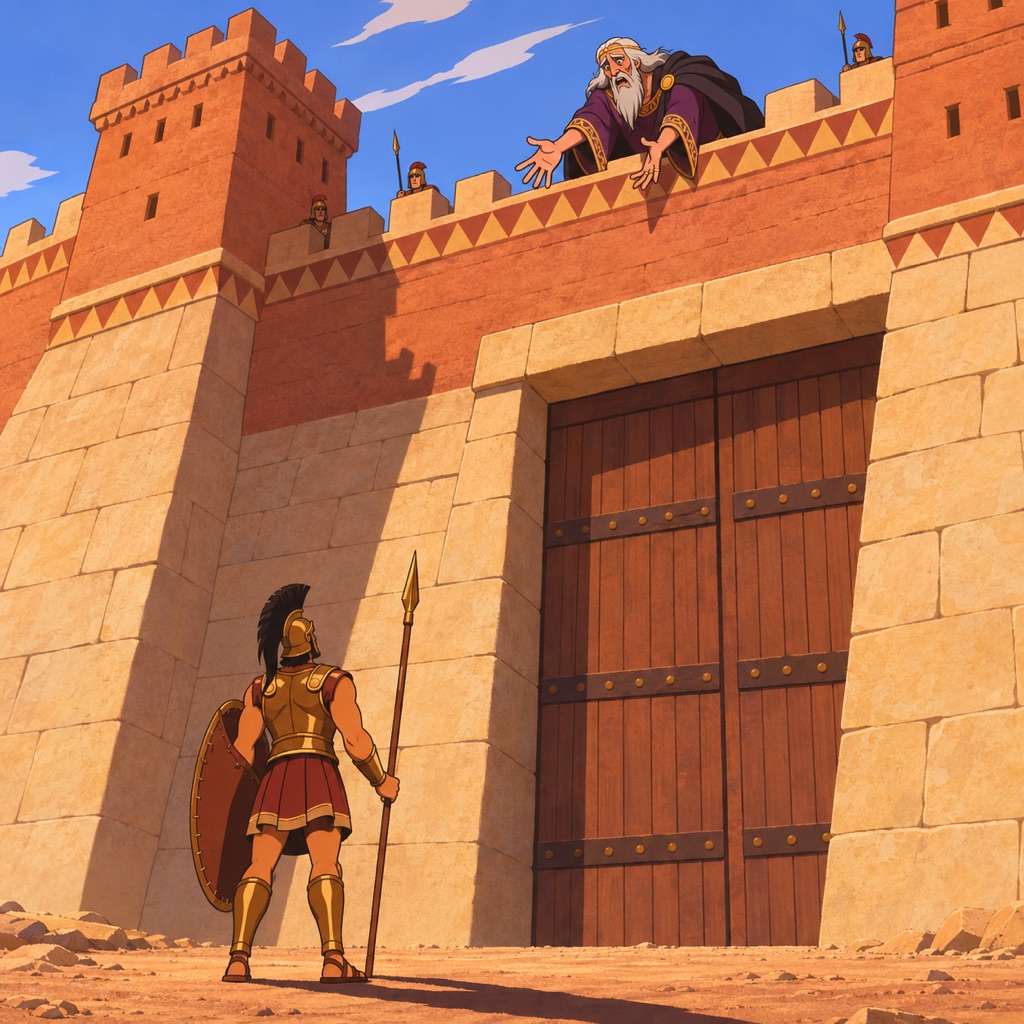
His father Priam begs him from the wall to come in, describing what will happen to an old king when a city falls. His mother Hecuba bares her breast and asks him to remember who nursed him. He stays. In a short speech to himself, he explains why: if he goes in now, Polydamas will be the first to blame him for the men who died because he would not retreat. He thinks briefly about putting down his weapons and offering Achilles Helen and all the treasure, and knows it is useless.
Then Achilles comes, and Hector runs.
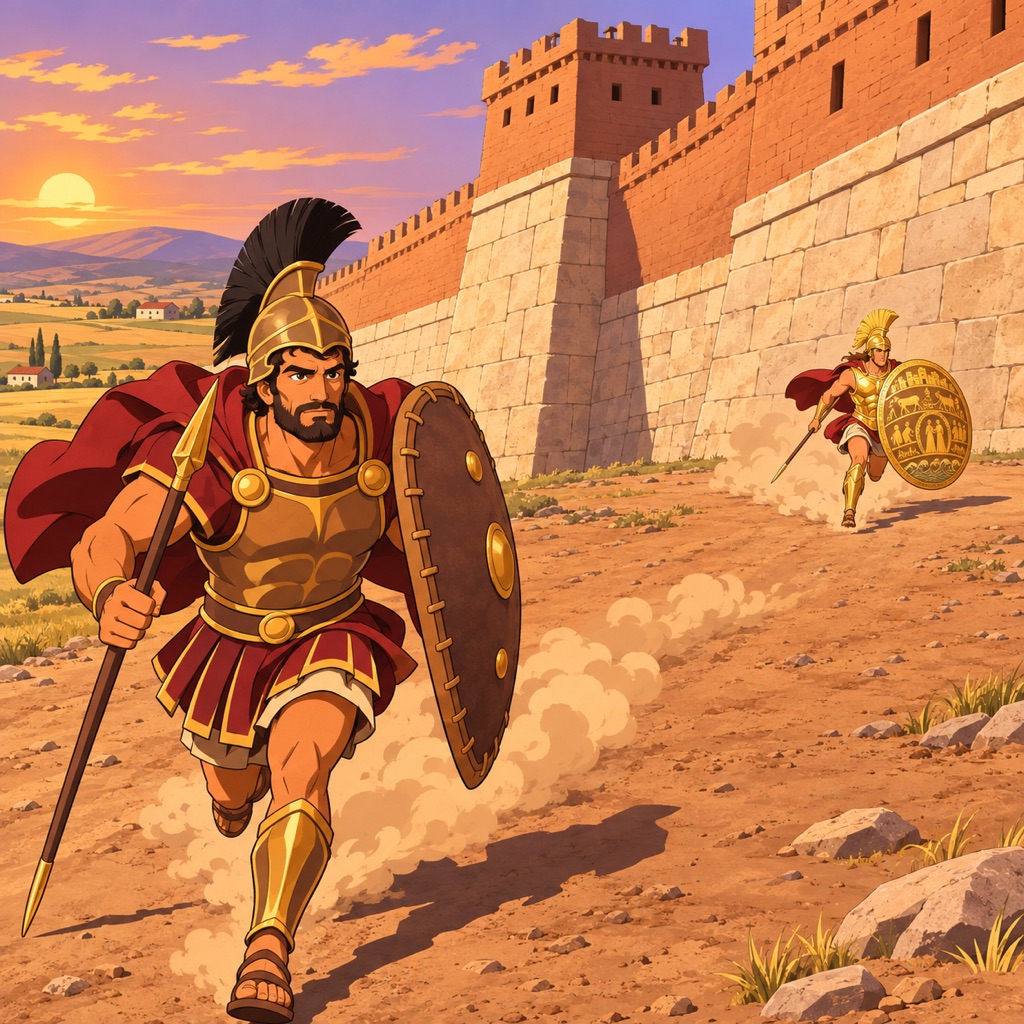
They go three times around the walls of Troy. Homer marks the course with a detail that hurts: they run past the two springs, one warm and one cold, where the women and daughters of Troy used to wash their clothes in the time of peace, before the Greeks came. The prize of this race, Homer says, is not an ox or a tripod. It is Hector's life. He compares the chase to a dream in which one man cannot flee and the other cannot catch him.
On the fourth time around, as they reach the springs, Zeus lifts his golden scales and puts a death in each pan. Hector's side sinks toward the underworld. Apollo, who has helped him until now, leaves him.
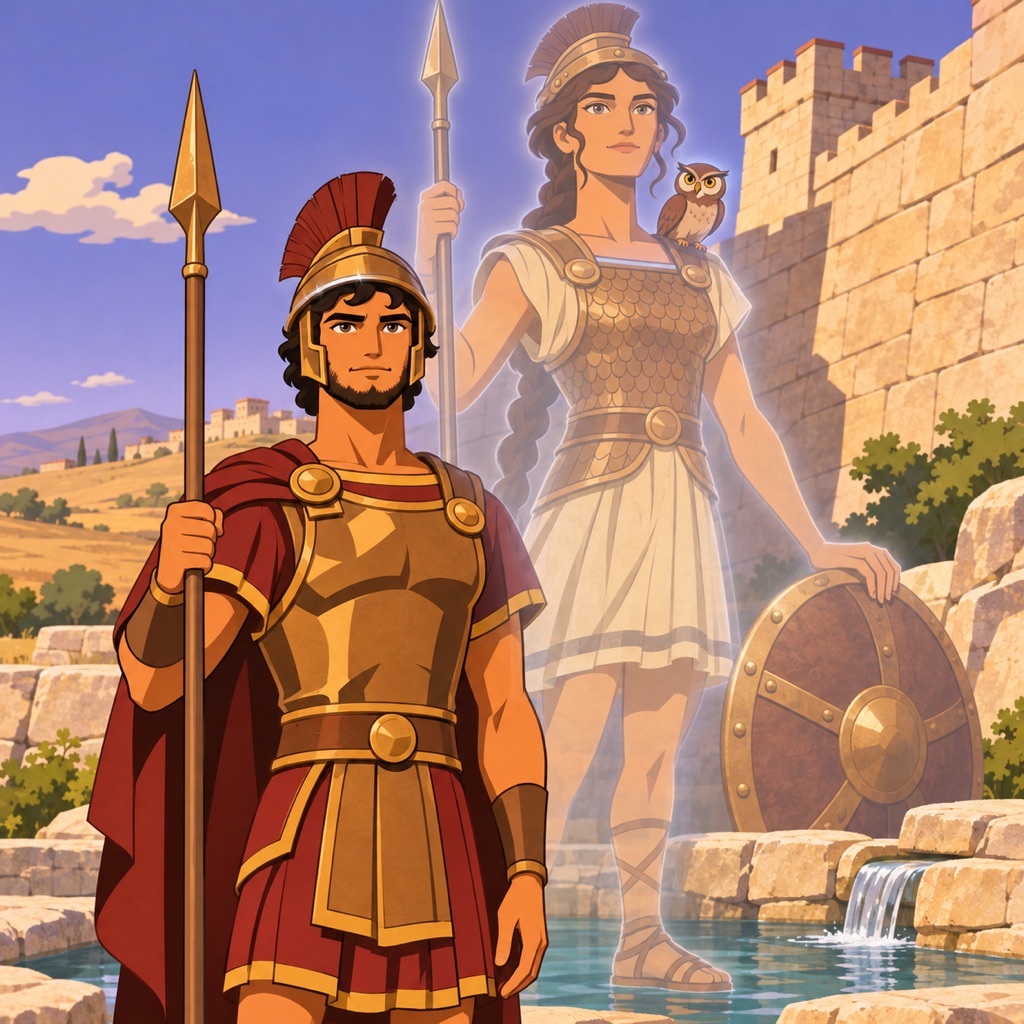
Athena now plays the cruellest trick in the Iliad. She appears beside Hector in the shape of his favourite brother, Deiphobus, and says they will face Achilles together. Hector, overjoyed, stops running. Before the fight he asks Achilles for a promise: whoever wins will return the other's body to his people. Achilles refuses. There are no oaths between lions and men, he says, or between wolves and lambs.
Achilles throws first and misses. Athena hands the spear back to him without Hector seeing. Hector throws, hits the centre of Achilles' shield, and the spear bounces off. He turns to Deiphobus for another spear. There is nobody there.
Hector understands at once. "The gods have called me to my death," he says. "Deiphobus is inside the walls, and Athena has tricked me." Then he decides how to die: not without a fight and not without glory, but doing something great that men in the future will hear of. He draws his sword and charges.
Achilles knows exactly where to strike. Hector is wearing Achilles' own old armour, taken from Patroclus. There is one gap, at the throat, where the collarbone meets the neck. The spear goes in there.
The Dragging
Hector, dying, begs Achilles to accept a ransom and give his body back to his parents for burial. Achilles refuses in the harshest words in the poem: he wishes his rage would let him carve Hector's flesh and eat it raw, and no ransom, not even Hector's weight in gold, will save the body from the dogs and the birds.
Hector's last words are a prophecy. Achilles has a heart of iron, he says, but the gods will remember this on the day that Paris and Apollo kill him at the Scaean Gate. That is exactly how the later legend says Achilles died.
Then the Greeks gather around the body and stab it, joking that Hector is much softer to handle now than when he was burning the ships. Achilles pierces the tendons at the back of both of Hector's feet, between heel and ankle, threads leather straps through, ties them to his chariot and drives back to the ships, with Hector's head dragging in the dust.
From the wall, Hecuba tears her hair and Priam has to be held back from running out of the gate. Andromache, at home weaving and heating water for Hector's bath, hears the screaming, runs to the wall and sees her husband dragged away. She faints, and the headdress Aphrodite gave her on her wedding day falls from her hair. When she comes to, she mourns not only Hector but their son, who will now grow up an orphan.
Priam's Ransom and the Last Line of the Iliad
For twelve days, Achilles drags Hector's body around the grave of Patroclus every dawn. The gods protect it: Aphrodite keeps the dogs away and anoints it with oil of roses, and Apollo covers it with his golden shield so the skin does not tear. In the end the gods decide that it has gone too far.
Zeus sends Thetis to tell her son to accept a ransom, and sends Hermes to guide Priam. The old king loads a wagon with treasure, including twelve fine robes, ten talents of gold and a precious cup the Thracians once gave him, and crosses the plain at night. Hermes, disguised as a young soldier, puts the Greek guards to sleep and brings him to Achilles' tent.
Priam kneels and kisses Achilles' hands, the hands that killed his son, and asks him to think of his own father. The two enemies weep together. Achilles gives back the body and grants an eleven-day truce. In Troy, three women lead the laments over Hector: Andromache, who says he died without holding her hand or saying a last word to her; Hecuba, his mother; and Helen, who says that in all her years in Troy, Hector never said one harsh word to her, and stopped anyone else who did.
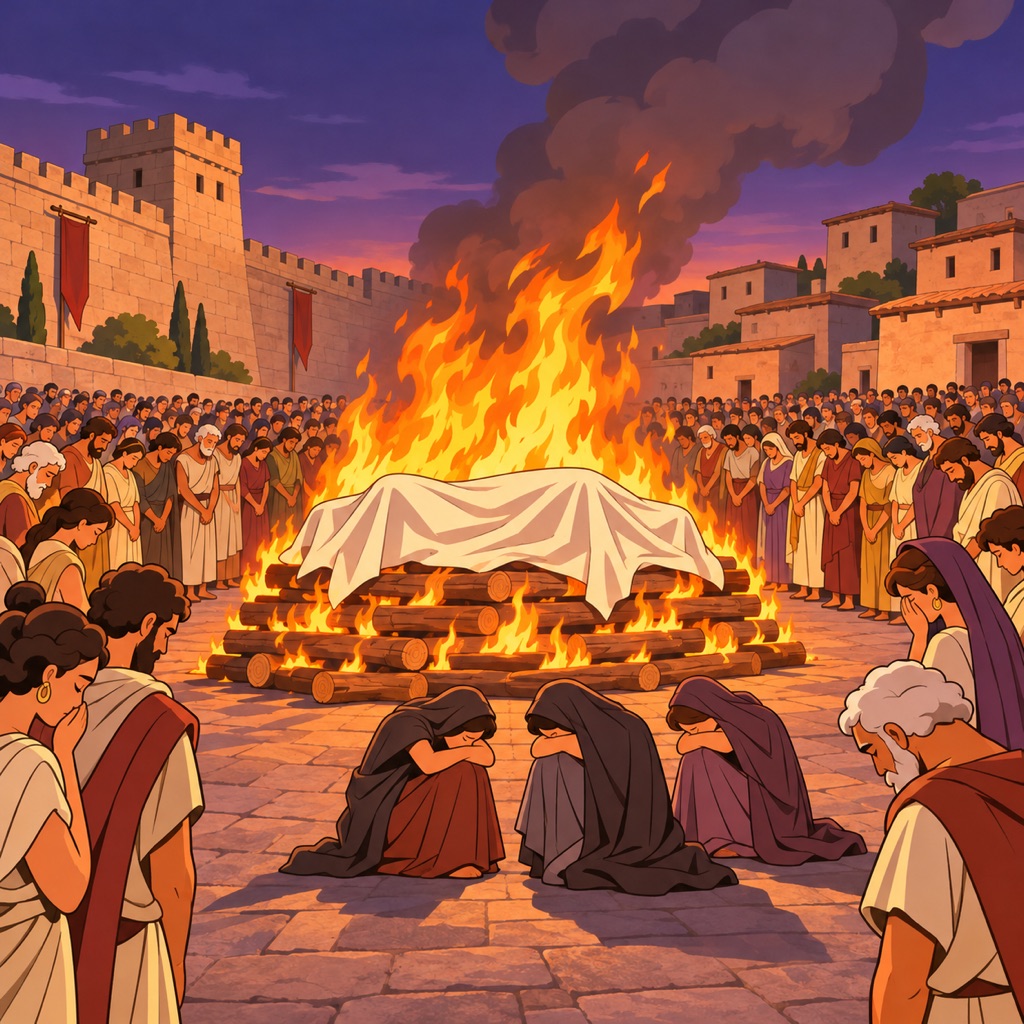
For nine days the Trojans gather wood. On the tenth they burn the body. They put out the fire with wine, gather the white bones into a golden box, wrap it in soft purple cloth, lay it in a grave and pile stones and earth over it. The last line of the Iliad is: "So they held the funeral of Hector, tamer of horses."
The Fate of Astyanax and Andromache
The Iliad stops before Troy falls, but it knows what is coming. In Book 24 Andromache, mourning over the body, foresees that her son will be thrown from a tower by some Greek who lost a brother, father or son to Hector.
The later epics confirm it. According to the lost Little Iliad, Achilles' son Neoptolemus threw Astyanax from the walls when the city fell. The Sack of Troy, another lost epic summarized by Proclus, says Odysseus killed him. In Euripides' tragedy The Trojan Women, the Greeks decide after the city is taken that Hector's son must not grow up, on Odysseus's advice. A herald takes the boy from his mother's arms, and his body is later brought back to his grandmother Hecuba, who buries him on his father's shield. The full story of that night is told on the Trojan Horse page.
Andromache herself was given as a prize to Neoptolemus, the son of the man who killed her husband. In Euripides' Andromache, she lives as his captive in Greece. At the end of that play, she is told she will marry Helenus, Hector's surviving brother, and live on in the northwest of Greece.
Hector After Homer
Hector became the hero of the losing side, and later ages took his side. The city of Thebes in central Greece claimed to have his bones, brought from Troy on an oracle's advice, and showed visitors his grave by a spring, according to the travel writer Pausanias in the 2nd century CE. The Romans, who believed they descended from the Trojans, treated him with special honour. In the Middle Ages he was counted among the Nine Worthies, the nine greatest heroes of history and legend, alongside Alexander the Great, Julius Caesar, King Arthur and Charlemagne.
What keeps readers coming back to him is the scene on the wall in Book 6: a soldier who knows he will lose, laughing as he takes off his helmet for his son. For more on the poem that made him, see the Iliad summary, and for the world that sang it, the Ancient Greece overview.
Frequently Asked Questions
1How did Hector die?
In Book 22 of the Iliad, Achilles chased Hector three times around the walls of Troy. Athena tricked Hector by appearing as his brother Deiphobus, so he stopped to fight. His spear bounced off Achilles' shield, his brother was gone, and Achilles killed him with a spear through the throat, at the one gap in his armour.
2Who was Hector of Troy?
Hector was the eldest son of King Priam and Queen Hecuba of Troy, the husband of Andromache and father of Astyanax, and the leading Trojan warrior of the Trojan War in Homer's Iliad. He is a figure of legend, not a proven historical person.
3Why did Hector run from Achilles?
Homer says fear seized him when he saw Achilles coming in his divine armour. Hector had decided to face him, but at the last moment he ran, and Achilles chased him three times around the city before Athena's trick made him stand and fight.
4What did Achilles do with Hector's body?
Achilles pierced the tendons of Hector's feet, tied the body to his chariot and dragged it to the Greek camp. For twelve days he dragged it around Patroclus's grave every dawn, until the gods intervened and Priam ransomed the body.
5What happened to Hector's son Astyanax?
He was killed when Troy fell. The lost epic Little Iliad says Neoptolemus, Achilles' son, threw him from the walls; the Sack of Troy says Odysseus killed him. In Euripides' Trojan Women, the Greeks decide on Odysseus's advice that he must die, and his grandmother Hecuba buries him on Hector's shield.
6What is the last line of the Iliad?
So they held the funeral of Hector, tamer of horses. The poem ends with Hector's burial, not with the fall of Troy or the death of Achilles.
Hear Hector's Story
The farewell on the walls, the run around the city and Priam's night in the enemy camp, told in short audio stories in the Ancient Greece chapters.


Hear Their Story
The Eyes of a Dog
4 minOn the walls of Troy, a father took off his helmet so his son would stop screaming.

Three Times Around the Walls
3 minThe bravest man in Troy ran for his life, and turned to his brother for a spear that never came.
The Hands He Kissed
4 minTwelve days of dragging, then an old king walked into the enemy camp to bring his son home.
Related Articles
Iliad Summary: Achilles' Rage, Book by Book
Iliad summary, book by book: the quarrel, Patroclus, the death of Hector and Priam's ransom. Plus the main characters, the themes, and Iliad vs Odyssey.
Trojan War Summary: The Whole Story
Trojan War summary in order: the golden apple, Helen and Paris, Achilles and Hector, the wooden horse and the fall of Troy, with a timeline and the archaeology.
Experience Hector of Troy's Story
Go beyond the biography. Hear Hector of Troy's story told by Lumo, your immortal wolf guide who witnessed these events firsthand.